
If you’re wondering whether the Kalalau Trail lives up to its reputation, the short answer is yes — and then some. This is the trail that ends up on every “world’s best hikes” list, and for once the hype is earned. But it’s also the trail that catches out a surprising number of people who show up thinking it’s a scenic stroll along a Hawaiian beach. It isn’t. It’s a serious, permit-controlled wilderness route along one of the most dramatic coastlines on earth, and treating it casually is how people get hurt, or at minimum have a miserable day.
I’ve hiked sections of it three times now, in three different states of preparation, so I’ve got opinions on how to do this properly. Let me walk you through it.
What the Kalalau Trail Actually Is
The trail runs along the Nāpali Coast on Kauai’s north shore, starting at Keʻe Beach in Hāʻena State Park and finishing 11 miles later at Kalalau Beach, deep in Kalalau Valley. That’s 22 miles round trip if you’re doing the whole thing, and there’s no way to shortcut it — no road, no boat shuttle that drops you at the far end (well, technically boat tours pass by, but they don’t land you on the beach to hike out). This is the only land route into much of the Nāpali Coast, which is precisely why it feels so wild even though it’s on a relatively small, well-visited island.
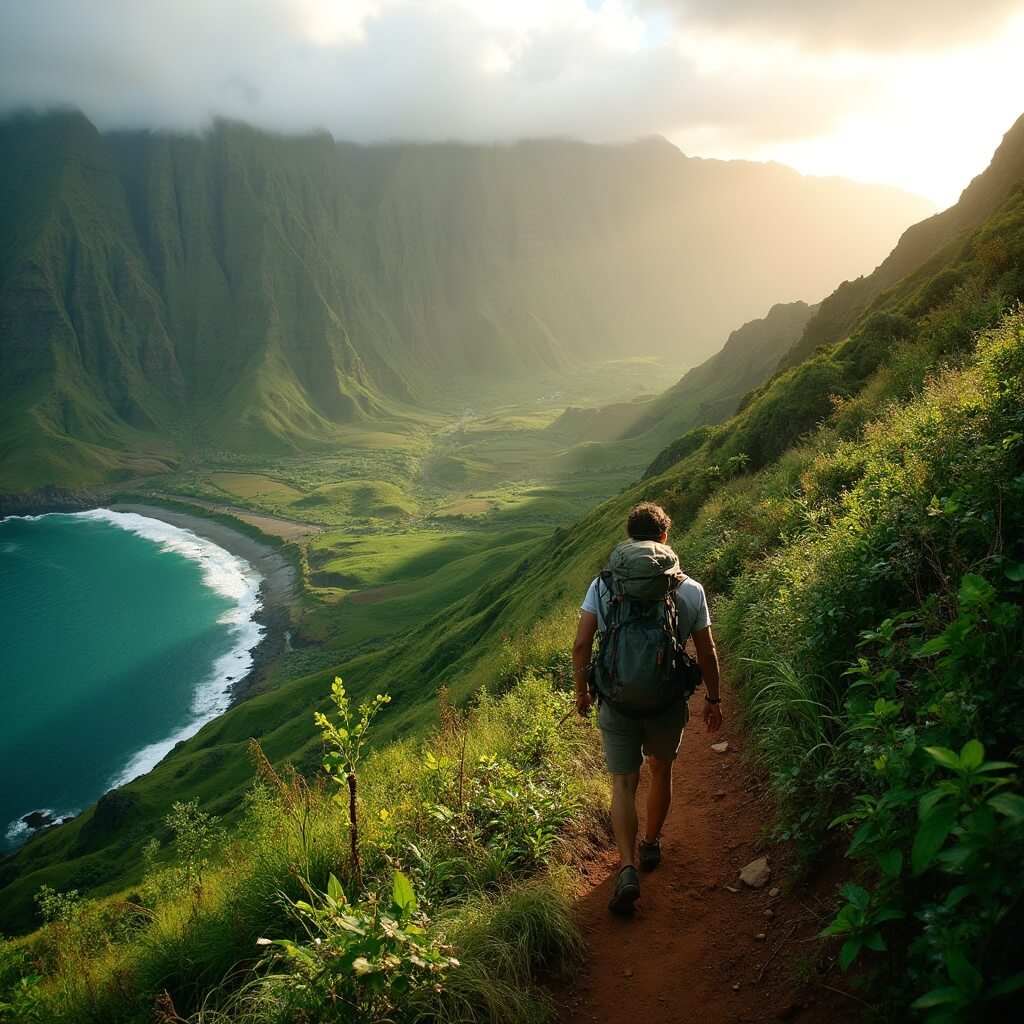
Don’t let the mileage fool you into thinking it’s manageable in an afternoon. The elevation gain and loss over the full trail adds up to somewhere between 5,000 and 6,500 feet, because the path doesn’t hug the coast in a flat line — it climbs up and over ridge after ridge, dropping into valleys and climbing straight back out. I remember checking my watch on one stretch thinking I’d covered barely half a mile in 40 minutes, entirely because of a single brutal climb that the map made look like nothing.
Hawaii State Parks classifies it as difficult, and every serious hiking platform agrees. This isn’t a trail for someone whose most recent hike was a paved nature loop. You want decent fitness, comfort with exposed and narrow cliffside paths, and the ability to handle stream crossings that can turn dangerous fast after rain. Elite trail runners have done the full 22 miles in a single day. For the rest of us mortals, plan on at least two days, and honestly, three is more comfortable.
Deciding Between a Day Hike and the Full Trek
You don’t have to commit to the whole thing to get something worthwhile out of this trail, and I’d argue too many people assume it’s all-or-nothing.
The most popular day-hike option is Keʻe Beach to Hanakapi’ai Beach — two miles each way, four round trip, with about 1,100 feet of elevation gain packed into that short distance. It’s steep, it’s often muddy, and by the time you reach the beach you’ll understand why people rave about it: dramatic cliffs, turquoise water, that particular quality of light Kauai does so well. One word of caution though — don’t swim at Hanakapi’ai. The currents and surf here have caused fatalities, and there’s no reef protection. It looks inviting. It is not.
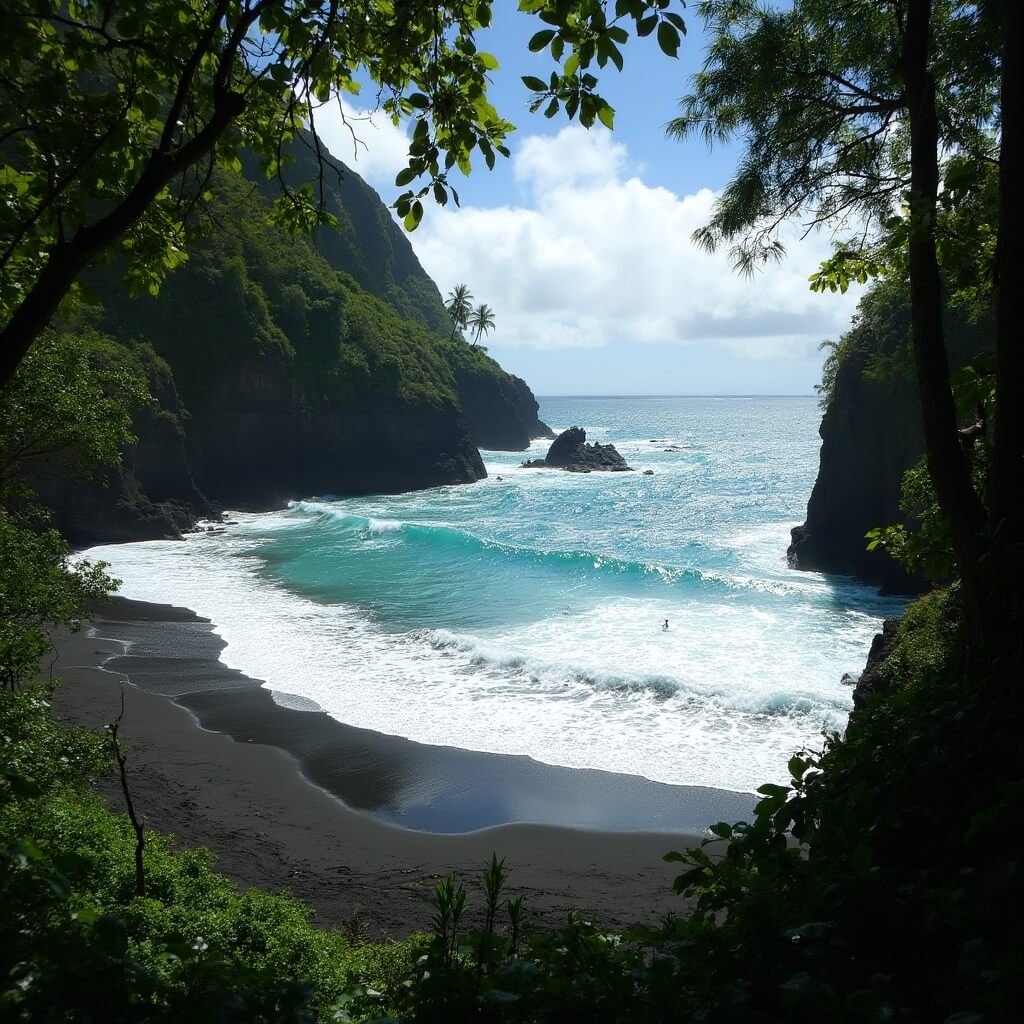
If you’ve got more time and slightly better knees, you can push on another two miles to Hanakapi’ai Falls, making it roughly eight miles round trip from the trailhead. This section is deceptive — it follows a jungle path with stream crossings, exposed roots, and boulder scrambling, so it takes far longer than the mileage suggests. Budget a full day for this one, not a leisurely morning.
For anyone with limited time on Kauai, moderate fitness, or simply no interest in carrying a multi-day pack over exposed cliffs, the day hike is genuinely satisfying. You still get the classic Nāpali views and the jungle-and-waterfall combination that makes this coast famous. I’d never tell someone they’re missing “the real trail” by stopping at Hanakapi’ai — plenty of the most photogenic scenery is right there in the first two miles.
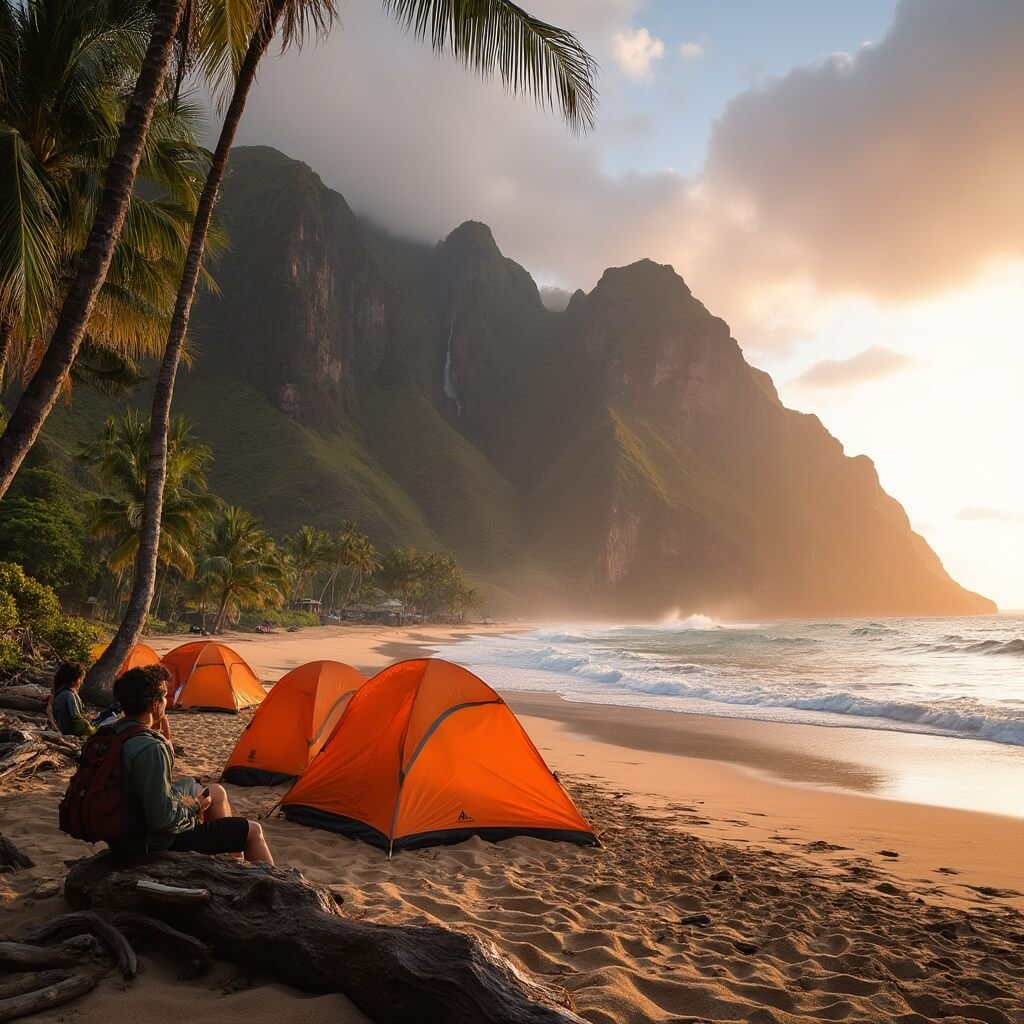
The full backpacking trip to Kalalau Beach is a different proposition entirely. The standard itinerary is three days and two nights: hike from Keʻe to Hanakoa on day one (about six miles), continue from Hanakoa to Kalalau Beach on day two (roughly five more miles), then hike the full 11 miles back out on day three. Some very fit, very experienced hikers compress this into two days, but I wouldn’t recommend it as your first attempt — you’re trading a lot of enjoyment for bragging rights. If you can swing it, staying multiple nights at Kalalau Beach itself is the better move; it lets you actually explore the valley’s side trails and enjoy the beach without the fatigue of back-to-back big mileage days hanging over you.
Weighing the two options really comes down to your fitness, your comfort with rough and exposed terrain, and — increasingly — whether you can actually secure the permits for your preferred dates. Which brings me to the part that trips up more people than the trail itself does.
Permits and Reservations: The Part Everyone Gets Wrong
Here’s where I need to be blunt, because there’s a lot of outdated or just plain wrong information floating around online. A Kalalau camping permit is required to hike beyond Hanakapi’ai Beach at mile two — even if you have zero intention of camping and plan to turn around the same day. I’ve seen reviews and old forum posts claiming otherwise, insisting that day hikers can push further without a permit as long as they don’t pitch a tent. That advice is out of date, and it will get you turned around by a ranger or, worse, fined.
The Hawaii Division of State Parks (DLNR) is the authority here, and their current rules are clear: beyond mile two, you need a Kalalau permit, full stop. Permits are also required specifically for camping at Hanakoa, around mile six, and at Kalalau Beach itself at mile eleven. On top of the camping permit, you now need a day-use reservation and a parking reservation just to access the trailhead through Hāʻena State Park at all — this applies to day hikers heading only as far as Hanakapi’ai, not just backpackers. Visitor numbers are capped daily, partly to protect the trail and valley ecosystem, partly because the parking situation at Keʻe Beach is genuinely tiny.
One more thing worth flagging clearly: if you don’t hold a camping permit for Kalalau Valley, you’re not permitted to attempt the full 22-mile round trip in a single day. That “hike it in a day” bragging-rights route some fitness influencers post about technically requires the same permit as an overnight stay.
Everything — camping permits, day-use reservations, parking — goes through the DLNR’s online reservation system. Book early. Peak season dates sell out well in advance, and I made the mistake once of trying to book a Kalalau permit ten days before a trip in July, only to find every date gone for the following month. Give yourself weeks, not days, especially if you’ve got fixed flight dates already booked.
For more adventure travel ideas, check out our articles on Photograph the Wave in Arizona (Permit Required) and Zipline Through the Mountains in North Carolina.
👇Find The Cheapest Flights To Anywhere Here👇
Permits and Regulations
A few practical notes on the permits themselves: camping is only allowed at the designated areas at Hanakoa and at Kalalau Beach. You can’t just find a nice flat spot along the ridge and pitch a tent there, tempting as that might look after six miles of climbing. There are also limits on group size, and rangers do check — I was asked for my permit twice on my last trip, once near Hanakoa and once on the beach itself, so don’t assume you can wing it and hope nobody notices. Trash, noise, and off-trail wandering are all things the rangers care about, and rightly so, because this valley gets hammered by visitor traffic already. Unauthorized camping or pushing past your permitted zone can get you fined, and in the worst cases, escorted out. It’s not worth the risk for a trail this fragile.
Save this article
Enter your email and we'll send it straight to your inbox.
When to Go
Kauai doesn’t really have a “bad” season in the way some destinations do, but the Kalalau Trail absolutely has better and worse windows. Roughly May through October counts as the dry season, and conditions on the trail are noticeably more stable — less mud, calmer stream crossings, fewer surprises. November through April is wetter, and that’s when the trail turns genuinely hazardous in places. Stream crossings that are ankle-deep in July can become impassable, fast-moving hazards after a heavy November rain, and flash flooding is a real risk, not a theoretical one mentioned to scare tourists.
The trail is technically open year-round, but it does close temporarily after storms or landslides, and those closures aren’t always predictable weeks in advance. I’d check current conditions close to your trip dates regardless of season, because Kauai’s weather has a way of ignoring the calendar.
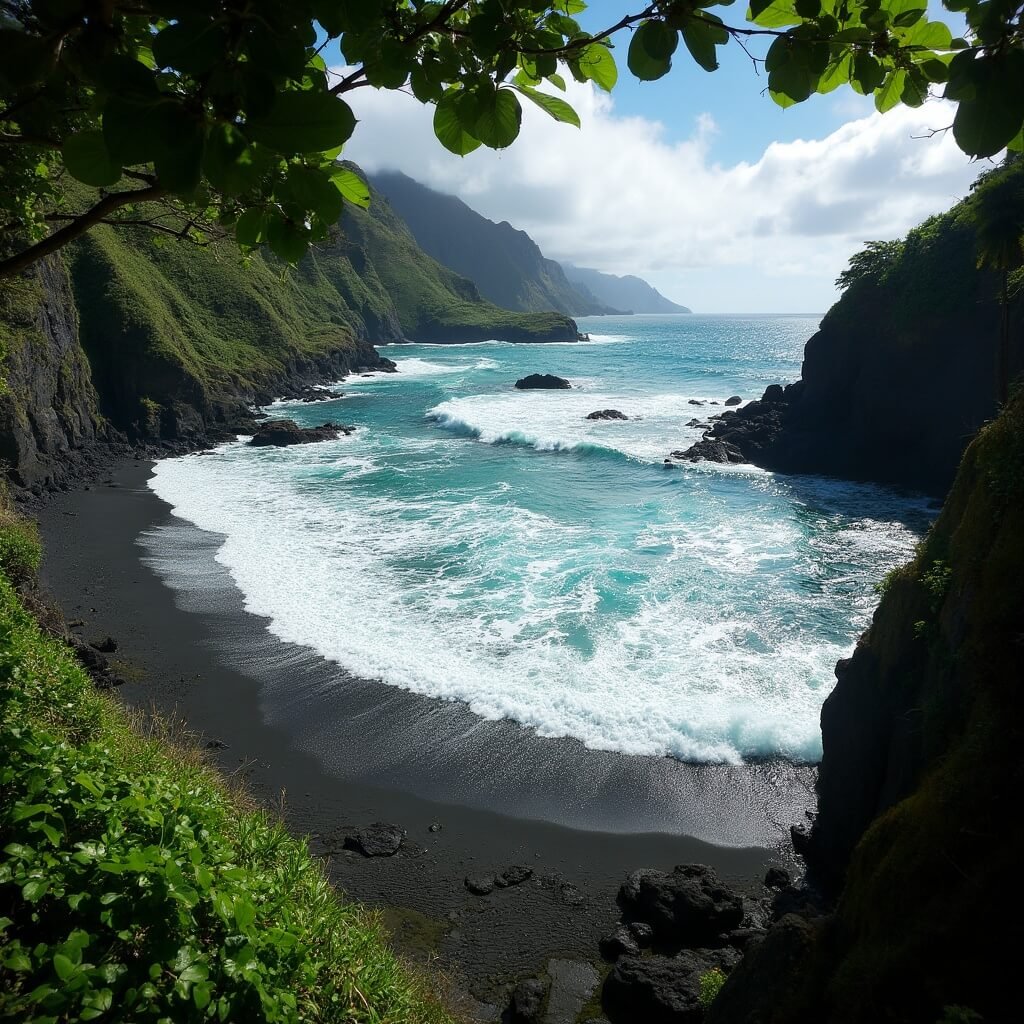
Even in the “dry” months, expect humidity, strong sun, and the occasional passing shower that rolls in from nowhere and vanishes twenty minutes later. Mud is a near-constant companion on parts of this trail no matter when you go, and on the exposed cliffside sections — of which there are a few genuinely nerve-testing ones — wind and rain can turn a merely tricky path into something you want to take very slowly, one foot at a time, hand occasionally braced against the rock.
If you’re chasing the best weather odds, summer is your target, but be aware everyone else has the same idea, so permits are more competitive and the first two miles can feel more crowded than you’d expect from a wilderness trail. Shoulder season — say, April or October — can be a reasonable compromise, trading a bit of weather uncertainty for better permit availability and a quieter trail. Whatever season you land in, start early. I mean properly early, sunrise-early. It buys you daylight margin if a stream crossing takes longer than expected, and it means you’re not doing the exposed cliff sections during the hottest, most glaring part of the day.
Walking the Route, Mile by Mile
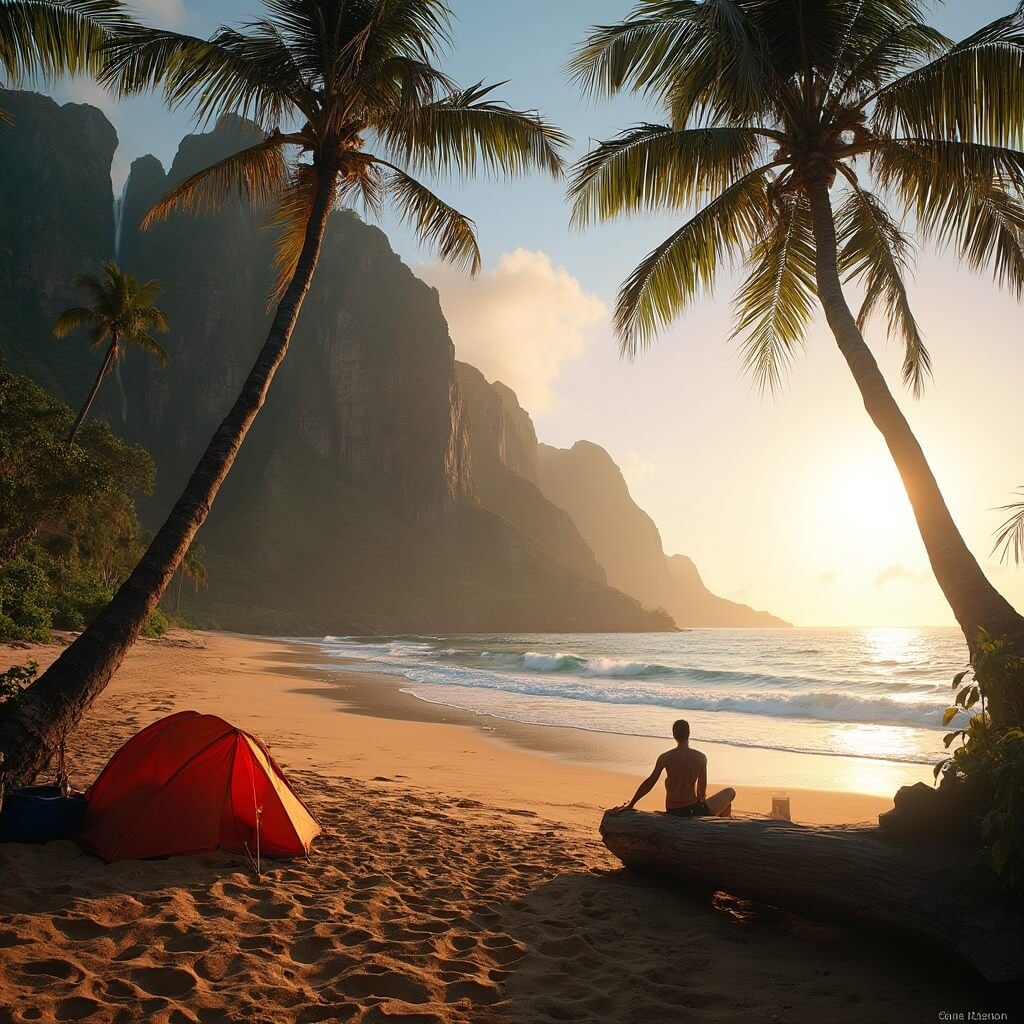
The trail begins at Keʻe Beach, right at the end of Highway 560, and from the first steps you’ll know this isn’t a warm-up. Steep steps and switchbacks climb through jungle, the ground alternating between slick rock and mud depending on recent rain, and within the first mile you already get those postcard views back toward the cliffs and ocean that make everyone reach for their phone. Watch your footing rather than the view, though — this section sees heavy foot traffic, and the rock underfoot has been polished smooth by thousands of boots.
Two miles in, you hit Hanakapi’ai Beach. If you’re continuing to the falls, the character of the trail changes completely — it becomes a jungle path proper, criss-crossed with streams, tree roots, and boulders you’ll need to scramble over. It’s slow going, slower than the map distance implies, and the falls themselves are worth the effort: a genuinely tall cascade dropping into a pool at the base. People do swim there, but I’d treat that pool with real caution — the rocks around it are slippery, the water’s cold, and flash floods can arrive with almost no warning if there’s been rain upstream, even rain you didn’t feel yourself.
Push on from Hanakapi’ai toward Hanakoa, roughly miles two through six, and the trail settles into a rhythm of climbing out of one valley only to drop straight into the next. It’s relentless in a way that’s hard to convey until you’re in it — you crest a ridge expecting a flat stretch and instead find another descent waiting. By the time you reach Hanakoa, a small forested camp around mile six with a stream running nearby, most people are ready to stop for the night. Facilities are basic — don’t expect much beyond a clearing and reasonably reliable water — but after that stretch, basic feels perfectly fine.
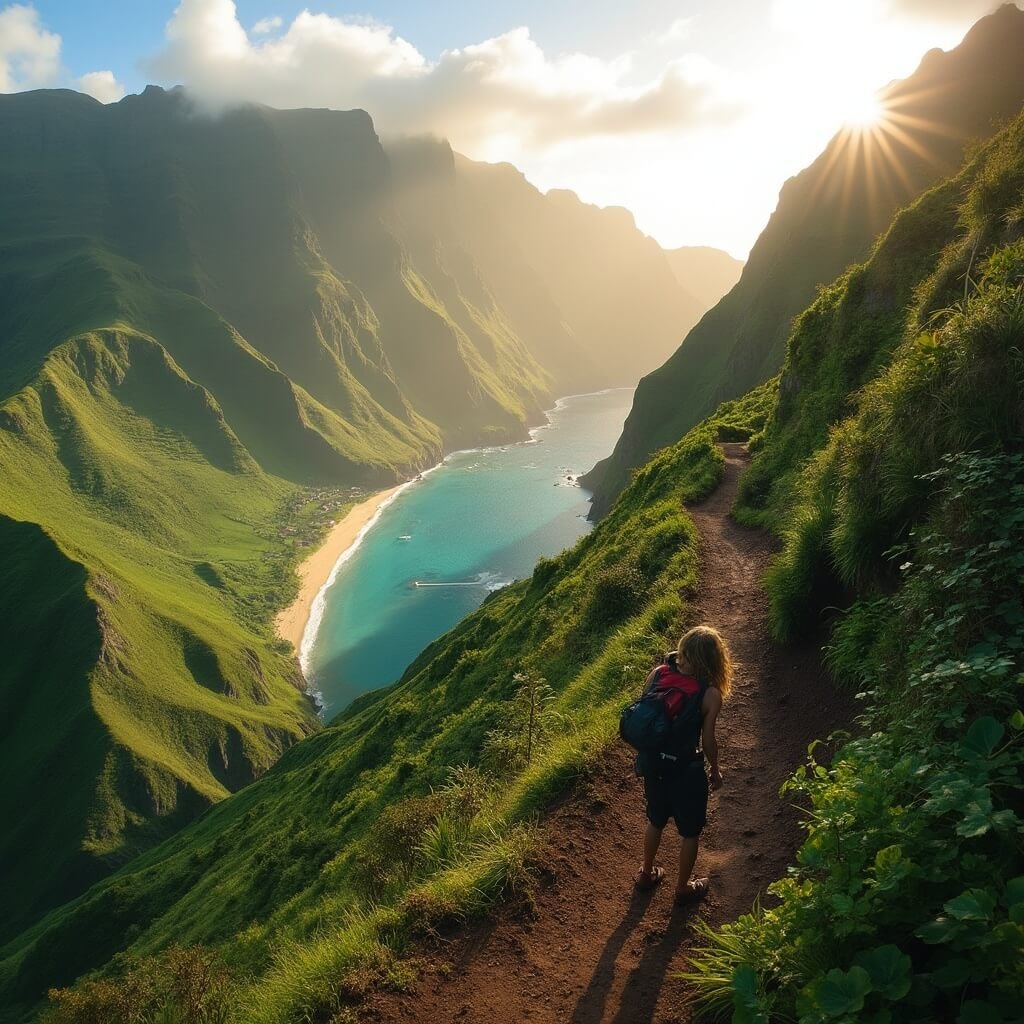
The section from Hanakoa to Kalalau, miles six through eleven, is where the trail earns its reputation. Some of the most exposed cliffside traverses on the whole route are here, narrow paths with a long drop on one side and not much room for error, especially if it’s windy or wet. It’s also where the views become almost absurd — the kind of dramatic sea cliffs and empty coastline that make you understand why people fly across an ocean for this specific hike. Take your time here. There’s no prize for rushing the scary bits.
And then, finally, Kalalau Beach itself: a mile-long stretch of sand backed by towering cliffs, about as removed from ordinary life as you can get without a boat or a helicopter.
If you take one thing from all this, let it be that the Kalalau Trail rewards preparation and punishes complacency in roughly equal measure. Book your permits absurdly early, respect the weather even when it looks fine at the trailhead, and don’t be too proud to turn back at Hanakapi’ai if conditions or your gut tell you to. Do it right and it’s the best hike you’ll ever do in Hawaii — maybe anywhere.
Planning a Permit-Required Hike? See How The Wave in Arizona Compares
Craving More Adventure? Zipline Through the Mountains in North Carolina
Explore Another Bucket-List Hike: The Slot Canyons of Grand Staircase-Escalante
Combine Your Trip With Wildlife Viewing at Custer State Park
Another Epic Trail Awaits: Climb the Dunes at Sleeping Bear Dunes
For additional information, visit the Complete Kalalau Trail Hiking Guide: Permits, Tips, and What to Expect.
👇Ready To Book Your Trip?👇
This post may contain affiliate links. Please see my disclosure policy for details.
Want to keep this one?
We'll email you the link so you can find it again later.