
Touring the San Antonio missions is easier than most guidebooks make it sound, and I say that as someone who overcomplicated my first visit with a printed itinerary and far too much bottled water. If you’re wondering whether you need a tour company, a full day, or just a decent pair of shoes, the honest answer depends on what kind of traveller you are — but I’ll walk you through the options so you can decide for yourself.
What the San Antonio Missions Actually Are
The missions are a UNESCO World Heritage Site, which sounds grander than it feels when you’re standing in front of a modest stone church with a few pigeons for company. That’s part of the charm, actually. The designation recognises Mission Concepción, Mission San José, Mission San Juan, and Mission Espada as a connected cultural landscape — evidence of how Spanish colonial life, Indigenous communities, and later Western settlement all layered on top of each other here through the 18th century. Nowhere else in the US, as far as I know, tells that particular blended story quite so completely.
When people say “touring the missions,” they usually mean the San Antonio Missions National Historical Park, which covers those same four sites strung along the San Antonio River, roughly three to eight miles south of downtown. There’s a fifth mission — Mission San Antonio de Valero, better known as the Alamo — but it’s managed separately by the Texas General Land Office rather than the National Park Service. It still connects to the others through the city’s Mission Trails system, so most visitors end up treating all five as one loose itinerary even though only four carry the official park designation.
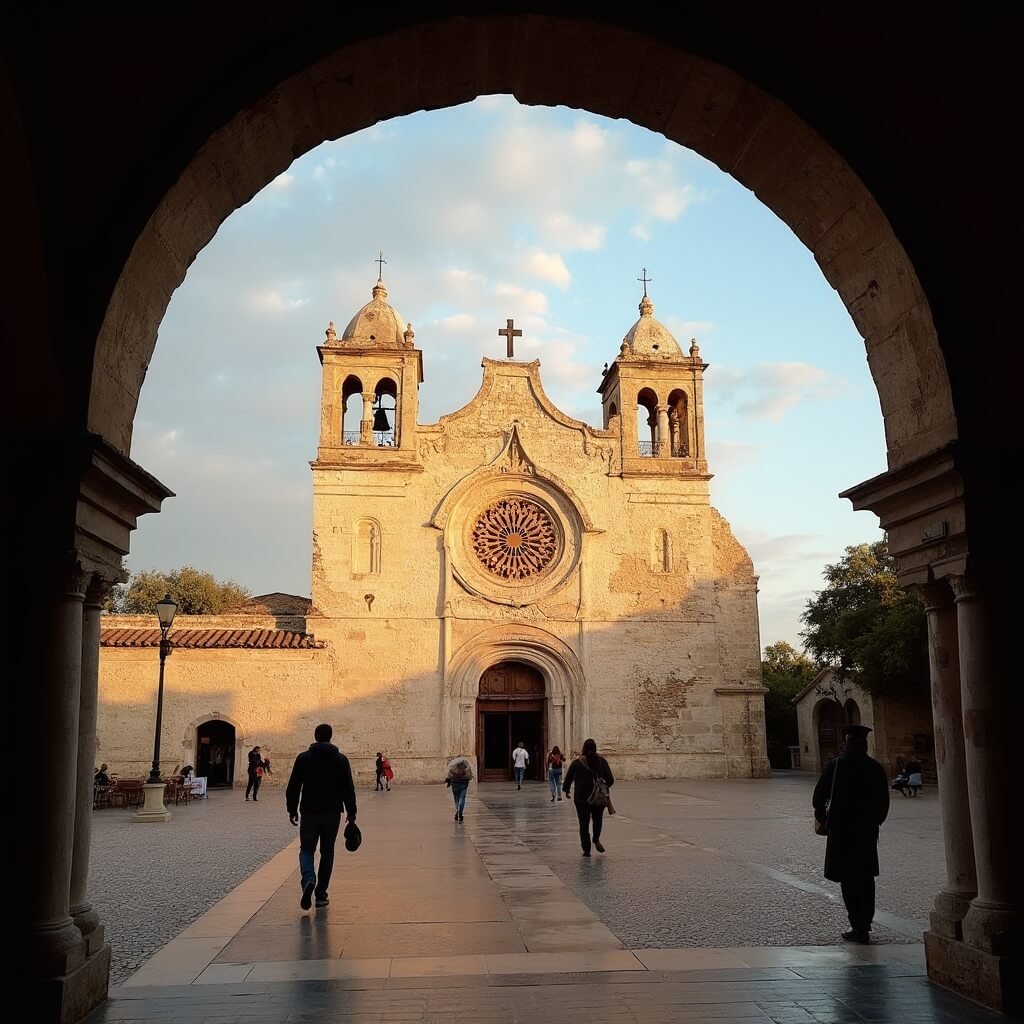
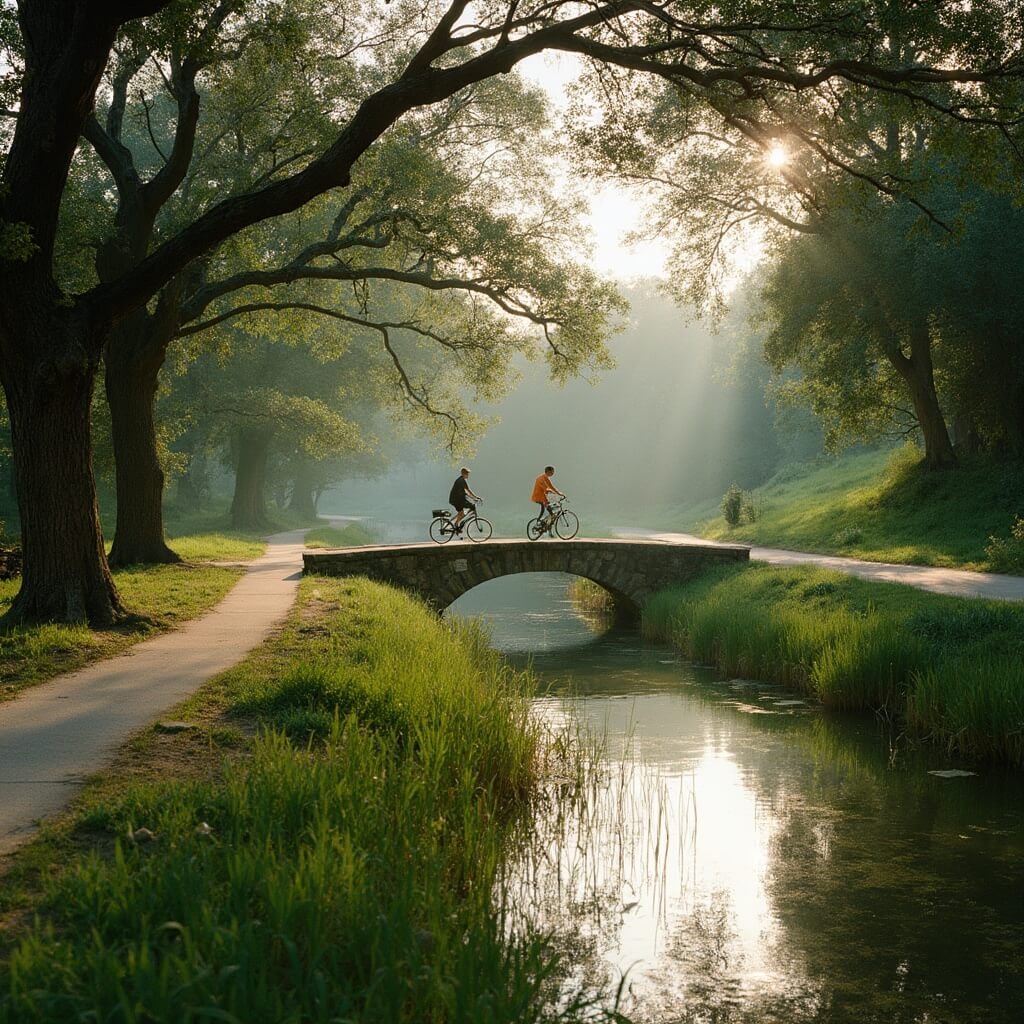
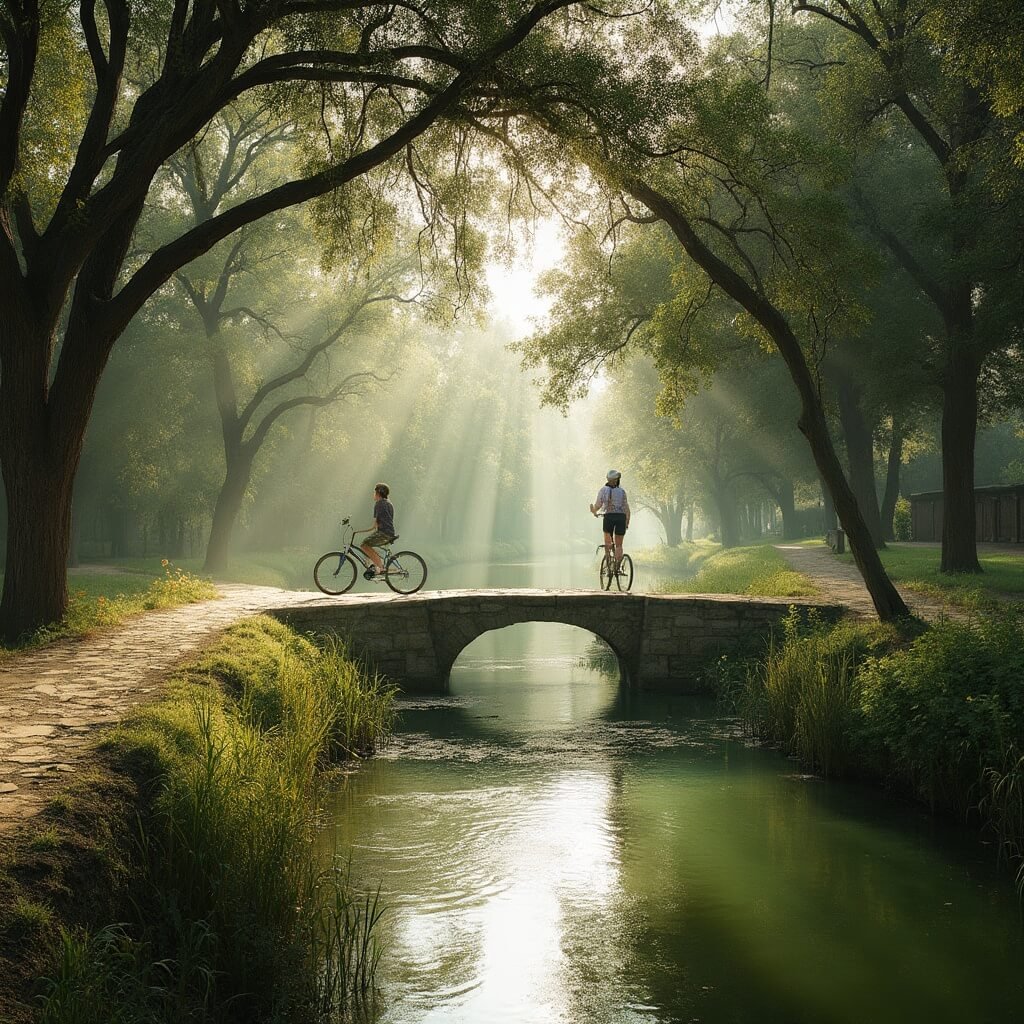
What ties the whole experience together physically is Mission Reach, an eight-mile stretch of the River Walk extended south specifically to link the four southern missions. Paved paths, small bridges, shaded pavilions — it’s genuinely pleasant, and cyclists use it as much as history buffs do. Layered on top of that is the Mission Trails route, a signed city trail that starts at the Alamo downtown and heads south through Concepción, San José, San Juan, and finally Espada. Between the two systems, you can mix walking, cycling, and driving without ever feeling like you’re improvising.
The appeal, beyond the history itself, is that you’re not just reading plaques. You’ll see working parish churches — people still attend Mass at some of these — alongside archaeological remains and genuinely clever colonial-era water engineering, like the acequias and the Espada Aqueduct, which still functions after nearly three centuries. It’s history you can touch, mostly for free, with a decent river walk thrown in.
Where to Start and What It Costs
Start at Mission San José. It’s nicknamed the “Queen of the Missions” for good reason — it’s the largest of the four, and its visitor centre functions as the de facto hub for the entire park. I’d go here first even if you’re planning to see the others in a different order, because the orientation film, Gente de Razón, runs hourly between 10 a.m. and 4 p.m. in both English and Spanish, and it gives useful context you won’t get from wandering in cold. The visitor centre also stocks trail maps and has rangers on hand who are, in my experience, unfailingly patient with vague questions like “so which one’s the pretty one?”
Here’s the good news on logistics: the park is open daily from 9 a.m. to 5 p.m., the outdoor mission grounds themselves are accessible from sunrise to sunset, and everything is closed only on Thanksgiving, Christmas, and New Year’s Day. Better still, admission is completely free — to all four missions, and to every ranger-led programme going. No tickets, no booking fees, no surprise “heritage site maintenance charge” tacked onto anything. For a UNESCO site this well looked after, that still catches me off guard slightly.
How Long You’ll Actually Need
This depends entirely on your appetite for detail, but as a rough guide:
- One mission on its own: 1–2 hours, enough to see the church, grounds, and exhibits without rushing.
- Two missions: 2–3 hours, comfortable if they’re reasonably close together.
- All four: 4–6 hours, or a full relaxed day if you’re cycling the Mission Reach trail between them and stopping often.
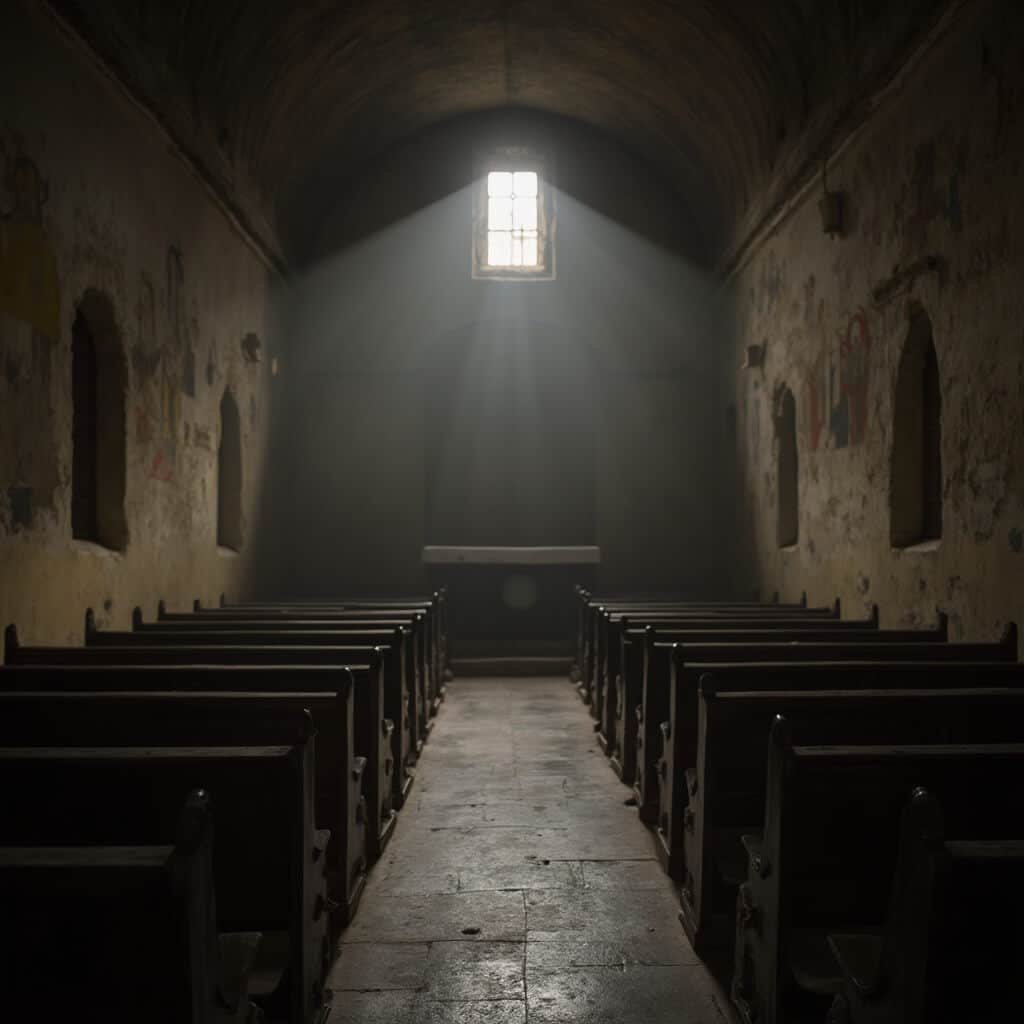
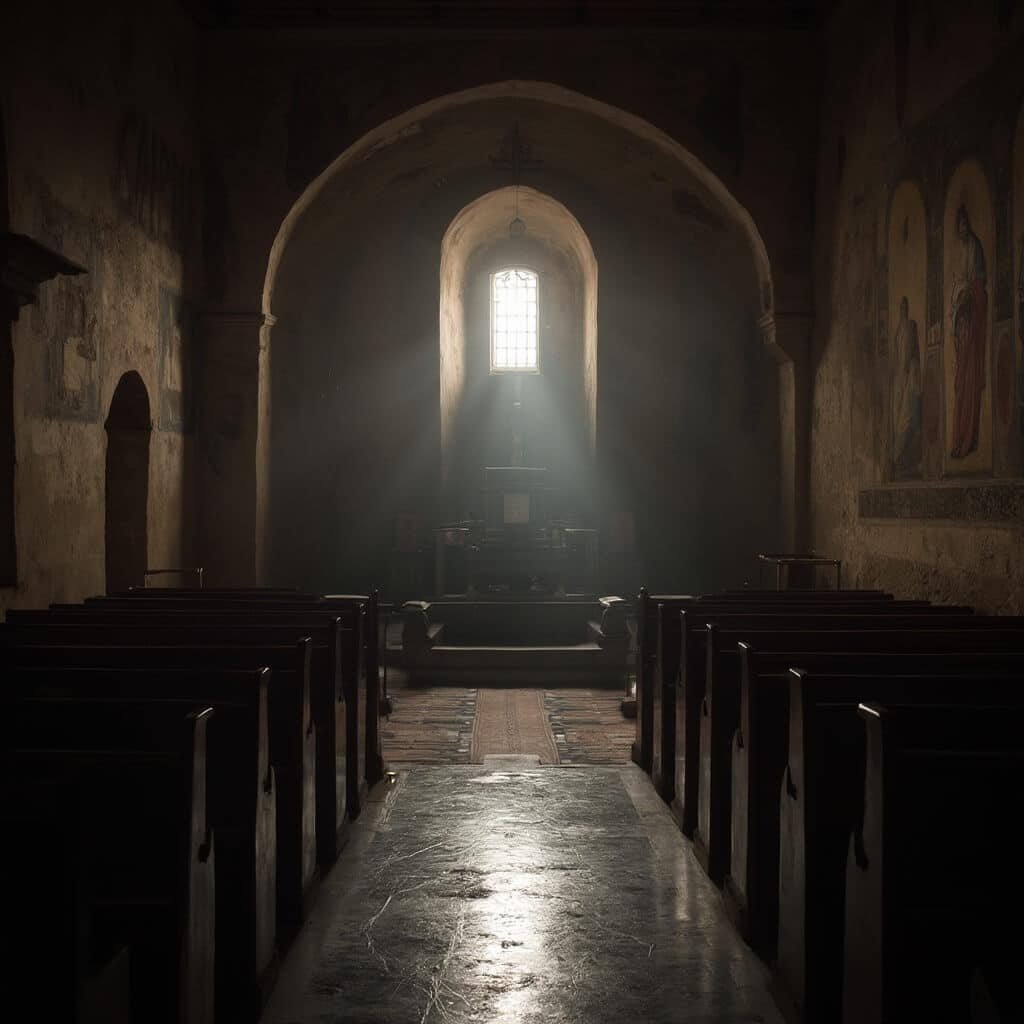
I did all four in one go starting at 10 a.m., and by 1:30 p.m. I was sitting outside Espada eating a slightly squashed sandwich, which lines up with what I’ve seen other visitors report too. It’s doable in a morning if you keep moving, though I wouldn’t recommend rushing Concepción — the frescoes there, faded as they are, deserve a slower look than I gave them on that first visit.
Getting There and Between Them
You’ve got three realistic ways to move around: driving, cycling the Mission Reach trail, or a combination of short drives and walking. The missions are well signposted along the river corridor, so a car or rideshare gets you there without drama. Concepción sits closest to downtown, making it the natural first or last stop depending on your route, while Espada anchors the southern end near the trail’s terminus. If you want to fold the Alamo into the day, the Mission Trails signage starts there and heads south in sequence — Concepción, San José, San Juan, Espada — so you’re never guessing which way to go next.
For accessibility, it’s better catered for than I expected going in. Much of the walking route at Mission San José is paved and manages wheelchairs and strollers without issue, and the ranger-led tours are explicitly designed to be wheelchair-accessible. The visitor centre has accessible restrooms too, which matters more than it sounds when you’re four hours and three missions into a hot Texas afternoon.
One thing worth flagging before you plan your date: ranger-led tours at Mission San José run daily at 10 a.m. and 11 a.m., weather permitting, each lasting about 45 minutes — but they’re not offered on the first Wednesday of the month. I found this out the inconvenient way, turning up on exactly that Wednesday with nothing but the self-guided brochure for company. It wasn’t a disaster, but it did mean less context than I’d hoped for. Separately, if you’re keen on Rancho de las Cabras — Mission Espada’s historic ranch site, roughly 30 miles from the main cluster — tours only run October through March, and you’ll need a reservation, since it’s otherwise closed to the public.
Save this article
Enter your email and we'll send it straight to your inbox.
Related Links
For more cultural explorations, consider taking a moment to explore the National Cowboy & Western Heritage Museum and perhaps find some inspiration to bring vintage western decor inspiration home.
👇Find The Cheapest Flights To Anywhere Here👇
Choosing How You Actually Want to See Them
There isn’t one correct way to tour the missions, and I’d be suspicious of anyone who insists otherwise. What matters is matching the format to how you like to travel.
Going it Alone
Going it alone is the option I keep coming back to, mostly because I like setting my own pace and I’m bad at group tours where someone always wants to read every single plaque aloud. Each of the four missions has brochures available on-site, and self-guided audio tours cover all of them if you want narration without a human attached to it. If you’re combining this with Mission Reach, you can walk or cycle the full eight miles and hit the missions in sequence, stopping for as long as you like at whichever one grabs you — for me that was San José, though Espada’s chapel has a stillness to it that’s hard to explain until you’ve sat in it for ten minutes doing nothing. The obvious downside is that you miss out on the layered historical detail a ranger provides, and you do need to do a bit of your own route planning rather than just following someone else’s flag.
Ranger-Led Programmes
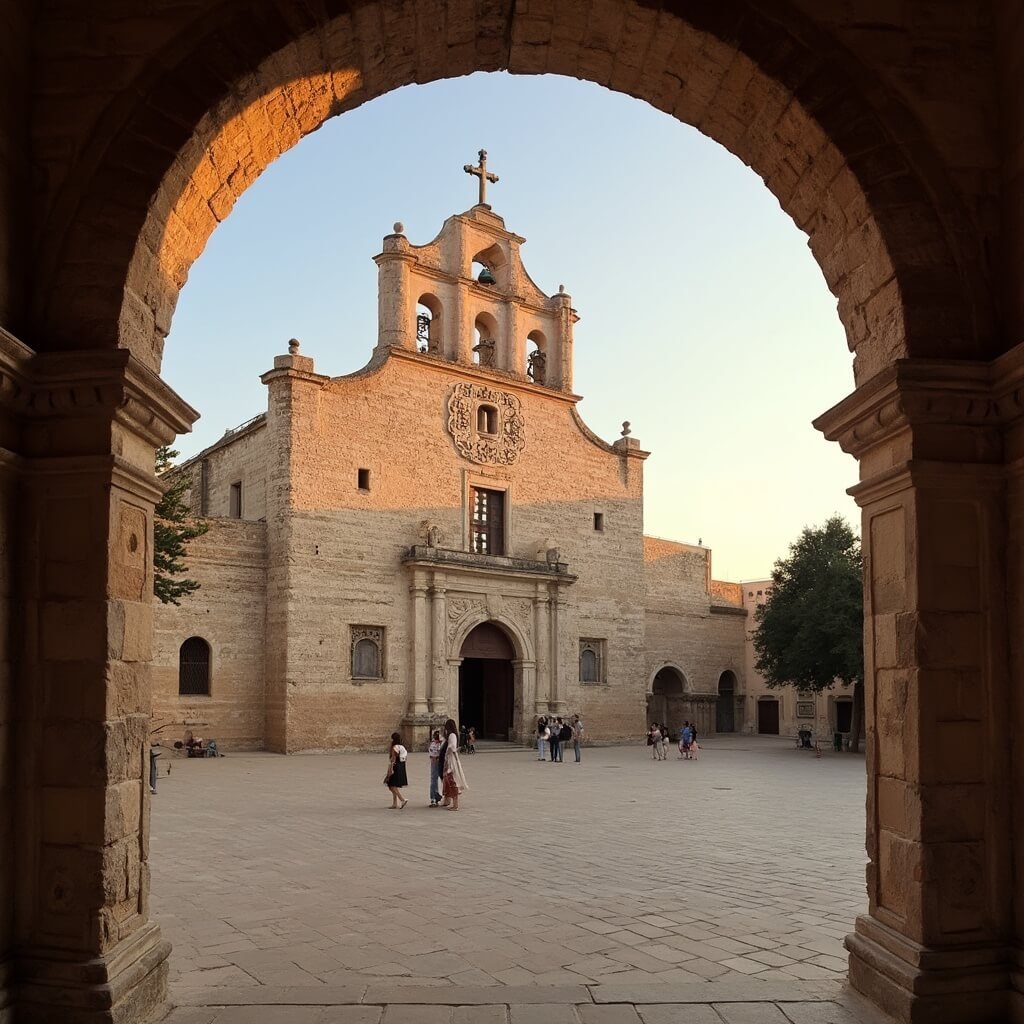
Ranger-led programmes are the middle ground, and honestly the option I’d recommend to most first-time visitors. They’re run by the National Park Service, they’re free, and the rangers know an uncomfortable amount about eighteenth-century irrigation systems, which somehow makes it interesting rather than dry. Mission San José offers guided walks at 10 a.m. and 11 a.m. daily, starting from the visitor centre patio and running around 45 minutes to an hour, with groups capped at 50 people on a first-come basis — get there a few minutes early if you can, since it does fill up on weekends. Afternoon ranger talks add more thematic depth if you’re sticking around. The other missions run their own single daily sessions: Concepción and San Juan both at 10 a.m., Espada at 3 p.m., all weather permitting. If Rancho de las Cabras interests you, that’s a separate booking altogether, and worth the effort if your visit falls between October and March — it’s a quieter, more rural side of mission life that most tourists never see. The trade-off here is obvious: you’re working around the Park Service’s clock, not yours, and that first-Wednesday closure catches people out more often than you’d think.
Commercial Guided Tours
Commercial guided tours are the option for people who’d rather not think about logistics at all. Most run around three and a half hours, cover all four missions, and include hotel pickup and drop-off, which is genuinely useful if you’re not renting a car. Some operators bolt on extras — La Villita’s arts village, Alamo Plaza, the Espada Aqueduct — while others build a broader city day combining the missions with the King William Historic District, San Fernando Cathedral, and Historic Market Square. Private trolley tours exist too, for groups wanting something more customisable. The convenience is real, especially if you’re short on time or travelling with people who’d rather not walk eight miles in July. But you’re paying for something that’s otherwise free, and time at each stop tends to be tight — I’ve heard of itineraries giving as little as 25 minutes at a mission, which is barely enough to get your bearings, let alone sit with the place for a while.
The Alamo’s Odd Position in All This
Worth clearing up, because it trips people up constantly: the Alamo — Mission San Antonio de Valero — is the fifth and northernmost of the original missions, and it’s not part of the National Historical Park at all. It’s managed separately, sits downtown rather than along the southern river corridor, and is far better known for the 1836 battle than for its mission-era history, which gets a bit buried under all that. Functionally, though, it serves as the starting point of the Mission Trails route, so if you’re doing the full sweep — Alamo, then south to Concepción, San José, San Juan, and Espada — this is where your day logically begins, even though you’ll be handling separate hours, separate management, and a very different atmosphere once you arrive. It’s free to visit, always busy, and worth an hour on its own before you head south into the quieter, more contemplative pace of the other four.
My honest advice, for what it’s worth: skip the tour company unless you’re pressed for time or without a car, start at Mission San José for the orientation film, and give yourself a full day rather than a rushed morning. The missions reward slowness in a way that’s easy to miss if you’re ticking them off a list — and once you’ve stood inside Espada’s chapel with nobody else around, you’ll understand why touring the missions in San Antonio is one of the few free things in this country that actually lives up to the fuss made about it.
For further details on planning your visit, check out A Complete Trip Guide to the San Antonio Missions.
👇Ready To Book Your Trip?👇
This post may contain affiliate links. Please see my disclosure policy for details.
Want to keep this one?
We'll email you the link so you can find it again later.