
If you’re wondering whether this museum is worth carving out an afternoon for during a trip to Oklahoma City, the short answer is yes — but let me explain why, because “cowboy museum” undersells what’s actually here. I went in expecting rope tricks and taxidermy. I left having spent nearly four hours wandering through some genuinely serious art collections, a full-scale recreated frontier town, and an exhibit that made me rethink what “cowboy” even means as a cultural identity.
This is officially America’s premier institution dedicated to Western history, art, and culture, and it doesn’t take long to see why. It’s not a roadside curiosity or a niche stop for rodeo enthusiasts. It’s a proper museum with the scale and ambition to match — collecting, preserving, and interpreting the history of the American West for audiences who might know nothing more about cowboy culture than what they’ve seen in old films.

A Quick History of the Museum
Most locals still call it “The Cowboy,” a nickname that’s stuck around from its earlier identity as the Cowboy Hall of Fame. The museum was established in 1955 and didn’t actually open its doors to the public until 1965 — a decade of planning and collecting before anyone could walk through. The name change to National Cowboy & Western Heritage Museum came in 2000, a rebrand that reflected a broader mission than just honouring rodeo champions and Hollywood cowboys.
What strikes me most is the scale it’s grown into. We’re talking somewhere between 200,000 and 220,000 square feet of exhibition and program space, housing roughly 35,000 Western and Native American artworks and artifacts. That’s not a modest regional collection. Add in extensive archives of rodeo photographs, saddlery, barbed wire, and trophies, and you start to understand why more than 10 million visitors have come through since it opened. It’s genuinely one of the most significant institutions of its kind in the country, not just in Oklahoma.
Where It’s Located and How to Get There
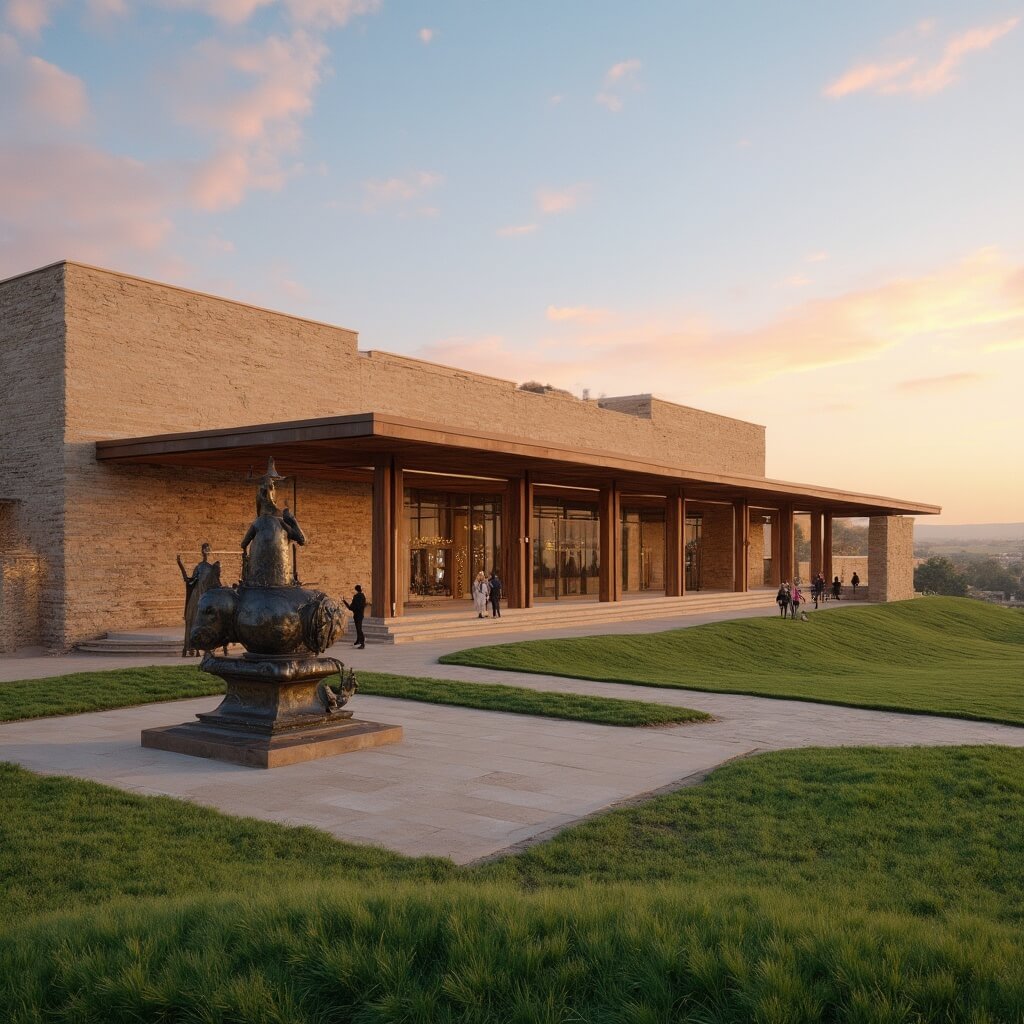
The museum sits at 1700 NE 63rd St, up on Persimmon Hill, which sounds like a minor detail until you’re actually standing there looking out over a proper Western panorama north of the city. It’s a nice spot, and it’s clearly been chosen with some intention rather than just convenience.
Getting there is straightforward. It’s along Interstate 44, tucked into Oklahoma City’s Adventure District, and it’s about a fifteen-minute drive from downtown — close enough that you won’t lose half your day just travelling. If you don’t have a car, the local bus network reaches it too, though I’d budget extra time if you’re relying on public transport, since museum visits with kids in tow rarely run to schedule anyway.
Planning Your Visit: Hours, Tickets, and Costs
Here’s where I’d pay close attention, because pricing and hours have shifted over the years and older reviews online can lead you astray.
Current hours run as follows:
- Monday–Thursday: 10:00 a.m. to 5:00 p.m.
- Friday–Saturday: 10:00 a.m. to 8:00 p.m., though outdoor areas close at 5:00 p.m.
- Sunday: Noon to 5:00 p.m.
The museum closes for Thanksgiving, Christmas Eve, Christmas Day, and New Year’s Day. I’d double-check before travelling around those dates regardless — I’ve turned up to closed venues before assuming standard opening hours applied, and it’s an annoying way to lose a morning.
On admission: adults pay $25, seniors and military get in for $20, and students or children aged 6–17 pay $15. Kids five and under are free, which is generous by most museum standards. If you want to add “The Cowboy: An Immersive Journey” — the big audiovisual experience I mentioned earlier — that bumps adult tickets to $45 and children’s tickets to $30. Showings start on the hour, so if you’ve booked one, structure your gallery-hopping around it rather than the other way round.
There’s also a combination ticket worth knowing about: $35 gets you into two nationally recognised museums roughly fifteen minutes apart, purchased at either ticket desk. If you’re the sort of traveller trying to pack maximum cultural value into a single Oklahoma City day, this is the better deal by a wide margin.
One thing worth flagging — I’ve seen older reviews quoting admission around $12 to $15, which tells you prices have moved substantially. Always check the museum’s own site before you go rather than trusting a five-year-old blog post, mine included, for exact figures.
Booking Ahead and Weather Contingencies
I’d recommend buying tickets in advance if you’re visiting on a weekend, during a holiday period, or as part of a group. It’s not essential on a quiet Tuesday morning, but it removes one variable from your day.
Oklahoma weather can turn quickly — I learned this the hard way one April afternoon when what started as a clear sky became a genuine thunderstorm warning within about forty minutes, forcing the outdoor areas to close early while I was still working through the Western town replica. If the museum has to close because of weather, guests with pre-purchased tickets get emailed options to rebook or claim a refund. If the museum stays open but you’d rather not risk the drive, Guest Services can help you rearrange things. It’s a sensible, low-stress system, and worth knowing about before you’re standing in a car park watching lightning.
Parking and Getting Around Once You’re There
Parking is free on-site, which covers regular cars as well as tour buses — useful if you’re organising a group visit or a school trip. Given how spread out the complex is, having your own transport genuinely helps, though the layout inside is manageable enough on foot once you’ve arrived.
Save this article
Enter your email and we'll send it straight to your inbox.
For more insights on creating your own Vintage Western Decor Ideas or discovering unique Cowboy-Themed Pool Designs, explore these guides.
👇Find The Cheapest Flights To Anywhere Here👇
What You’ll Actually See Inside
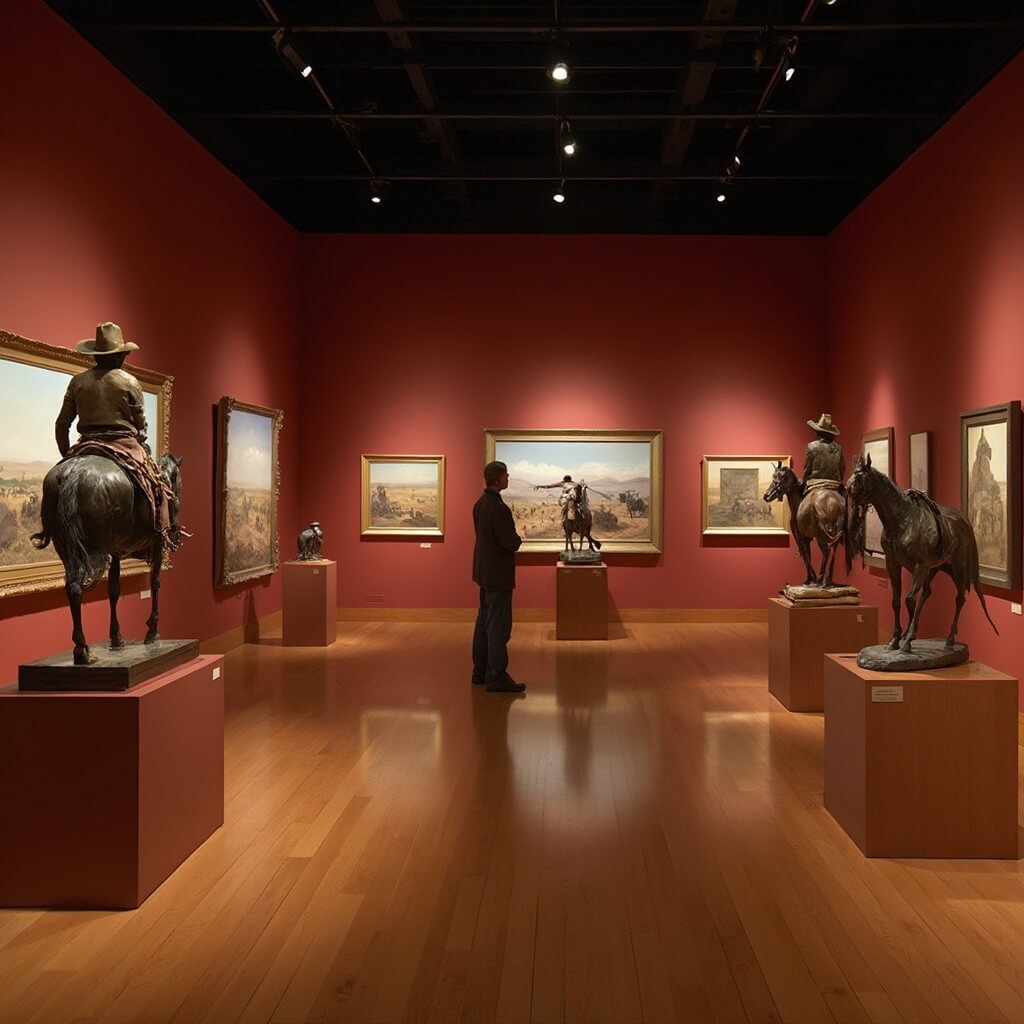
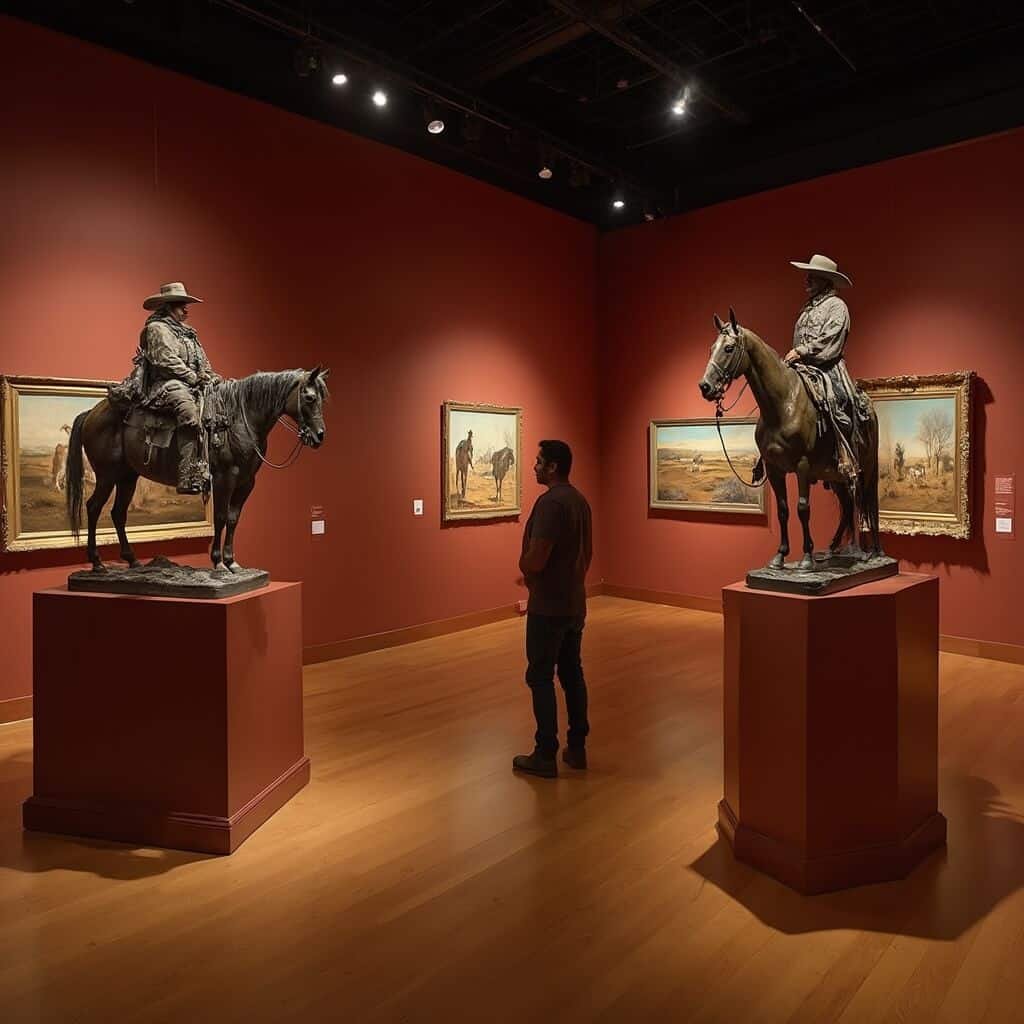
The galleries are where the museum earns its “premier institution” tag, and I’d say the Western and American Indian art collections are the strongest reason to visit even if you have zero interest in cowboys as a concept. The Western art gallery covers paintings and sculpture depicting ranching life, frontier landscapes, and everything in between, with enough range that you stop expecting every canvas to look the same. The American Indian art gallery sits alongside it, showcasing beadwork, textiles, and sculpture from a range of tribes and nations, and honestly, I spent longer in there than I’d planned to. It’s not a token side room — it’s presented with the same weight as the Western art collection, which felt like a deliberate curatorial choice rather than an afterthought.
Beyond the art, there are six separate galleries working through different slices of Western history — settlement, ranching, exploration, law enforcement — each one built from a mix of artifacts, photographs, and text panels that actually explain what you’re looking at rather than just labeling it. The rodeo material deserves a mention on its own, since the museum holds one of the largest collections of American rodeo photographs, saddlery, barbed wire, and trophies anywhere in the world. Worth noting, though: the American Rodeo Gallery itself is closed for renovation until Fall 2026, so if that’s your main draw, you’ll want to time your visit around the reopening or adjust your expectations accordingly.
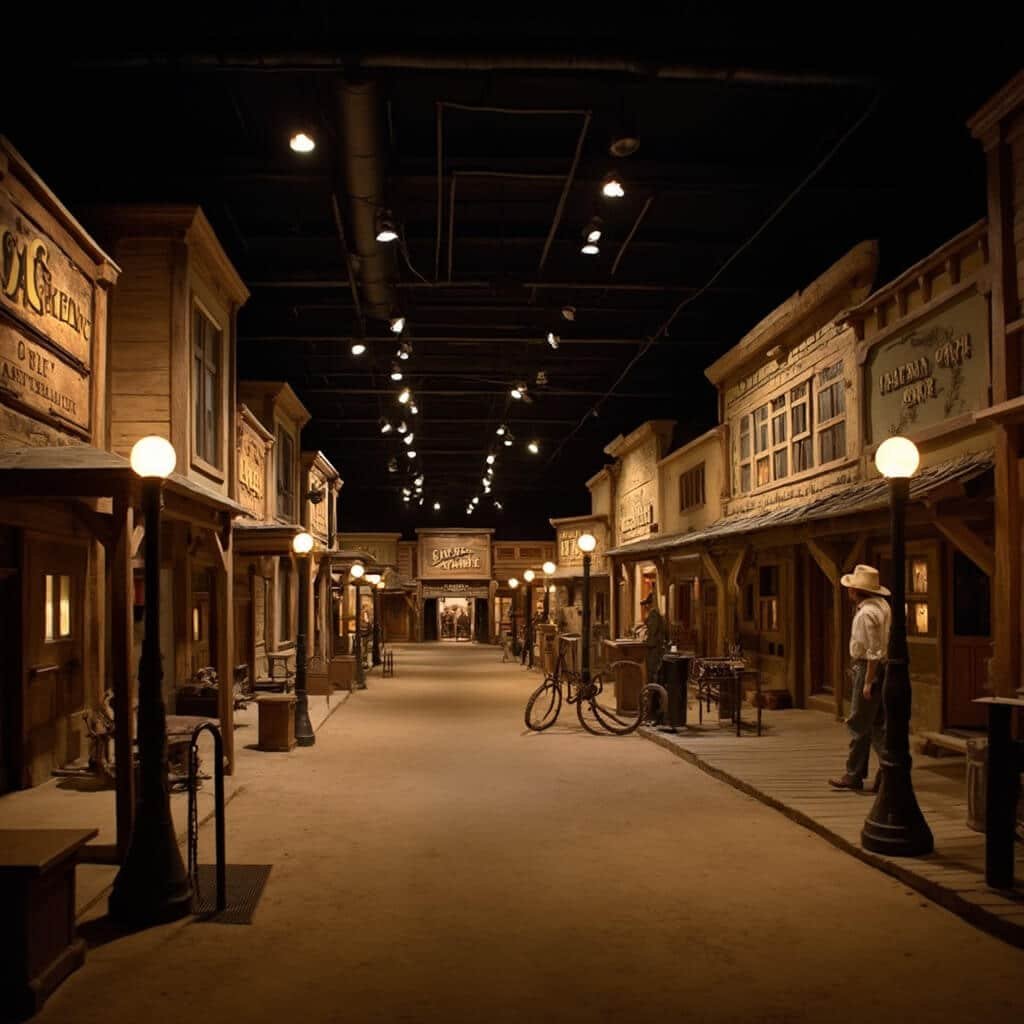
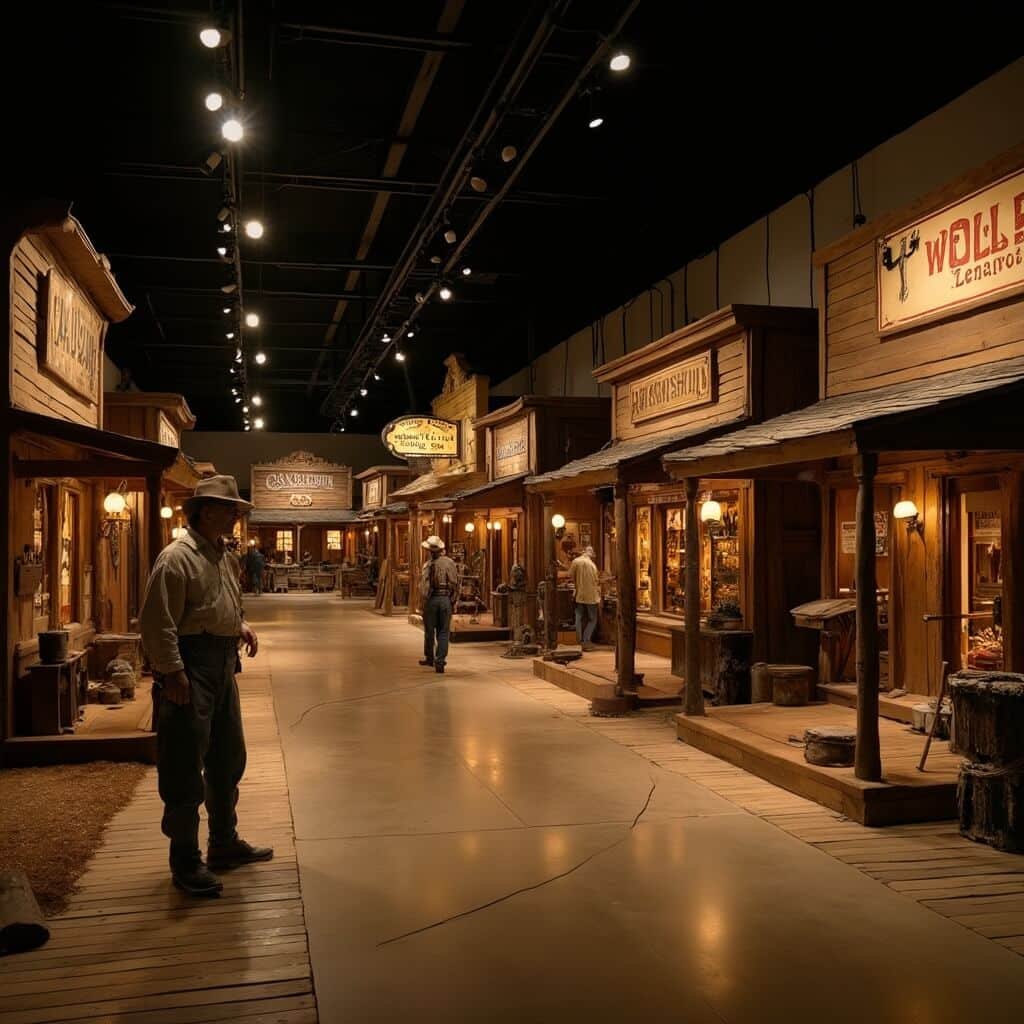
The recreated Western town is the bit that photographs best and probably lodges longest in memory. It’s a 13,000-square-foot replica of a turn-of-the-century frontier town, complete with storefronts and period interiors you can walk into rather than just peer at from behind a rope. It’s the kind of thing that sounds gimmicky on paper and then isn’t, once you’re actually inside a period-accurate general store working out what half the tools on the shelves were even for.
There’s also a 10,000-square-foot changing exhibition space, which is where the museum keeps things current. Right now that includes “The Cowboy: An Immersive Journey,” running through May 2027, and the Traditional Cowboy Arts Association Exhibition & Sale, which pairs working artisans — saddlemakers, silversmiths, leatherworkers — with collectors over a dedicated sale weekend. If your visit happens to coincide with one of these, it’s worth building extra time into your schedule.
The Immersive Journey Experience
This is the newest major addition and it’s genuinely worth the upgraded ticket. It’s not a screen bolted onto a wall in a side room — it’s a proper multimedia experience built to make you feel the history rather than just read about it. The framing throughout is that the cowboy is far more complicated and more diverse than the stereotype most of us grew up with, and the exhibit backs that up rather than just asserting it. Because entry is timed on the hour, I’d genuinely recommend booking your slot first and building the rest of your visit around it — turn up too late and you’ll be waiting fifty minutes for the next showing, which eats into time you could have spent elsewhere.
Something for Every Age
The children’s museum area within the complex is well thought out — tactile exhibits and games rather than a cordoned-off corner with a colouring table, and my nephew, who has the museum attention span of about eleven minutes, lasted well over half an hour in there without complaint. The whole site is fully accessible too, with ramps, lifts, and accessible restrooms throughout, plus benches scattered generously through the galleries, which matters more than people realise once you’ve been walking for three hours straight.
There’s a café inside for a mid-visit break, though I’d treat the hours and menu as variable rather than guaranteed, and a museum store stocked with books, prints, and Western-themed gifts if you want a souvenir that isn’t a fridge magnet.
Making a Day of It
Because the museum sits within Oklahoma City’s Adventure District, it’s easy to pair with other attractions nearby, and the $35 combination ticket makes that pairing genuinely cost-effective rather than just convenient. If you’ve only got a couple of hours, stick to the art galleries, the Western town, and whatever’s showing in the changing exhibition space. If you’ve got a full day, add the immersive experience, the outdoor exhibits, and the children’s museum, and break for lunch on-site rather than driving off-site and losing your parking spot.
My honest recommendation: budget more time than you think you need, book the immersive ticket in advance, and go on a weekday morning if your schedule allows it — the crowds are noticeably thinner and you won’t feel rushed through the American Indian art gallery, which deserves more than a passing glance. The National Cowboy & Western Heritage Museum isn’t a quick photo-op stop between other Oklahoma City errands; it’s a destination in its own right, and it rewards visitors who treat it that way.
Bring Western Heritage Home with Vintage Decor Ideas
Create Your Own Cowboy-Themed Backyard Oasis
See Wild Bison at Custer State Park
Zipline Through the Mountains in North Carolina
Photograph The Wave in Arizona (Permit Required)
👇Ready To Book Your Trip?👇
This post may contain affiliate links. Please see my disclosure policy for details.
Want to keep this one?
We'll email you the link so you can find it again later.