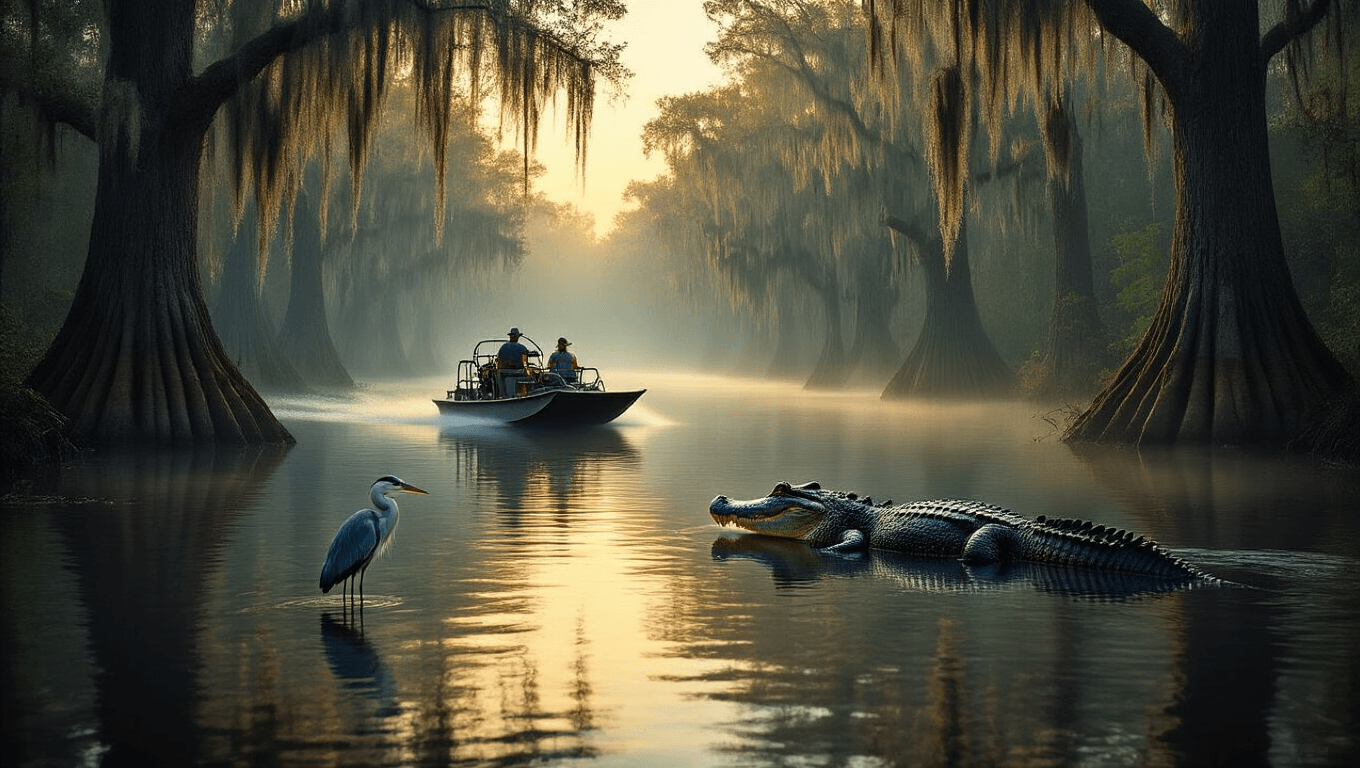
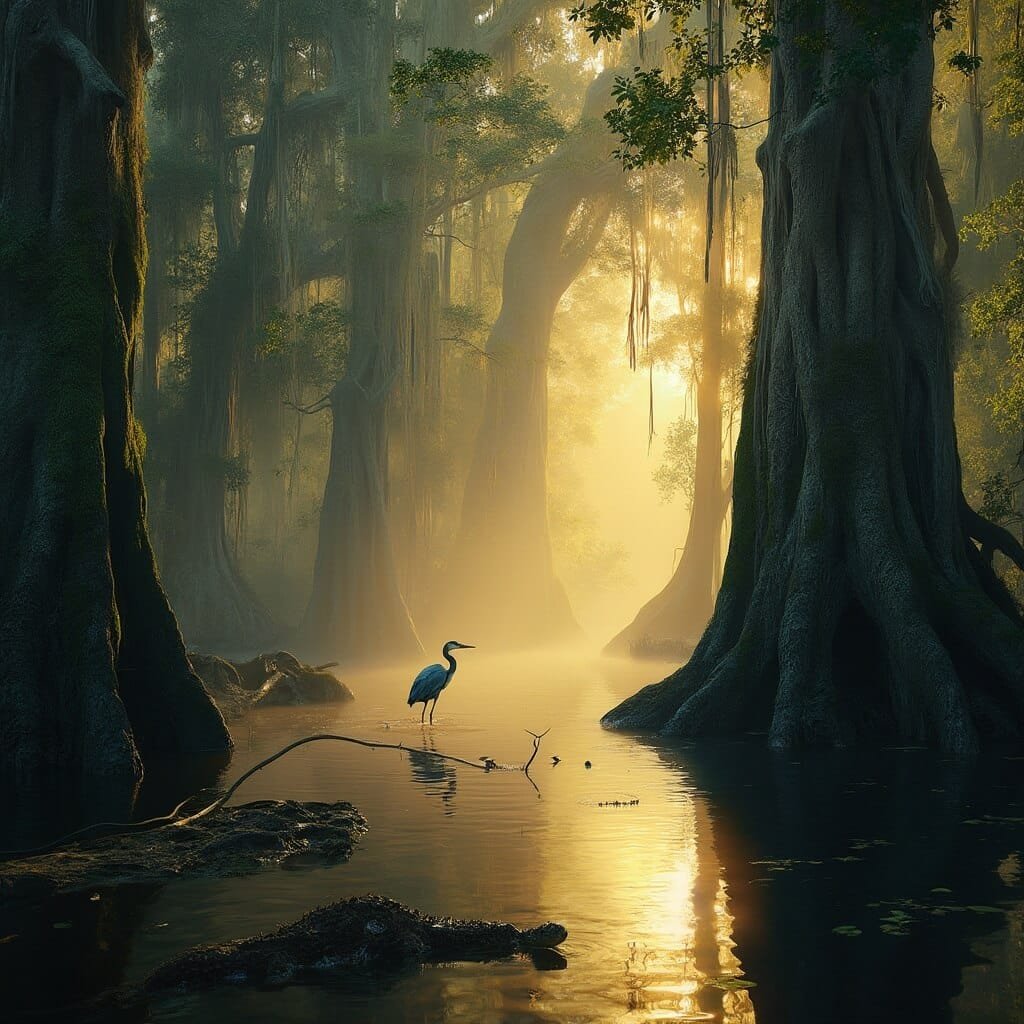
Taking a swamp tour in Louisiana opens the door to one of America’s most extraordinary ecosystems. You’re not just booking another tourist activity—you’re stepping into a living laboratory where ancient cypress trees drip with Spanish moss and alligators glide silently through mirror-black water.
But here’s what most visitors don’t realize: not all swamp tours are created equal. Some operators will shuffle you onto crowded boats for a sanitized glimpse of nature. Others will take you deep into pristine wilderness where you’ll witness wildlife behavior that’ll leave you breathless.
What Makes Louisiana’s Swamps Absolutely Extraordinary
Louisiana’s wetlands aren’t just scenic—they’re one of the planet’s richest and most diverse ecosystems. We’re talking about a complex mix of swamps, marshes, bayous, and lakes that support hundreds of species of birds, fish, and reptiles.
This isn’t your typical nature preserve. These wetlands serve as Louisiana’s front line of defense against hurricanes, acting as massive sponges that absorb storm surge and protect coastal communities. They’re also the nurseries for the seafood industry that feeds much of America—from Gulf shrimp to crawfish that end up in your favorite restaurants.
But what truly sets these swamps apart is their deep connection to Cajun and Creole culture. For centuries, families have built their lives around these waterways, developing traditions of fishing, trapping, and storytelling that tour guides still share today. When your captain tells you about his grandfather’s fishing spots or points out where his family gathered Spanish moss for mattress stuffing, you’re hearing living history.
Here’s What Actually Happens on a Louisiana Swamp Tour
Forget everything you think you know about boat tours. A proper swamp tour is a guided expedition into cypress and tupelo-lined waterways where licensed captains share stories that blend natural history with local folklore.
Most commercial operators run 90-minute to 2-hour tours, but the timing matters less than the experience. Your guide will navigate narrow channels where massive alligators sun themselves on logs just meters away. You’ll spot great blue herons stalking fish in the shallows, turtles basking in patches of sunlight, and if you’re lucky, bald eagles soaring overhead.
I remember my first swamp tour near Honey Island—our guide, a third-generation local named Claude, cut the engine in a quiet bayou and whispered, “Listen.” The silence was profound, broken only by the gentle plop of a turtle sliding off a log and the distant call of a red-shouldered hawk. Then he pointed to what looked like a floating log about 20 feet away. “That’s Bertha,” he said with genuine affection. “She’s been in this spot every Tuesday morning for three years.” The “log” opened one amber eye, regarded us with ancient patience, then closed it again.
Who Should (And Shouldn’t) Book These Tours
Perfect for:
- Families seeking educational adventures without extreme physical demands
- Photography enthusiasts who want unique wildlife shots
- Anyone fascinated by American regional culture and history
- Birders looking for species they won’t see anywhere else
Think twice if:
- You’re expecting theme park-level thrills (though airboat tours do provide serious excitement)
- You can’t handle humidity, insects, or unpredictable weather
- You need guaranteed wildlife sightings (nature doesn’t work on schedules)
The Swamp Tour Destinations That Actually Matter
Why the New Orleans Area Delivers Convenience Without Compromise
Most visitors start here, and for good reason. You can reach quality swamp experiences within 30 minutes of the French Quarter, making it perfect for cruise passengers or those with limited time.
Barataria and Jean Lafitte region sits just 20-30 minutes from New Orleans, operating near Jean Lafitte National Historical Park. The bayous here wind through classic Louisiana scenery—those iconic moss-draped cypresses you’ve seen in films actually exist, and they’re exactly as atmospheric as you’d hope.
Honey Island Swamp near Slidell offers something special: 250 square miles of river swamp, with about 70,000 acres permanently protected as a Nature Conservancy preserve. This is among the least-altered river swamps in the entire United States. When conservationists describe it as “almost pristine wilderness,” they’re not exaggerating.
Manchac Swamp between New Orleans and Baton Rouge provides an interesting middle ground. Operators like Cajun Pride run tours on private wildlife refuges just 25 miles from the city, meaning you get pristine waters without other tour boats creating disturbances.
The Atchafalaya Basin: Where Serious Nature Lovers Go
If you have a car and extra time, head to America’s largest river swamp. The Atchafalaya Basin spans 1.4 million acres of wetlands and bottomland hardwoods, supporting hundreds of bird, fish, and reptile species.
Tour operators in Henderson and Breaux Bridge serve as gateways to this wilderness. McGee’s Swamp Tours offers everything from standard 90-minute boat tours to guided photography expeditions and canoe rentals. Atchafalaya Basin Landing specializes in airboat trips that attract serious photographers and birders who want access to remote areas.
The key difference here? Scale and authenticity. You’re not touring a preserved slice of swamp—you’re entering a functioning ecosystem so vast it has its own weather patterns.
Lake Martin: The Wildlife Photography Sweet Spot
Near Breaux Bridge and Lafayette, Lake Martin has earned its reputation as one of Louisiana’s premier swamp tour destinations. The alligator population here is robust, and great blue herons are practically guaranteed sightings.
What makes Lake Martin special are the seasonal bird rookeries. During nesting season, cypress trees become apartment complexes for hundreds of wading birds, creating photography opportunities that attract professionals from around the world.
The landscape here feels primordial—ancient cypress trees rise from dark water, their buttressed trunks and Spanish moss creating natural cathedrals that photographers dream about.
How to Choose the Right Type of Swamp Tour
Pontoon Boat Tours: The Comfortable Classic Choice
These large, stable boats with bench seating and canopies represent the traditional swamp tour experience. Tours typically last 60-120 minutes at a leisurely pace that allows for detailed photography and interpretation.
Why choose pontoon tours:
- Suitable for all ages and most physical abilities
- Quiet enough for wildlife viewing and guide commentary
- Weather protection with canopies and sometimes enclosed areas
- Space to move around and change seats for better viewing angles
The slower speed becomes an advantage when your guide spots wildlife. You’ll have time to observe behavior, ask questions, and capture photos without rushing to the next location.
Airboat Tours: High-Speed Access to Hidden Worlds
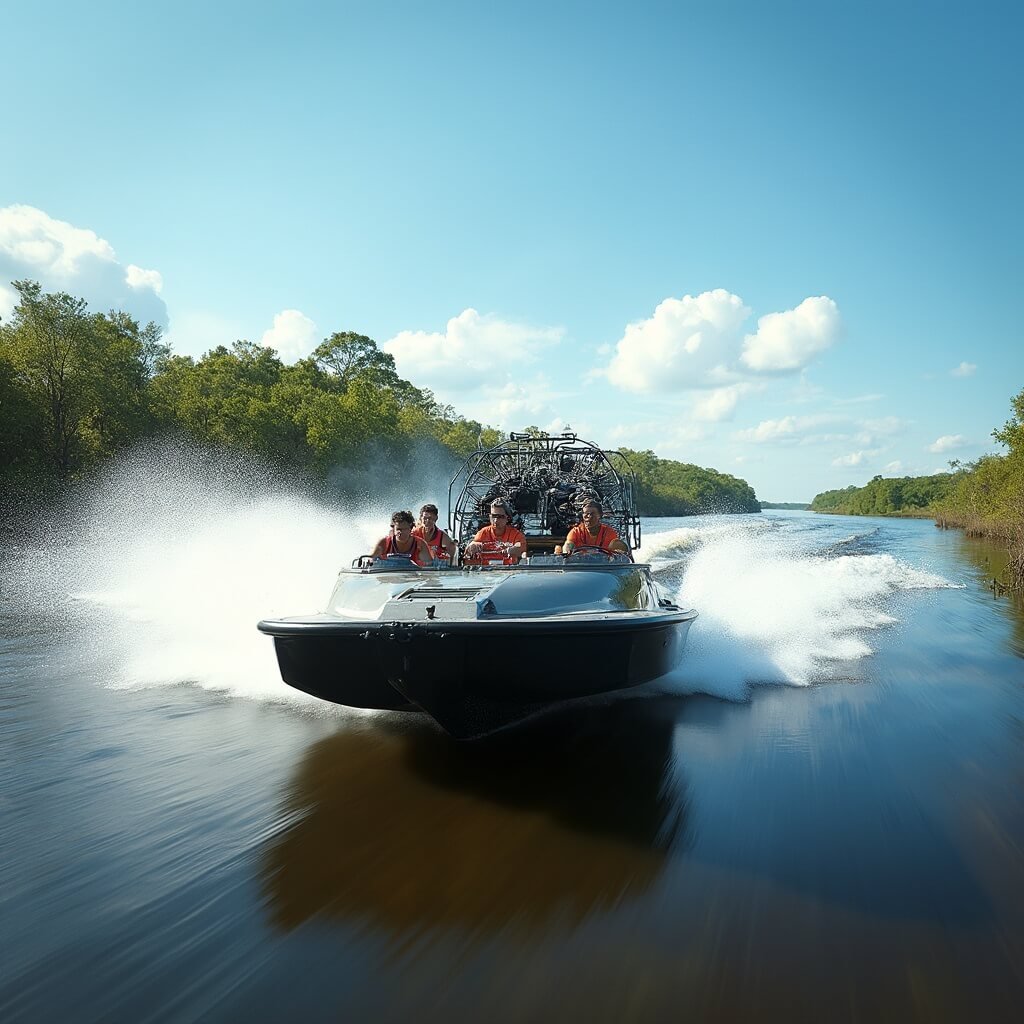
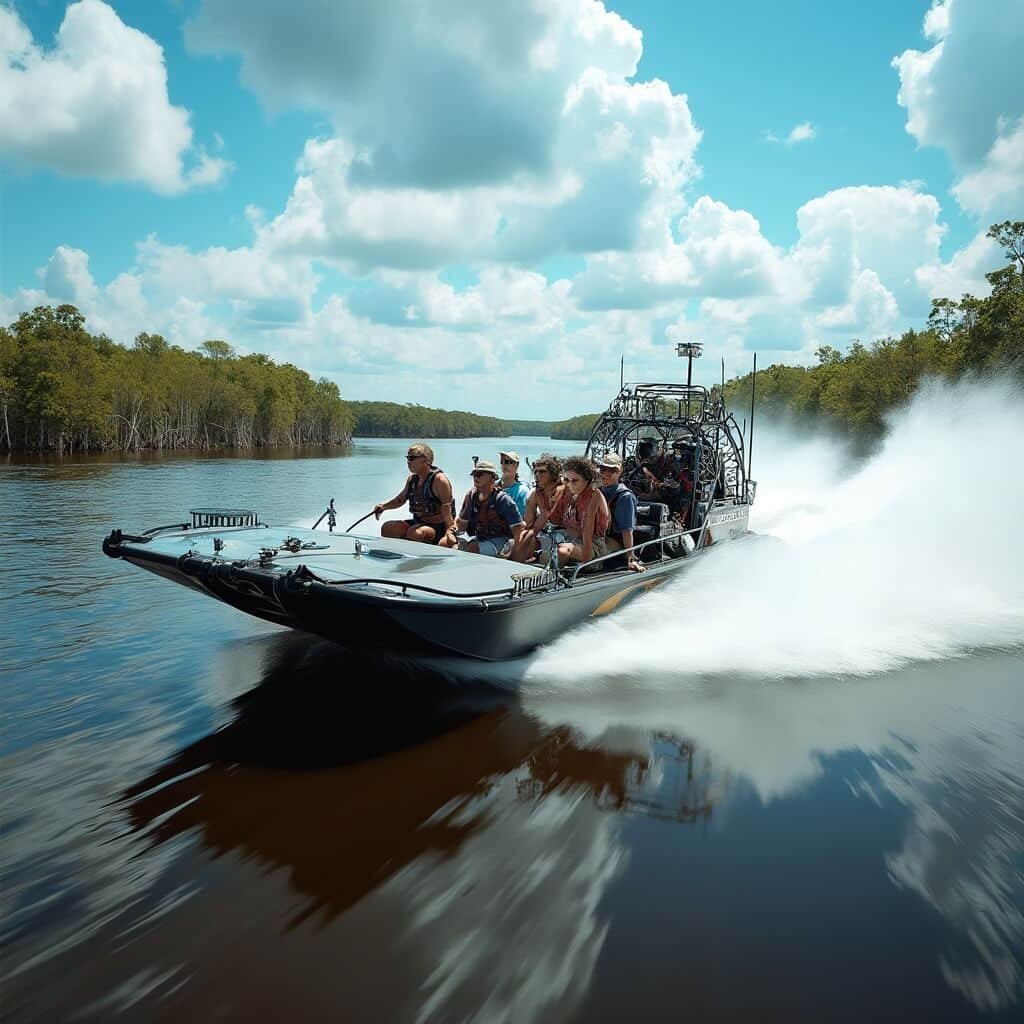
Airboats change everything about the swamp experience. These high-powered craft “fly” across water and through vegetation that stops traditional boats, reaching remote areas where wildlife behaves more naturally.
Standard airboat tours around New Orleans and the Atchafalaya run 1.5 to 2 hours, but you’ll cover far more territory than pontoon boats. Small “premiere” airboats carry fewer passengers for intimate wildlife encounters, while larger “friends and family” airboats accommodate groups and budget-conscious travelers.
The airboat advantage:
- Access to shallow areas and narrow channels impossible for other boats
- Thrilling speed and maneuverability that feels like adventure
- Often better wildlife viewing in remote locations
- Unique perspective on swamp geography and ecosystems
The trade-offs:
- Engine noise can be overwhelming for some passengers
- Less suitable for those with hearing sensitivity or very young children
- Weather-dependent—high winds or storms cancel tours quickly
Kayak Tours: Silent Immersion in Nature’s Cathedral
Paddling through Louisiana swamps offers the most intimate connection with these ecosystems. Operators like New Orleans Kayak Swamp Tours specialize in beginner-friendly trips through moss-draped cypress forests where the only sounds are your paddle and nature itself.
These tours emphasize quiet observation and environmental education. Lost Lands Environmental Tours, for example, combines paddling in Maurepas Swamp with discussions about coastal erosion, climate change, and restoration efforts. You’re not just seeing pretty scenery—you’re understanding the ecological challenges facing Louisiana’s coast.
Most kayak tours accommodate beginners and families, requiring only basic paddling fitness. The pace allows for photography, wildlife observation, and the kind of peaceful immersion that’s impossible from motorized boats.
The experience of gliding silently under ancient cypresses creates moments of genuine wonder that many visitors describe as spiritual.
Now that you understand Louisiana’s swamp tour landscape and the different ways to experience these remarkable ecosystems, you’re ready to dive deeper into the specific operators, wildlife encounters, and planning details that will ensure your swamp adventure exceeds every expectation.
👇Find The Cheapest Flights To Anywhere Here👇
The Tour Operators Who Actually Know What They’re Doing
Let me tell you about the operators who’ve earned their reputations through years of genuine expertise, not just marketing budgets.
Louisiana Tour Company
Louisiana Tour Company has mastered the art of the combo experience. Their strength lies in seamlessly combining swamp tours with Oak Alley plantation visits and New Orleans city tours. If you’re visiting Louisiana for the first time and want to understand how the state’s geography, history, and culture connect, their full-day experiences make those connections clear.
Jean Lafitte Swamp & Airboat Tours
Jean Lafitte Swamp & Airboat Tours operates in the sweet spot just 25 minutes from New Orleans. What sets them apart is their location within Jean Lafitte National Historical Park boundaries, meaning you’re touring protected wetlands with trained naturalist guides. Their “Princess Tiana Swamp Experience” might sound gimmicky, but it’s actually brilliant family programming that teaches real ecology through storytelling that keeps kids engaged.
Honey Island Swamp Tours
Honey Island Swamp Tours offers something increasingly rare: truly personalised nature tours. Their guides aren’t just boat drivers—they’re naturalists who’ve spent decades studying this specific ecosystem. When Captain Charlie points out a barred owl roosting in a hollow cypress, he can tell you not just what it is, but how long that particular bird has lived in that particular tree.
The Hidden Gem That Changed My Perspective on Swamp Tours
Three years ago, I discovered Cajun Pride Swamp Tours operating on a private wildlife refuge near Manchac Swamp. This experience taught me why location control matters so much in wildlife viewing.
Save this article
Enter your email and we'll send it straight to your inbox.
Because Cajun Pride owns their refuge, they can limit boat traffic to preserve natural animal behaviour. Their custom pontoon boats carry smaller groups, and guides communicate by radio to share wildlife sightings without creating chaos.
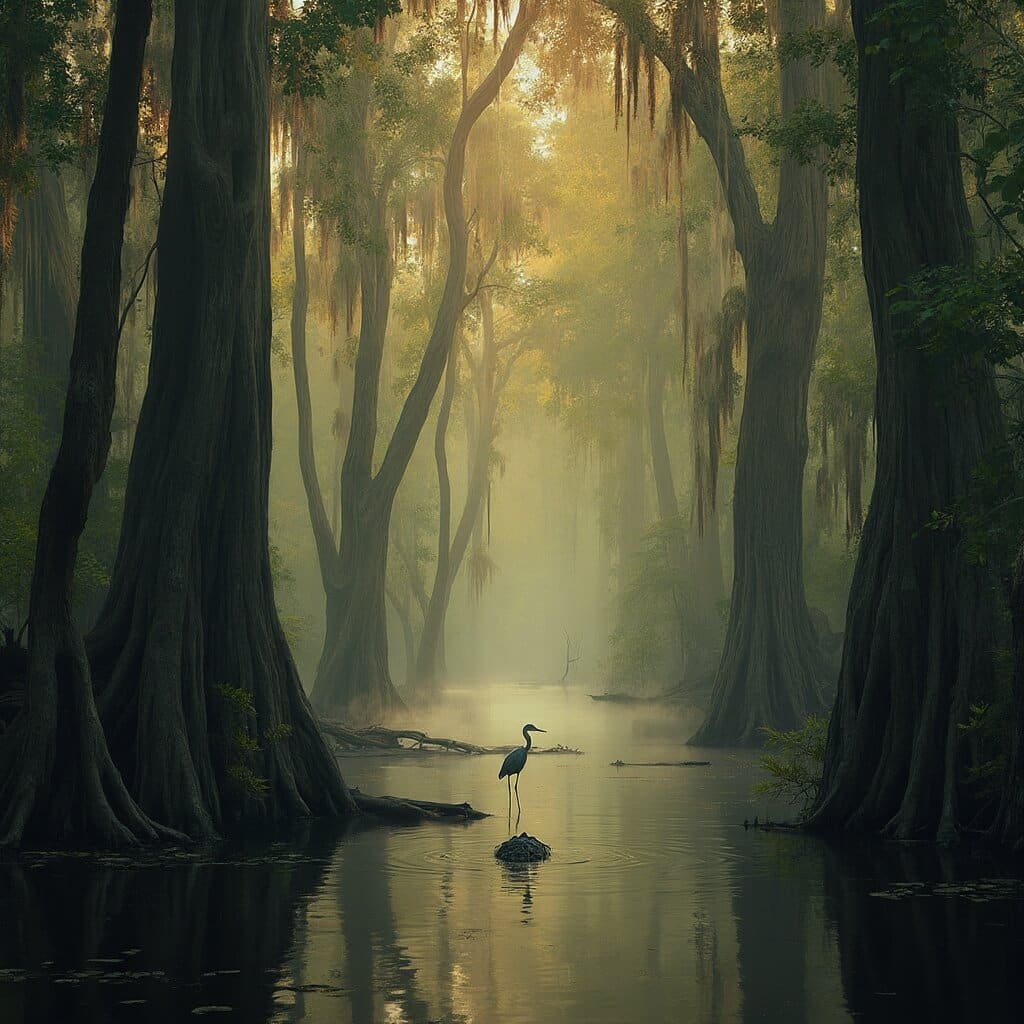
During my visit, our guide received a radio call about a great blue heron rookery becoming active about half a mile away. Instead of racing over and disrupting the birds, he positioned our boat at the perfect distance for observation and photography. We watched parent birds feeding chicks for nearly twenty minutes—behaviour that immediately stops when multiple tour boats converge on a location.
The refuge model also allows for better environmental management. Water levels, vegetation, and wildlife populations are managed specifically to support natural ecosystem functions rather than just tourist access.
Why the Atchafalaya Basin Operators Deliver Unmatched Authenticity
McGee’s Swamp Tours
McGee’s Swamp Tours in Henderson has perfected the art of educational swamp touring. Their 90-minute tours combine wildlife viewing with genuine ecological interpretation, but their guided photography tours represent something special.
These sunrise and sunset expeditions target the golden hours when wildlife activity peaks and lighting creates magical conditions. Your guide positions the boat for optimal angles, shares technical photography tips, and knows where specific species tend to appear at different times of day.
Atchafalaya Basin Landing
Atchafalaya Basin Landing takes a different approach, specialising in airboat access to truly remote areas. Their guides are often multi-generational locals whose families have navigated these waters for over a century. When your captain explains how his grandmother used to gather medicinal plants from specific islands, you’re receiving knowledge that exists nowhere in textbooks.
What Environmental Tours Reveal About Louisiana’s Future
Lost Lands Environmental Tours
Lost Lands Environmental Tours opened my eyes to aspects of swamp ecosystems I’d never considered. Led by environmental journalists, these paddling tours in Maurepas Swamp focus on the dramatic changes affecting Louisiana’s coast.
Your guide explains how saltwater intrusion is killing freshwater cypress forests, why certain areas are subsiding rapidly, and how restoration projects attempt to rebuild natural land-formation processes. It sounds heavy, but the tours balance sobering realities with inspiring conservation successes.
Seeing areas where river diversions are rebuilding marshland gives you hope. Understanding the challenges makes every wildlife sighting more precious.
New Orleans Kayak Swamp Tours
New Orleans Kayak Swamp Tours proves that beginner-friendly doesn’t mean dumbed-down. Their guides excel at adjusting interpretation to group interests—pointing out bird behaviour for nature lovers, explaining traditional plant uses for cultural enthusiasts, or focusing on photography techniques for camera buffs.
The Wildlife Encounters That Will Leave You Speechless
Why Alligator Sightings Are Almost Guaranteed (But Still Thrilling)
Louisiana’s swamps support stable alligator populations, meaning reputable tour operators can confidently promise sightings. But “seeing alligators” covers everything from distant glimpses to close encounters that stop your breath.
The best wildlife viewing happens when guides understand animal behaviour patterns. Experienced captains know which logs specific alligators prefer, what water temperatures trigger activity, and how weather affects visibility.
During cooler weather, alligators bask in sunny spots to regulate body temperature. In summer heat, they seek shade under cypress trees or submerge with just eyes and nostrils visible. Spring brings mating behaviour and territorial displays that create incredible photo opportunities.
The Bird Life That Puts Other Destinations to Shame
Louisiana’s position on the Mississippi Flyway makes it a crucial stopover for millions of migratory birds. Resident species include great blue herons, snowy egrets, ibises, and roseate spoonbills, while seasonal visitors bring northern species rarely seen in southern states.
Timing matters enormously for birding tours. Spring migration (March through May) offers the most species diversity. Summer provides excellent views of breeding behaviour and active rookeries. Fall migration brings different species and spectacular numbers.
Bald eagle populations have recovered dramatically in Louisiana, and spotting these magnificent raptors fishing in swamp waters creates unforgettable moments. Great horned owls, barred owls, and red-shouldered hawks add diversity to the raptor viewing.
The Subtle Wildlife Encounters That Reveal Ecosystem Health
Expert guides point out indicator species that reveal environmental conditions. Healthy turtle populations suggest good water quality and adequate nesting habitat. Diverse frog choruses indicate functioning wetland ecosystems. The presence of otters signals abundant fish populations and minimal pollution.
These smaller observations build understanding of how complex ecosystems function. When you notice beaver sign, your guide explains how their engineering affects water flow. Discovering osprey nests reveals predator-prey relationships and habitat requirements.
The Cultural Stories That Bring Swamps to Life
Cajun Heritage Beyond the Tourist Version
Real swamp tour guides share stories their families lived, not tales from tourism brochures. You’ll hear about moss gathering—families who made their living harvesting Spanish moss for mattress stuffing before synthetic materials replaced natural filling.
Trappers developed intimate knowledge of seasonal animal behaviour, water level patterns, and navigation techniques through seemingly identical cypress forests. Their descendants often become the best tour guides because they inherited geographic knowledge and storytelling traditions.
The Folklore That Reflects Deep Cultural Connections
Every region has its legends, and experienced guides separate tourist-friendly ghost stories from genuine folklore that reveals cultural values. The Honey Island Swamp Monster legend, for example, reflects real concerns about protecting wilderness areas from excessive development.
Pirate stories around Jean Lafitte territory aren’t just entertainment—they explain how geographic isolation allowed alternative economies to flourish beyond government control. Understanding this history helps visitors appreciate why swamp communities developed distinct cultural identities.
How to Plan Your Louisiana Swamp Tour Like a Pro
Seasonal Timing That Maximizes Your Experience
Spring (March-May) delivers the ultimate wildlife experience. Mild temperatures keep you comfortable while triggering peak animal activity. Migratory birds arrive in massive numbers, alligators emerge from winter dormancy, and plant life begins its dramatic growth cycle.
Summer (June-August) offers advantages despite the heat. Alligator activity peaks, making sightings virtually guaranteed. Bird rookeries reach maximum activity with parents feeding hungry chicks. Longer daylight hours provide more tour scheduling flexibility.
The trade-offs include heat, humidity, and increased insect activity. Bring sun protection, insect repellent, and extra water for comfort.
Fall (September-November) provides comfortable touring conditions. Migrating birds create excellent viewing opportunities, temperatures moderate, and summer’s intense humidity decreases. Wildlife remains active while tourist crowds diminish.
Winter (December-February) shouldn’t be dismissed. Reduced vegetation provides clearer wildlife viewing, insect activity drops dramatically, and you’ll often have entire swamps to yourself. Alligators become less visible but don’t disappear completely.
Geographic Selection Based on Your Real Priorities
Choose New Orleans area operators when:
- You’re visiting without a rental car
- Time is limited to half-day excursions
- You want combo tours with city attractions or plantations
- Convenience and established infrastructure matter most
Head to the Atchafalaya Basin when:
- You have a full day available
- Authentic wilderness experience is your priority
- Photography is a serious interest
- You want to understand Louisiana’s working relationship with wetlands
Select Lake Martin or other destination tours when:
- Wildlife photography is your primary goal
- You’re visiting during specific migration seasons
- You want less crowded, more intimate experiences
Booking Strategies That Ensure the Best Experience
Book directly with operators whenever possible. You’ll often receive better customer service, more flexibility with weather cancellations, and access to special experiences not available through third-party sites.
Ask specific questions about group sizes, boat types, and guide qualifications. Smaller groups generally provide better wildlife viewing and more personalised interpretation. Inquire whether your guide holds naturalist certifications or has local family connections to the area.
Understand cancellation policies thoroughly. Weather can change rapidly in Louisiana, and reputable operators prioritise safety over profit. Flexible booking policies indicate companies that put customer experience first.
What to Bring for Maximum Comfort and Success
Essential items for all tours:
- Sunscreen (broad-spectrum SPF 30+)
- Insect repellent containing DEET
- Comfortable, closed-toe shoes with good grip
- Hat with brim for sun protection
- Camera with extra batteries or power bank
- Light jacket (even in summer, morning tours can be cool)
For photography enthusiasts:
- Telephoto lens for wildlife shots
- Polarising filter to reduce water glare
- Lens cleaning supplies (humidity affects equipment)
- Waterproof bag or case for equipment protection
For families with young children:
- Snacks and drinks (tours can run longer than scheduled)
- Entertainment for potential delays or slow wildlife periods
- Change of clothes for active toddlers
- Child-friendly binoculars to enhance engagement
Taking a swamp tour in Louisiana connects you with an ecosystem that exists nowhere else on Earth, where ancient landscapes meet living culture and wildlife encounters create memories that last a lifetime.
👇Ready To Book Your Trip?👇
This post may contain affiliate links. Please see my disclosure policy for details.
Want to keep this one?
We'll email you the link so you can find it again later.