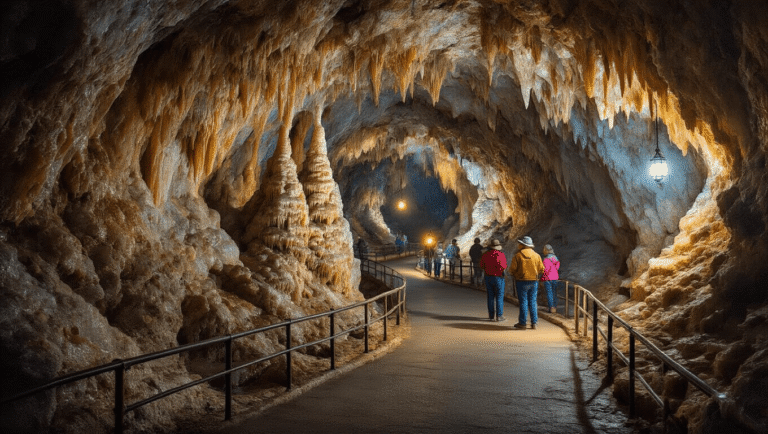

If you’re wondering whether the USS Arizona Memorial deserves a spot on your Hawaiʻi itinerary, I’ll save you the suspense: yes, absolutely, and I’d plan your whole Oʻahu schedule around getting tickets rather than the other way round. I’ve taken family through twice now, years apart, and both times the boat ride out across the harbour went quiet in a way I didn’t expect from a group that had been chatting away in the queue ten minutes earlier.
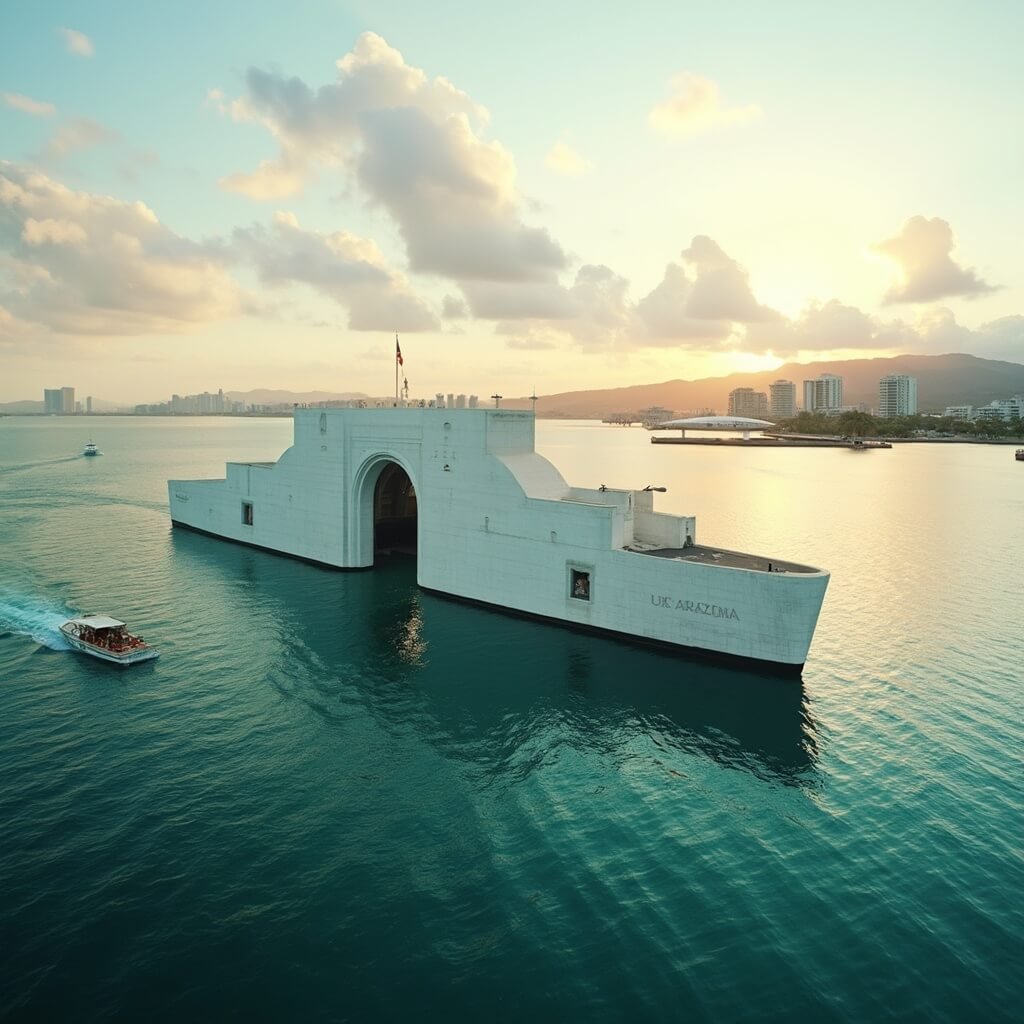
The memorial itself is a national memorial built directly above the sunken battleship USS Arizona, out in Pearl Harbor near Honolulu. It’s not a monument built to represent the ship somewhere else on land — it’s physically positioned over the wreck, which still rests on the harbour floor almost exactly where it sank. The National Park Service describes it as the final resting place for over 900 of the 1,177 crewmen killed on 7 December 1941, though you’ll also see the figure 1,102 of 1,177 cited elsewhere, depending on how the sources count those recovered versus those still entombed. Either way, most of the men who died that morning are still down there.
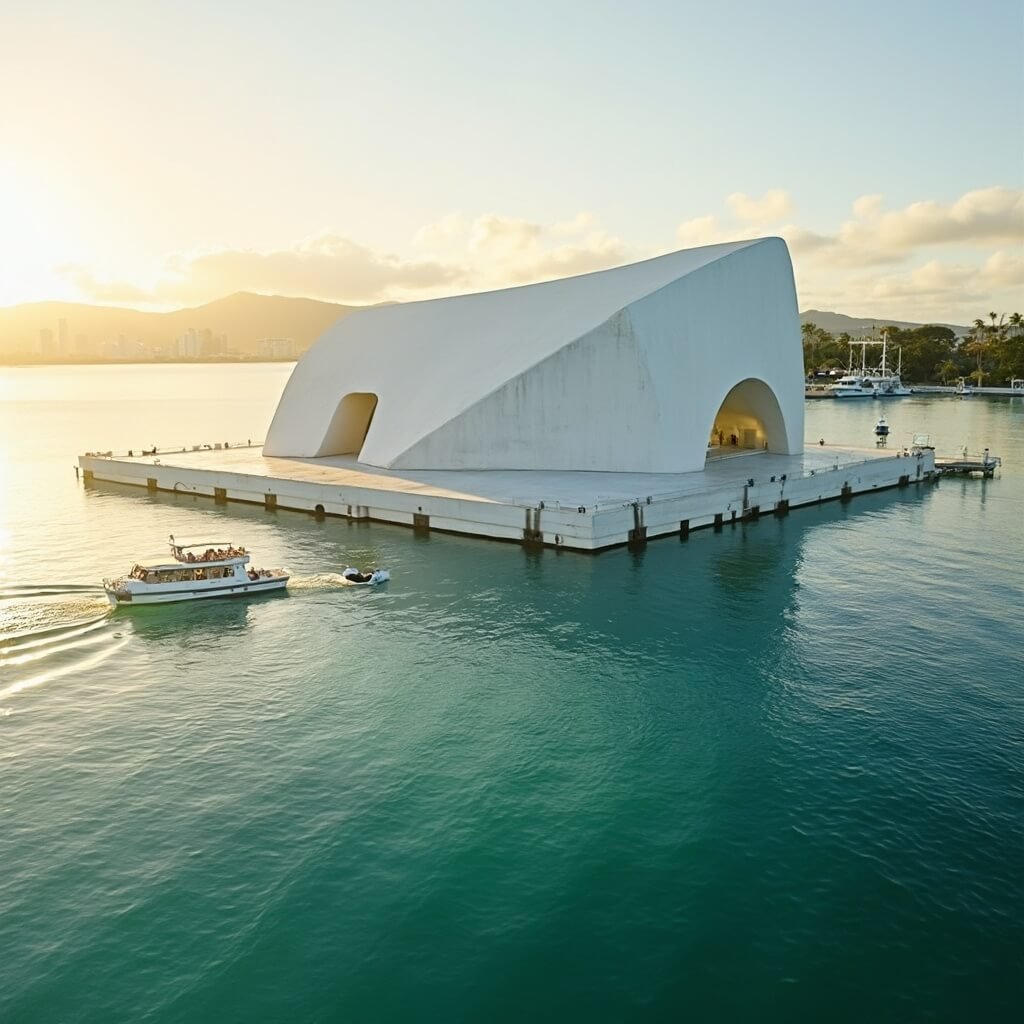
It sits at the centre of the wider Pearl Harbor National Memorial, which the NPS now runs day to day. That’s worth knowing because the site has grown well beyond just the memorial itself — there’s a visitor centre, exhibit galleries, a documentary film, and the boat crossing, all bundled into what people loosely call “visiting Pearl Harbor.” But the Arizona Memorial remains the emotional centre of it.
Why People Still Travel Here for This
The memorial exists for two reasons, really. First, to honour the men who died aboard Arizona specifically, and more broadly everyone killed across Pearl Harbor during the attack. Second, to give people a physical place to reflect on what happened and how it pulled the United States into the Second World War. It manages to do both without feeling like a history lecture — the exhibits do the explaining, and the memorial itself does the quieter work.
It’s also, by any measure, one of the most visited historic sites in Hawaiʻi, and one of the few places in the world where the name alone — Pearl Harbor — needs no further explanation to almost anyone you’d mention it to. You go to learn the history properly, not just the shorthand version most of us grew up with. And you go, frankly, because it’s a war grave. Oil still leaks from the wreck below — locals and NPS staff call it “black tears” — and standing on the memorial watching it rise to the surface decades later is one of those details that photographs can’t really prepare you for.
What Actually Happened to the USS Arizona
On the morning of 7 December 1941, Japanese forces launched a surprise air assault on the US Pacific Fleet moored at Pearl Harbor. Arizona was hit by a bomb that found its way into the forward ammunition magazines. The resulting explosion was catastrophic — the ship went down in around nine minutes, which is barely enough time to grab a coat, let alone escape a sinking battleship.
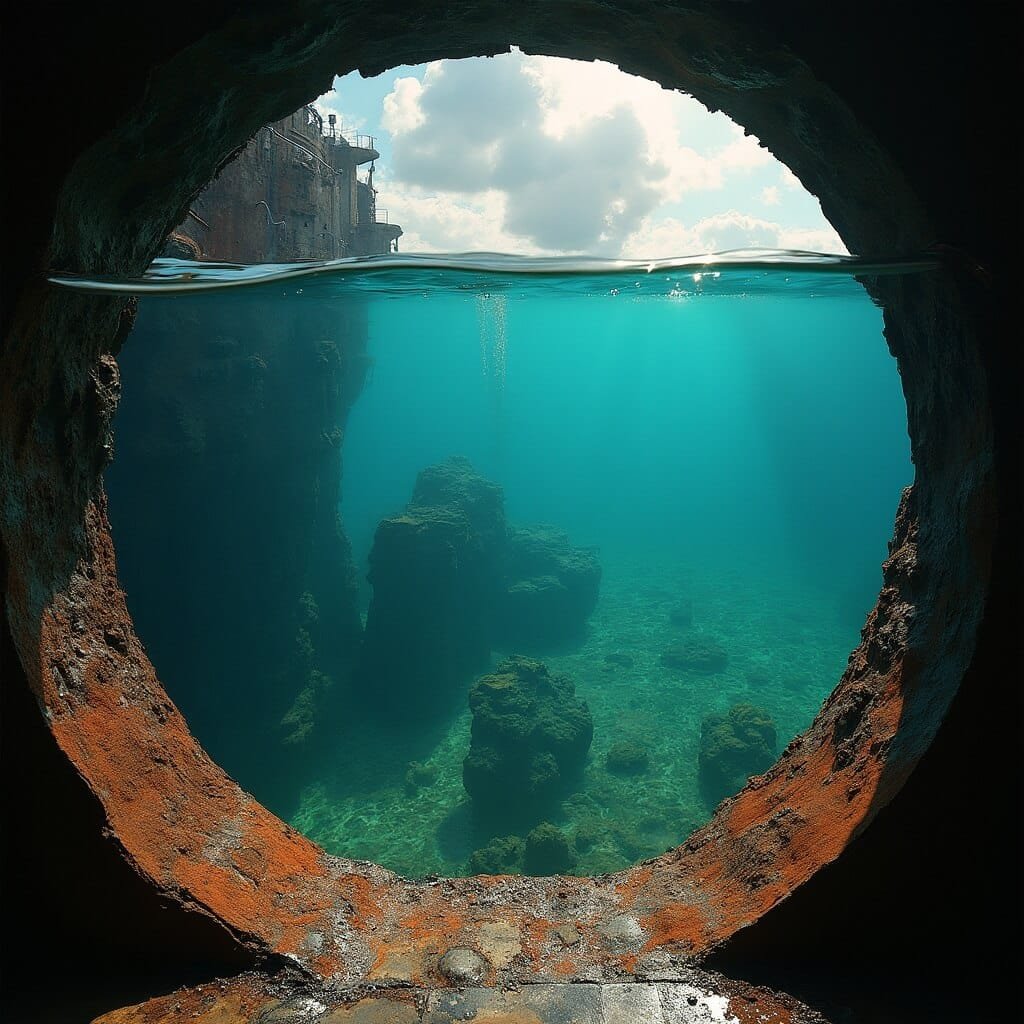
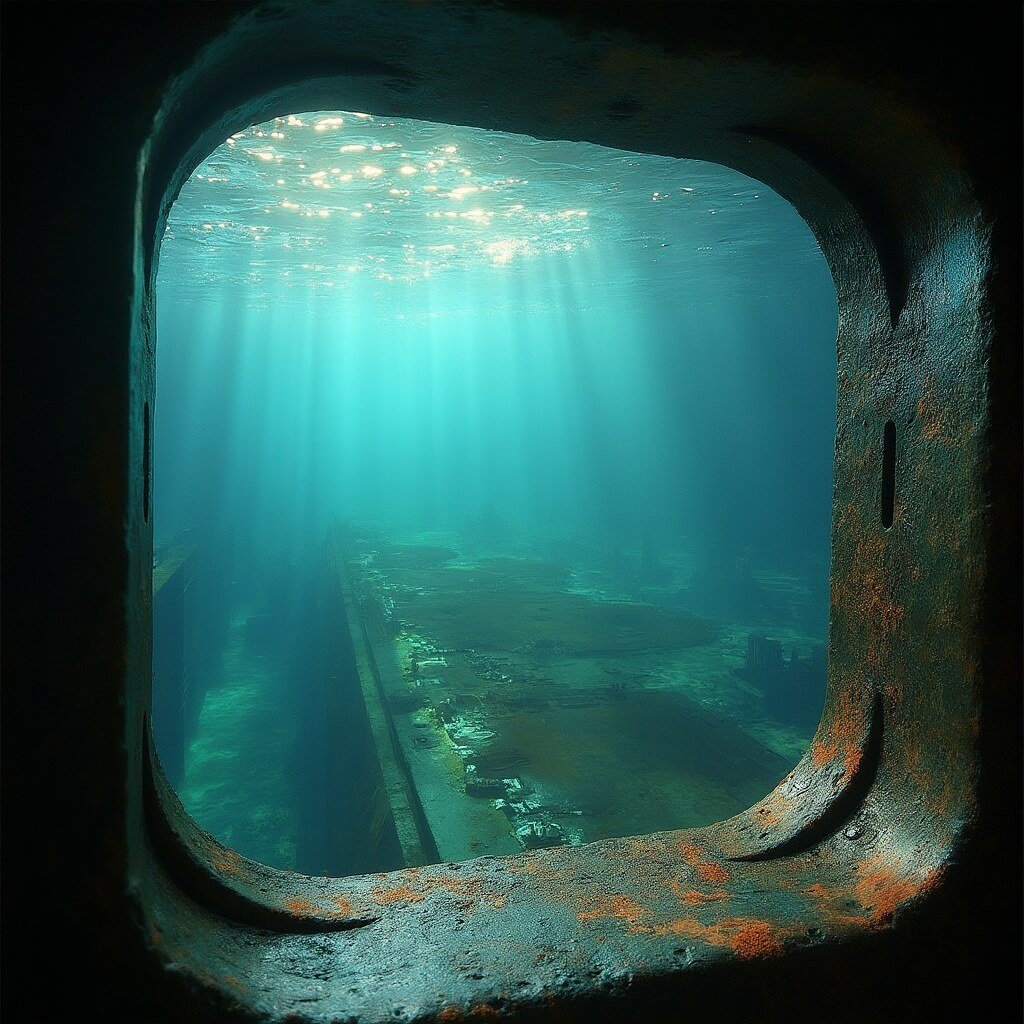
1,177 sailors and Marines died aboard her that morning. Most are still entombed within the hull, which rests just below the surface of the harbour to this day. Rather than raise or clear the wreck, it was left in place, and it now functions as both a memorial and a preserved underwater archaeological site — one of the rare instances where a war grave and a historic wreck are the same physical object.
Calls for a proper memorial began in the 1950s, a decade or so after the attack, when it became clear that Arizona’s dead — and the broader toll of that day — deserved something more permanent than informal remembrance. Congress authorised the Navy in 1958 to build a memorial and to accept public contributions toward funding it. Construction started in 1960, and the structure you see today — white, open-air, floating above the wreck — was dedicated on 30 May 1962, which happened to be Memorial Day that year. It was designed by the Austrian-born architect Alfred Preis, who, interestingly, had himself been briefly interned in Hawaiʻi as an enemy alien during the war. The visitor centre we know now didn’t open until 1980, and it was around then that management shifted from the Navy to the National Park Service, who still run the daily operations and tours.
How the Memorial Is Laid Out
The structure itself is 184 feet long, built from white concrete and steel, and it spans the mid-section of the sunken ship without touching it — a deliberate design choice so the memorial sits independent of the wreck itself. It’s split into three distinct sections: an entry room where you first step off the boat, a central assembly room that’s open to the sky and the water below, and the shrine room at the far end. The open design means it can hold around 250 people at once for services, which happen on anniversaries and other formal occasions.
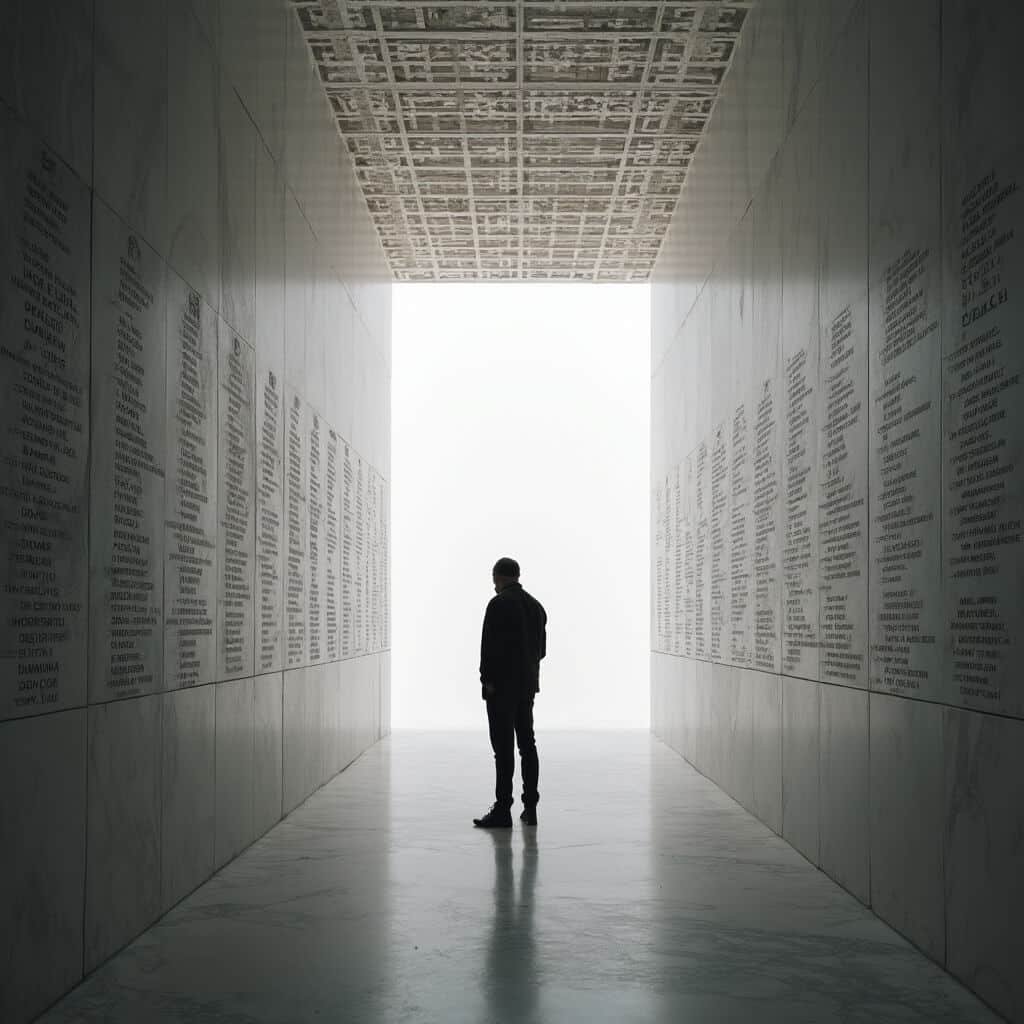
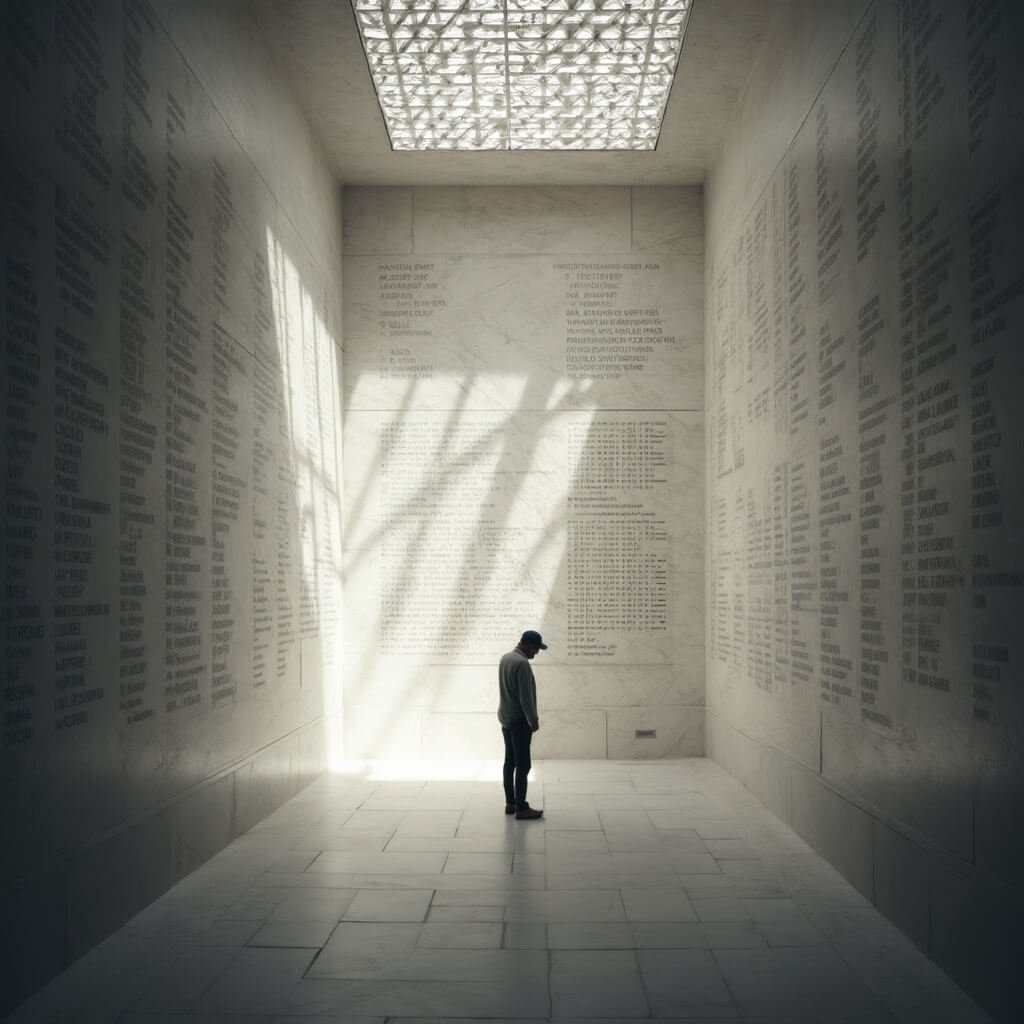
The shrine room is where most people slow down. A marble wall there is engraved with the names of all 1,177 men who died aboard Arizona, arranged without rank, which was intentional — in death, as the thinking goes, they were equals. A number of survivors who served on the ship later chose to be interred alongside their shipmates after they passed, and their names appear on the wall too. It’s the quietest part of the memorial by some distance, and most visitors spend longer there than they expect to.
There’s a flagpole attached to the ship’s severed mainmast, still standing above the waterline, and the American flag flies from it daily — a small but deliberate link between the modern structure and the wreck beneath it. Look down through the open sections of the memorial and you can see parts of the hull, along with that oil still seeping up from below. It’s unsettling in a way I wasn’t quite ready for the first time, and it’s probably the single detail visitors mention most when they talk about the trip afterwards.
Getting Tickets and Timing Your Visit
Here’s where I’d actually spend your planning energy, because this is where people’s trips go wrong. Entry to the Pearl Harbor National Memorial and the Arizona Memorial programme itself is free, but there’s a $1 per ticket service charge collected through Recreation.gov when you book. That tiny fee is non-negotiable and, oddly, tends to trip people up more than it should — I’ve seen visitors confused in the queue because they assumed “free” meant no booking fee at all.
Reservations are required and can only be made online through Recreation.gov — you can’t simply turn up and buy a ticket at a desk, not as your primary option anyway. Tickets are released 56 days in advance, right at 3:00pm Hawaiʻi Standard Time, and in peak season (think summer, and around the December anniversary) they can disappear within minutes. I’d treat that release time the way you’d treat a concert ticket drop: phone out, account logged in, refreshing a minute early.
A few practical numbers worth keeping in your pocket:
- You can reserve up to 10 tickets per day per Recreation.gov account, and that includes infants and children, so count everyone in your party.
- A small batch of last-minute tickets is usually released daily at 3:00pm for the next day’s programmes, though I wouldn’t build a whole trip around hoping for these — treat it as a backup, not a plan.
- Programmes run every 15 minutes, daily, from 8:00am to noon and again from 1:00pm to 3:30pm.
The wider visitor centre is open daily from 7:00am to 5:00pm, and the whole site closes just three days a year — Thanksgiving, Christmas, and New Year’s Day. NPS asks that you arrive at least an hour before your scheduled programme time, mainly to clear the security screening and check in at the counter, and they mean it: turn up late and you’ll likely lose your slot entirely, with no guarantee of a rebook that day.
Save this article
Enter your email and we'll send it straight to your inbox.
As for how long to set aside, the formal programme itself — the 23-minute documentary film followed by the boat ride and time on the memorial — runs about 45 minutes all told.
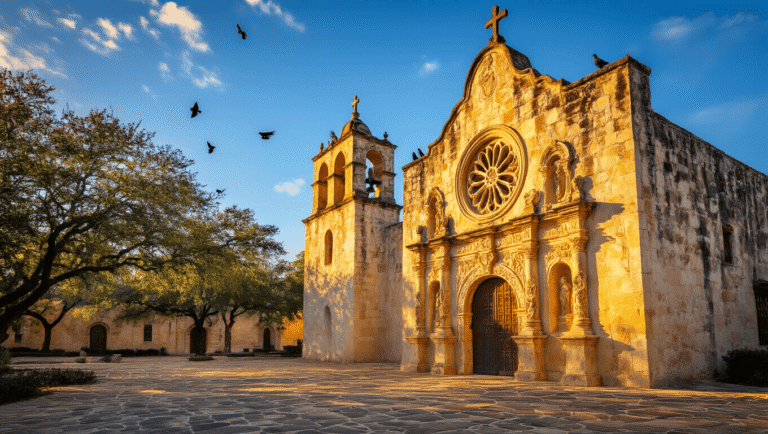
For more travel destination guides, visit Tour the Historic Missions in San Antonio and Visit the National Cowboy & Western Heritage Museum.
👇Find The Cheapest Flights To Anywhere Here👇
The Experience of Visiting the USS Arizona Memorial
That 45 minutes is really just the spine of the visit, though. Once you factor in the exhibit galleries, the USS Arizona wreck’s artefacts on display, and the time you’ll inevitably spend standing at the waterfront looking out at Battleship Row, most people end up giving the site two to three hours, sometimes closer to four if they’re also doing the USS Missouri or USS Bowfin submarine museum while they’re there (both are separate tickets, separate operators, and worth planning for if military history is your thing).
A practical note from my own second visit: we arrived with what I thought was plenty of buffer — about 40 minutes before our slot — and still felt rushed getting through the bag check, since everything bigger than a small clutch bag has to go into the lockers near the entrance. There’s no storage for backpacks or nappy bags inside the security perimeter, so budget a few extra minutes for that queue alone, especially if you’ve got kids in tow and half your luggage is snacks and spare clothes. I’d rather sit around with coffee for twenty minutes than sprint through security watching my boarding slot tick away.
A Few Things I Wish Someone Had Told Me First
Nobody mentions the wind. Out on the water, even on a warm Oʻahu morning, the boat crossing has a breeze that cuts through a t-shirt, so a light layer is worth packing even in July. The decking on the memorial itself can also get slippery when it’s been raining, and Hawaiʻi rain doesn’t always announce itself with much warning.
It’s also worth saying plainly: this isn’t a place for loud chatter or photos-with-peace-signs. Most visitors understand that instinctively once they’re out on the water, but I’ve seen a handful of people treat it like any other tourist stop, phones out, narrating for social media, and it sits oddly against everyone else’s silence. The park rangers don’t police behaviour heavily, but the atmosphere tends to correct people on its own soon enough.
If you can, go early. The first morning programmes tend to be calmer, the light on the water is better for photos if that matters to you, and Honolulu’s heat hasn’t built up yet. By early afternoon the queues for security and the shuttle boats both lengthen noticeably, and the whole experience feels more like a queue to manage than a memorial to absorb.
My honest recommendation is this: book your Recreation.gov tickets the moment they open, 56 days out, and build the rest of your Pearl Harbor day around whatever time slot you land, rather than trying to force the memorial into a schedule built around something else. The USS Arizona Memorial isn’t a stop you fit in on the way to somewhere else in Honolulu — it’s the thing you plan the day, and arguably the trip, around.
For more on the USS Arizona history and legacy at Pearl Harbor, explore further resources and plan your visit accordingly.
Related Historic Sites and Attractions
For those interested in exploring other historic sites, consider visiting:
- Tour the Historic Missions in San Antonio
- Visit the National Cowboy & Western Heritage Museum
- Take a Cave Tour in Jewel Cave National Monument
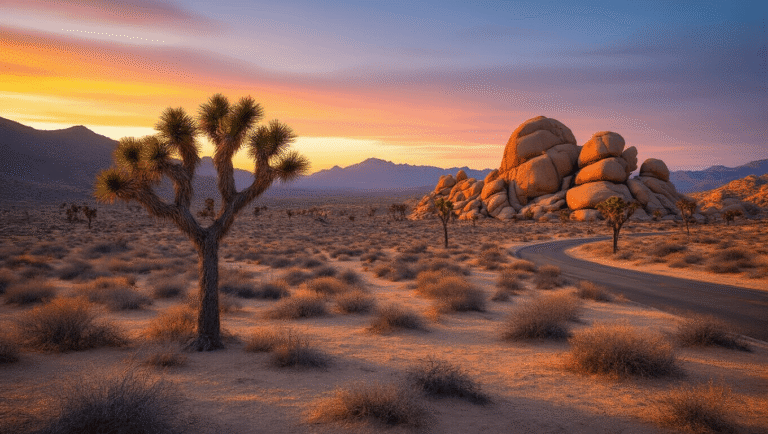
- Explore Joshua Tree National Park
- Visit the Butterfly Wonderland in Arizona
👇Ready To Book Your Trip?👇
This post may contain affiliate links. Please see my disclosure policy for details.
Want to keep this one?
We'll email you the link so you can find it again later.