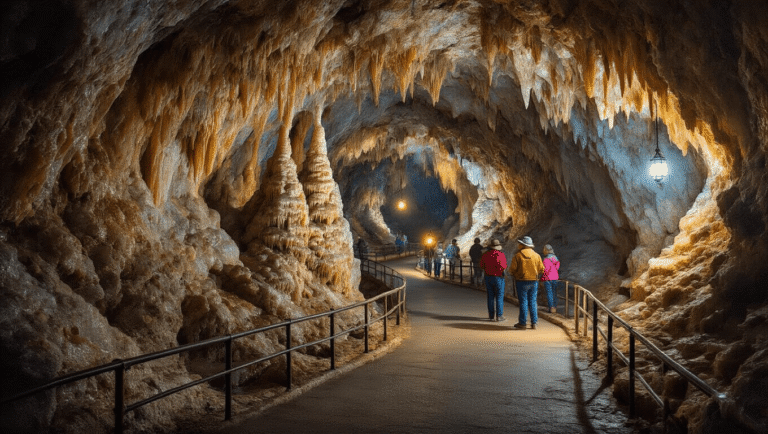

Photographing The Wave is one of those goals that sits on a landscape photographer’s list for years, and the first thing I tell anyone who asks about it is this: your camera gear is the easy part. The hard part is the permit. You cannot simply drive out to the trailhead, pay a fee, and walk in. Access is controlled by a lottery run by the Bureau of Land Management, and most people who apply lose. I want to walk you through how the whole system actually works, because the internet is littered with outdated advice about walk-in lotteries in Kanab that no longer exist.
What The Wave Actually Is, and Why Everyone Wants to Shoot It
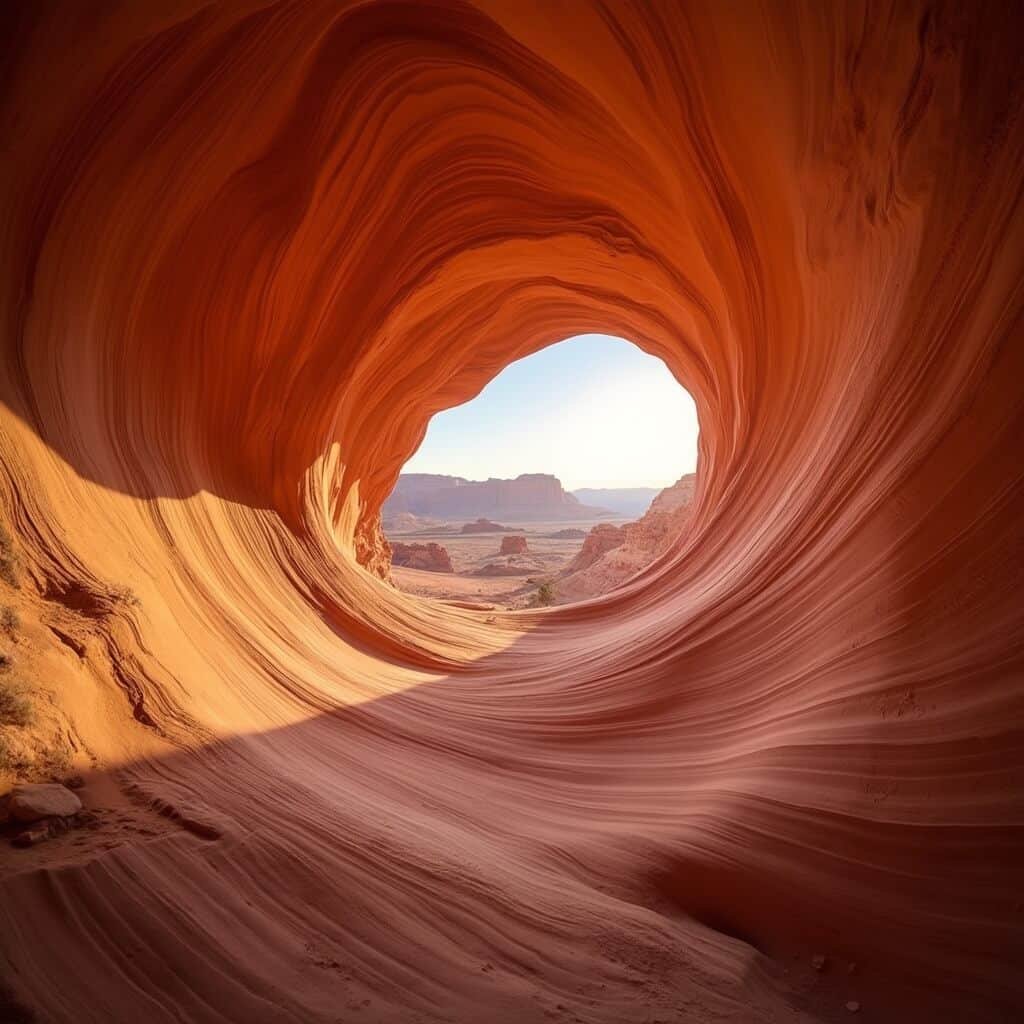
The Wave is a Navajo sandstone formation in Coyote Buttes North, part of Vermilion Cliffs National Monument on the Arizona–Utah border. Photographs don’t quite prepare you for it. The rock undulates in long, striated bands of red, orange and yellow, and the lines sweep through the frame like they were drawn for a wide-angle lens. Abstract compositions, leading lines, that lovely warm bounce light in the troughs — it’s all there.
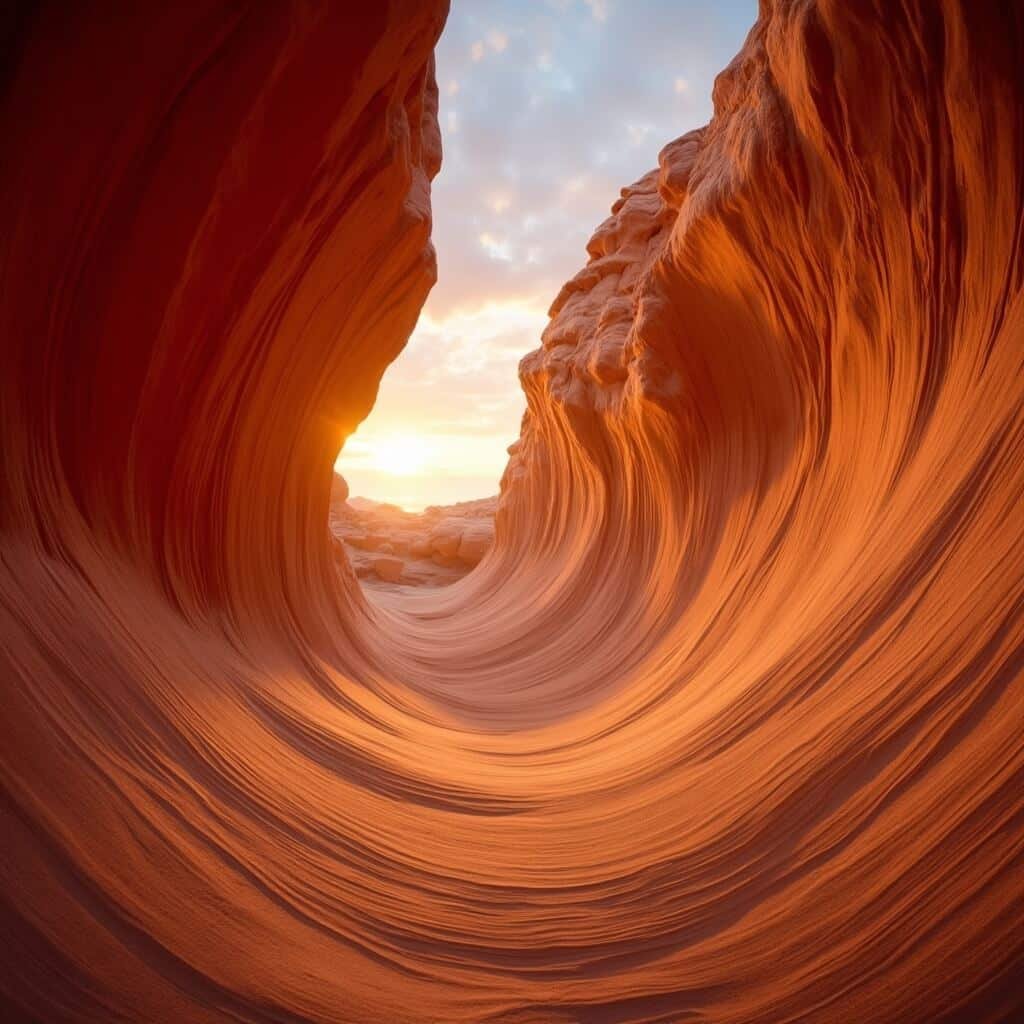
It’s also genuinely fragile. The sandstone erodes easily underfoot, and the surrounding desert soils are held together by cryptobiotic crusts that take decades to recover from a single boot print. That fragility is the core reason access is so tightly rationed. After the formation became famous through magazine spreads and online galleries, visitation surged, and the BLM stepped in before the place was loved to death. Scarcity has only made it more coveted. Among photographers, a Wave permit gets talked about like a golden ticket, because that’s essentially what it is.
Why the Permit Is Non-Negotiable
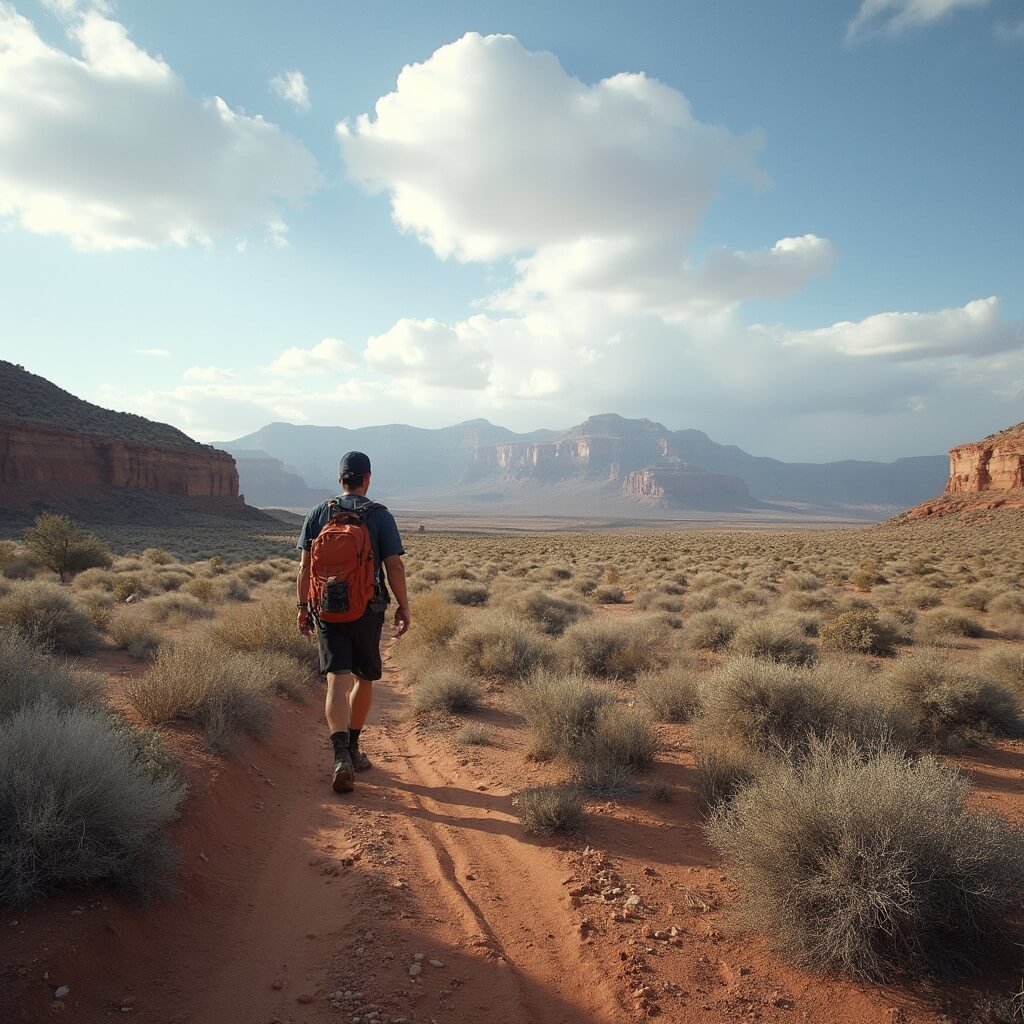
A day-use permit is legally required to enter the Coyote Buttes North permit area. There are no exceptions. Not for professional photographers, not for guided groups, not for a quick sunrise pop-in. The permit exists partly for conservation and partly for safety — the hike crosses remote desert with real route-finding challenges, brutal summer heat, and patchy-to-nonexistent mobile signal. The permit process lets the BLM know who’s out there and gives them a chance to brief you before you go.
I’ll be blunt: if anyone suggests sneaking in, don’t. Rangers patrol the area and check permits, and the fines are severe. More on that shortly.
How the Permit Lottery Works
The BLM issues 64 permits per day for Coyote Buttes North, split between two systems. It’s day-use only — no camping or overnight stays within the permit area.
- Advanced online lottery: 48 permits (up to 12 groups) per day, drawn four months in advance on Recreation.gov.
- Daily mobile geofence lottery: 16 permits (up to 4 groups) per day, drawn two days before your hike date.
That’s it. Two routes in, both random, both competitive.
The Advanced Lottery, Four Months Out
The advanced lottery works on a rolling calendar. You apply during the month that falls four months before your desired hiking month — so if you want to hike in September, you apply at any point in May. It doesn’t matter whether you apply on the 1st or the 31st; it’s a random draw, not a queue. Winners are notified on or around the 1st of the following month.
The application itself is straightforward:
- Create a Recreation.gov account and find the Coyote Buttes North advanced lottery.
- Select up to three preferred dates within your target month.
- Pay the non-refundable $9 application fee.
If you win, you then pay a recreation fee of $7 per person and per dog to finalise the permit — and yes, infants count as people for fee purposes. The permit is valid for one specific day only and is non-transferable. Everyone listed on it hikes that day or the permit is forfeited. You can’t sell it, gift it, or shuffle names around.
My honest advice: apply for several consecutive months and treat each $9 as a lottery ticket, because that’s what it is. Odds vary wildly by season, but you should expect to lose more often than you win.
The Daily Geofence Lottery, Two Days Out
If you’re already travelling through the area, the daily lottery is your second chance — and it’s the one where the old advice will trip you up. The former walk-in lottery at the Kanab visitor centre is gone. It’s been replaced by a mobile, geofenced lottery on Recreation.gov, which means you must be physically inside a defined zone around Kanab, Page and the Vermilion Cliffs area when you apply. Your phone’s location is checked. Applying from a hotel in Las Vegas won’t work.
The timeline runs like this:
- Apply two days before your desired hike date, between 6:00 AM and 6:00 PM Utah time.
- Results land at roughly 7:15 PM that evening.
- Winners pay the $7 per person/dog fee by around 8:00 AM the next morning.
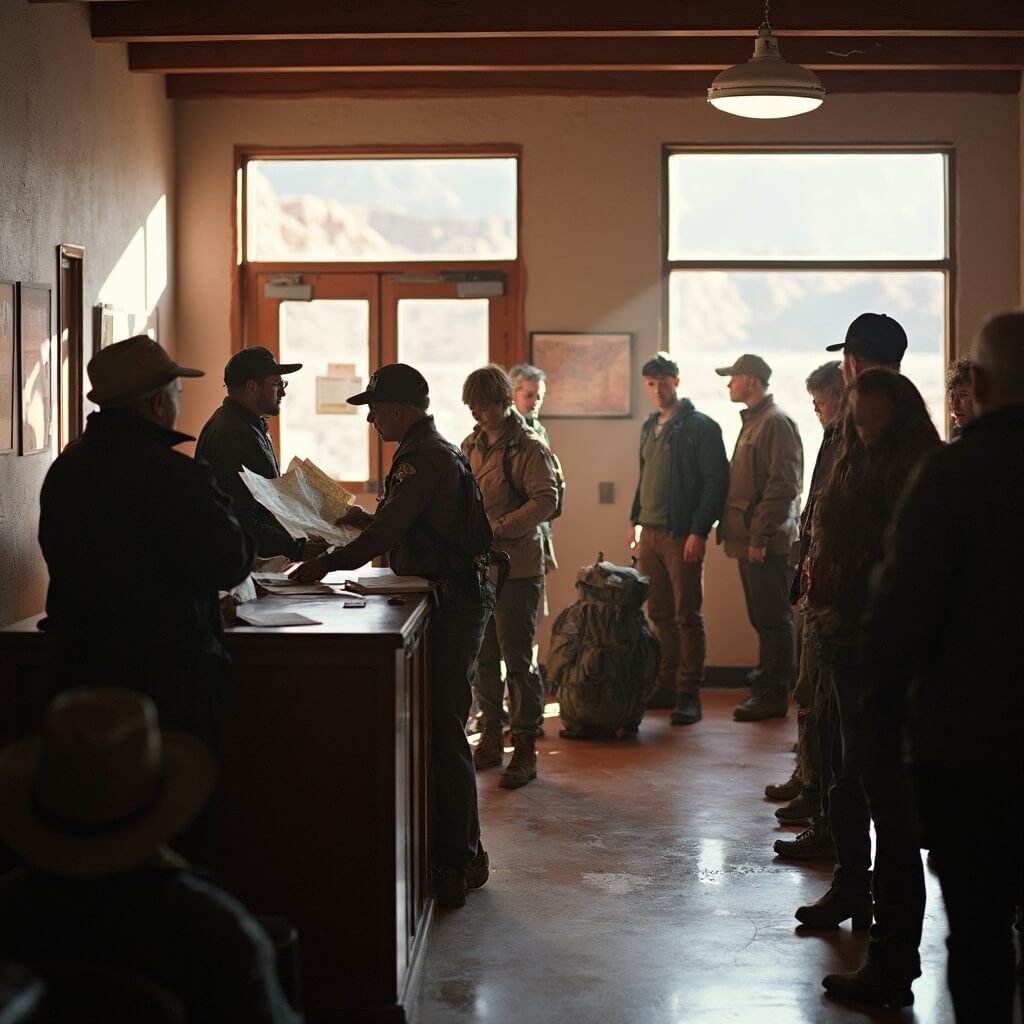
- The day before your hike, you must appear in person at 8:30 AM at either the Kanab Center in Kanab, Utah, or the Page–Lake Powell HUB Visitor Center in Page, Arizona, for a mandatory safety briefing, where you’ll receive your paper permit and maps.
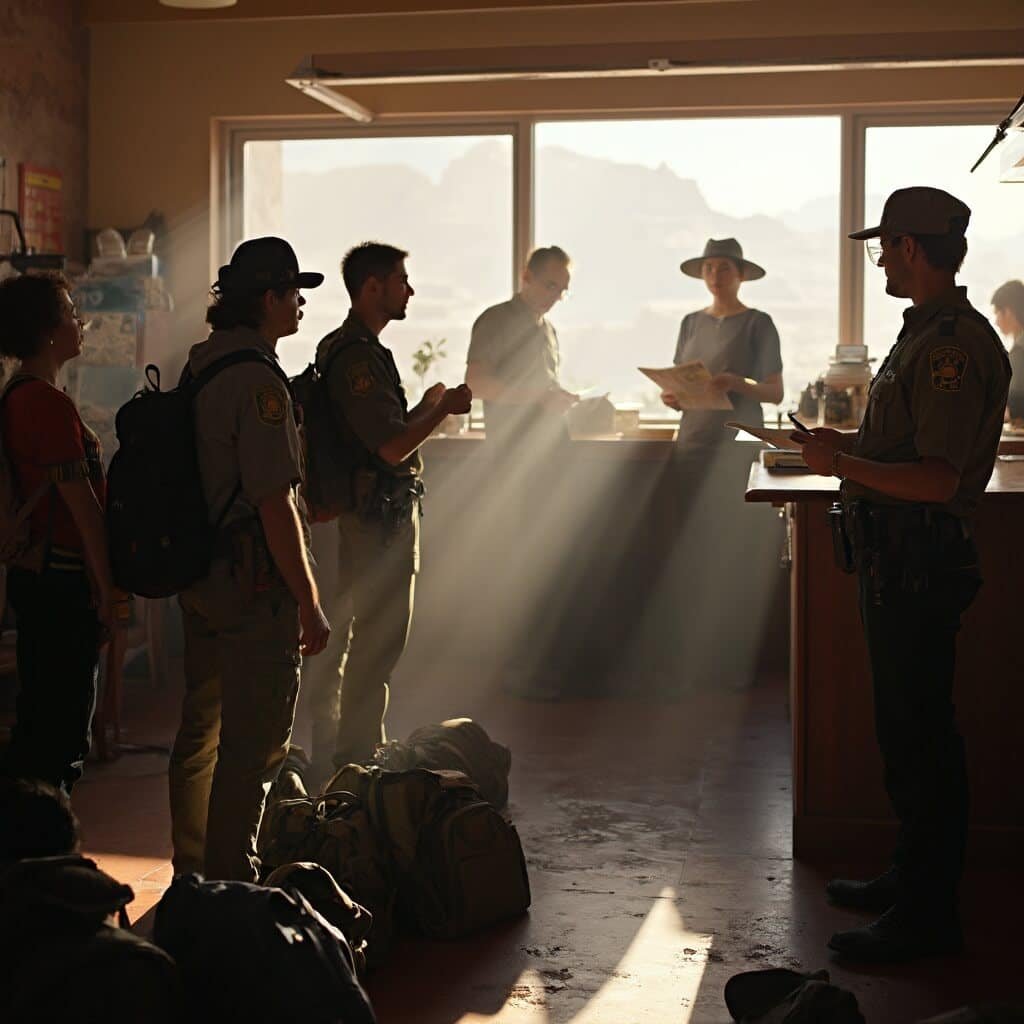
That in-person briefing catches people out. It means winning the daily lottery commits you to being in Kanab or Page for the better part of two extra days, so build that into your itinerary rather than trying to squeeze The Wave between other stops.
I lost the daily lottery three days running one October, applying each morning from a diner in Kanab over increasingly resentful cups of coffee. On the fourth morning the weather had turned grey and windy, half my group had already driven on to Zion, and — naturally — that was the draw we won. The briefing the next day took about forty minutes and was genuinely useful, mostly because the route to The Wave is unmarked and the ranger’s photo-based directions were better than anything I’d found online.
Who Needs a Permit, and Carrying It on the Hike
Everyone entering the permit area must be covered — hikers, photographers, children, dogs, all of them. Booking a guide doesn’t get you around this either; guided clients count against the same daily quotas as everyone else, so hiring an outfitter buys you route-finding help and local knowledge, not permit access.
Save this article
Enter your email and we'll send it straight to your inbox.
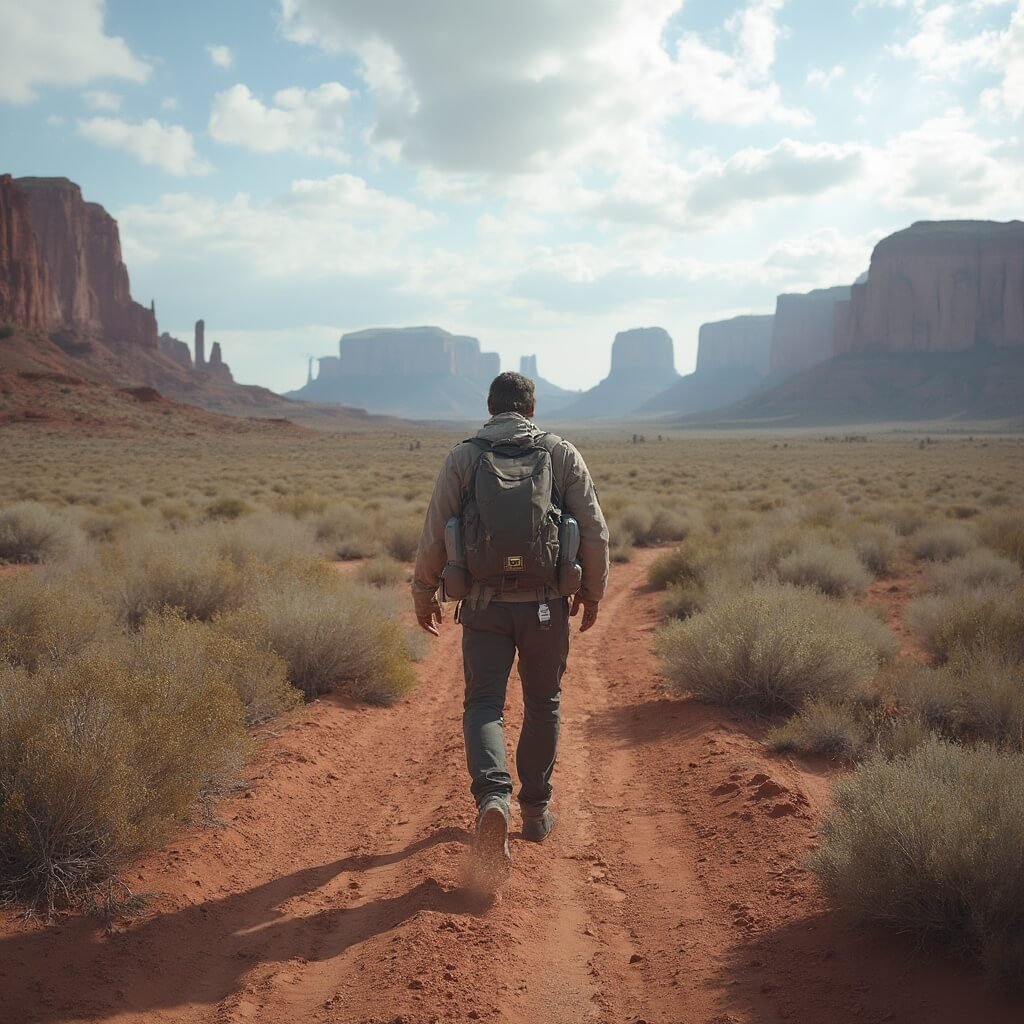
Once you’re out there, carry the permit and a valid photo ID at all times. Rangers generally expect the permit visibly displayed, and most people clip it to a backpack strap where it can be seen at a glance. Checks are common, not hypothetical — on busier days you should simply assume you’ll meet a ranger somewhere along the route, and they’ll want to see that everything on the permit matches the group standing in front of them.
For more adventures in similar awe-inspiring landscapes, consider exploring Discover the Slot Canyons of Grand Staircase-Escalante or Climb the Dunes at Sleeping Bear Dunes, Michigan.
👇Find The Cheapest Flights To Anywhere Here👇
What Happens If You Skip the Permit
I’ve read forum comments suggesting you could just wander in from a back route and take your chances. Don’t. BLM rangers patrol Coyote Buttes North regularly, not occasionally, and part of their job is checking permits, verifying group sizes, and confirming people aren’t camping overnight in an area where that’s forbidden. They’ll ask for ID. They’ll check it against the names on the permit. If you’re not on it, you’re in trouble.
The penalties aren’t a slap on the wrist. Fines for unauthorised entry are commonly cited in the thousands of dollars — some sources put the ceiling as high as $5,000 to $10,000, with the possibility of further legal consequences since this is federal land. Repeat or flagrant violations can escalate into something closer to a federal offence than a parking ticket. It’s not worth it for a photograph, however good.
There’s also a quieter argument against sneaking in, one I’ve heard from more than one local guide: every unauthorised visitor makes the case for tighter restrictions everywhere else. The permit system exists because the alternative was watching the place erode under thousands of untracked boots. Treat that as reason enough to do it properly, even if the fines didn’t exist.
When to Plan Your Trip
Because you’re applying months ahead for the advanced lottery, you’ll be picking a season before you know the weather, so it helps to think in generalities rather than chasing a specific forecast.
Summer is brutal. Temperatures in that stretch of desert regularly climb past 100°F, there’s no shade on the route, and heat illness is a real risk for anyone who underestimates the exposure. I wouldn’t recommend it unless you’re experienced with desert hiking and prepared to start absurdly early. Spring and autumn are the sweet spot for most photographers — daytime temperatures are manageable, the light has a bit more warmth to it in the early and late hours, and the skies tend to be clearer than the sometimes hazy summer monsoon season. Winter has its own appeal: fewer people apply for winter dates in some years, which can shorten the odds slightly, but you’re gambling on shorter daylight hours and the possibility of snow or mud making the sandstone slick and the route harder to read. I’ve seen photographs of The Wave dusted with snow that are genuinely striking, but I’d only chase that look if I were comfortable adjusting plans on short notice.
Day of the week seems to matter too, at least anecdotally. Weekend dates draw more applicants for both lotteries, so if your schedule is flexible, aim for a weekday. It won’t guarantee anything — it’s still a random draw — but nudging the odds in your favour costs nothing.
A Realistic Recommendation
If The Wave is genuinely on your list, apply to the advanced lottery for several consecutive months rather than pinning your hopes on one. Treat the $9 fee as the cost of playing, not a booking charge, and keep your travel plans loose enough that a win doesn’t wreck the rest of your itinerary. If you’re already in the region and fancy trying the daily geofence lottery, build in the extra day for the in-person safety briefing rather than assuming you can slot it between other stops — that’s the detail that catches people out most often. And whatever you read online about walk-in lotteries or quiet back trails, ignore it. The only way to legally photograph The Wave in Arizona is with a permit in hand, and that’s not a detail worth gambling with.
👇Ready To Book Your Trip?👇
This post may contain affiliate links. Please see my disclosure policy for details.
Want to keep this one?
We'll email you the link so you can find it again later.