
Watching the sunrise from Cadillac Mountain is like witnessing the Earth’s daily rebirth from the best seat in the house. But here’s what nobody tells you about this iconic Maine experience: it’s simultaneously the most magical and most challenging sunrise you’ll ever attempt.
Standing 1,530 feet above the Atlantic on the highest peak along America’s eastern seaboard, Cadillac Mountain offers something no other location can claim. For nearly half the year, this rocky summit becomes the first place in the entire continental United States where the sun kisses the horizon.
Think about that for a moment. Whilst millions of Americans are still fast asleep, you’re witnessing the very first rays of sunlight touching American soil.

The Geography That Makes It All Possible
Cadillac Mountain sits majestically on Mount Desert Island within Acadia National Park, Maine. This isn’t just any old hill with a decent view.
The mountain’s position creates a perfect storm of geographic advantages:
- Easternmost location along the continental coastline
- Highest elevation on the North Atlantic coast
- Unobstructed ocean views stretching to the horizon
- Strategic latitude that captures sunrise angles others miss
From October 7th through March 6th each year, physics and geography conspire to make Cadillac Mountain America’s sunrise champion. During these months, the Earth’s tilt and the mountain’s position mean that first golden sliver of sun appears here before anywhere else in the lower 48 states.
I remember standing there on a crisp November morning, checking my watch as 6:47 AM approached. The anticipation was electric—knowing that in just moments, I’d witness something happening for the very first time on American soil that day.
Key takeaway: This isn’t just about a pretty sunrise; it’s about experiencing a genuine geographic phenomenon that occurs nowhere else in America.
When Timing Makes All the Difference
Here’s where most people get it wrong: they assume any morning will do.
The golden window runs from October 7th to March 6th annually. During these months, you’re guaranteed that first-in-America experience. But each season within this window offers dramatically different advantages.
Peak Season: Winter’s Raw Beauty (December-February)
Winter sunrise viewing requires hiking only, as the Park Loop Road closes to vehicles. The upside? Far fewer crowds and absolutely pristine conditions. Temperatures often hover in the teens, but the reward is a sunrise experience shared with perhaps dozens rather than hundreds of other viewers.
Sweet Spot Season: Late Fall (October-November)
This period offers the best balance of accessibility and experience quality. Vehicle access remains open, crowds are manageable, and temperatures stay bearable (though still cold). You’ll need reservations during peak times, but they’re easier to secure than summer slots.
Shoulder Season: Early Spring (March-April)
The transition period brings unpredictable weather but spectacular skies. Road conditions can be challenging, but you might catch that perfect morning when spring meets winter in the Maine sky.
Here’s something crucial most guides miss: arrive 60-90 minutes before actual sunrise time. The colour progression begins long before that golden orb appears. Deep purples transform into fiery oranges, then brilliant reds paint the sky. The actual sunrise is just the crescendo of a much longer symphony.
Three Ways Up (And Why Your Choice Matters)
Most visitors assume driving is the only option, but you’ve actually got three distinct routes to the summit—each with unique advantages and challenges.
Driving: The Popular Choice (With a Catch)
The 3.5-mile Cadillac Summit Road winds gradually upward through scenic viewpoints. It’s paved, well-maintained, and accessible to virtually any vehicle.
But here’s the rub: you need timed-entry reservations from May 24th through October 22nd. These sunrise slots sell out faster than concert tickets for your favourite band. Book 2-3 months ahead or risk disappointment.
Pro tip: Keep your QR code saved both digitally and printed. Mobile service can be spotty at 5 AM, and you don’t want to be that person holding up the queue.
Hiking: The Purist’s Path
Two main trails lead to the summit, each offering different challenges and rewards.
Cadillac North Ridge Trail (4.2 miles one-way)
- Steeper but shorter
- 1,128 feet of elevation gain
- Better for time-conscious sunrise seekers
- Smaller trailhead parking (arrive early)
Cadillac South Ridge Trail (6.7 miles one-way)
- Gentler gradient
- 1,548 feet of elevation gain
- Larger parking area
- Better for steady-paced hikers
The beauty of hiking? No reservations required, ever. You can decide on a whim to chase that perfect sunrise forecast.
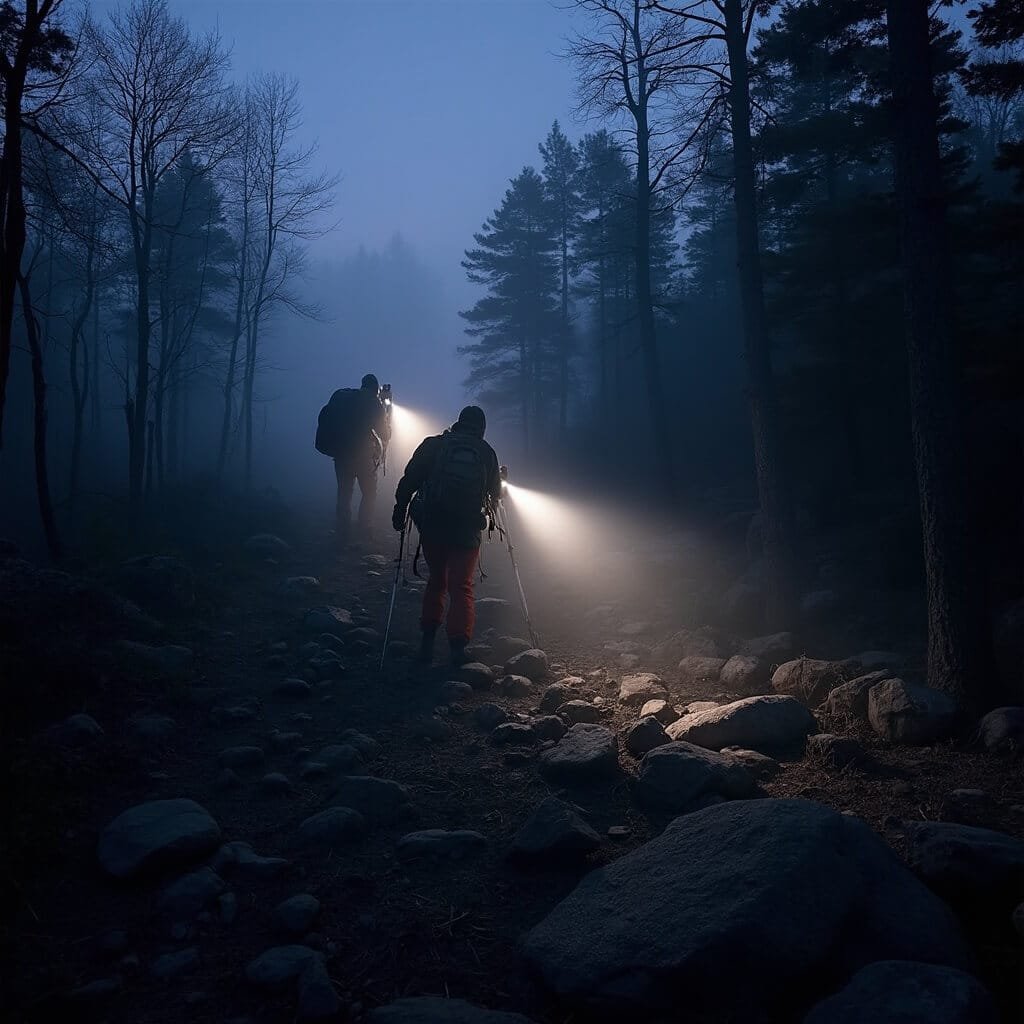
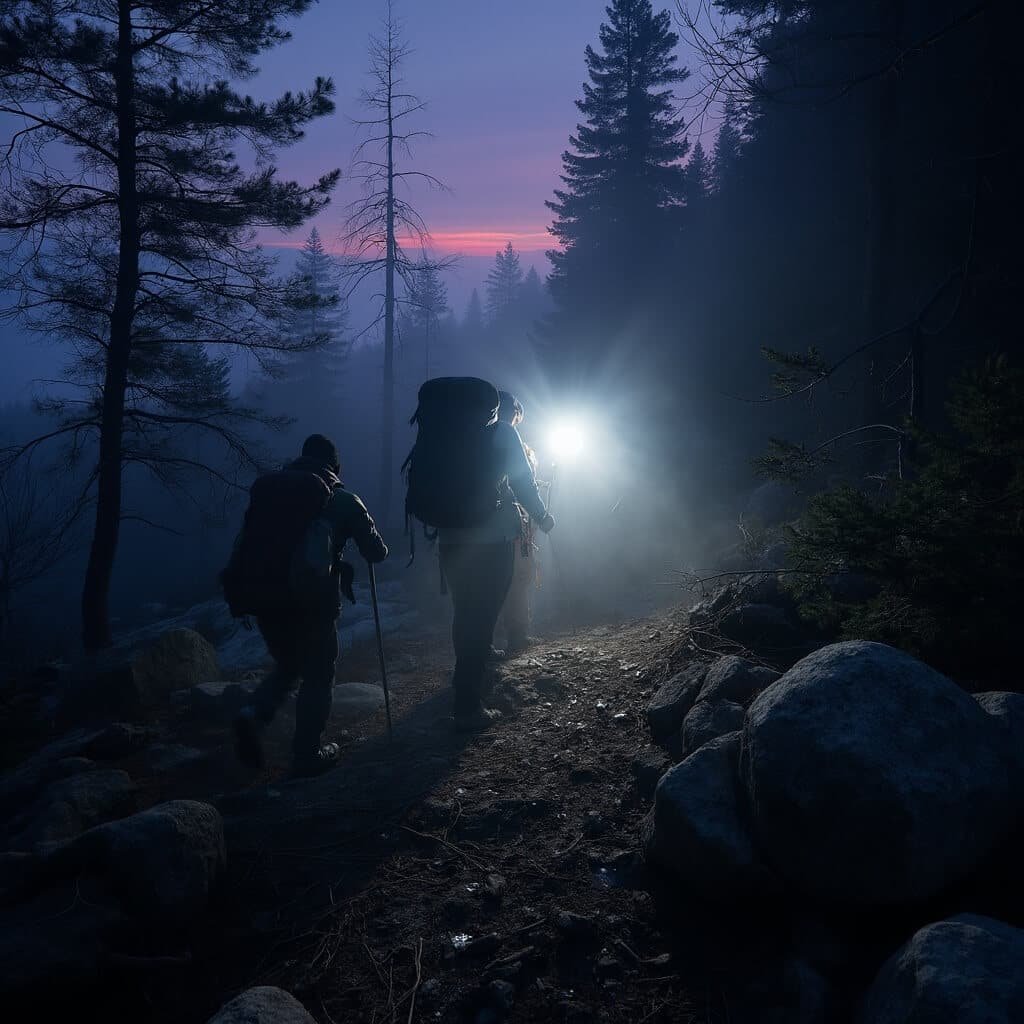
I once chose the North Ridge trail during a spontaneous October visit when vehicle reservations were completely booked. Starting the hike at 4:15 AM with just a headlamp for company, I reached the summit as the first hints of purple appeared in the eastern sky. The solitude made the eventual sunrise even more profound.
Biking: The Athletic Alternative
The 3.5-mile summit road becomes a challenging but rewarding cycling route. It’s a continuous uphill grind, but cyclists need no reservations and often arrive with a greater sense of accomplishment.
Essential for cyclists:
- Strong fitness level (this isn’t a casual ride)
- Bright reflective gear and powerful lights
- Extra time for the climb (plan 45-60 minutes minimum)
Key takeaway: Each access method offers trade-offs between convenience, cost, and crowd levels. Choose based on your fitness, planning ability, and desired experience intensity.
The Planning That Separates Success from Disappointment
Amateur sunrise chasers wing it. Experienced ones plan meticulously.
The Night Before Checklist
Logistics that can’t wait until morning:
- Fuel up your vehicle (nearest convenient station is 30+ minutes away in Ellsworth)
- Set multiple alarms (seriously, set at least three)
- Download offline maps (GPS can be unreliable in pre-dawn darkness)
- Check park website for any last-minute road closures or updates
Reservation Strategy
Here’s something that trips up many visitors: sunrise reservations are the most coveted and difficult to secure. Recreation.gov releases them in batches, and they disappear within hours of becoming available.
Booking timeline:
- Summer slots: book 2-3 months ahead minimum
- Fall shoulder season: 4-6 weeks ahead usually sufficient
- Winter/spring (no reservations needed): enjoy the flexibility
Always have a backup plan. What will you do if weather turns sour or reservations fall through?
Cold Weather Reality Check
Even autumn mornings regularly dip into the 40s°F, and you’ll be sitting stationary for over an hour. That’s cold. Properly cold.
Essential gear hierarchy:
- Wind-resistant outer layer (this is more critical than raw warmth)
- Insulated jacket rated for stationary activities
- Warm hat and gloves (you’ll lose significant heat through your head)
- Multiple sock layers (cold feet ruin everything)
- Blanket or sleeping bag for wrapping whilst seated
Hand warmers aren’t luxury items—they’re necessities. Pack several pairs and activate them before you need them.
Hot beverages in insulated thermoses provide both warmth and morale boosts during the long wait.
The photography enthusiasts should note: cold drains camera batteries rapidly. Bring extras and keep them warm against your body until needed.
With proper preparation handled, the real magic begins when you arrive at the summit and discover the viewing strategies that transform a good sunrise into an unforgettable experience.
If you’re inspired by stunning nature views, you might also want to explore Mammoth Cave’s stunning underground formations or consider a trip to experience Crater Lake’s breathtaking sunrise views.
👇Find The Cheapest Flights To Anywhere Here👇
The Crowd-Beating Secrets That Change Everything
Here’s what shocked me most during my first Cadillac Mountain sunrise: the sheer number of people who had the same “unique” idea.
Hundreds of visitors converge on this summit every clear morning during peak season. But here’s the insider knowledge that separates a mediocre experience from an extraordinary one.
Arrive exactly when the entrance booth opens (typically 5:00 AM during peak season). Not 5:15 AM. Not “around 5-ish.” Be there at 5:00 AM sharp.
The first 20-30 vehicles get prime parking spots near the summit. Everyone else parks progressively further down the mountain road, adding walking distance and reducing their viewing options.
The Strategic Positioning Game
Once you reach the summit parking area, resist the urge to claim the first open spot you see. The main parking lot becomes a human amphitheater, packed shoulder-to-shoulder with fellow sunrise seekers.
Here’s the game-changer: walk down the paved summit loop trail just 50-100 yards from the parking area. This simple move spreads you away from the densest crowds whilst maintaining completely unobstructed eastern views.
You’ll still share the experience with others, but you’ll have breathing room and better photo opportunities without strangers’ heads constantly in your shots.
During my November visit, I watched dozens of people squeeze together near the parking lot whilst I enjoyed the same spectacular view from a comfortable rock outcrop just two minutes’ walk away.
Save this article
Enter your email and we'll send it straight to your inbox.
Terrain awareness: Roped-off areas protect fragile alpine vegetation that takes decades to recover from foot traffic. These boundaries aren’t suggestions—they’re critical environmental protections. Stay within designated areas always.
What Actually Happens When the Magic Begins
Most people expect sunrise to be a quick event: darkness, then suddenly sunlight. The reality is far more nuanced and dramatically more beautiful.
The 45-Minute Color Symphony
Phase 1: Deep Night (60+ minutes before sunrise)
Complete darkness with star visibility. This is positioning and settling-in time. Hot beverages and warm layers become essential.
Phase 2: First Light (45 minutes before sunrise)
The eastern horizon begins showing the faintest lightening. Sky remains predominantly dark, but changes are beginning.
Phase 3: Color Emergence (30 minutes before sunrise)
Deep purples and blues appear low on the horizon. This is when excitement builds and cameras start coming out.
Phase 4: Fire Sky (15 minutes before sunrise)
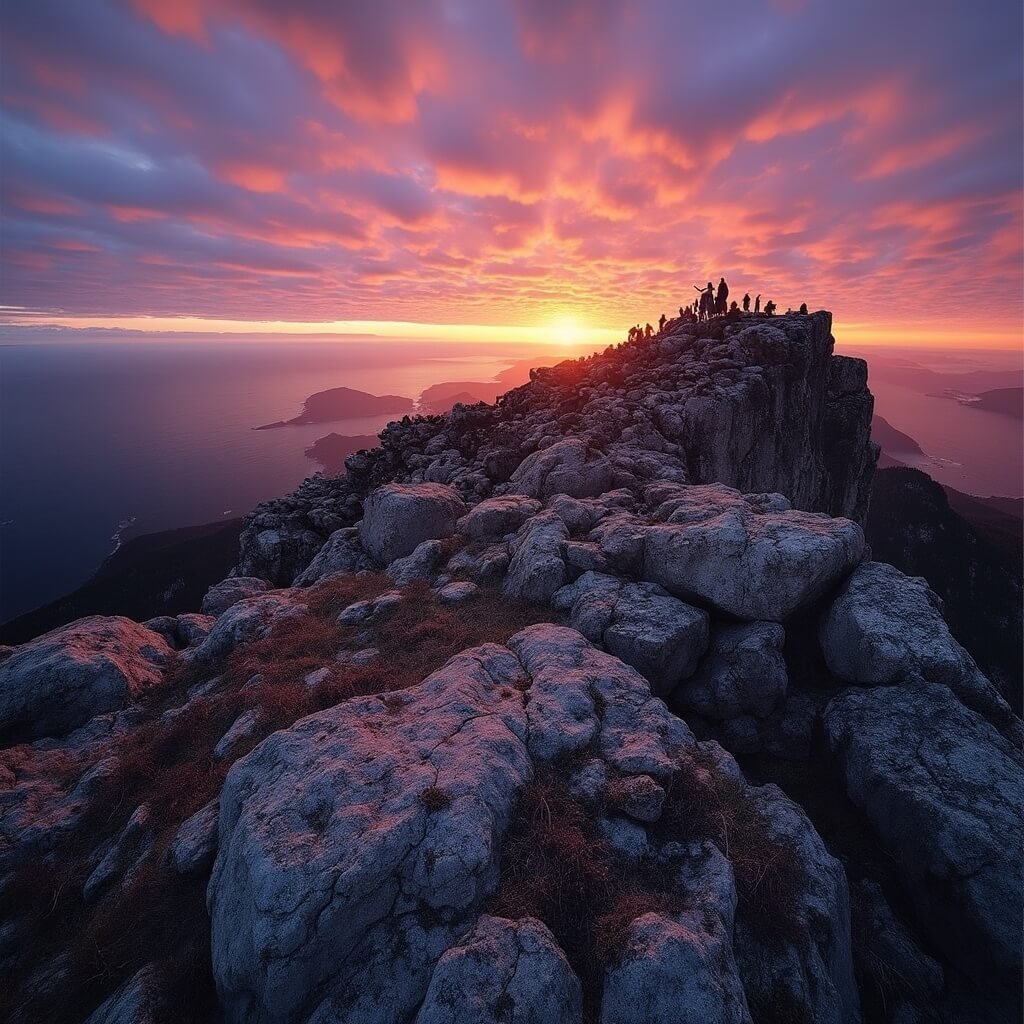
Orange and red colors explode across the eastern sky. Cloud formations become silhouetted and dramatic. Many visitors mistakenly think this IS the sunrise.
Phase 5: The Golden Orb (sunrise moment)
The sun’s edge breaks the horizon line. Brilliant golden light begins illuminating the landscape below. Camera shutters click rapidly everywhere around you.
Phase 6: Post-Sunrise Glow (20+ minutes after sunrise)
Golden light transforms the entire landscape. Island details become visible and beautifully lit. Many of the best photo opportunities occur during this phase.
Critical mistake most visitors make: leaving immediately after the sun appears. The 20-30 minutes following sunrise often provide the most spectacular colors and lighting conditions.
The Views That Justify Every Early Morning Struggle
From Cadillac Mountain’s summit, you’re not just watching a sunrise—you’re commanding a 360-degree view of one of America’s most stunning coastal landscapes.
What You’ll Actually See
Eastern Vista (Primary Sunrise Direction)
– Endless Atlantic Ocean stretching to the horizon
– Schoodic Peninsula visible on clear days
– Multiple island silhouettes during the color phases
– Frenchman Bay waters directly below
Island Archipelago
The Porcupine Islands cluster becomes magnificently visible as golden light illuminates their forested surfaces. Each island develops distinct character and detail as daylight progresses. On exceptionally clear mornings, you can count dozens of named and unnamed islands dotting the seascape.
Surrounding Landscape
Mount Desert Island’s glacially-carved terrain spreads below you in all directions. Dense forests, hidden lakes, and winding coastlines create a topographic masterpiece that few elevated viewpoints can match.
The Photography Reality Check
Smartphone cameras struggle with the extreme contrast between dark foregrounds and bright skies during sunrise conditions. If photography is important to you, consider bringing:
- Camera with manual exposure controls
- Tripod for sharp images in low light
- Extra batteries (cold weather drains them 2-3x faster)
- Lens cloth (condensation and sea spray affect optics)
Insider tip: The best photos often come 15-30 minutes after sunrise when golden light balances with sky colors. Don’t focus so intensely on the sunrise moment that you miss the superior lighting conditions that follow.
The Seasonal Strategies That Most Guides Get Wrong
Every season offers distinct advantages and challenges that significantly impact your experience quality.
Winter Access (December-February): The Ultimate Insider Experience
Vehicle access closes, but hiking access remains open year-round. This creates the most exclusive sunrise experience possible.
Winter advantages:
– Crowds drop to 10-20% of summer levels
– Pristine snow conditions create dramatic contrast
– Crystal-clear air provides exceptional visibility
– No reservation hassles or booking stress
Winter requirements:
– Serious cold-weather gear (temperatures in teens or single digits)
– Hiking experience in winter conditions
– Microspikes or other traction devices for trails
– Emergency preparedness mindset
I attempted a January sunrise hike during a particularly harsh winter. The temperature was 8°F with 20mph winds, creating a wind chill around -15°F. Only six other people made the summit that morning. The solitude and raw beauty made it one of the most memorable sunrise experiences I’ve ever had anywhere in the world.
Shoulder Season Secrets (April-May, November)
These periods offer the sweet spot between accessibility and crowd management. Vehicle access operates without reservation requirements. Weather remains unpredictable but generally manageable.
April-May advantages:
– No crowds yet
– Warming temperatures
– Spring weather patterns create dramatic skies
– Wildlife activity increases
November advantages:
– Peak fall colors may still be visible
– Stable weather patterns
– Tourist season has ended
– Clear, crisp atmospheric conditions
Alternative Sunrise Locations When Cadillac Mountain Isn’t an Option
Sometimes Cadillac Mountain simply won’t work for your schedule, weather, or circumstances. Acadia offers several other spectacular sunrise locations that receive far less attention.
Bar Island Low Tide Walk
Accessible only during low tide windows (1.5 hours before and after low tide), this location offers a completely different sunrise perspective. You’ll walk across the ocean floor on an exposed land bridge to reach a small island.
The sun rises over the Porcupine Islands rather than the open ocean, creating foreground silhouettes that Cadillac Mountain can’t provide. Best of all: no reservations, no crowds, no early morning driving in darkness.
Timing critical: Miss the low tide window and you’re swimming back to shore. Check tide charts religiously.
Ocean Drive Coastal Viewpoints
The Park Loop Road features multiple coastal overlooks that provide excellent sunrise viewing without elevation hiking or reservation requirements.
Thunder Hole offers dramatic wave action during sunrise hours. Otter Cliff provides elevated coastal views without mountain climbing. Sand Beach creates foreground interest with Acadia’s only major sandy beach.
These locations won’t give you that “first in America” experience, but they offer easier logistics with still-spectacular results.
The Mistakes That Ruin Everything (And How to Avoid Them)
After witnessing dozens of sunrise attempts go wrong, certain patterns emerge.
The Reservation Trap
Mistake: Assuming you can get sunrise vehicle reservations with short notice during peak season.
Reality: Summer sunrise slots sell out within hours of becoming available on Recreation.gov.
Solution: Book 2-3 months ahead or plan alternative access methods.
The Weather Gamble
Mistake: Traveling long distances without backup plans for poor weather.
Reality: Maine coastal weather changes rapidly and cloud cover can completely obscure sunrise views.
Solution: Plan multiple days in the area or have alternative activities ready.
The Clothing Catastrophe
Mistake: Underestimating how cold stationary sitting feels, even in mild temperatures.
Reality: 45°F feels genuinely cold when you’re sitting still for 90+ minutes with ocean winds.
Solution: Layer more than feels necessary and bring wind-resistant outer shells.
The Early Departure Disaster
Mistake: Leaving immediately after the sun appears above the horizon.
Reality: The most spectacular colors and lighting often occur 15-45 minutes after sunrise.
Solution: Plan to stay at least 30 minutes past sunrise time for the complete experience.
Why This Experience Changes How You View Every Other Sunrise
Standing on Cadillac Mountain as the first rays of sunlight touch American soil creates a perspective shift that’s difficult to explain and impossible to forget.
There’s something profoundly moving about witnessing the daily rebirth of light whilst sharing the experience with hundreds of other humans who made the same early morning pilgrimage.
The combination of physical challenge (early wake-up, cold conditions, logistical complexity), natural beauty (360-degree vistas, dramatic color progressions), and symbolic significance (first light in America) creates memories that outlast typical vacation experiences.
But perhaps most importantly, it demonstrates what’s possible when you’re willing to work a bit harder for extraordinary experiences. Most tourists sleep until 8 AM and wonder why their vacation photos look like everyone else’s.
Sunrise chasers understand that magic happens at the margins—when most people are still asleep, when conditions are challenging, when logistics require genuine planning and commitment.
Every subsequent sunrise becomes a comparison point. You’ll find yourself thinking, “This is beautiful, but it’s no Cadillac Mountain sunrise.”
That’s both the blessing and the curse of experiencing something truly exceptional: it raises your standards permanently.
The question isn’t whether you should watch the sunrise from Cadillac Mountain. The question is whether you’re ready for an experience that will make every other dawn seem ordinary by comparison.
For more insights, visit enjoy magical Cape Cod beach sunrises, create stunning sunrise garden views, or discover how to design peaceful morning meditation spaces.
👇Ready To Book Your Trip?👇
This post may contain affiliate links. Please see my disclosure policy for details.
Want to keep this one?
We'll email you the link so you can find it again later.