
Camping at Big Bend National Park isn’t just another tick on your outdoor bucket list. It’s the kind of experience that makes you question why you’ve been settling for crowded campgrounds with neighbours three metres away.
Picture this: you’re sitting by your tent as the sun sets over the Chisos Mountains, and the only sounds are coyotes calling in the distance. No car horns, no city lights bleeding into the sky, just you and 1,252 square miles of raw Texas wilderness.
But here’s the thing most people don’t tell you about Big Bend camping. It’s not as simple as rocking up with your gear and finding a spot. This park has rules that’ll catch you off guard if you’re not prepared.
The One Thing That Trips Up 90% of First-Time Big Bend Campers
You cannot camp wherever you fancy.
I learnt this the hard way on my first trip in 2019. I’d driven eight hours from Austin, expecting to find a quiet spot somewhere along the Rio Grande to set up my hammock. Twenty minutes into exploring, a ranger politely but firmly explained that dispersed camping simply doesn’t exist here.
Every single camper must use designated sites with proper permits. No exceptions, no “just for one night” stories that work.
- No boondocking allowed – forget wild camping
- All sites require advance booking through official channels
- Wood fires are completely banned – charcoal grills and liquid-fuel stoves only
- Stay limits are enforced religiously – maximum 28 nights per calendar year
These aren’t suggestions. Rangers patrol regularly, and getting caught without proper permits means packing up immediately.
Your Three Frontcountry Options (And Which One Actually Matters)
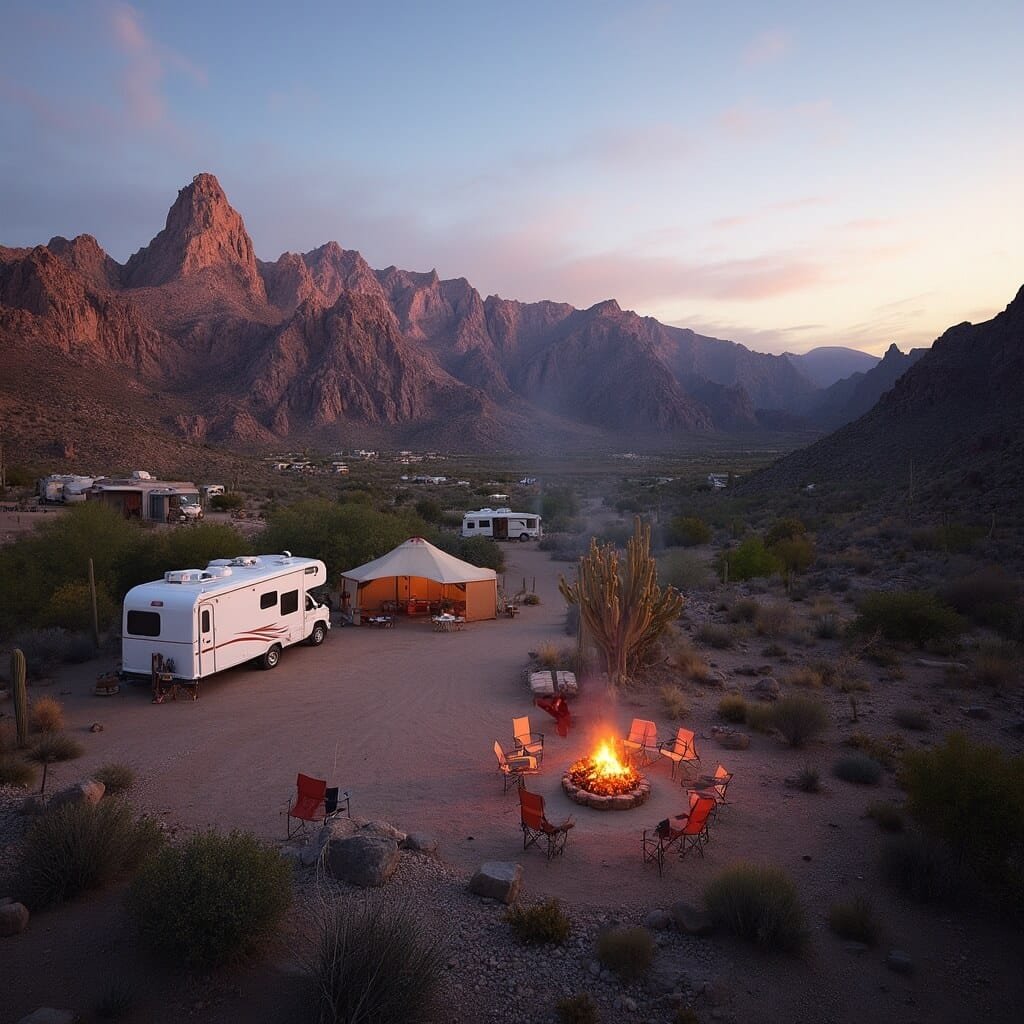
Big Bend offers three developed campgrounds, but they’re not created equal.
Chisos Basin Campground sits in the heart of the park’s mountain range. This is where serious hikers base themselves for tackling the Lost Mine Trail or the challenging South Rim trek. The elevation means cooler temperatures year-round, which matters when summer desert heat hits 40°C.
Rio Grande Village Campground hugs the eastern edge along the famous river. You’ll wake up to Mexico literally across the water and have access to the park’s only coin-operated showers. Perfect if you’re planning multi-day adventures and want proper washing facilities.
Cottonwood Campground offers the authentic desert experience on the park’s western side. Here’s the catch: it closes during summer months when temperatures become genuinely dangerous for camping.
All three require reservations through recreation.gov, and availability disappears faster than water in the desert during peak season (January through April).
Book at least 3-4 months ahead if you’re planning a spring visit.
The RV Situation That Nobody Talks About
Big Bend isn’t particularly RV-friendly, which comes as a shock to many visitors.
Rio Grande Village RV Park is your only option for full hookups within the park. It offers 25 sites operated by Aramark, with a maximum length restriction of 38 feet. You’ll need to call 855-765-1324 for reservations – the online booking system doesn’t handle RV spots.
The location next to Rio Grande Village Store makes resupplying easy, but don’t expect luxury amenities. This is basic camping with electrical, water, and sewer connections in a stunning natural setting.
If you’re travelling with a larger rig or need more modern facilities, you’ll be looking at private campgrounds outside the park boundaries.
Why Backcountry Camping Changes Everything
Here’s where Big Bend transforms from good to extraordinary.
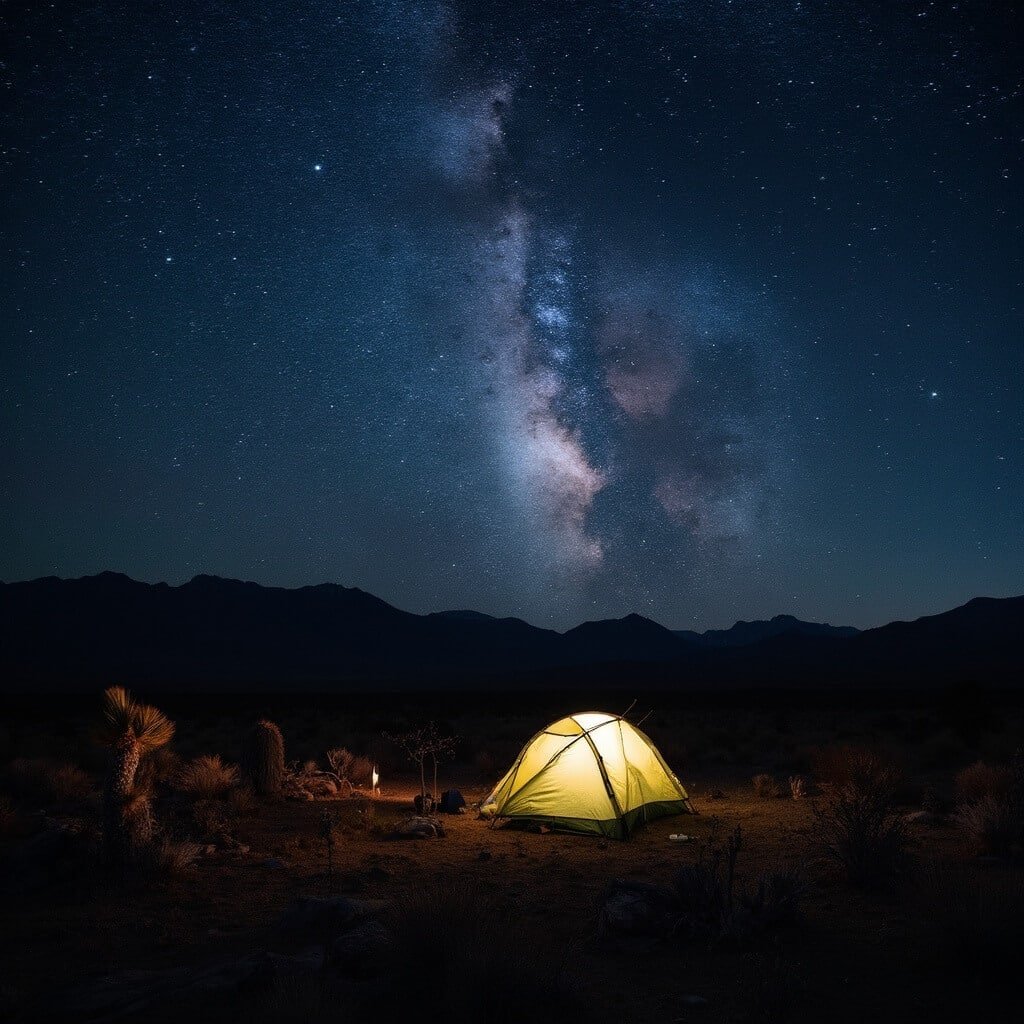
The park offers hundreds of miles of backcountry trails where you can camp completely alone under some of the darkest skies in America. I’ve spent nights in the Chisos Mountains where the Milky Way was so bright I could read by starlight.
Backcountry permits are mandatory for all overnight trips, whether you’re hiking into remote canyons or floating the Rio Grande. Most designated sites can be reserved online through recreation.gov, but some primitive road sites require in-person permits from visitor centres.
The Chisos Mountains offer multiple backpacking campsites with a strict 15-person group limit. Only one site accommodates the full 15 – larger groups must split up or obtain special permits.
Desert backpacking opens up even more possibilities across hundreds of square miles of Chihuahuan Desert landscape. Groups larger than 15 people must camp in separate, non-adjacent zones to minimise environmental impact.
Primitive roadside camping exists for those with capable vehicles. These designated spots along remote park roads like Old Ore Road and River Road require rugged clearance and self-sufficiency. No facilities, no water, no mobile signal – just you and the desert.
The Reservation Game That Determines Your Entire Trip
Understanding Big Bend’s booking system separates successful trips from disappointment.
Peak season (January 1 – April 15) reduces your annual camping limit from 28 nights to just 14. This is when pleasant weather draws crowds from across the country, and campsites book out months in advance.
You’re also limited to 14 consecutive nights maximum, with no more than 14 total nights at any specific campsite per year.
The park doesn’t mess about with these limits. Rangers track everything digitally, and trying to game the system by booking under different names will get you banned.
Pro tip: Summer camping might seem brutal, but it offers advantages. Fewer crowds, easier bookings, and surprisingly pleasant evenings once the sun sets. Just prepare for extreme daytime heat and plan activities for early morning and late afternoon.
With major construction projects starting in Chisos Basin come May 2026, booking patterns will likely shift dramatically.
If you’re interested in exploring more, why not explore White Sands National Park or take the cog railway to the top of Pikes Peak?
👇Find The Cheapest Flights To Anywhere Here👇
The Secret World of Private Camping That Locals Know About
When park campgrounds fill up (which happens more often than you’d expect), the Terlingua area becomes your salvation.
Paisano Azul Ranch sits just three miles from the park entrance and feels like camping on Mars. Eleven sites are scattered across a desert landscape that looks identical to the park itself, minus the regulations and crowds.
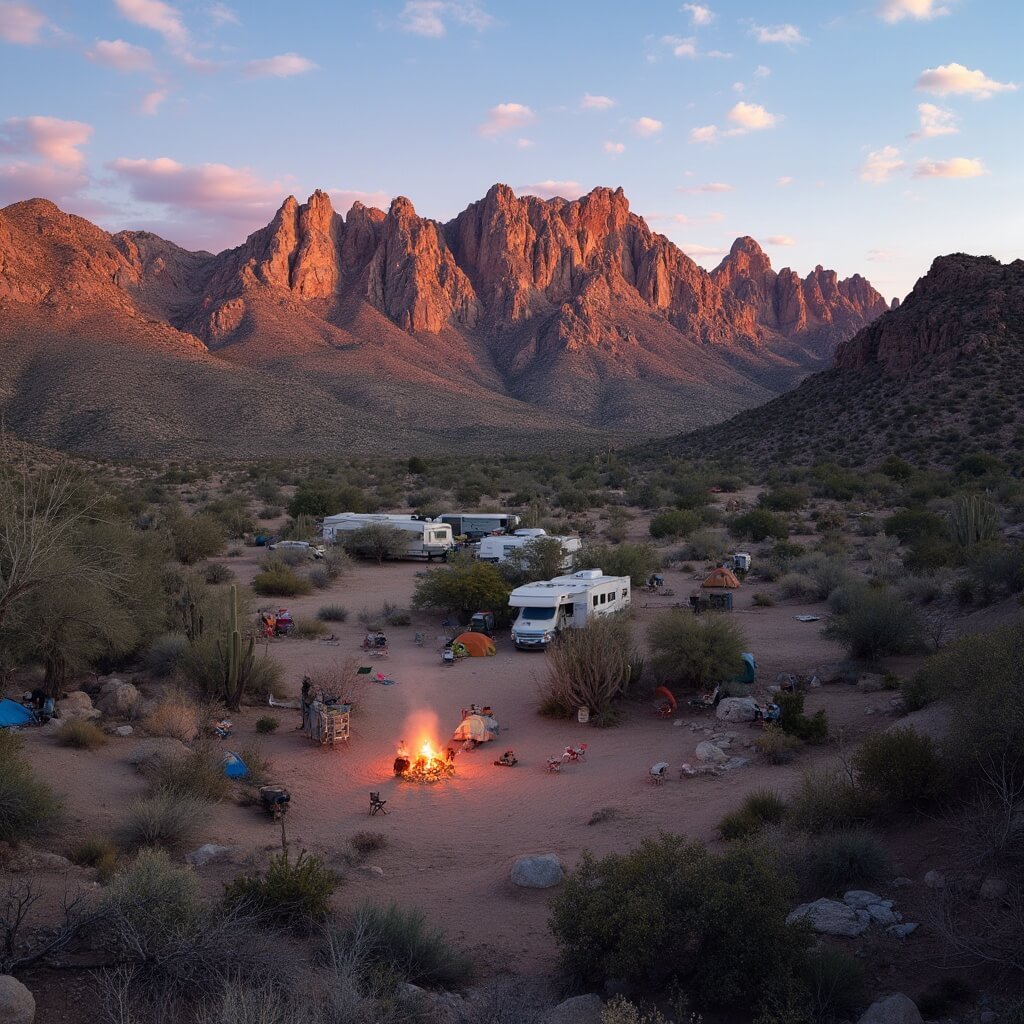
I discovered Willow Creek Campground during a last-minute trip when every park site was booked. Thirteen rustic sites with zero amenities except pit toilets and the kind of silence that makes city dwellers uncomfortable. No electricity, no water hookups, just pure off-grid desert camping.
Terlingua Ranch Primitive Camp spans 192,000 acres – larger than many national parks. Twenty designated sites spread across terrain so vast you might not see another camper for days. The ranch borders the park, so wildlife viewing rivals anything inside the official boundaries.
For something completely different, Coyote Crossing offers nine sites near the Mexican border where you can hear roosters crowing across the Rio Grande at dawn.
These private options often cost less than park camping and provide a backup when official sites are unavailable. Many offer the same stunning night skies and desert experiences without the bureaucracy.
The Terlingua Ghost Town Option Nobody Considers
Here’s what changed my perspective on Big Bend camping entirely.
Save this article
Enter your email and we'll send it straight to your inbox.
During my third visit, mechanical problems stranded me in Terlingua for two extra days. Instead of panicking about accommodation, I discovered the ghost town hostel – shared rooms and private options in buildings from the area’s mercury mining days.
Staying in Terlingua means:
- Walking distance to restaurants and bars (Big Bend Brewing Company serves excellent craft beer)
- Reliable Wi-Fi and mobile signal for those who need connectivity
- Hot showers and modern facilities without sacrificing the desert experience
- Easy park access for day trips without camping gear hassles
The ghost town sits just outside the park boundary but offers identical landscapes and night sky viewing. You get the convenience of restaurants and shops while maintaining that remote desert feeling.
Why River Camping Beats Everything Else
Most visitors never discover Big Bend’s river camping opportunities, which is criminal.
The Rio Grande cuts through three major limestone canyons – Santa Elena, Mariscal, and Boquillas. Multi-day float trips with overnight camping create experiences impossible anywhere else in America.
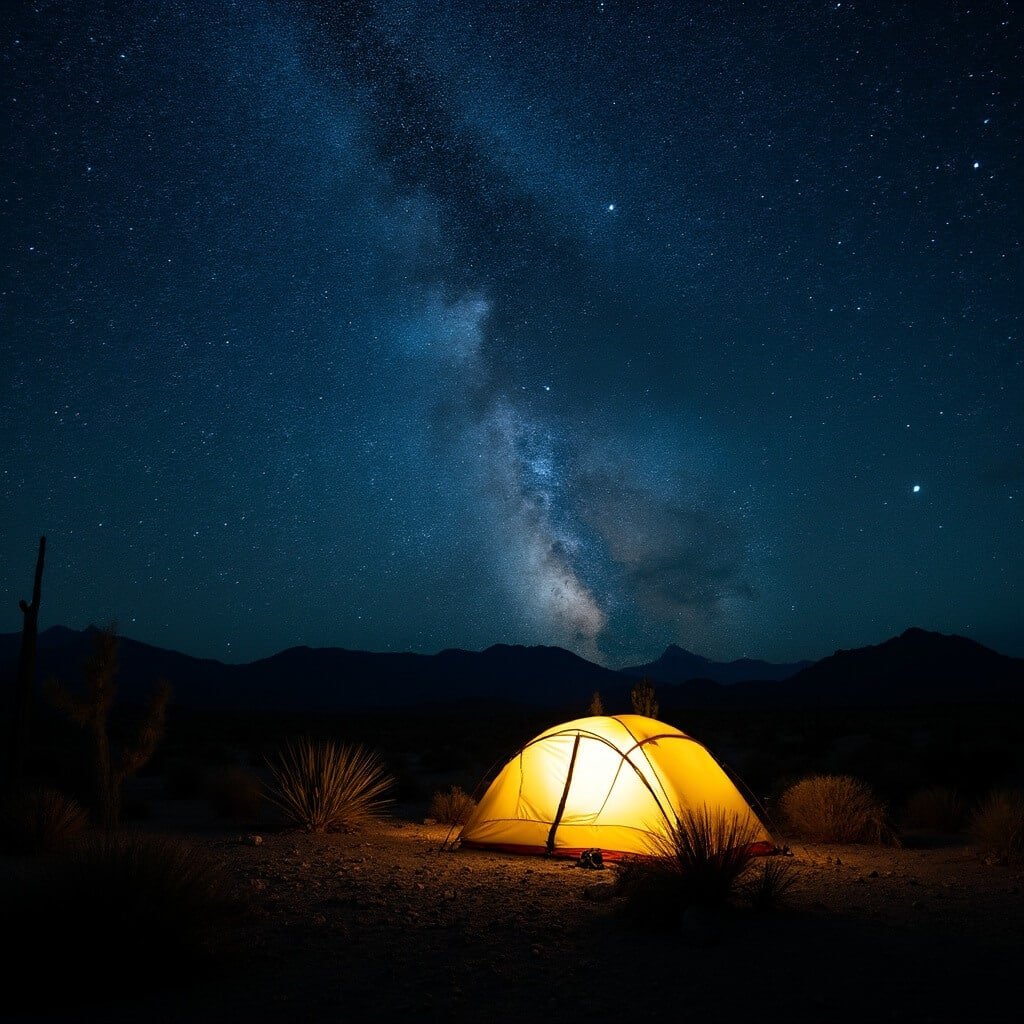
I spent four days floating through Santa Elena Canyon in 2022, camping on sand beaches under canyon walls that rise 1,500 feet straight up. Complete silence except for water lapping against rocks and occasional peregrine falcon calls echoing off limestone.
River trip permits are mandatory for all overnight floats. Day trips require permits too, but overnight camping transforms the experience entirely. You’ll fall asleep to stars reflecting in calm water and wake up to sun rays creeping down canyon walls.
The logistics require planning – you need river-worthy gear and either bring your own boats or arrange guided trips through licensed outfitters. But floating through remote canyons beats any traditional camping experience.
The Group Camping Nightmare (And How to Avoid It)
Big Bend’s group camping restrictions catch many families and friend groups off guard.
Fifteen people maximum for Chisos Mountains camping, with only one site accommodating the full number. Larger groups must split into separate, non-adjacent zones or obtain special use permits months in advance.
Desert backpacking groups face the same 15-person limit with additional restrictions. Groups exceeding this must camp in different zones entirely – you can’t just book adjacent sites.
I watched a family reunion group of 20 people get turned away at the visitor center because they’d booked sites assuming they could camp together. The ranger explained special permits require 30-60 days processing time, and their weekend trip became a logistical disaster.
Plan group trips 3-4 months ahead minimum. Special use permits involve paperwork, fees, and specific regulations that vary by location and group size.
The Chisos Mountains Lodge Alternative
Sometimes camping isn’t practical, and Big Bend offers one lodging option that doesn’t compromise the wilderness experience.
Chisos Mountains Lodge sits in the basin surrounded by peaks, offering modern rooms with mountain views. You’ll still wake up to desert wildlife and hiking trail access, but with air conditioning and comfortable beds.
The lodge works perfectly for:
- Families with young children who aren’t ready for tent camping
- Weather contingency plans during extreme temperature periods
- Mixing camping and comfort – some nights in tents, others in rooms
Major renovations begin July 2026, so book accordingly if lodge stays factor into your plans.
What The Construction Projects Mean for Your 2025-2026 Plans
Two large construction projects starting May 2026 will dramatically affect Chisos Basin camping and access.
The park hasn’t released specific details about campground closures or trail restrictions, but expect significant disruptions through 2026 and possibly into 2027.
Book 2025 trips now while access remains normal. The 2026-2027 period will likely see reduced campsite availability and alternative access routes to popular hiking areas.
Construction in national parks typically takes longer than estimated due to environmental protections and remote logistics. Plan 2026 trips with backup options and flexibility for unexpected closures.
The Stay Limits That Actually Matter
Big Bend’s camping limits seem complex but make sense once explained clearly.
Annual limit: 28 nights total across all park campgrounds and backcountry sites.
Peak season limit: Reduced to 14 nights between January 1 – April 15.
Consecutive stays: Maximum 14 nights without leaving the park.
Per-site limit: 14 nights maximum at any specific campsite per year.
These limits prevent long-term occupation while allowing serious adventurers multiple visits. You could theoretically camp 14 nights in January, leave for a week, then return for 14 more nights in different locations.
The system tracks everything digitally, so attempts to circumvent limits through multiple bookings under different names will result in cancellations and potential bans.
Making Your Big Bend Camping Decision
After six trips and countless nights under Big Bend’s impossible stars, here’s what I’ve learned:
First-time visitors should book Chisos Basin or Rio Grande Village for the full park experience with facilities.
Experienced campers who value solitude should explore backcountry options or private Terlingua area campgrounds.
RV travelers have limited options but shouldn’t skip the park entirely – Rio Grande Village RV Park provides adequate facilities in an extraordinary setting.
Groups larger than 10 need to start planning 4-6 months ahead with backup options for split camping.
Big Bend rewards preparation and punishes assumption. The park’s regulations exist to protect an ecosystem that supports over 450 bird species and some of the darkest night skies in America.
Learning to work within these systems unlocks camping experiences that will fundamentally change how you think about America’s wild places.
Once you’ve watched sunrise paint the Chisos Mountains red while coyotes call across silent desert, every other camping destination becomes a pale comparison to Big Bend National Park camping.
👇Ready To Book Your Trip?👇
This post may contain affiliate links. Please see my disclosure policy for details.
Want to keep this one?
We'll email you the link so you can find it again later.