If you’re wondering whether Valley of Fire State Park is worth carving out a day for while you’re in Las Vegas, the short answer is yes — but it depends a bit on what kind of trip you want. This is Nevada’s first and largest state park, sprawling across more than 40,000 acres of Mojave Desert about an hour northeast of the Strip. It opened on Easter Sunday in 1934 and got its official designation the following year, which makes it older than most of what people associate with the Las Vegas area. No casinos here. Just red rock, silence, and heat that’ll remind you why nobody built a city in this particular patch of desert.
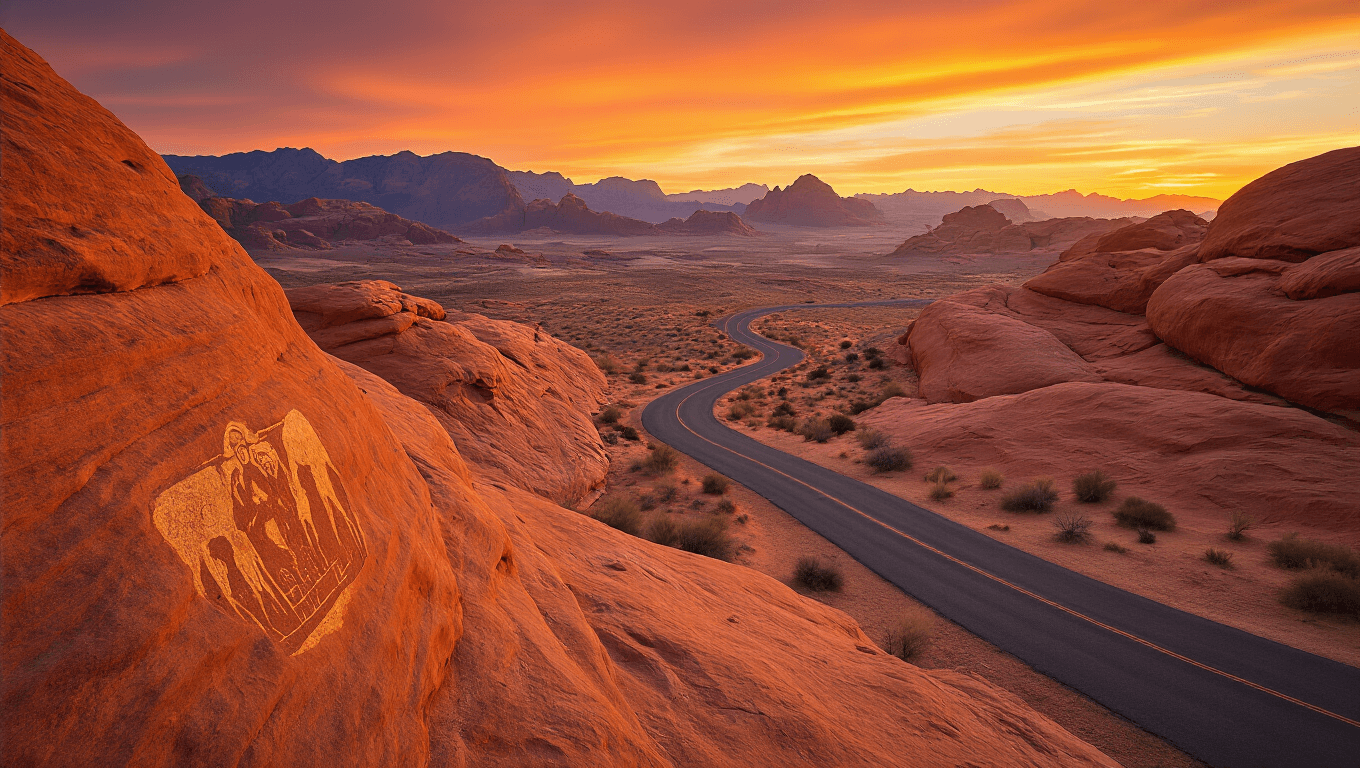
The name comes from how the Aztec sandstone looks when the light hits it right — a deep, almost glowing red-orange that seems to catch fire at sunset. Local lore says the name stuck after a motorist passing through in the 1920s saw the valley lit up that way and couldn’t stop talking about it. Having seen it myself on a late afternoon in October, I don’t think he was exaggerating. The rock genuinely looks like it’s smouldering.

What makes Valley of Fire worth visiting
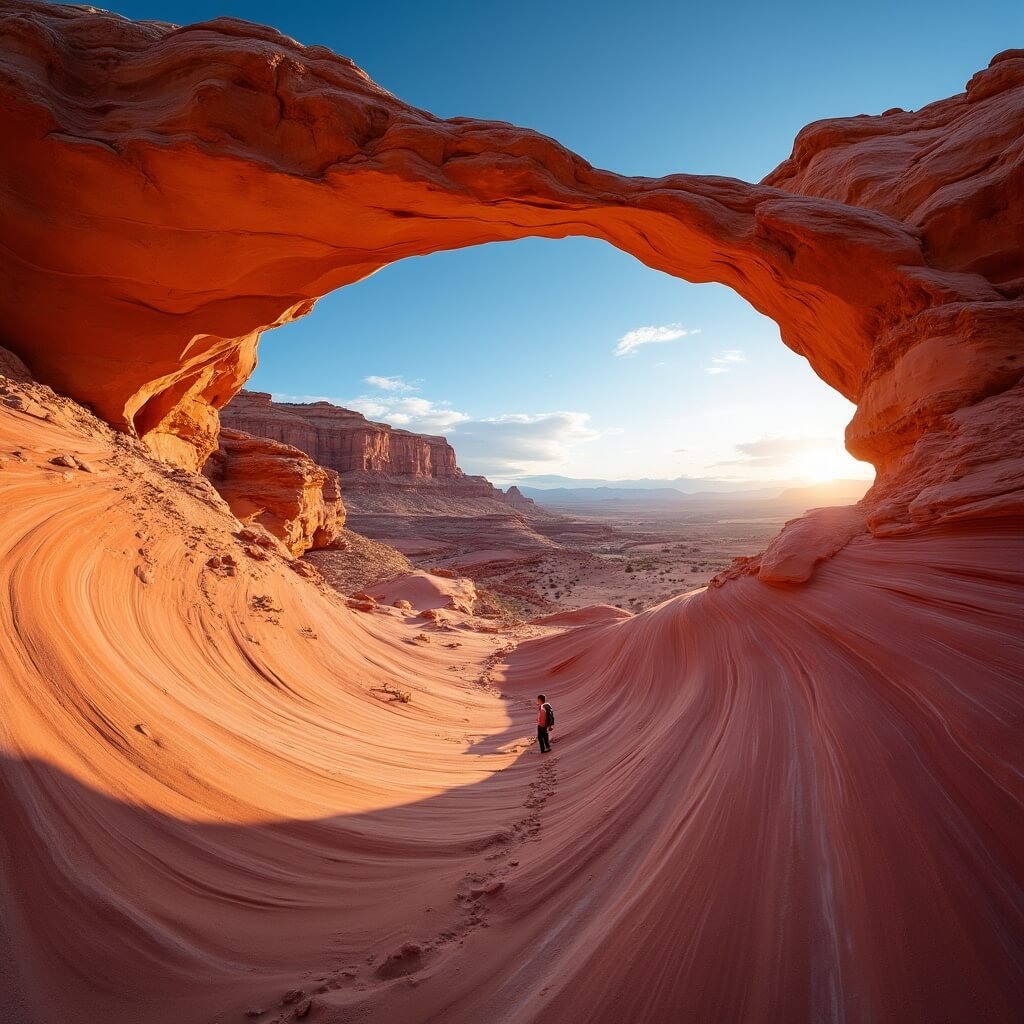
People come here for a handful of reasons, and most visitors end up doing some combination of all of them. The sandstone formations are the headline act — domes, arches, slot canyons and wave-like rock that look almost sculpted. Scattered through the park are petroglyphs left by people who lived here thousands of years before any of us showed up with a camera and a water bottle. There’s hiking for every fitness level, from five-minute strolls to half-day treks. You can picnic in shaded spots, camp overnight under a genuinely dark sky, or just drive through slowly with the windows down, stopping wherever something catches your eye. And because it’s close enough to Las Vegas to manage as a day trip, you don’t need to build an entire itinerary around it — though if you’ve got the time, staying over is worth considering.
This guide is for whoever’s doing the planning, whether that’s a first-timer trying to work out which entrance to use, a hiker deciding between Fire Wave and White Domes, a parent looking for something short and shaded, or someone bringing a dog and wondering if that’s even allowed. It is, by the way, but we’ll get to the specifics.
Getting there and finding your way in
The park’s address is 29450 Valley of Fire Road, Overton, Nevada 89040, and there are two main ways in: the West Entrance and the East Entrance. From Las Vegas, you’ll head out on I-15 North and exit toward Valley of Fire Road, driving through open desert that starts to feel remote surprisingly fast. Fill up your tank before you leave the city — there’s no petrol station inside the park, and I wouldn’t bank on finding one open on your way through the smaller towns either. Bring more water than you think you need. This matters more than people expect, and I’ll come back to it.
One thing I’d flag clearly: don’t rely on a rideshare to get you here, and definitely don’t rely on one to get you home. Mobile signal is patchy once you’re off the highway, and drivers aren’t exactly queuing up in the Valley of Fire car parks waiting for a fare. Drive yourself, or go with someone who can.
If you’re coming from Overton or the Moapa Valley side instead, State Routes 169 or 167 will bring you in through the East Entrance. This is a good option if you’re already exploring Lake Mead National Recreation Area, since the two sit close enough together to combine into one longer day out.
One important update for 2026 travel: the West Entrance is temporarily closed Monday through Thursday starting 3 August 2026, while construction crews put in a new entrance lane and fee booth. It stays open as normal Friday through Sunday, and the work is expected to run through to the end of the year. If you’re visiting midweek during that window, use the East Entrance via Route 169 or 167 instead — otherwise you’ll arrive at a closed gate with nowhere nearby to turn around and reconsider your options.
Hours, seasons, and the one date to avoid
The park itself is open daily, sunrise to sunset, all year round, with one notable exception I’ll mention in a moment. The Visitor Center runs shorter hours — 9am to 4pm daily — and it’s genuinely worth making your first stop there. The rangers know current trail conditions, which matters more here than at most parks, and the exhibits give useful context before you head out into the rock formations themselves.
Mark December 1st to the 14th off your calendar entirely. The whole park closes for annual maintenance during that fortnight, no camping, no day visits, nothing. I’ve heard of people driving up from Las Vegas not realising this and turning around at a locked gate, which is a long way to go for nothing.
The other closure to know about is less absolute but more important for hikers: many trails shut down from 15 May through 30 September because of the heat. This isn’t bureaucratic caution — people have died on short trails here in summer, and the closures exist specifically to cut down on medical emergencies and search-and-rescue callouts. Even outside those dates, always check current trail status before you set off, because conditions can shift.
What it actually costs
Entry fees are modest. Nevada-registered vehicles pay $10, out-of-state vehicles pay $15, and cyclists get in for $2. Camping runs $20 a night for Nevada residents and $25 for everyone else, with an extra $10 if you want utility hookups. If you’re bringing a school group or anything similarly organised, you’ll likely need a permit or fee waiver — contact the park around a month ahead of time to sort that out.
When you’re budgeting for the day, don’t just think about the entrance fee. Factor in fuel for the drive, food and water (bring more than feels necessary), and any camping costs if you’re staying over. Fees do shift occasionally, so it’s worth a quick check before you travel rather than assuming the numbers above are locked in forever.
How the landscape actually formed
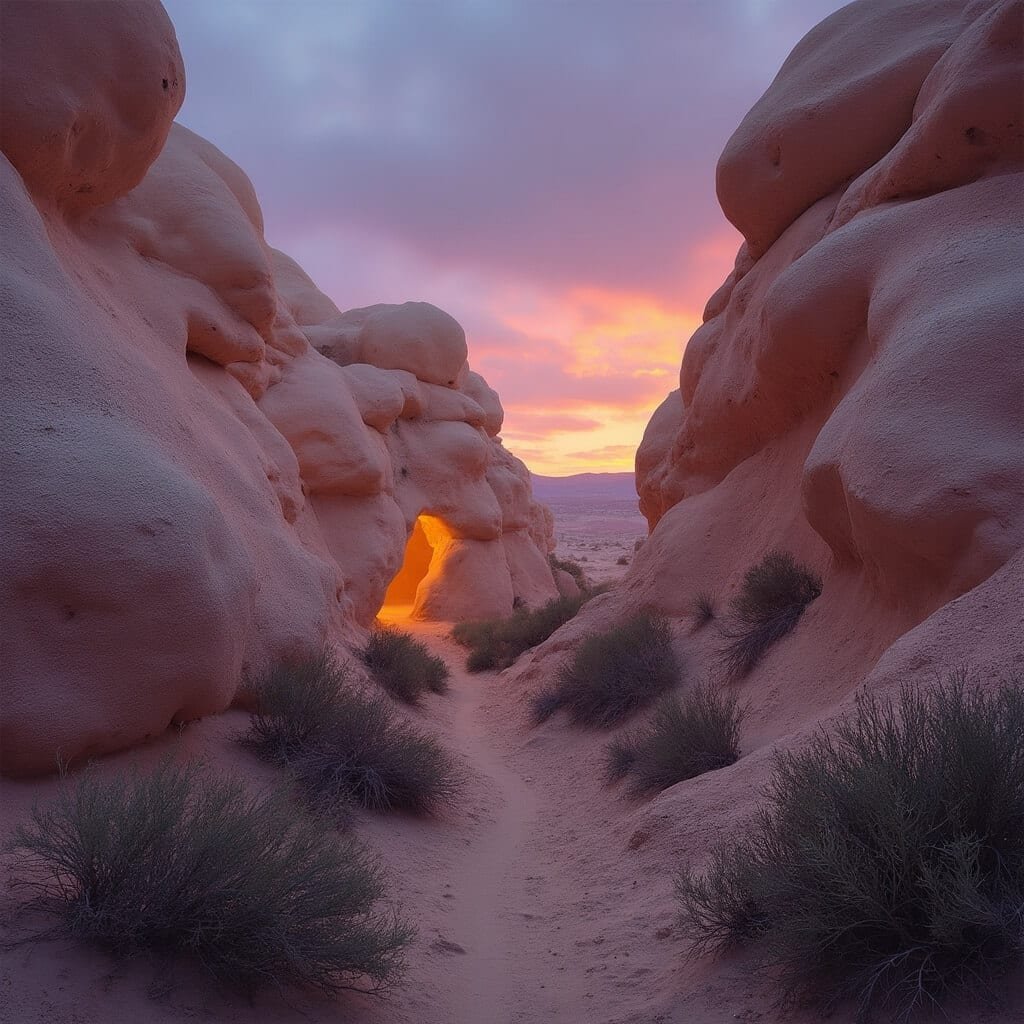
The red sandstone that gives the park its name started out, bizarrely, as sand dunes. More than 150 million years ago, during the Jurassic period, vast windblown dunes covered this region, and over an almost incomprehensible stretch of time they compacted and cemented into what’s now called Aztec sandstone. The red, orange, and rust colouring comes down to iron oxide trapped in the rock — essentially, it’s rusting very, very slowly, and has been for millions of years.
Wind and water haven’t stopped working on it since. Erosion carved out the arches, domes, slot canyons, and the strange wave-like patterns that draw photographers from all over the world. Nothing here is static, even if it looks like it on a quiet afternoon — it’s just moving on a timescale none of us will notice.
Underneath and around the red sandstone, you’ll notice paler grey and tan rock — that’s older limestone, formed when shallow seas covered this part of Nevada long before the dunes ever existed. It’s an odd thing to stand in the middle of a bone-dry desert and think about ancient seafloor, but that’s genuinely what you’re looking at in places.
Related Articles
👇Find The Cheapest Flights To Anywhere Here👇
Save this article
Enter your email and we'll send it straight to your inbox.
The formations everyone comes to see
A few spots get photographed far more than others, and for good reason.
- Fire Wave — layered sandstone in red, white and pink that genuinely ripples like a frozen wave. It’s become one of the most Instagrammed spots in Nevada, and it earns it.
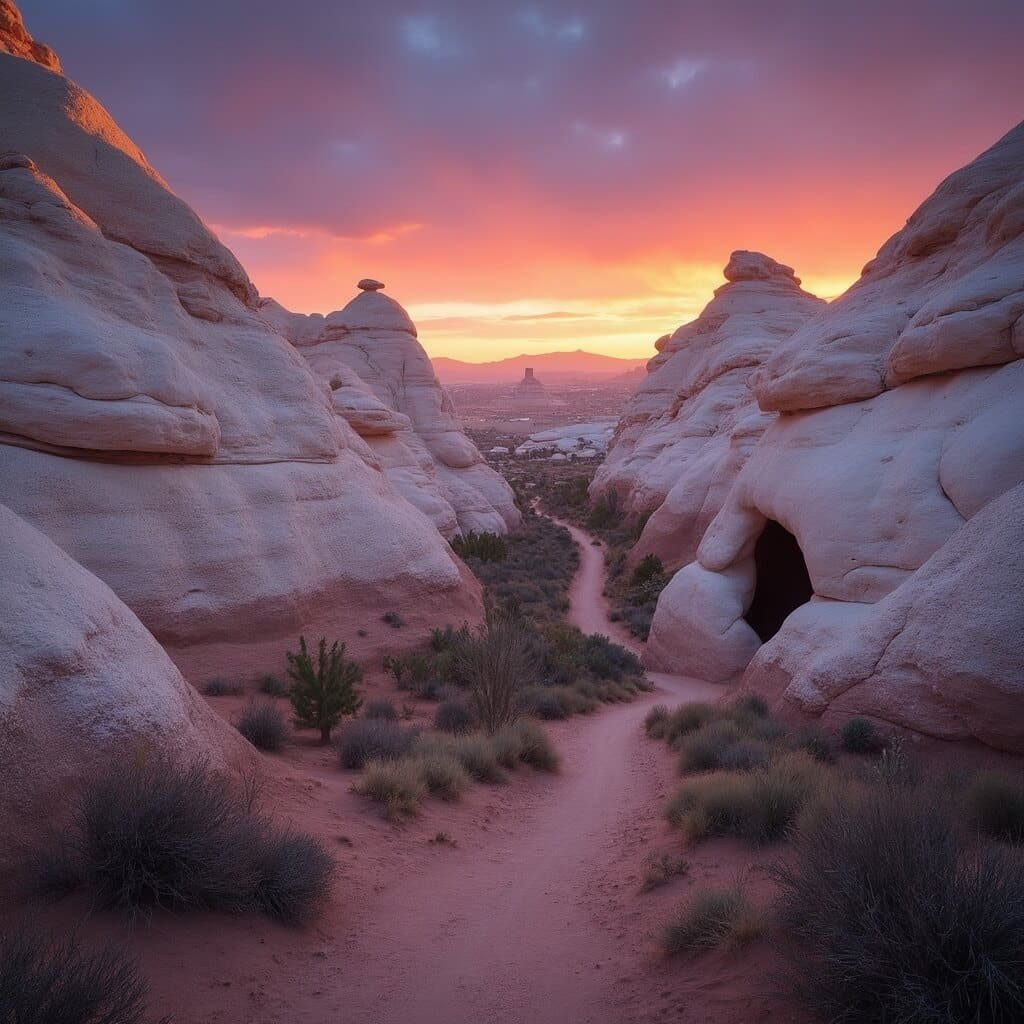
- White Domes — pale, bulbous rock formations with a narrow slot canyon running through them, plus the ruins of an old film set tucked into the trail.
- Elephant Rock — exactly what it sounds like, a wind-carved formation with a trunk and all.
- Arch Rock and Natural Arch — two different demonstrations of what erosion does given enough time. Don’t climb on either, however tempting the photo angle looks.
- Beehives — rounded formations with visible cross-bedding, a nice visual lesson in how ancient dunes shifted direction over time.
- Fire Canyon and Silica Dome — less crowded viewpoints with sweeping views over multicolored rock layers.
I’d budget a full day if you want to see most of these properly, longer if you’re hauling a tripod and chasing specific light.
A place people lived in long before it was a park
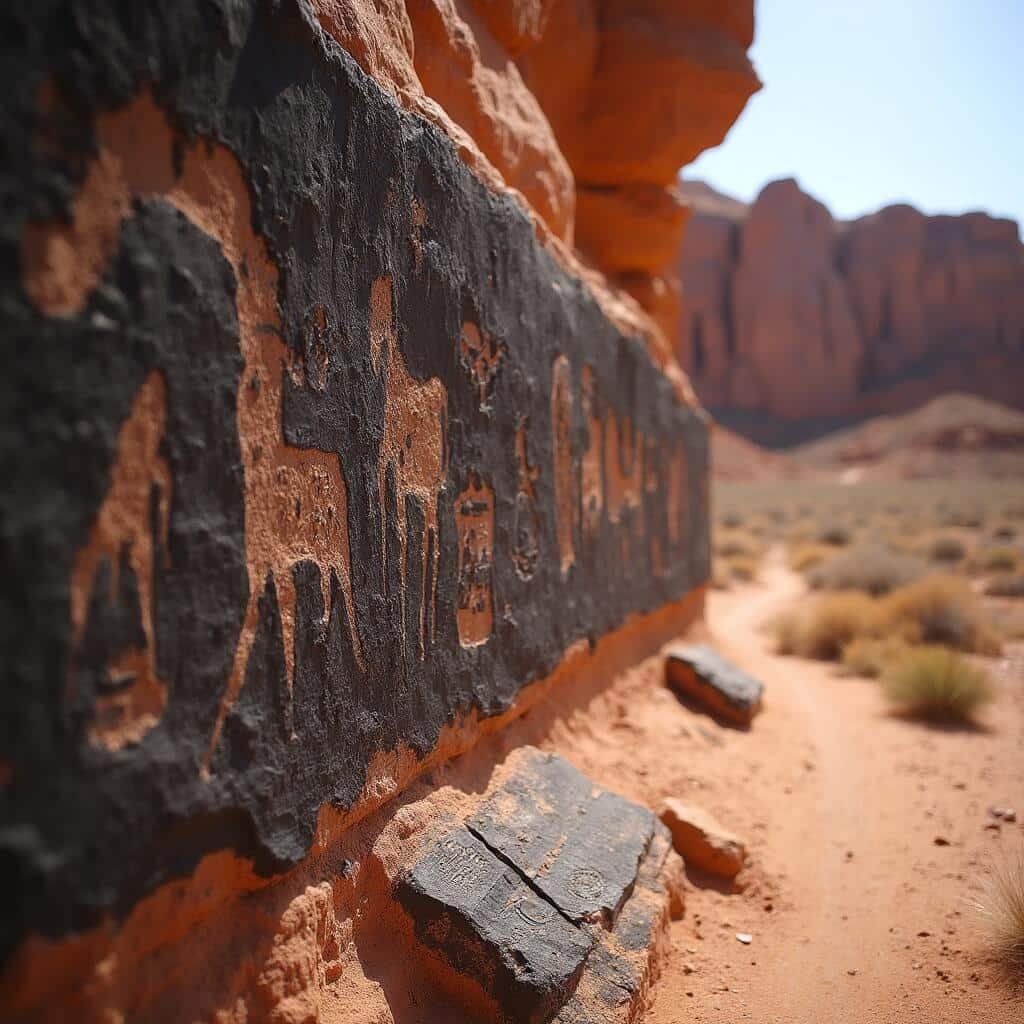
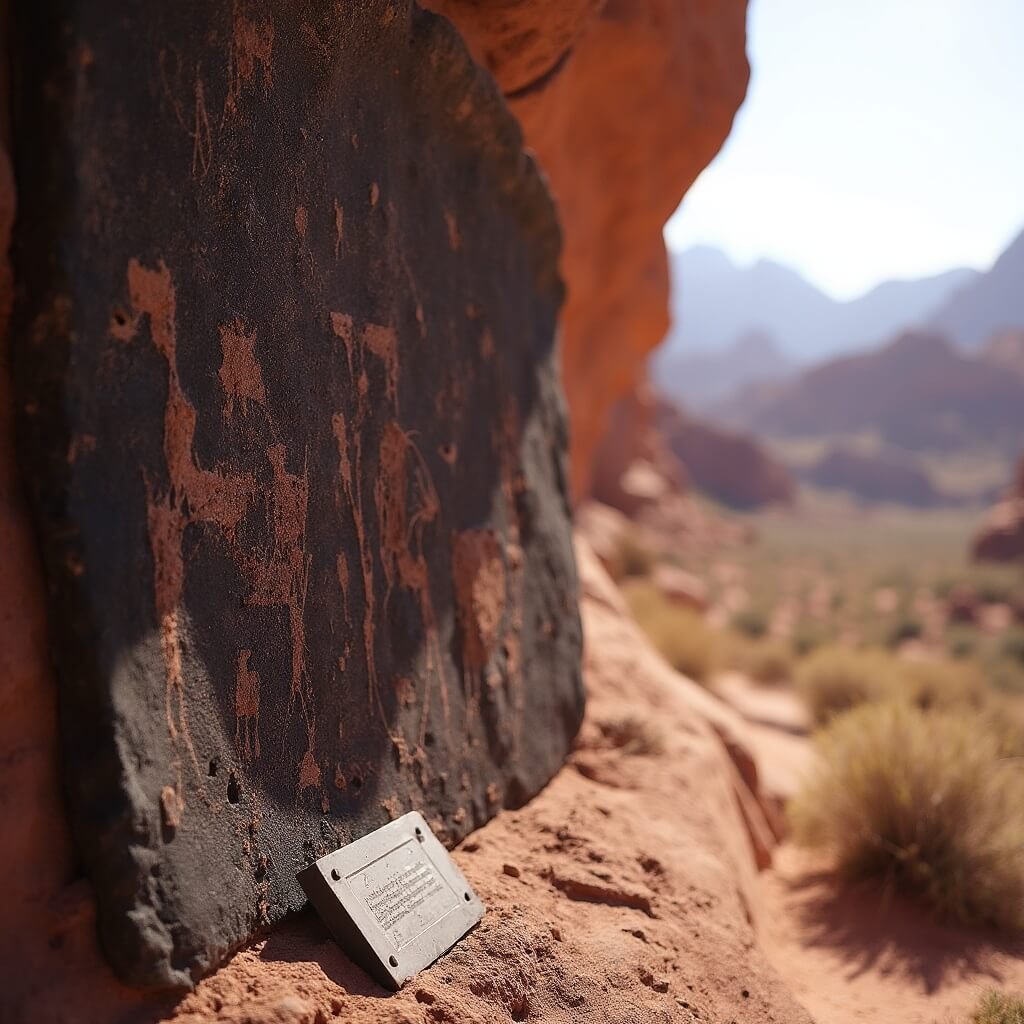
It’s easy to treat Valley of Fire as pure scenery, but people have been here for roughly 11,000 years, and the park holds real evidence of that. Petroglyphs linked to the Basketmaker culture date back around 2,500 years, carved into the dark desert varnish coating the sandstone. Later, early Pueblo communities used the area for hunting, farming, travel, and ceremony. Southern Paiute — Nuwu or Nuwuvi — communities maintain cultural ties to this land that continue today, which is worth keeping in mind as you walk through. This isn’t a museum piece. It’s a living connection for people still here.
You’ll find the best-known rock art at Atlatl Rock and Mouse’s Tank, among other marked sites along the trails. Nobody can tell you with total certainty what every symbol meant to the people who carved it, and I’d be suspicious of any guide who claims otherwise. What’s certain is that touching, tracing, chalking or climbing on these panels causes real damage, and removing rocks, artifacts or petrified wood is both illegal and, frankly, a rubbish thing to do. Photograph what you see. Leave it exactly as you found it.
The more recent human history is shorter but still interesting. A rough road built in 1912 eventually became part of the Arrowhead Trail, linking Salt Lake City to Los Angeles, and around 8,500 acres were handed over to Nevada in the 1920s as the foundation of what would become the park. The Civilian Conservation Corps built much of the early infrastructure in 1933 — roads, facilities, and the stone cabins you can still see today, which are worth a stop just to appreciate how much work went into a desert outpost during the Depression.
Picking a hike that suits you
This is where most people get stuck, so here’s a rough breakdown by effort level.
- Short and easy: Mouse’s Tank (0.7 mile, petroglyphs and a water pocket), Petrified Logs Loop (0.3 mile), Balancing Rock (0.1 mile).
- Moderate: White Domes Loop (1.1 miles, slot canyon and film-set remains), Fire Wave/Seven Wonders (1.8 miles for the full loop, shorter if you just want Fire Wave and back), Rainbow Vista (1 mile), Elephant Rock Loop (1.2 miles).
- Longer: Natural Arch (2.5 miles when open), Charlie’s Spring (4.7 miles), Pinnacles Loop and Prospect Trail for those after solitude and fewer crowds.
I did White Domes and Fire Wave back to back on my visit and regretted not starting earlier — by midday the sand was radiating heat through my boots, and the “easy” loop felt considerably harder than its mileage suggested. That’s a pattern here: trails are short on paper and deceptively tough in practice, mostly because there’s so little shade and the sand itself seems to fight you with every step.
Driving, photographing, and just sitting with it
You don’t have to hike at all to get something out of Valley of Fire. Plenty of people drive the main road slowly, pulling into marked lots at Fire Wave, White Domes, Elephant Rock, Atlatl Rock, Rainbow Vista and the CCC cabins, hopping out for ten minutes at each. It’s a perfectly legitimate way to see the park, and honestly, it’s how I’d recommend a first visit if you’re short on time.
For photography, sunrise and sunset give you softer light and the colour the park is famous for — midday sun makes everything look flatter and the contrast gets harsh fast. If you’re there for photos specifically, build your day around the light rather than your schedule. And wherever you’re standing, resist climbing on anything fragile for a better angle. I’ve seen people perched on arches that have survived millions of years of erosion but probably weren’t built to survive a size-11 hiking boot.
If you just want to sit somewhere shaded with a sandwich, there are proper picnic areas at Atlatl Rock, Seven Sisters, the Cabins, Mouse’s Tank and White Domes, all with tables and some shade structure. Pack out whatever you bring in, and don’t leave food sitting around — the wildlife here is more opportunistic than you’d expect from how empty the place looks.
Staying overnight
Camping is a genuinely good option if your schedule allows it, mostly because the night sky out here is the kind you forget exists when you live near a city. The park has two campgrounds with 72 sites between them, some with RV hookups, water and power, plus showers and a dump station. Reservations are necessary, group sites are available for up to 45 people each, and the maximum stay is 14 days within any 30-day period. Stick to designated sites, use the grills provided rather than building your own fire pit, and keep noise down after dark — sound travels a long way out here and nobody wants their stargazing interrupted by someone else’s playlist.
When to go, and when really not to
Fall through spring is the sensible window for this park — comfortable hiking temperatures, better light for photos, and none of the trail closures that kick in from 15 May through 30 September. Summer here isn’t just unpleasant, it’s genuinely dangerous; people have needed rescuing, and worse, on trails that look harmless on a map. If you can only visit in summer, treat it as a sunrise-and-leave-by-ten kind of trip, and skip the longer hikes altogether.
Carry more water than feels reasonable. Trails will feel longer than their listed distance once you’re out in the heat and loose sand, and dizziness, nausea or unusual fatigue are signs to stop immediately, find shade and reassess — not symptoms to push through. Keep an eye on the weather too, since flash floods can turn a dry wash into a genuine hazard with very little warning, and narrow canyons are the last place you want to be when that happens.
Worth the drive?
For me, yes, without much hesitation. Valley of Fire delivers more scenery and history per mile than almost anywhere else within reach of Las Vegas, and you don’t need to be an experienced hiker or a geology buff to appreciate it — you just need to show up with water, sun protection and a bit of patience for the heat. If I were advising a first-timer, I’d say skip the ambitious all-day hiking plan on your first trip and instead drive the main road, stop at four or five of the big formations, walk Mouse’s Tank for the petroglyphs, and leave wanting more. That’s exactly what sends people back for a second visit to Valley of Fire State Park, properly prepared, with an earlier start and a longer list of trails to tackle.
- Walk Among the Bristlecone Pines in Nevada
- Explore Joshua Tree National Park
- Take a Scenic Cruise on Lake Powell
- Take a Cave Tour in Jewel Cave National Monument
- Explore More Outdoor Adventure Destinations
👇Ready To Book Your Trip?👇
This post may contain affiliate links. Please see my disclosure policy for details.
Want to keep this one?
We'll email you the link so you can find it again later.