

Whale watching in Monterey Bay is one of those rare travel experiences that actually lives up to the brochure. I’ve taken more of these trips than I can count over the years, and I still get the same jolt of adrenaline every time a dark shape rolls at the surface a hundred metres off the bow. But before you book anything, it helps to understand why this particular stretch of California coastline is so good for it — and what you’re actually signing up for once you’re on the boat.
Why Monterey Bay Works So Well for Whale Watching
The secret is underneath the water, not on top of it. Monterey Bay sits right on the edge of an underwater canyon — deeper in places than the Grand Canyon — and that geography forces cold, nutrient-rich water up from the depths. This upwelling feeds a chain of life that starts with plankton and krill and ends, eventually, with a sixty-foot humpback lunging through a bait ball a few boat-lengths from where you’re standing.
What that means practically is that Monterey Bay is one of the few places on earth where you can reliably see whales in every season, not just during a narrow migratory window. Most people plan whale watching trips like they’d plan a trip to see cherry blossoms — pick a date, hope for the best. Here, operators run trips year-round because there’s always something moving through, even if the species changes with the calendar.
The whole bay is also protected as part of the Monterey Bay National Marine Sanctuary, which isn’t just a bureaucratic label. It means boat traffic, fishing, and wildlife approach distances are all regulated, so the animals aren’t being hassled into hiding, and the biodiversity here has stayed remarkably intact compared to less protected coastal waters.
What an Actual Trip Looks Like
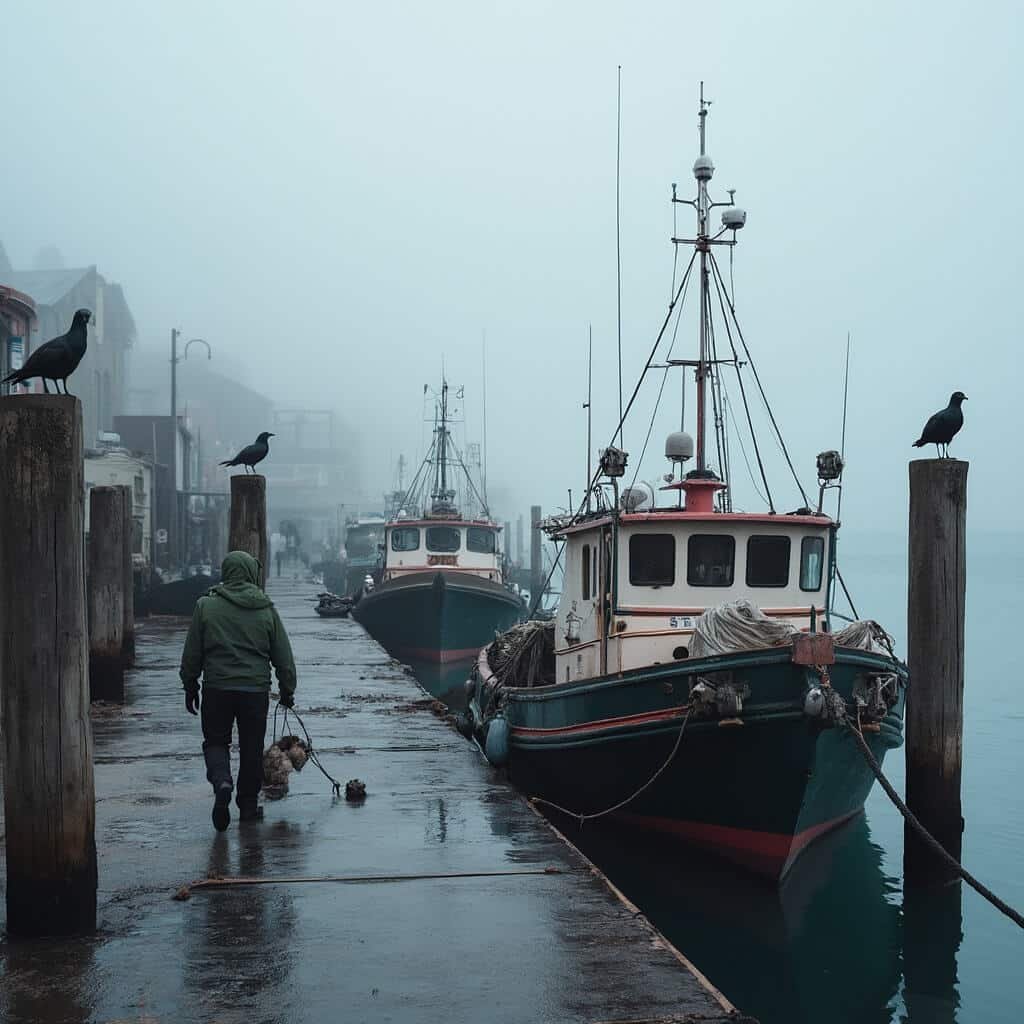
Most whale watching tours out of Monterey run somewhere between two and a half and four hours, which is long enough to get out to where the whales are but short enough that you’re not stuck on a rocking boat all day unless you want to be. Boats leave mainly from two spots: Fisherman’s Wharf and Monterey Harbor, both a short walk from downtown. There’s also a smaller cluster of operators launching from Moss Landing, roughly halfway up the bay, which sits closer to the canyon itself and appeals to people who want a smaller boat and a shorter run to the good water.
Beyond the standard daily trip, there’s more variety than most visitors expect:
- Short daily trips (2.5–4 hours) — the standard option, running morning and afternoon
- All-day tours (8–12 hours, seasonal) — for people who want maximum time and don’t mind a long day at sea
- Sunset cruises combining whale watching with a dolphin-heavy, golden-hour boat ride
- Killer whale search trips, seasonal and genuinely a bit of a gamble
- Private charters, popular with families, small groups, and the odd film crew
I’d steer most first-timers toward the standard 3-4 hour trip. The all-day tours are brilliant if you’re a serious birder or already whale-obsessed, but for most people, four hours is plenty of time on a boat that doesn’t have much shade.
When to Go Depending on What You Want to See
This is where people trip themselves up. There’s no single “best month” for whale watching in Monterey Bay — it depends entirely on which whale you’re after.
Gray Whales
Gray whales pass through from December to April, with the migration peaking in January and March as they travel between Arctic feeding grounds and the calving lagoons of Baja California. These are often visible surprisingly close to shore, which makes for a different kind of viewing experience — less breaching spectacle, more steady, purposeful travel.
Humpback Whales
Humpback whales are the bay’s bread and butter and the species you’re most likely to see regardless of when you visit. They’re around from April through December, with the density peaking from March through November and really hitting its stride in July and August. Some operators will tell you humpbacks are effectively a year-round sighting, and there’s truth to that, but summer and early autumn is when you get the big feeding displays — lunge-feeding, breaching, the lot.
Blue Whales
Blue whales are the wildcard everyone wants to see, understandably, since they’re the largest animals to have ever lived. They show up from May through October, generally peaking in July and August, though it depends heavily on krill abundance that year. I’ve had trips in August where we saw three blues and trips in the same month the year before where we saw none. There’s no guarantee with this one.
Orcas
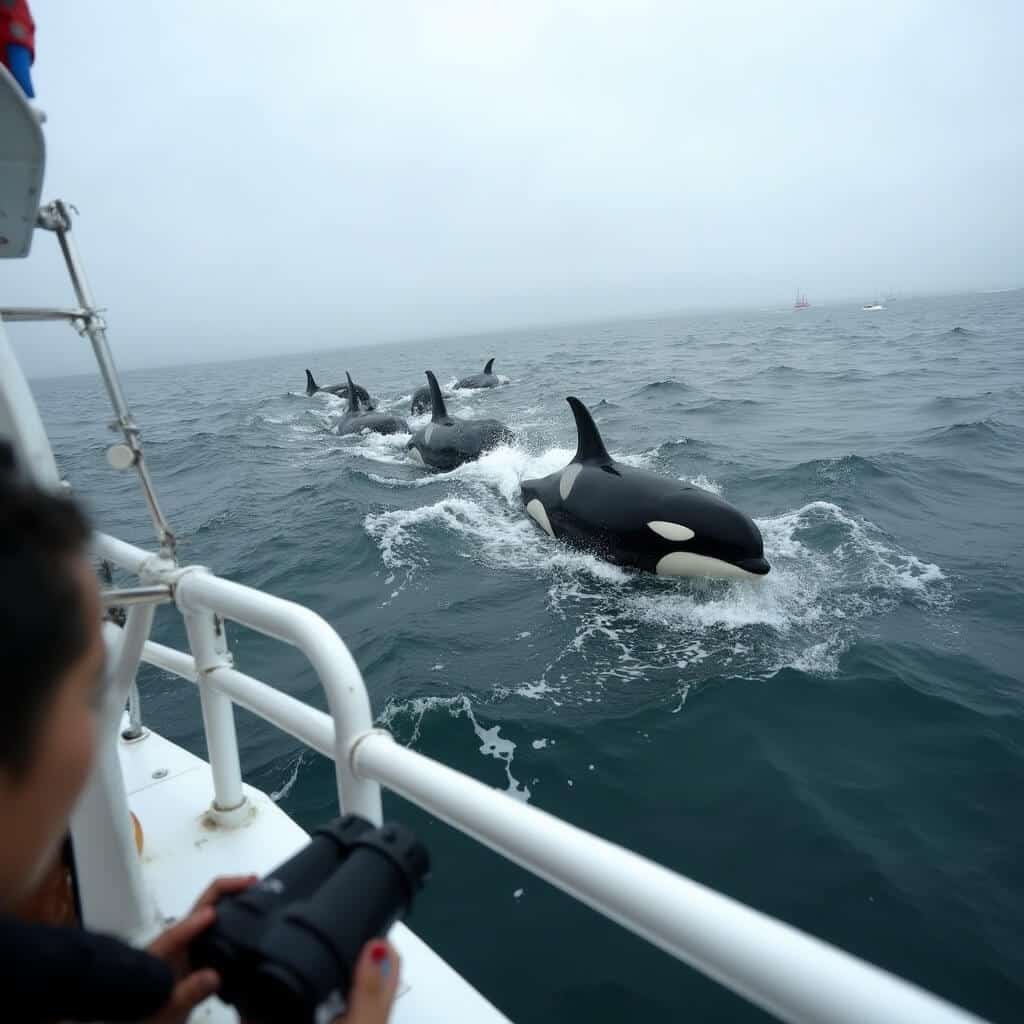
Orcas are the trickiest of the lot. They can appear any time of year, but sightings cluster a bit more heavily from mid-April to mid-May and again from late August through October. I wouldn’t book a trip solely hoping for orcas unless you’re prepared to be disappointed — though when it happens, it’s unforgettable.
If I had to pick one stretch for a first-timer wanting the best overall chance at variety — multiple whale species, dolphins, seabirds — I’d say go between July and September. It’s genuinely the richest window on the calendar. Winter has its own appeal if gray whales specifically interest you, but the overall diversity drops.
On the question of morning versus afternoon, I’ll admit the advice online is a bit contradictory. Most operators push their 9 a.m. departures as the better option, partly because those trips run longer and get further offshore, which matters if you’re chasing blues or orcas. But I’ve had excellent afternoon sightings too — a friend of mine swears her best-ever humpback encounter, three whales bubble-net feeding right off Moss Landing, happened on a 1:30 p.m. trip in September. So don’t over-plan around time of day. Focus more on season and trip length.
Choosing an Operator
There are a handful of established companies running the show in Monterey Bay, and the differences between them are worth knowing before you hand over your card details.
Monterey Bay Whale Watch
Monterey Bay Whale Watch is the name that comes up most often, and deservedly — they run the full range from short daily trips to 12-hour marathons, plus sunset cruises, killer whale searches, and pelagic seabird trips for the more obsessive birders among us. Their naturalists are properly knowledgeable, not just reading off a script. Expect to pay somewhere in the £/$70–90 range for a standard adult ticket, more for the longer specialty trips.
Discovery Whale Watch
Discovery Whale Watch runs a simpler, more predictable schedule out of Fisherman’s Wharf — a 9 a.m. trip lasting three and a half to four hours, a shorter 1:30 p.m. departure, and seasonal sunset trips. Prices sit around $75–85 for adults. It’s a solid, no-frills choice if you just want a reliable trip without wading through too many options.
Princess Monterey Whale Watching
Princess Monterey Whale Watching operates two of the largest vessels on the bay, both over a hundred feet, with proper indoor seating and a 360-degree walk-around deck. If you’re bringing kids, elderly relatives, or anyone who gets cold easily, the size and comfort of these boats is a genuine advantage — you’re not clinging to a railing on a small, bouncing hull. They also run K-12 education trips, which tells you something about how seriously they take the interpretive side of things.
Then there’s Moss Landing, which I have a soft spot for. The trips here tend to run on smaller boats with smaller groups, and because you’re launching from a point closer to the canyon edge, you can reach productive water faster. It won’t suit everyone — smaller boats mean more movement in choppy conditions — but if you want a more intimate experience over sheer comfort, it’s worth considering over the bigger Monterey-based fleets.
Looking for more unforgettable water adventures? Discover Another Unforgettable Water Adventure at Lake Powell
Save this article
Enter your email and we'll send it straight to your inbox.
Want to explore more natural wonders? Explore More Natural Wonders at Joshua Tree National Park
👇Find The Cheapest Flights To Anywhere Here👇
What You’ll Actually See Out There
It’s worth setting expectations properly, because “whale watching” covers a lot of ground, and not every trip delivers a breaching giant on cue.
Humpbacks are the ones you’ll see most often, and by a wide margin. During peak season, operators will quote sighting rates close to 99%, and in my experience, that’s not just marketing spin — I’ve been out a dozen times between June and October and come up empty exactly once. What you get varies enormously though. Sometimes it’s a distant blow and a tail fluke as one dives. Other times you get lunge-feeding right at the surface, whales barreling up through a ball of anchovies with their mouths open and gulls screaming overhead, which is as close to a wildlife documentary moment as you’ll get without a film crew’s budget.
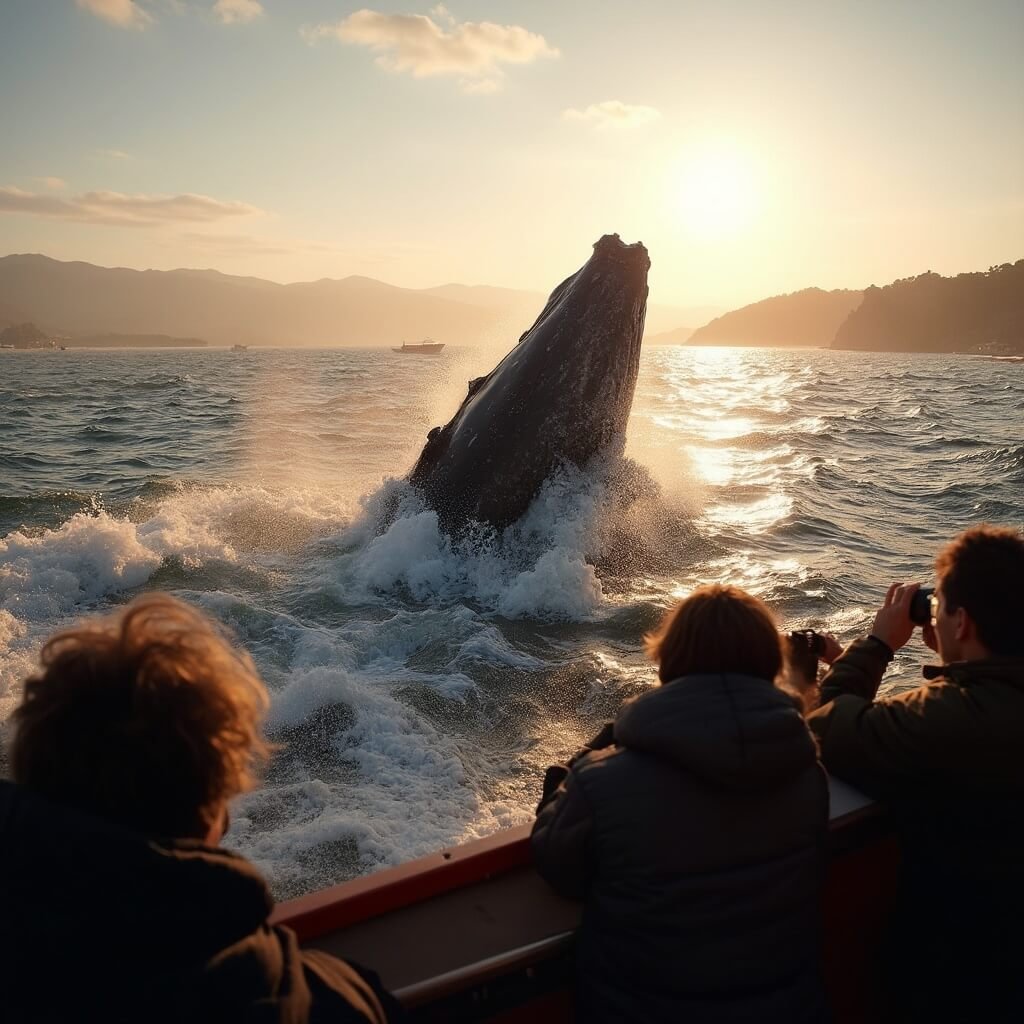
Gray whales are a different sort of encounter entirely. They’re migrating, not feeding, so you tend to see them traveling in a fairly businesslike way, often surprisingly close to the shoreline, sometimes popping their heads up to spyhop and get a look around. There’s less drama but more intimacy to it — you’re watching an animal doing an old, deliberate thing it’s done for millennia, not performing for an audience.
Blue whales, when they show up, are simply enormous in a way photos don’t prepare you for. Even from a hundred meters away, the length of one surfacing changes your sense of scale for the rest of the day. They’re usually just feeding quietly on krill, not breaching or slapping, so the spectacle is more about size than behavior.
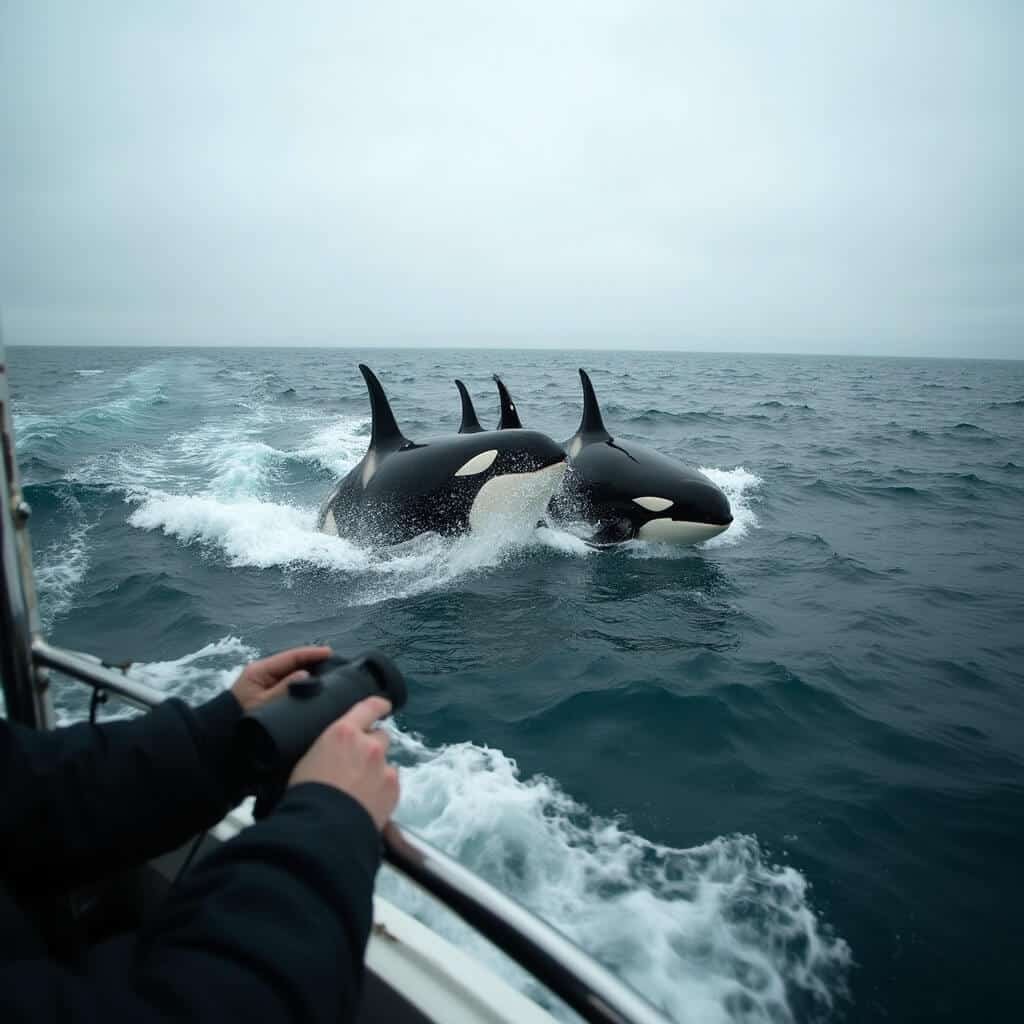
Orcas are the jackpot. I’ve only had two proper orca encounters in years of doing this, and both times the boat went fairly electric — even the naturalists, who see this stuff constantly, get visibly excited. They’re often spotted hunting, sometimes working together on a sea lion or another marine mammal, which is thrilling and, if you’re squeamish, occasionally a bit much.
Beyond the whales themselves, you’ll almost certainly see dolphins in the warmer months — Risso’s dolphins with their scarred grey skin, Pacific white-sided dolphins that love riding the bow wave, and if you’re lucky, northern right whale dolphins, which look almost eel-like without a dorsal fin. Sea lions and harbor seals are a given near the harbor mouth, lounging on buoys looking thoroughly unbothered by the boat traffic. And if you care at all about birds, the pelagic species out here — shearwaters, albatrosses drifting past on stiff wings — are worth paying attention to even if whales are the main draw.
Sorting Out the Practical Details
Budget-wise, a standard group trip will run you somewhere between $60 and $90 per adult, depending on the season, the operator, and how long you’re out. Children usually get a discount, and infants often ride for a nominal fee, sometimes just a few dollars. If you want something more bespoke — a smaller group, a specific focus, more flexibility on route — private charters exist, but they start around $1,500 for the boat, which only makes sense if you’re splitting it across a decent-sized group.
I made the mistake once of booking a summer Saturday trip three days out, assuming there’d be plenty of space. There wasn’t — we got the last four seats on the last trip of the day, at the highest price bracket, on a boat so full I ended up watching most of the trip from a spot near the stern I wouldn’t have chosen. Prime season weekends sell out here, properly sell out, so if you’re traveling in July or August, book at least a week or two ahead. Winter gray whale season is more forgiving, but even then, holiday weekends fill up fast.
When you’re choosing between operators, don’t just go on price. Look at vessel size if comfort matters to you, check whether they employ actual naturalists rather than just a captain narrating from memory, and if you’re specifically after orcas, book with an operator that runs dedicated search trips rather than hoping a standard tour gets lucky.
What the Day Itself Feels Like
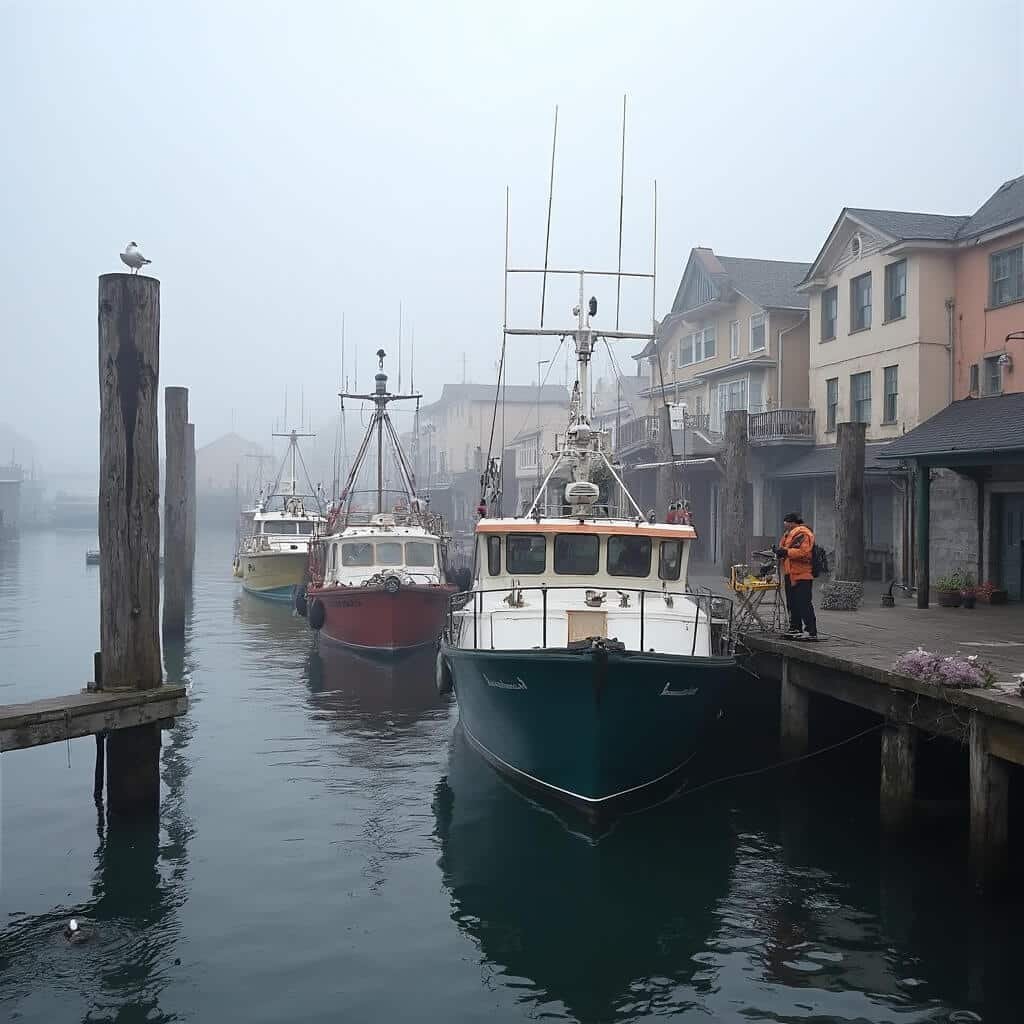
You’ll typically be asked to check in about half an hour before departure — so if your trip leaves at 10, turn up by 9:30. This isn’t just bureaucratic box-ticking; boats need time to get everyone aboard, run through safety instructions, and cast off on schedule, and latecomers genuinely do get left on the dock. The harbor itself is worth arriving early for anyway. Fisherman’s Wharf has a slightly worn, workaday charm — fishing boats coming and going, sea lions barking somewhere just out of sight, the smell of the bait shop drifting over — and it’s a nice way to ease into the day before the open water gets more serious.
Once you’re moving, the trip is almost always narrated, either by the captain or by an onboard naturalist, and the good ones make a real difference. They’ll explain what a spout tells you about a whale’s size and species, point out subtle surface behavior you’d otherwise miss entirely, and generally turn a boat ride into something closer to a guided lesson in marine biology. On the bigger boats, you’ve got a genuine choice of indoor cabin seating or outdoor deck space, and some have a 360-degree walkway that lets you follow the action from whichever side the whale surfaces on — genuinely useful, because whales have no obligation to stay on the side you happened to choose.
Conditions offshore can shift fast. It might be flat calm in the harbor and properly choppy twenty minutes out, so dress in layers, bring something waterproof, and don’t assume a sunny morning means a warm afternoon on open water. If you’re at all prone to seasickness, take something an hour before departure rather than waiting to see how you feel — by the time you know, it’s usually too late to do much about it.
For photography, the outer rail near the bow tends to give the clearest shots, though it’s also where the spray hits hardest. A zoom lens helps enormously, since whales rarely surface as close as you’d like, and binoculars are worth having even if you’re not shooting photos at all — half the sightings on any trip are distant blows that are much more rewarding through glass than with the naked eye.
If you only do one thing in Monterey, make it this. I’ve recommended it to friends who claimed no real interest in wildlife and watched every one of them come back grinning like they’d seen something they weren’t quite expecting to feel moved by. Just pick your season based on what you actually want to see, book earlier than feels necessary, and go whale watching in Monterey Bay with reasonable expectations about the weather and an unreasonable amount of patience for staring at empty water — because that’s usually right before something enormous breaks the surface.
For those interested in more adventures, discover another scenic boat adventure on Lake Powell or explore more water-based sightseeing tours in Wisconsin Dells.
👇Ready To Book Your Trip?👇
This post may contain affiliate links. Please see my disclosure policy for details.
Want to keep this one?
We'll email you the link so you can find it again later.