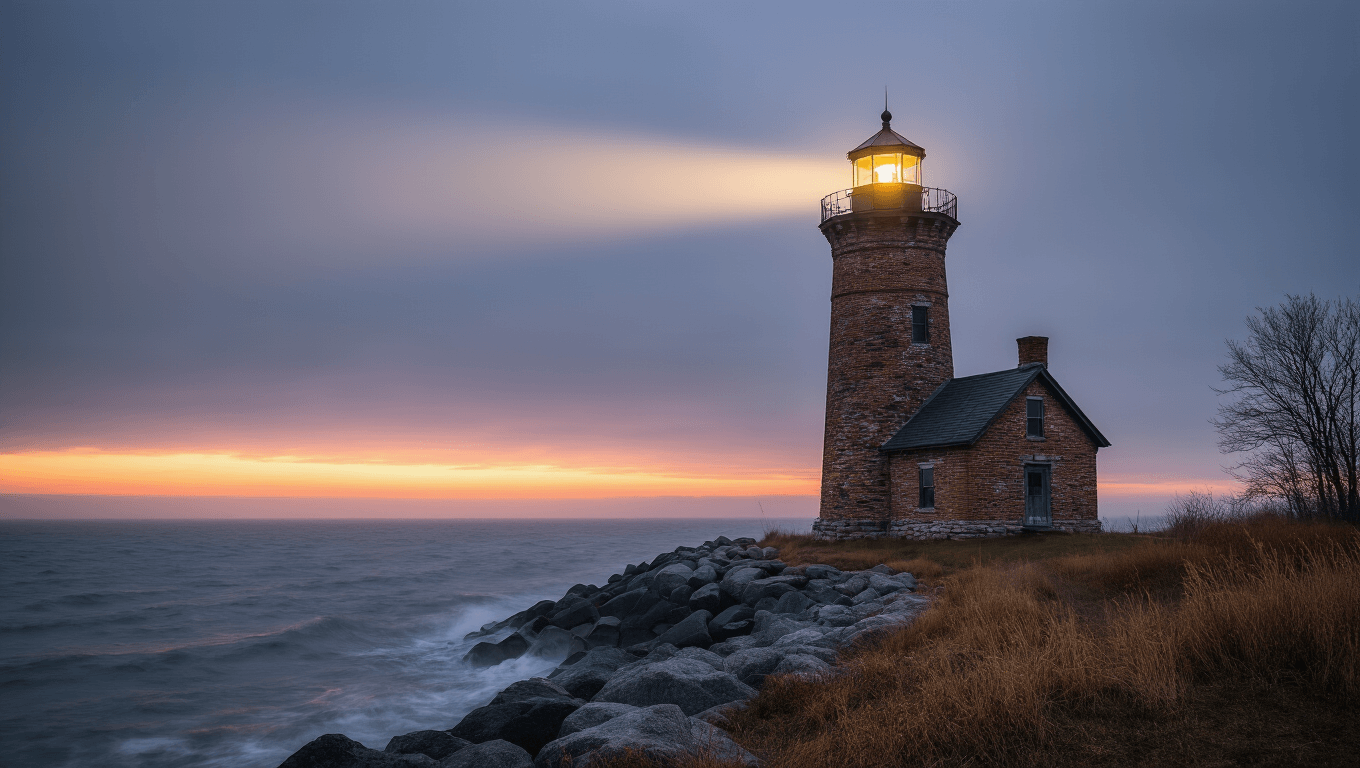
If you’ve ever stood on a Michigan shoreline at dusk and wondered why there’s a tower blinking out at sea, you’re asking the right question about one of America’s most overlooked travel treasures. The Great Lakes lighthouses aren’t just old buildings that happen to look nice in photos. They’re navigation structures, built along shores and offshore shoals of Lakes Superior, Michigan, Huron, Erie, and Ontario specifically to guide ships and warn of hazards that could sink a boat in minutes.
I get asked about these a lot by visitors planning a coastal trip, usually because they’ve seen one photo of Split Rock on Pinterest and assumed that’s the whole story. It isn’t. There’s a genuinely vast network here, and understanding how it works makes visiting any single lighthouse far more interesting.
What exactly counts as a Great Lakes lighthouse
At its simplest, a Great Lakes lighthouse uses lanterns, lenses, and distinctive daymarks — the visual patterns painted on the tower — to signal shoals, points, channels, and harbor entrances. Mariners use them to work out where they are and where the dangerous bits are. That’s it. No mysticism, just applied physics and a lot of paint.
Their job breaks down into a few practical functions. First, they’re navigational aids, helping boats fix their position relative to the shore. Second, and just as important, they warn of specific hazards — reefs, shoals, sandbars, rocky points that have claimed more ships than most people realize. Third, in the modern era, they’ve picked up a job nobody originally intended: they’re now historic sites, museums, and genuinely iconic landmarks that pull in tourists from well beyond the region.
Image
How many are there, really
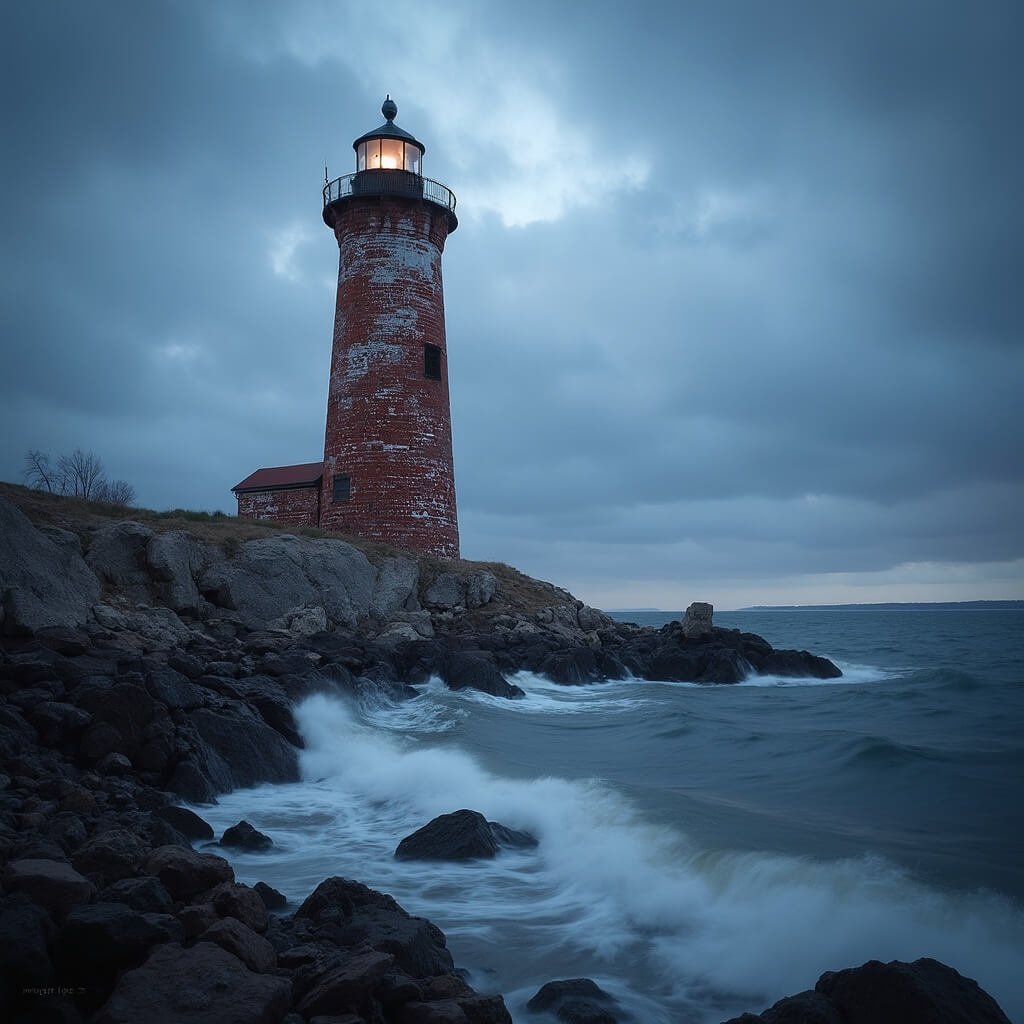
The numbers surprised me the first time I looked them up properly. There are somewhere between 388 and 400 lighthouses and light structures scattered around the Great Lakes — the highest concentration of lighthouses on any freshwater body in the world. Of those, more than 200 are still active, genuinely working as aids to navigation across all five lakes rather than sitting there purely for nostalgia.
They cover nearly 11,000 miles of coastline once you factor in islands and peninsulas, spanning both the United States and Canada. This is a binational maritime heritage corridor, not just an American road-trip theme. If you’re touring from the Michigan side and ignoring the Ontario shore, you’re missing a good half of the story.
Historically, these lights were essential to regional commerce — grain, ore, and the steady flow of immigrant travel through the Great Lakes–St. Lawrence system depended on ships being able to find their way in fog, snow squalls, and the kind of sudden weather changes Lake Superior is notorious for. Today that practical urgency has faded somewhat, replaced by heritage tourism, coastal recreation, and a fair bit of regional pride. Plenty of small lakeside towns build their entire tourism branding around “come see our lighthouse,” and honestly, it usually works.
Where it all started
The earliest lights on the Great Lakes go back further than most people expect. A lighthouse was built at the mouth of the Niagara River in 1804, though it didn’t survive — it was demolished during the War of 1812. Its replacement, Mississauga Point, holds the distinction of being the oldest existing lighthouse on the Great Lakes, which is a nice bit of trivia to drop if you’re visiting the Niagara region and everyone’s only talking about the falls.
On the American side, the first two lighthouses went up in 1818, at Buffalo, New York on Lake Erie, and at Presque Isle, Pennsylvania. Fort Niagara on Lake Ontario is also frequently cited as the first operational Great Lakes light, dated to around 1818–1819 — historians differ slightly on exact sequencing, which is fairly typical for records this old.
Marblehead Lighthouse in Ohio, built in 1822, deserves particular mention. It’s the oldest lighthouse in continuous operation on the American side of the Great Lakes, and it’s still doing its job today, more than two centuries later. By 1852, the growth had accelerated sharply — there were 76 lighthouses across the Great Lakes, representing roughly 22% of all lighthouses in the entire United States at that time. That’s a startling concentration for one inland region.
Image
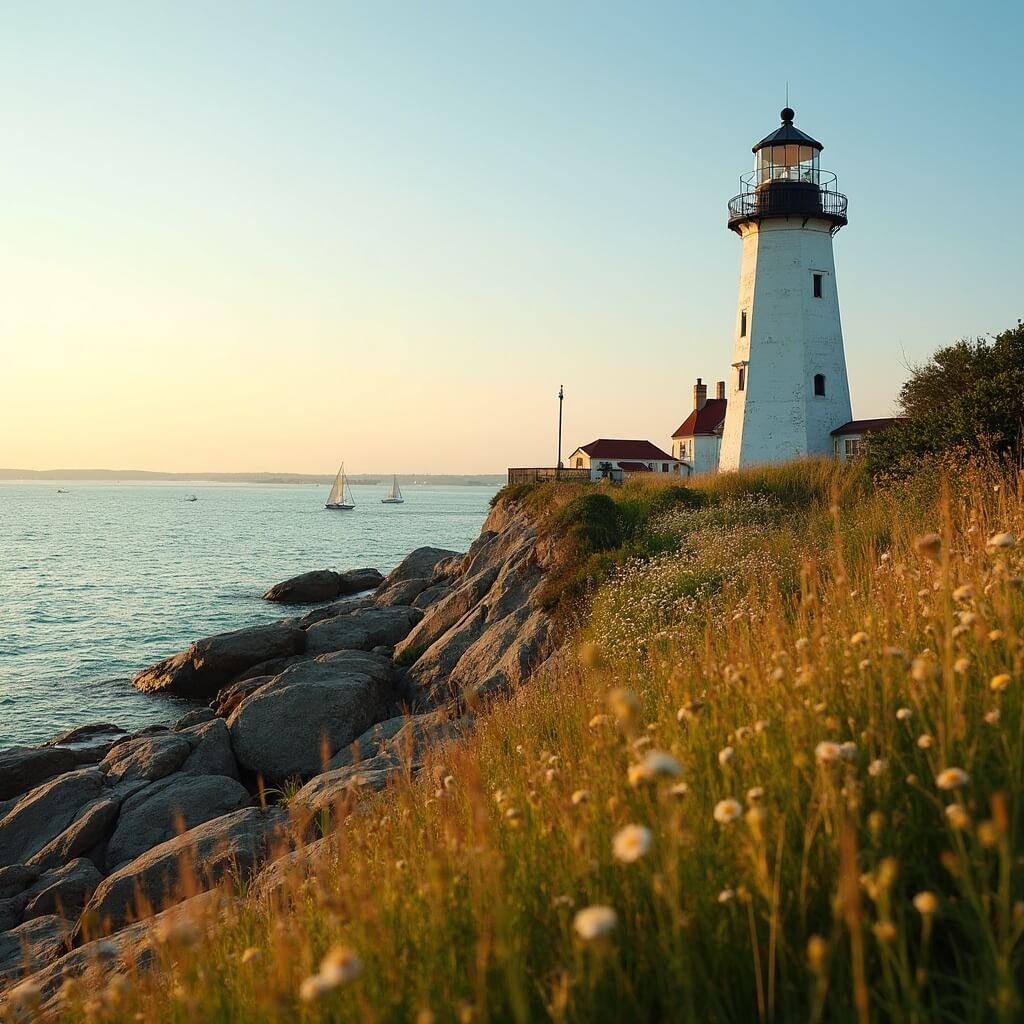
Lake Michigan got its first lights in 1832, with Chicago Harbor Light and the St. Joseph River entrance light going up the same year. As ports like Milwaukee and Michigan City grew, offshore and pierhead lights followed in fairly rapid succession. Lake Superior came slightly later — Whitefish Point Light, with its station established in 1848 and the light itself opening in 1849, became the first light on that lake, guarding what mariners grimly nicknamed the “Graveyard of the Superior.” I’ve stood at Whitefish Point on a grey September afternoon and it’s not hard to see why — the water there has a genuinely different temperament to the calmer stretches further south.
Canada’s build-out came in a concentrated burst. As of November 1854, there wasn’t a single lighthouse above Goderich on Lake Huron, which prompted what became the largest lighthouse building program Canada had ever undertaken, starting in 1855. The first wave produced six stone “imperial towers” on exposed headlands — striking, expensive structures. Too expensive, in fact; their cost meant no further towers of that design were ever built. They stand now as some of the most distinctive lighthouse architecture anywhere on the lakes.
Image
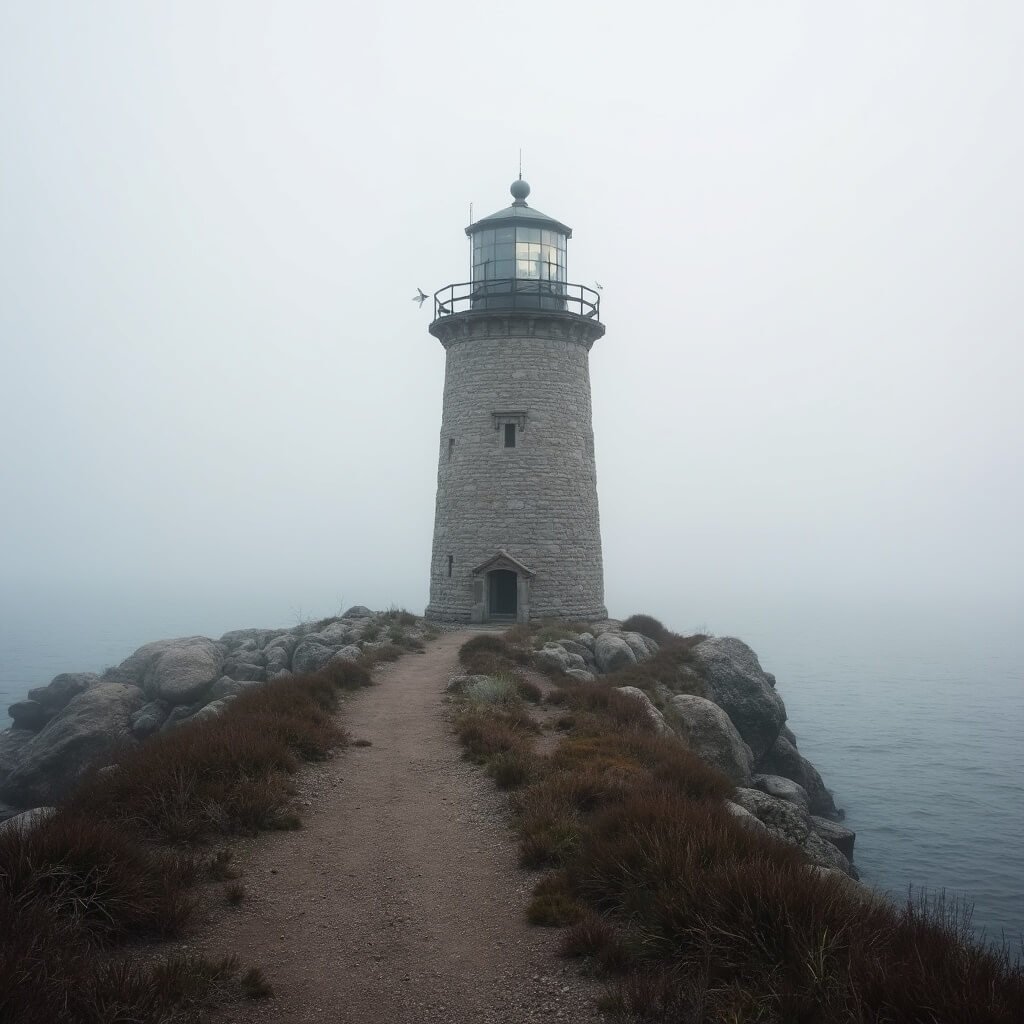
The shift from oil lamps to steel towers
The physical lighthouses changed a great deal over the following decades. Early towers were simple stone or wood constructions; by the late 19th and early 20th centuries, brick, concrete, and steel had largely taken over, built to withstand ice, storms, and decades of lake spray. Lighting technology shifted too — oil and kerosene lamps gave way to electric lights in the early 20th century, which dramatically increased how far a beam could reach. Marblehead made this switch in 1923, for instance, and the improvement in visibility must have been enormous for ships working that stretch of Erie at night.
Offshore hazards needed their own solutions. The first lightvessel on the Great Lakes was stationed at Waugoshance Shoal in 1832, eventually replaced by the more permanent Waugoshance Light in 1851. For truly remote hazards, reef lights like Stannard Rock and Rock of Ages were built literally out in open water, addressing dangers far from any shoreline — these remain some of the most inaccessible and dramatic lighthouse sites on the lakes.
Automation eventually changed the human side of the story. Canada formed the Canadian Coast Guard in 1962, which took on the job of automating lightstations and gradually phased out the need for resident keepers. In the US, the Coast Guard still holds responsibility for navigational aids across the Great Lakes — lighthouses, buoys, and the electronic systems that have supplemented them.
👇Find The Cheapest Flights To Anywhere Here👇
### The Transformation of Great Lakes Lighthouses
**Automation** has played a significant role in making lighthouses more reliable and cost-effective. However, this advancement also resulted in the **keeper’s houses** being vacated, with some falling into disrepair. Fortunately, many of these historic structures have found a second life as **museums**, visitor centres, or charming bed-and-breakfasts. Numerous lighthouses are now listed on the **National Register of Historic Places**, securing funding for essential restoration work.
Save this article
Enter your email and we'll send it straight to your inbox.
Historical societies and parks agencies have taken up the task of interpreting these sites for the public. Places like **Whitefish Point** offer exhibits that extend beyond simple displays of old lamps, delving into engaging shipwreck history.
### Where They’re All Sitting
**Lake Superior** is home to approximately **78 lighthouses**, with 42 situated in Michigan. These lighthouses are scattered along remote shores and island routes, offering **dramatic cliff-top views** and island stations along the **Shipwreck Coast** and the **Apostle Islands**.
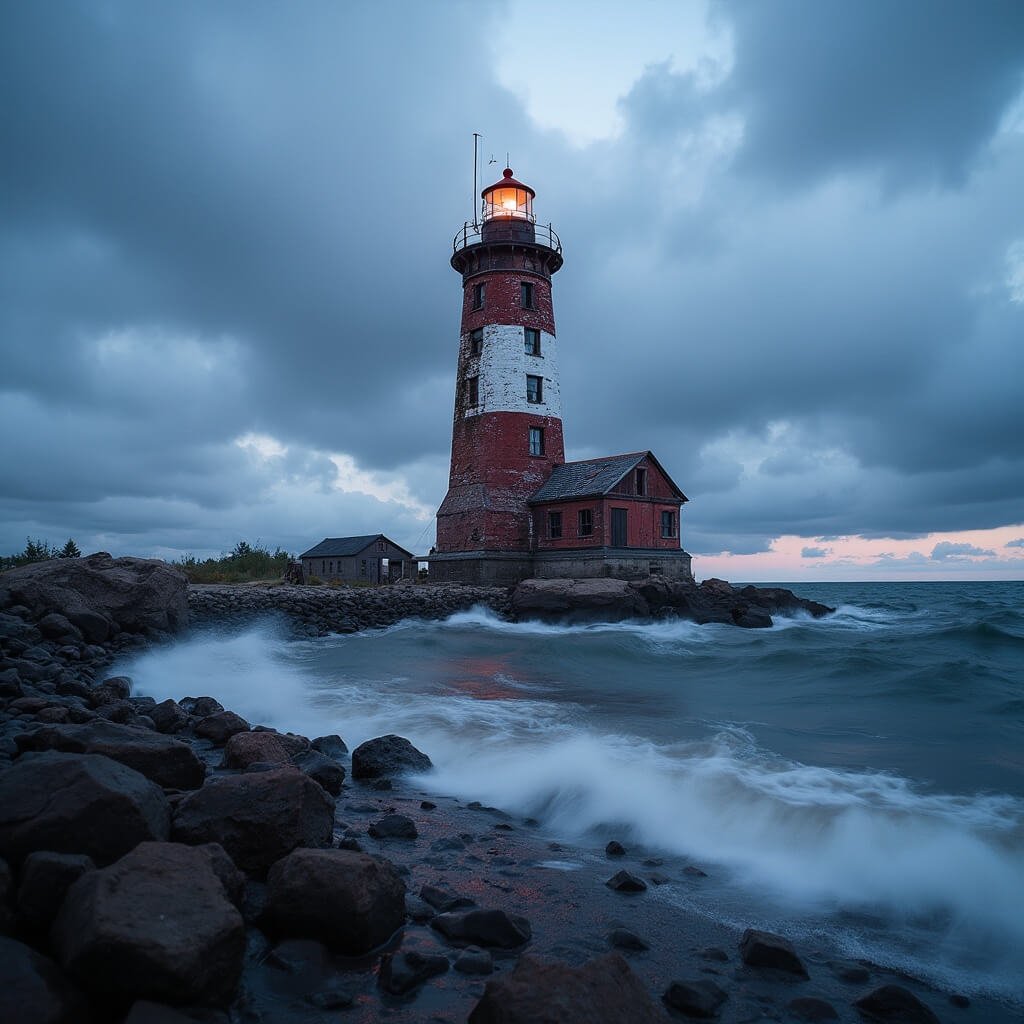
**Lake Michigan** is busier, with roughly **102 lighthouses** including pier lights, offshore reef lights, and harbour lights. These are densely clustered along both the Michigan and Wisconsin/Illinois shores, with a concentration around the **Straits of Mackinac**, a critical area for major shipping lanes.
**Huron, Erie, and Ontario** host well over a hundred more lights on both the American and Canadian shores. Notably, **Lake Erie’s Bay Point Light**, dating back to 1821, is often cited as the oldest active tower on the Great Lakes.
#### Types of Lighthouses
As you travel, you’ll mostly encounter four kinds of lighthouses:
– **Shore and headland lights** like Whitefish Point and Split Rock, guiding ships along open coastlines.
– **Harbour and pierhead lights** marking ports such as St. Joseph or Cleveland.
– **Island and offshore reef lights**, which are remote and often accessible only by boat.
– **Range lights**, paired to help captains maintain a straight course into channels or river mouths.
### A Few Lighthouses Worth Knowing by Name
**Whitefish Point** holds a special place, established in 1848 and still guarding a treacherous stretch of water known for shipwrecks, including the **Edmund Fitzgerald**.
**Marblehead** in Ohio, built in 1822, is the longest continuously operating lighthouse on the US side.
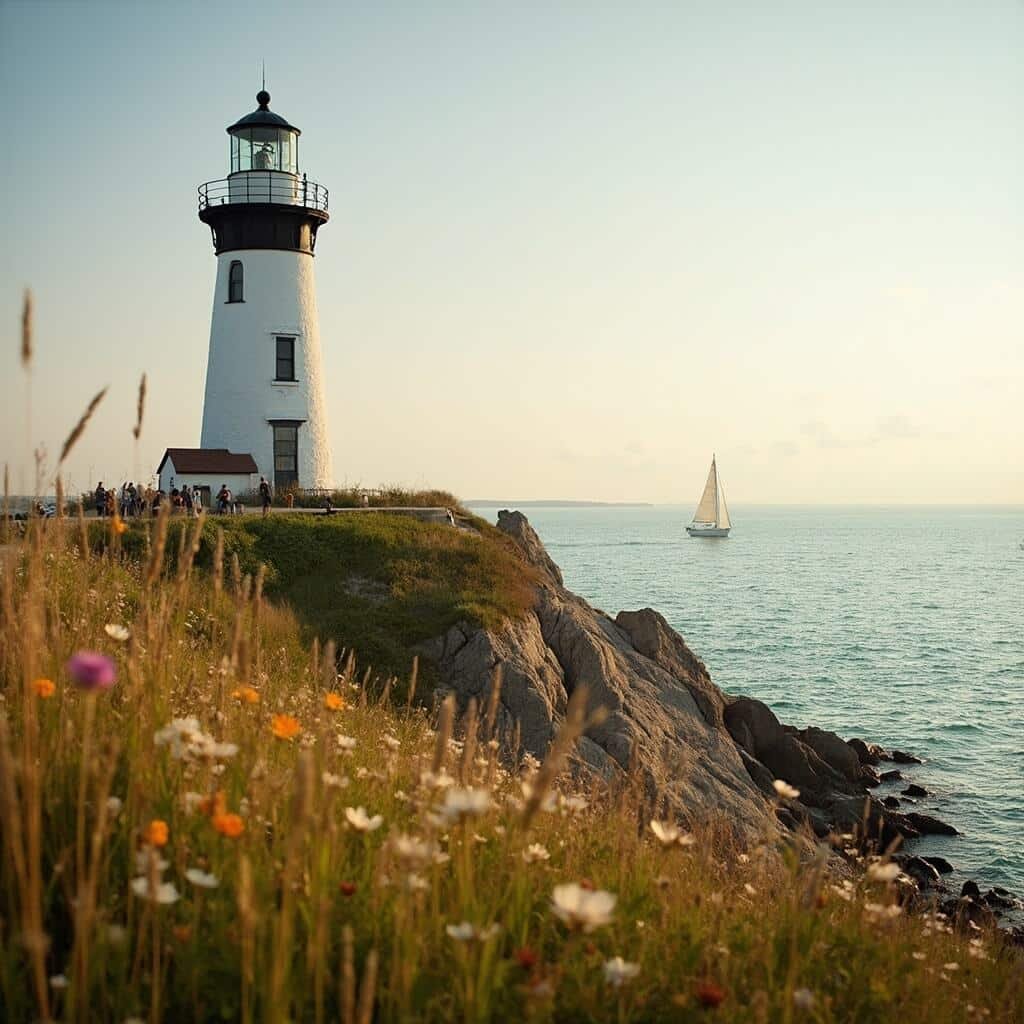
**Split Rock** on Minnesota’s North Shore is a visual icon perched dramatically above Lake Superior.
**Old Mackinac Point Lighthouse** served before the Mackinac Bridge, now a museum. Nearby, **Round Island Light** offers a quieter, picturesque site.
**Waugoshance Light** and **Mendota (Bete Grise) Light** each tell unique stories of economic ambitions and challenges.
### Actually Visiting One
Most lighthouses are open for tours from late spring to mid-October, aligning with the navigation season and favourable weather. The **Lake Michigan Circle Tour** is a popular route that links over a hundred lighthouses. Scenic drives in Michigan’s Upper Peninsula and Ontario’s Bruce Peninsula are also recommended for lighthouse enthusiasts.
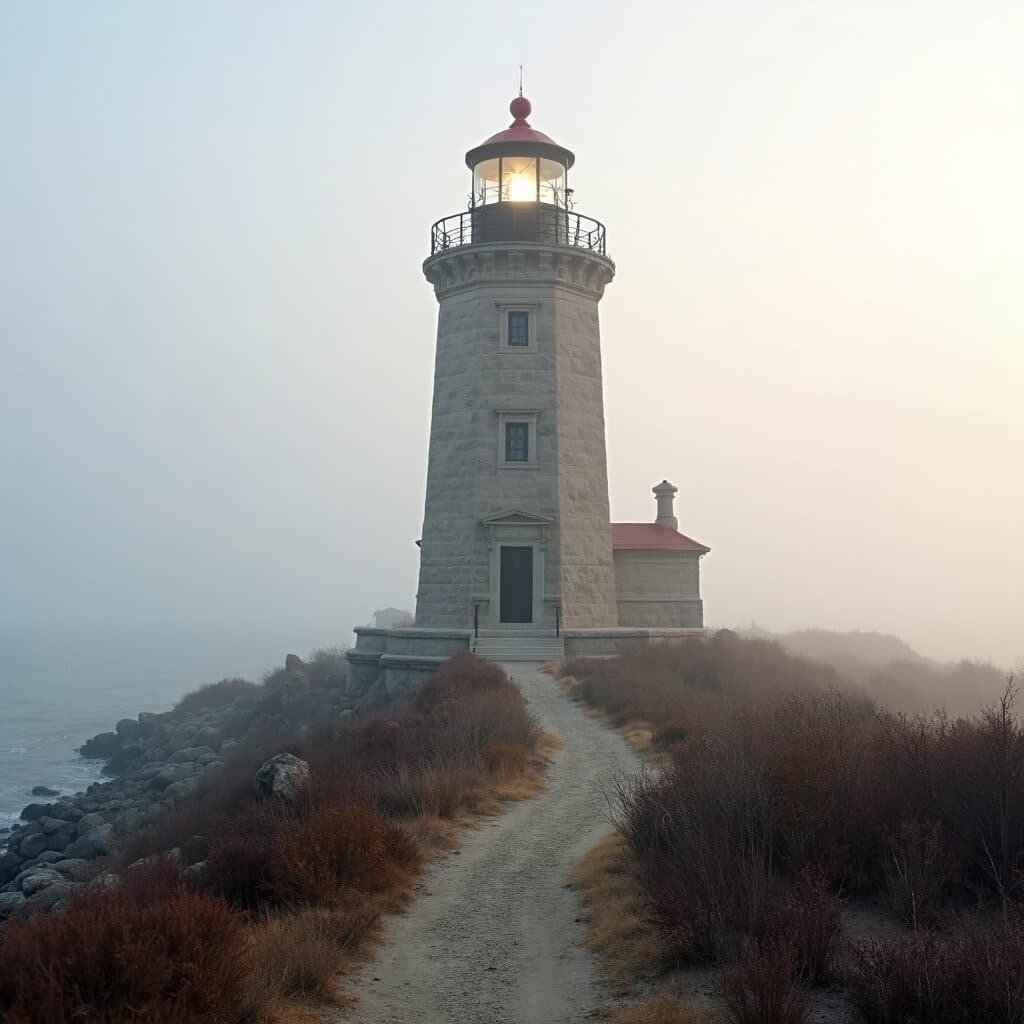
The experience varies by site, with many offering **guided tours** and **tower climbs**. Some restored keeper’s houses now operate as inns, providing a unique lodging experience. It’s worth noting that some striking lights like **Stannard Rock** may require private boats or charters, necessitating attention to weather and lake conditions.
When planning your trip, choose one lake and build a route around a few lighthouses of interest. This approach allows for the discovery of lesser-known sites and stories.
For more on the fascinating history of Great Lakes lighthouses, you can explore resources like the [Great Lakes Lighthouse Keepers Association Guide to Great Lakes Lighthouses](https://www.gllka.org/great-lakes-lighthouses) or the [Great Lakes Lighthouses Historical Research Collection](https://research.lib.buffalo.edu/greatlakes/lighthouses).
If you’re interested in other travel adventures, consider exploring the scenic wonders such as the [Sleeping Bear Dunes in Michigan](https://tracytowns.com/climb-the-dunes-at-sleeping-bear-dunes-michigan/).
👇Ready To Book Your Trip?👇
This post may contain affiliate links. Please see my disclosure policy for details.
Want to keep this one?
We'll email you the link so you can find it again later.