
If you’re trying to work out whether West Virginia whitewater rafting is worth the drive, the honest answer is yes — but which river you choose matters more than most people realise before they book. I’ve spent enough time around the New River Gorge to know that “rafting in West Virginia” isn’t really one experience. It’s at least three or four distinct ones, depending on which river you pick and when you turn up.
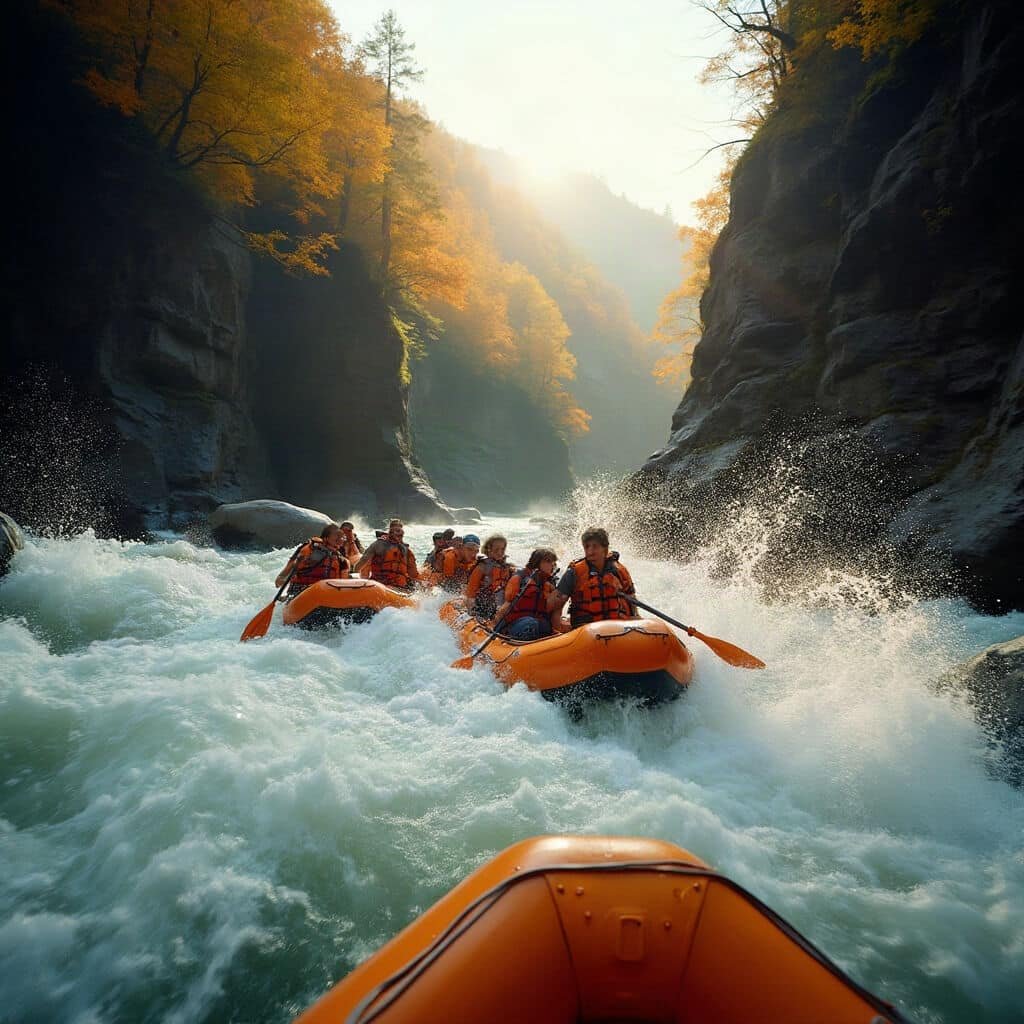
The state has built its reputation on mountain rivers that cut through steep, forested gorges, and the whitewater reflects that terrain. You get technical, boulder-strewn rapids rather than the big-volume, straightforward waves you find out west. The New River Gorge alone has water ranging from a gentle Class I float to genuinely serious Class V, depending on which stretch you’re on. Meanwhile the Gauley River, during its short autumn release season, is considered one of the best whitewater rivers in the world for advanced paddlers — not just in the States, internationally. That’s not hype from a tourist board; it’s a river that draws rafters from well beyond Appalachia every September and October specifically because the whitewater is that good.
What’s useful about having this range is that beginners and experts both have somewhere to go. New to rafting? The Upper New River or the Cheat Narrows will ease you in without scaring you off the sport for life. Already comfortable in Class III water and looking for something more? Lower New, Lower Gauley, and Cheat Canyon give you a sensible next step. And if you’ve rafted plenty and want to test yourself, the Upper Gauley during release season is about as serious as commercial rafting gets in the eastern US.
What people actually want to know before booking
Most people searching for rafting in West Virginia are really asking one of a handful of questions. Which river should I pick? When’s the best time to go? Am I too inexperienced, or is my kid too young? Should I book a guide or try this myself? And — practically — what’s it going to cost, what do I need to bring, and will I be safe?
I’ll try to answer all of that, but it’s worth saying upfront: the answers depend heavily on water levels, which change through the season and sometimes day to day. That’s part of what makes West Virginia rafting different from a lot of other destinations.
Why the rivers here behave differently
Some of West Virginia’s rafting conditions are entirely predictable, and some aren’t, and it catches people out if they don’t know which is which. The Gauley is dam-controlled — releases from Summersville Dam happen on a published schedule each autumn, so outfitters know exactly what the river will be doing on any given Saturday. The Cheat, on the other hand, is undammed and reacts to rainfall and snowmelt. A dry spring can leave the Cheat barely runnable; a wet one can make it genuinely formidable. The New sits somewhere in between — influenced by rainfall but large enough that it rarely becomes unrunnable.
Commercial guides handle most of this complexity for you. A decent outfitter is watching gauge readings and adjusting trips accordingly, and most packages include the raft, paddles, PFDs, instruction, transport to and from the put-in, and often a riverside lunch. That’s a lot of logistics taken off your plate, which matters more than people expect until they’ve tried to arrange a private shuttle on unfamiliar back roads.
The New River
The New flows through New River Gorge National Park and Preserve, and despite the name it’s actually one of the oldest rivers on the continent — the “New” is a bit of a joke that’s stuck for centuries. It’s a river of two real personalities. The commercial season generally runs April through October, and which personality you get depends entirely on which section you book.
Upper New River
Upper New River is the gentler half: Class I–III, long pools, moderate rapids, and plenty of opportunity to just float and look at the gorge walls. It suits families, first-timers, and mixed groups where not everyone wants the same intensity. I took a family of five down this stretch a few summers back — two kids under ten, one grandmother who hadn’t been in a raft since the 1980s — and it worked precisely because nobody was white-knuckling it the whole way. There was time to swim, eat lunch on a gravel bar, and still hit enough rapids that the kids were shrieking happily by the end.
Lower New River
Lower New River is a different proposition. Commercially it’s run as Class III–IV, though certain sections and water levels push toward Class V territory for private boaters. Big waves, boulder gardens, technical lines through hydraulics — it’s genuinely exciting, and a good guide makes it accessible to adventurous beginners. But I wouldn’t call it a true beginner river. The National Park Service is blunt about this: the stretch below Thurmond is considered suitable only for advanced and expert private paddlers, which tells you something about how seriously this water should be taken even with a professional guide aboard.
Beyond the rapids, the New River Gorge gives you the bridge — one of the longest single-span arch bridges in the world, and a proper spectacle if you haven’t seen it — plus a scattering of old coal-mining towns, abandoned rail lines, and the kind of Appalachian forest that turns the whole gorge gold in October. It’s easy to build a weekend around rafting plus hiking, climbing, or just driving the scenic overlooks.
Hike the Devils Garden Trail in Arches
The Gauley River
If the New is West Virginia’s all-rounder, the Gauley is its headline act. This is the river serious rafters plan their year around. Rapids range from Class IV to Class V, occasionally higher depending on release volume, and the whole experience has a reputation that precedes it.
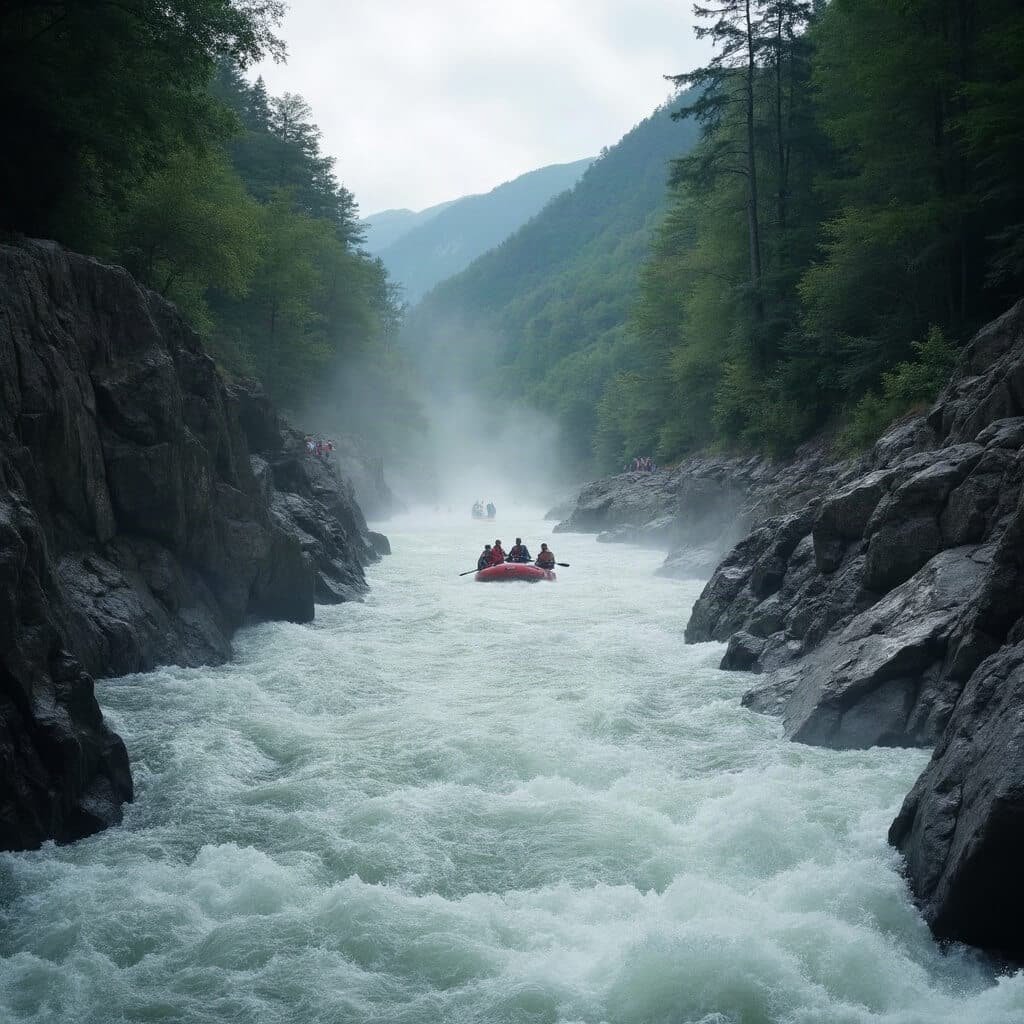
The river splits into two sections. The Upper Gauley is Class IV–V: steep drops, technical channels, powerful hydraulics, named rapids that rafters discuss with genuine respect. This isn’t a section to attempt as your first time in a raft — the National Park Service specifies a minimum age of 16 even for guided private boating here, and outfitters generally expect a baseline of fitness and whitewater comfort before they’ll take you on. The Lower Gauley eases off slightly, though “slightly” is relative — it’s still a serious trip, just with a bit more room to breathe between rapids. It’s a sensible progression if you’ve done the Lower New and want more.
Gauley Season itself is a genuine phenomenon. It begins the first weekend after Labor Day and runs for roughly six weekends, timed to scheduled dam releases from Summersville Dam that push the river up to its best — and most demanding — levels. Thousands of rafters descend on the area during this stretch, and it’s become as much a community event as a sporting one, with outfitters and campgrounds running at full tilt. If you want a spot on a release weekend, book early. I’ve known people turn up in late August hoping to find a weekend slot and simply being told there’s nothing left.
The Cheat River
The Cheat sits up in northern West Virginia, within reasonable striking distance of Pittsburgh, and it plays by different rules to the New and Gauley because nothing holds its water back. It’s entirely weather-dependent, which makes it less predictable but, in its own way, more interesting. Spring — roughly mid-March through early June — is generally the most reliable window, since that’s when rainfall and snowmelt keep the flows up.
Cheat Narrows
Cheat Narrows is the milder introduction: clear water, boulder gardens, moderate rapids, and a genuinely pretty setting. Depending on conditions on the day, it can work well for beginners and families, though it’s worth checking with the outfitter what the river’s actually doing before you commit.
Cheat Canyon
Cheat Canyon is the real deal — about 13 miles of remote, steep-walled gorge with demanding rapids and a proper wilderness feel. This isn’t a trip for your first time on water; it suits people who already know they enjoy being out of mobile signal for most of a day.
The trade-off with the Cheat is obvious once you’ve rafted it: you get a river that feels wilder and less managed than the dam-controlled Gauley, but you also get less certainty. A dry week can flatten it out; a wet one can push conditions beyond what some outfitters are comfortable running. Always ring ahead rather than assuming the trip you saw advertised online will run exactly as described.
Discover Valley of Fire State Park in Nevada
👇Find The Cheapest Flights To Anywhere Here👇
Other whitewater worth knowing about
Beyond the big three, West Virginia has a handful of other rivers that turn up in conversation but rarely in a first-time rafter’s itinerary. The Tygart gets a mention occasionally, and there are stretches near the Shenandoah system that offer boating opportunities, but I’d treat these as secondary rather than destinations in their own right. Access can be restricted, commercial trips aren’t always running, and conditions vary enough that you should ring ahead rather than build a trip around them sight unseen.
Save this article
Enter your email and we'll send it straight to your inbox.
There are also a few spots around the state that rely on scheduled releases to create artificial whitewater — short, intense bursts of water let out for a specific window, mostly aimed at kayakers and experienced private boaters rather than commercial raft groups. If you’re the sort of paddler who already owns a creek boat and a drysuit, these are worth researching separately. If you’re booking your first rafting trip, they’re not where you want to start.
Matching yourself to the right trip
I get asked some version of “which river should I do” more than anything else, and the honest answer is that it depends on what you actually want out of the day, not just how brave you feel sitting at your laptop booking it.
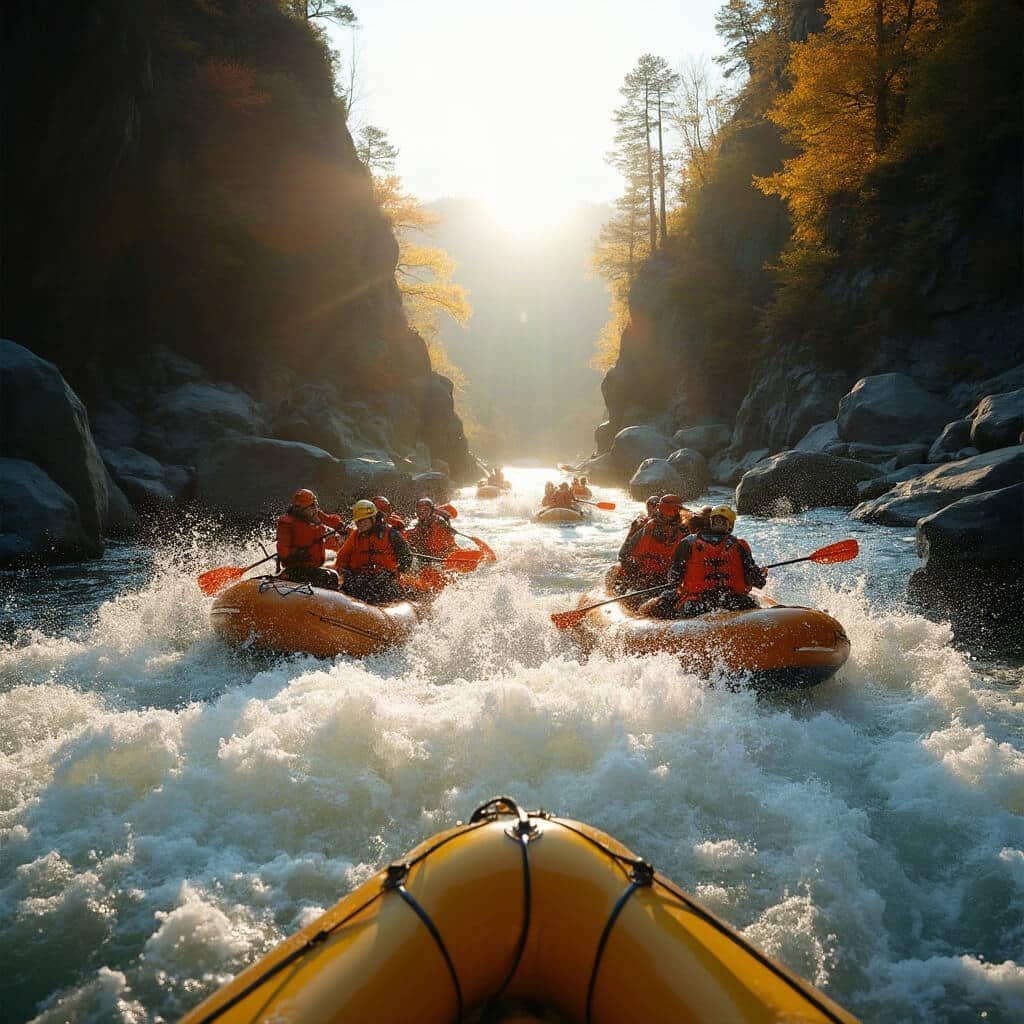
If you want scenery, a decent swim, and rapids that feel exciting without feeling threatening, the Upper New or Cheat Narrows will do that. If you’ve rafted before and want something with more teeth but still want a guide doing the hard thinking, Lower New with a licensed outfitter is the sensible next step up — big enough rapids to properly enjoy, small enough margin for error that a good guide keeps things sane. Intermediate rafters who want a genuine step up in intensity should look at Lower Gauley or Cheat Canyon. And if you’ve done all of that and you’re after the full West Virginia experience, Upper Gauley during release season is where it ends up. For trip options, go whitewater rafting in West Virginia.
A sensible progression, if you’re building toward the Upper Gauley over a couple of seasons rather than trying to do it all in one go, looks something like this: Upper New first, Lower New next, Lower Gauley after that, Upper Gauley last. I’ve seen people skip straight to Upper Gauley on a stag weekend because it sounded like the most impressive thing to tell people about afterwards, and most of them had a miserable time because they were out of their depth and knew it halfway down the first rapid.
Guided trips versus going it alone
This one’s straightforward, in my view, even though plenty of rafting forums will argue about it at length. A guided commercial trip gets you a trained guide, a raft, paddles, PFDs, a safety briefing, and transport, all bundled into one price. For most visitors — certainly for anyone who doesn’t already own whitewater kit and know these rivers — that convenience is worth paying for. You’re not trying to work out shuttle logistics on unfamiliar gravel roads, and you’ve got someone in the back of the raft who’s read the water that morning and knows exactly which line to take through the next rapid.
Private boating has its appeal: more flexibility, no need to work around a commercial schedule, and over time it’s cheaper if you raft often. But it demands real river knowledge, proper rescue equipment, your own boat and safety gear, and a realistic sense of your own ability. The National Park Service doesn’t mince words about this — whitewater boating carries real risk, and private paddlers are expected to bring the skill and judgement to match the water they’re choosing to run. If you’re reading this because you’re planning your first West Virginia rafting trip, book a licensed outfitter. Save the private boating conversation for a few seasons down the line, once you’ve got some rivers under your belt and ideally some experienced friends to paddle with. The New River Gorge whitewater trip planning guide has more information.
Timing your trip
Spring on the New brings stronger, cooler flows, which can make some rapids feel faster and punchier than they do later in the season — good if that’s what you’re after, though expect to be offered a wetsuit and to actually want it. The Cheat is at its best in this window too, roughly mid-March through early June, since it needs rainfall and runoff to be worth running at all.
Summer shifts the mood. The Upper New becomes a proper family river, water levels drop a little, and the whole thing feels more like a relaxed day out than a test of nerve. The Lower New can still deliver depending on flows, but you’re generally trading some intensity for warmer weather, easier camping, and the chance to combine rafting with a hike or a climb at the Gorge without freezing afterwards. The downside is obvious enough — popular summer weekends sell out, so don’t leave booking until the week before.
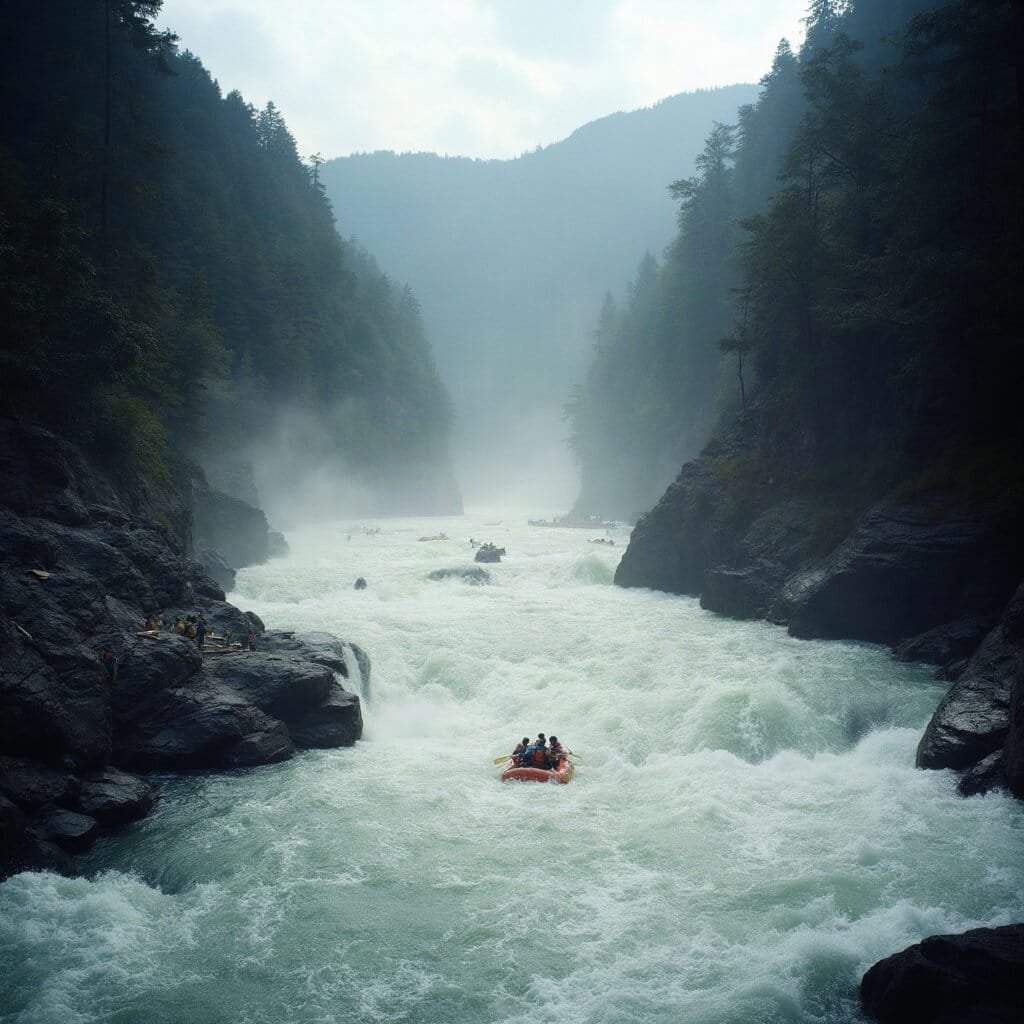
Then there’s autumn, and the Gauley. If you’re chasing the best whitewater West Virginia has to offer, this is the six-or-so-weekend window you’re aiming for, starting the first weekend after Labor Day. Cooler air, turning leaves, dam releases pushing the river to its best levels, and an atmosphere around the outfitter bases that feels more like a festival than a Tuesday rafting trip. Book lodging and your rafting package well in advance — I mean months, not weeks — and double-check the published release schedule for that specific year rather than assuming it matches the one you remember from before. Winter and the shoulder months either side are really only for experienced private paddlers prepared to deal with cold water and limited outfitter availability; I wouldn’t recommend it to anyone without several seasons of whitewater experience already behind them.
Understanding rapid classifications — and their limits
Rapids get graded on the International Scale of River Difficulty, from Class I (barely worth mentioning) through to Class VI (essentially unrunnable in a commercial context). Class II is still gentle but has a bit more push to it. Class III asks you to actually manoeuvre. Class IV is where mistakes start to have real consequences, and Class V is where you want an experienced guide, a solid raft, and a realistic sense of your own swimming ability.
What I’d stress, though, is that a classification is a guide, not a guarantee. The same rapid at low water can be a completely different animal at high water — sometimes easier, often considerably harder. Strainers, undercut rocks, and debris after a storm change the actual risk in ways a grading system can’t capture, and the Park Service itself notes that conditions shift daily enough that water safe to run one week can be genuinely hazardous the next. Don’t pick a river because it’s marketed as the most extreme option on an outfitter’s website. Pick it because it matches your swimming ability, your fitness, and your actual appetite for being surprised by cold water and chaos.
Safety, briefly but seriously
Every reputable trip starts with a safety briefing, and it’s worth paying proper attention rather than treating it as the bit before the fun starts. You’ll be shown how to hold a paddle, how to brace inside the raft, and what “forward,” “back,” and “stop” actually mean when someone’s shouting them over the noise of the rapid ahead. You’ll also be told what to do if you fall out — which does happen, even on calmer sections — and how to help a fellow swimmer without turning yourself into a second casualty.
Wear the PFD properly fastened, the whole time, no exceptions. West Virginia law requires an appropriate flotation device for people aboard vessels, with stricter requirements for children under the relevant age, and commercial whitewater operations are required to provide securely fastened, Coast Guard-approved vests for passengers and guides alike. A PFD isn’t a replacement for swimming ability or good judgement, but it’s non-negotiable kit regardless.
Be honest with your outfitter about medical conditions, and don’t drink before a rafting trip — I’ve seen outfitters turn people away at the put-in for turning up still drunk from the night before, and it’s not worth risking your spot on the water over. Expect to paddle for hours, to hold on through turbulent stretches, and possibly to walk over uneven riverbank if you need to portage or hike out. It’s physical in a way that surprises people who’ve only ever pictured sitting in a boat.
Picking an outfitter and what to pack
Stick to outfitters licensed by the West Virginia Division of Natural Resources — the National Park Service lists several operating on the New and Gauley, including names like ACE Adventure Resort, Adventures on the Gorge, and River Expeditions, all of which have been running these rivers for decades. Ask directly about minimum age for the specific section you’re booking, what happens if water levels shift before your trip date, and whether wetsuits and river shoes are included.
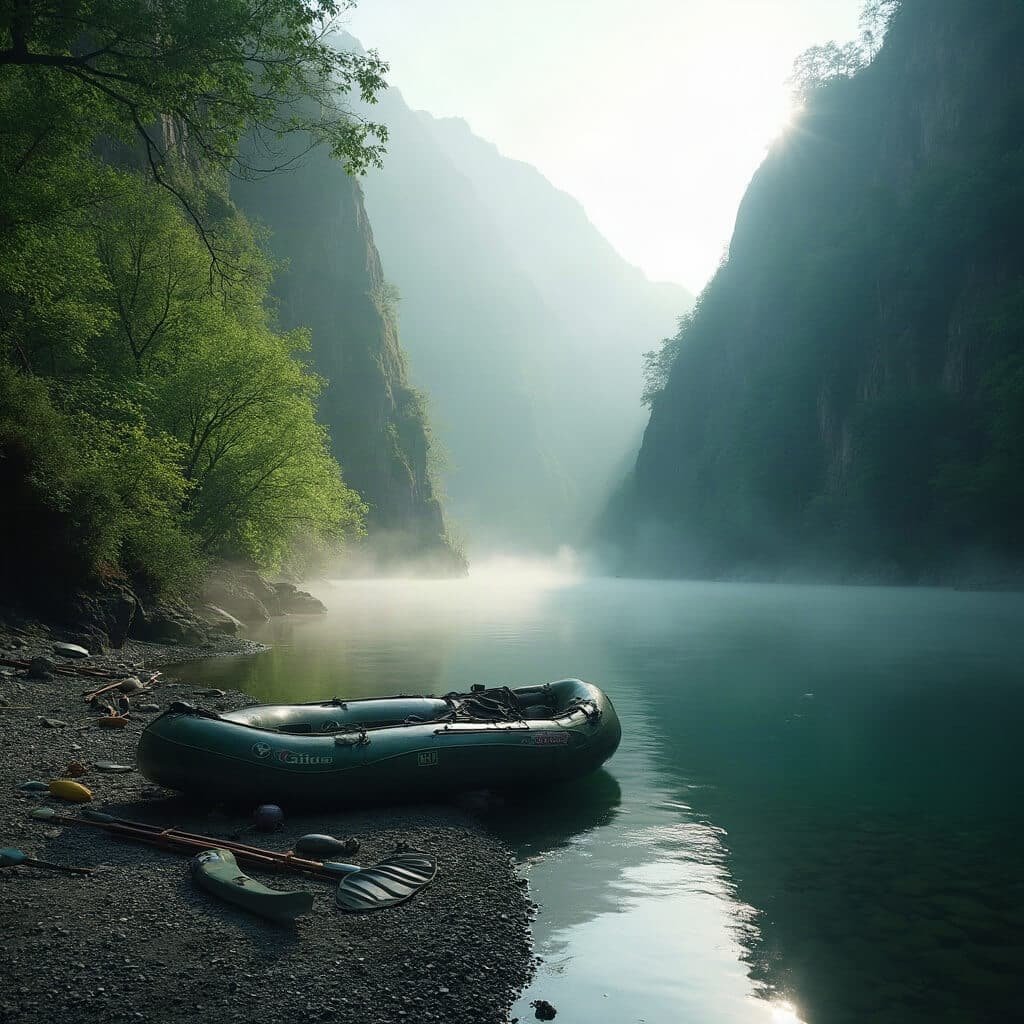
Most operators supply the raft, paddles, PFD, helmet where needed, and transport to and from the river, so you’re mainly responsible for your own layer of clothing, secure footwear — proper river shoes or sandals with a heel strap, never flip-flops — sunscreen, and a dry change of clothes for afterwards. Leave the jewellery, the good sunglasses without a strap, and anything electronic that can’t survive a swim back at the car.
If I had to recommend one starting point for someone who’s never rafted in West Virginia before, it’s the Upper New with a licensed outfitter in early summer — enough rapids to know you’ve been rafting, enough calm water to actually enjoy the gorge around you, and a season where the trip is far less likely to be cancelled for weather or water levels. Build from there once you know how you feel about cold water and fast current, and save the Gauley for a year when you’re genuinely ready for it.
For more outdoor inspiration, explore Hike the Devils Garden Trail in Arches, Discover Valley of Fire State Park in Nevada, Walk Among the Bristlecone Pines in Nevada, Go Whale Watching in Monterey Bay, and Experience the Wildflowers in Texas Hill Country.
👇Ready To Book Your Trip?👇
This post may contain affiliate links. Please see my disclosure policy for details.
Want to keep this one?
We'll email you the link so you can find it again later.