
The Pikes Peak Cog Railway offers one of the most extraordinary mountain experiences in the United States, carrying passengers up 8.9 miles of breathtaking terrain to reach America’s most famous 14,000-foot summit.
But here’s what most visitors don’t know before they board: this isn’t just any mountain train ride.

The Last of Its Kind: Why This Railway Matters More Than You Think
Contents
- The Last of Its Kind: Why This Railway Matters More Than You Think
- The Truth About Booking Pikes Peak Cog Railway Tickets (It’s Not What You’d Expect)
- When to Ride: The Seasonal Secrets No One Tells You
- Planning Your Perfect Pikes Peak Railway Adventure
- The Journey That Changes Everything: What Really Happens on the Rails
- The Ascent: A Visual Timeline That Unfolds Like a Nature Documentary
- The Summit Experience: 40 Minutes That Feel Like 40 Seconds
- The Descent: More Than Just the Return Trip
- Hidden Gems: The Details That Make the Experience Memorable
- Seasonal Secrets: When Each Time of Year Shines
- Ticket Flexibility: The Policies That Actually Matter
- The Real Investment: Why This Experience Pays Dividends
- Making It Memorable: The Details That Count
- The Bottom Line: Why This Railway Experience Stands Apart
Picture this: It’s 1889, and inventor Zalmon G. Simmons has a mad idea to build a railway up one of Colorado’s most challenging peaks using nothing but pickaxes, donkeys, and sheer determination.
Two years later, on June 30, 1891, the first train reached Pikes Peak’s summit carrying a church choir from Denver. That inaugural journey marked the beginning of what would become America’s highest and longest cog railway.
Today, only three cog railways remain in the entire United States. The Pikes Peak Cog Railway stands as the crown jewel among them.
**Here’s what makes this railway truly special:**
- World records: Highest and longest cog railway globally
- Extreme elevation: Climbs from 6,320 feet to 14,115 feet (nearly 7,800 feet of elevation gain)
- Historic ownership: Owned by The Broadmoor resort since 1926, when founder Spencer Penrose purchased it
- Modern capability: Fleet of seven trains carrying between 214-263 passengers each
I remember standing at the Manitou Springs depot for the first time, watching one of these impressive trains pull in. The sound of the cog system engaging with the rack rail creates this distinctive mechanical rhythm that immediately tells you this isn’t ordinary rail travel. The engineering required to safely transport hundreds of passengers up such steep grades is genuinely remarkable.
The railway uses the Abt rack system, a Swiss-designed technology that allows trains to climb grades impossible for conventional railways.
The Truth About Booking Pikes Peak Cog Railway Tickets (It’s Not What You’d Expect)
Most people approach booking this experience completely wrong.
They wait until they’re in Colorado Springs, show up at the depot, and discover they can’t get tickets for weeks.
**Here’s the booking reality:**
Summer trains sell out up to two weeks in advance. The difference between smart booking and disappointed tourists comes down to timing and knowing the pricing structure.
The Money-Saving Booking Strategy
**Online reservations (best value):**
- Adults: Starting at £53 ($67.00)
- Children (12 and under): Starting at £45 ($57.00)
- Seat selection included
- Must book at CogRailway.com
**Walk-up or phone rates (more expensive):**
- Adults: £68 ($86.00)
- Children: £60 ($76.00)
- Phone: (719) 685-5401
- No guaranteed seating preferences
The £15 difference per adult ticket adds up quickly for families. Book online at least two weeks ahead, especially for summer visits.
Group Discounts That Actually Work
Groups of 25 or more qualify for significant savings:
**Off-season rates (January-April, October-December):**
- Group adult tickets from £50 ($63.50)
**Peak season rates (May-September):**
- Group adult tickets from £52 ($66.13)
These rates make family reunions or corporate outings surprisingly affordable.
When to Ride: The Seasonal Secrets No One Tells You
The Pikes Peak Cog Railway operates year-round, but each season offers dramatically different experiences.
**Summer (Peak Experience):**
- Trains run 8 a.m. to 4:30 p.m.
- Views across five states on clear days
- Warmest weather at summit (still chilly)
- Highest demand and prices
**Winter (Hidden Gem):**
- Typically two trains per day
- Snow-covered landscapes
- Smaller crowds
- Weather-dependent cancellations more likely
The railway’s “always weather-dependent” policy means Mother Nature ultimately decides your schedule. Check CogRailway.com for real-time updates before travelling.
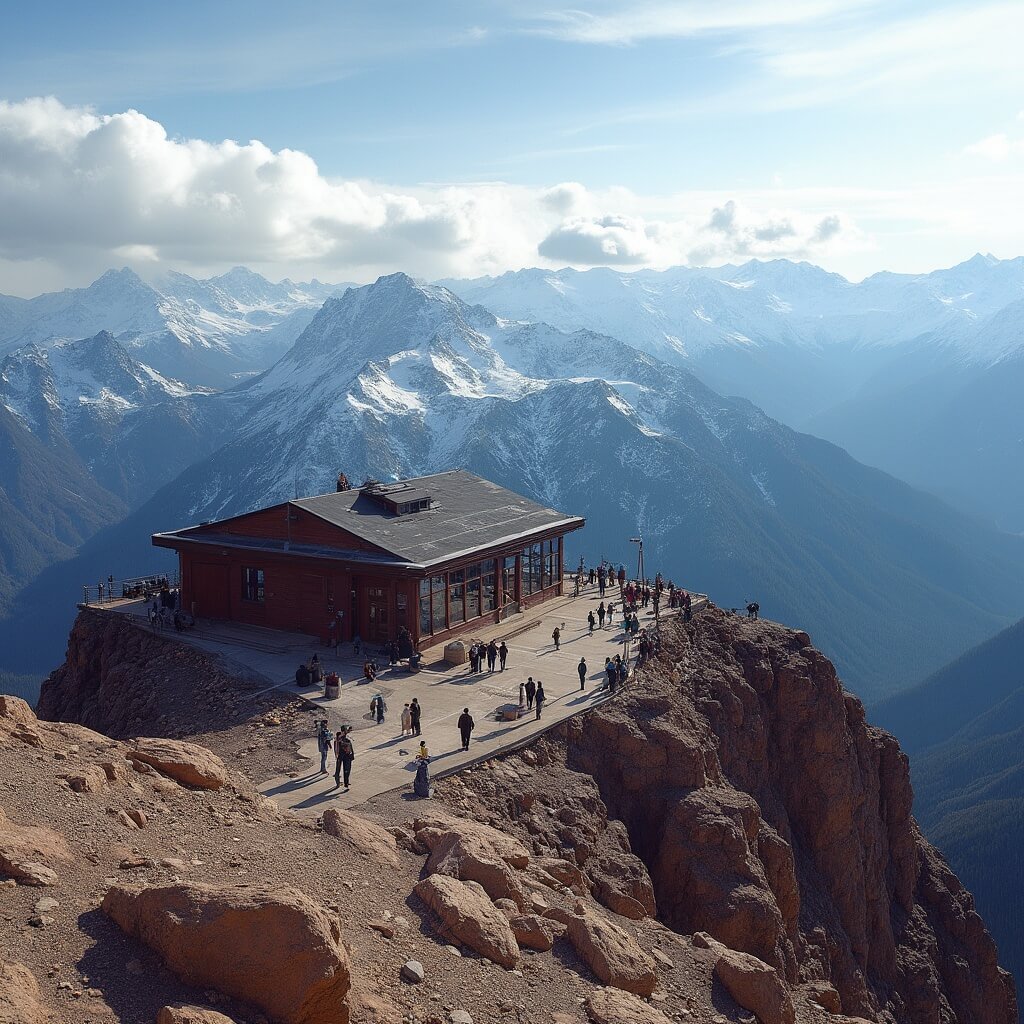
Each season transforms the mountain’s personality completely. Summer brings lush forests and expansive vistas, while winter creates an otherworldly snow-covered wonderland.
Planning Your Perfect Pikes Peak Railway Adventure
Time Commitment Reality Check
Block out four hours minimum for this experience:
**Breakdown:**
- Arrival buffer: 45 minutes early (parking + preparation)
- Ascent: 1 hour
- Summit time: 40 minutes
- Descent: 1 hour 10 minutes
- Total: Approximately 4 hours
This isn’t a quick tourist attraction. It’s a half-day commitment that demands proper planning.
Location and Distance Planning
The railway departs from Manitou Springs, not Colorado Springs. This matters for navigation and timing.
**From Denver:**
- Distance: 78 miles
- Driving time: 90 minutes
- Factor in traffic during peak tourist seasons
Arrive 45 minutes early to secure parking and avoid the stress of rushing to board. The depot area gets busy, especially during summer months.
Health Considerations You Can’t Ignore
The railway reaches 14,115 feet elevation. This creates genuine health considerations:
**Not recommended for:**
- Infants under 6 months old
- People with cardiac or respiratory conditions
- Anyone sensitive to altitude changes
The thin air at Pikes Peak’s summit affects everyone differently. Even healthy adults often feel short of breath and mild dizziness.
Stay hydrated and listen to your body throughout the journey.
The technical marvel of this railway, combined with proper planning and realistic expectations, sets the stage for an unforgettable mountain adventure that showcases Colorado’s natural beauty from perspectives few people ever experience.
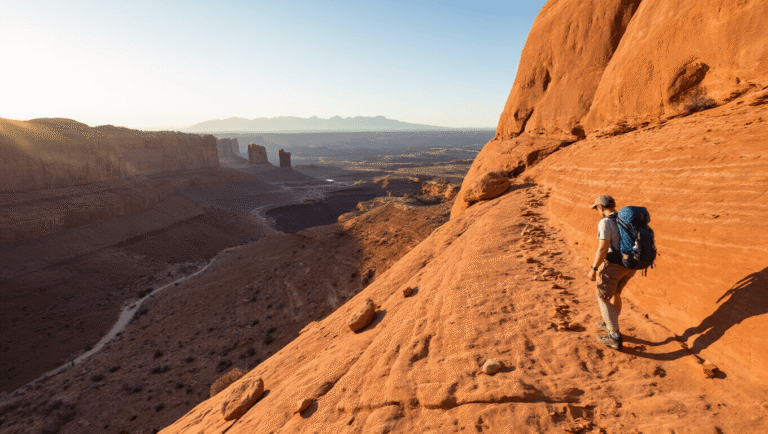
For more adventures, you can explore breathtaking hiking adventures in Utah’s iconic red rock landscapes or discover stunning desert vistas and unique geological formations.
👇Find The Cheapest Flights To Anywhere Here👇
The Journey That Changes Everything: What Really Happens on the Rails
The moment your train eases out of Manitou Springs, you realize this isn’t typical sightseeing. The distinctive clicking of the cog system engaging creates a rhythm that becomes almost hypnotic as you begin the steady climb toward one of America’s most iconic summits.
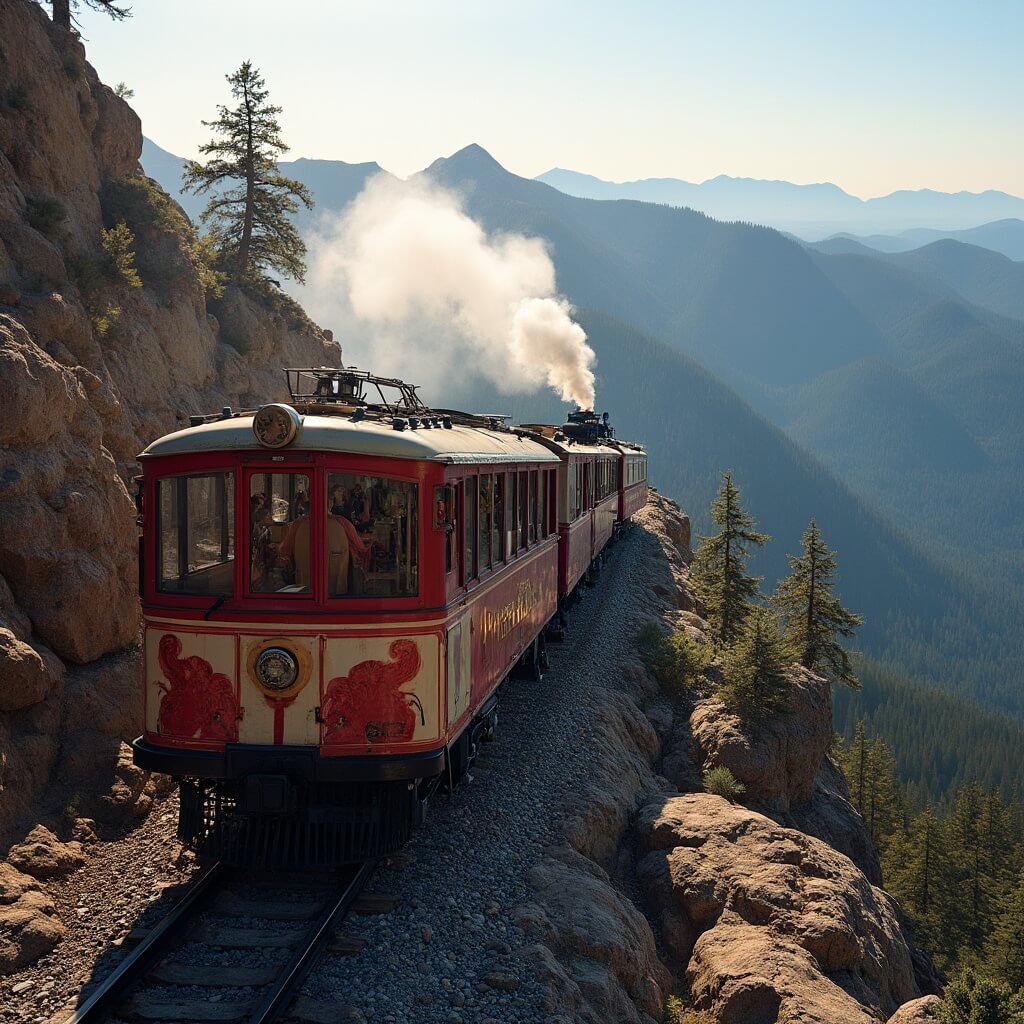
The Ascent: A Visual Timeline That Unfolds Like a Nature Documentary
Mile 1-2: Red Rock Foundations The journey begins among Manitou Springs’ famous red rock canyons. These ancient sandstone formations tell stories spanning millions of years. Your train follows Ruxton Creek, where the sound of rushing water mingles with the mechanical precision of the railway.
Mile 3-4: Forest Transformation Red rocks give way to dense forests of aspen and Colorado blue spruce. During my autumn ride, the aspen leaves created this golden canopy that seemed to glow in the morning light. The trees grew noticeably smaller and more sparse as we gained elevation.
Mile 5-6: Ancient Witnesses Here’s where most passengers become quiet and start really paying attention. You pass bristlecone pine trees—some over 2,000 years old. These gnarled, weather-beaten survivors were growing when Julius Caesar walked the earth. The train slows slightly through this section, giving you time to appreciate these living monuments.
Mile 7-8: Beyond the Treeline The forest disappears entirely. Welcome to alpine tundra, where only the hardiest plants survive. The landscape becomes stark, beautiful, and otherworldly. Wind speeds increase dramatically, and you can feel the train working harder against both gravity and weather.
Mile 8.9: Summit Arrival The train crests the final grade, and suddenly you’re standing on top of Colorado.
Wildlife Encounters You Can’t Plan (But Should Hope For)
The railway passes through Pike National Forest, home to incredible wildlife populations.
Common sightings include:
- Elk herds grazing in meadows below
- White-tailed and mule deer along forest sections
- Bighorn sheep navigating impossible cliff faces
- Yellow-bellied marmots sunning themselves on rocks
- Occasionally, black bears foraging in berry patches
The train’s schedule follows routes that minimize wildlife disruption, but animals often seem curious about the passing trains. During one early morning ride, our conductor stopped the train for nearly five minutes while a massive bull elk decided whether to move off the tracks. Nobody complained about the delay.
The Summit Experience: 40 Minutes That Feel Like 40 Seconds
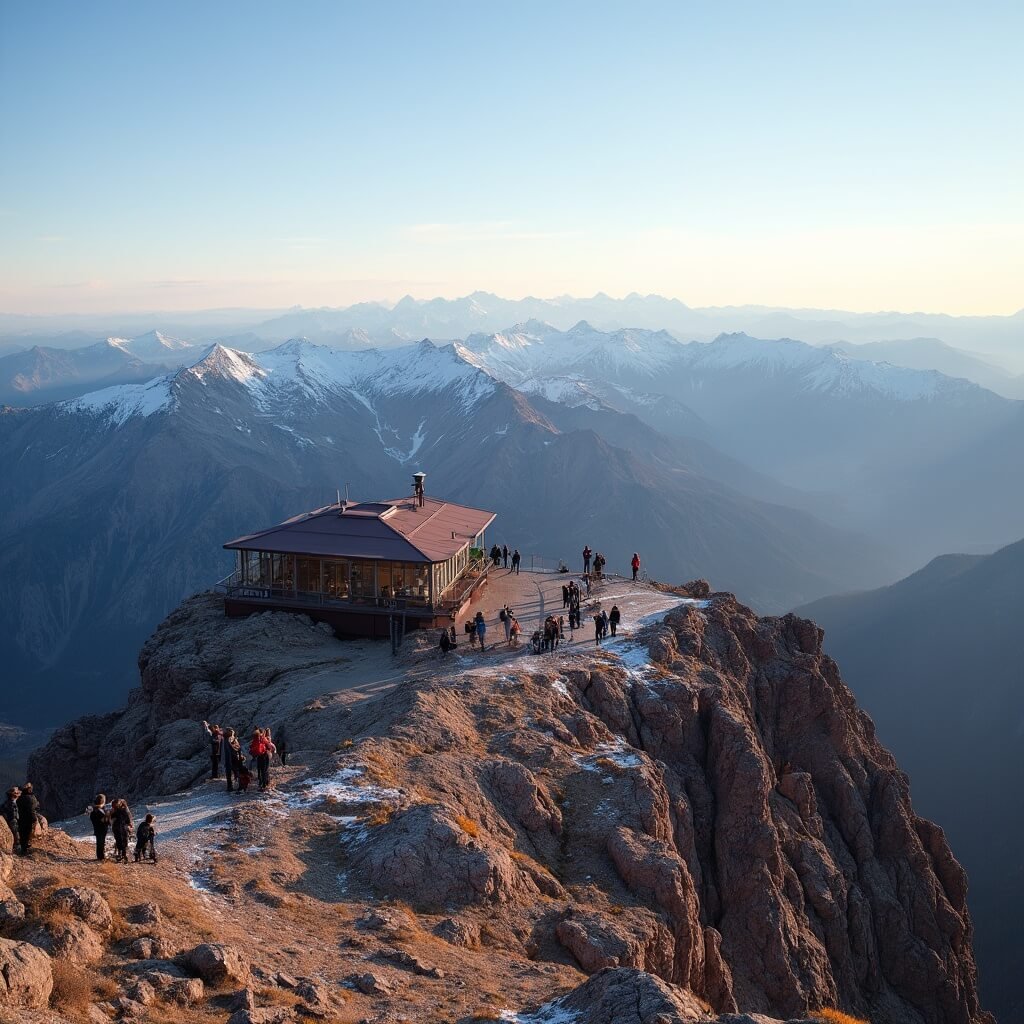
At 14,115 feet, Pikes Peak’s summit offers something few places on Earth can match. The moment you step off the train, the thin air hits you immediately. Most people take a few extra breaths and move slowly—this is completely normal at altitude.
What You’ll Actually See (Weather Permitting)
Five-state visibility on clear days:
- Colorado (obviously)
- Kansas (eastern plains stretching endlessly)
- New Mexico (southern mountain ranges)
- Arizona (southwestern desert)
- Utah (western peaks)
The Summit Visitor Center provides multiple vantage points and interpretive displays explaining what you’re seeing. These aren’t just pretty views—they’re geological lessons spanning millions of years.
Pro tip: The accessible walking paths around the summit let you experience different perspectives without strenuous hiking. Even visitors with mobility limitations can enjoy spectacular views.
Managing Your Summit Time Effectively
Forty minutes sounds like plenty of time until you’re actually there.
Smart summit strategy:
- First 10 minutes: Acclimate to altitude, walk slowly
- Next 20 minutes: Explore visitor center and take photos
- Final 10 minutes: Find your favorite viewpoint and soak it in
The wind at the summit can be fierce even on calm days at sea level. Bring layers regardless of the season. I’ve experienced 70-degree weather in Manitou Springs and 45-degree temperatures with 30 mph winds at the summit on the same day.
The Descent: More Than Just the Return Trip
The journey down takes longer—1 hour and 10 minutes—but offers entirely different perspectives on the same scenery. The afternoon light changes how everything looks. Shadows shift across canyons, and wildlife becomes more active as the day progresses.
Many passengers use descent time to process what they’ve just experienced. There’s something profound about ascending to 14,115 feet and returning to everyday elevation within three hours.
Hidden Gems: The Details That Make the Experience Memorable
The Gift Shop Strategy Most People Get Wrong
The depot gift shop isn’t just tourist trap merchandise. It’s stocked with genuine Colorado-made goods and railway memorabilia you won’t find elsewhere.
Shop before your train departure, not after. You’ll have more time and energy before the journey than when you return. Plus, browsing helps pass time if you arrive early (which you should).
The Cog Railway merchandise includes items specific to this particular railway’s history—pieces you can’t buy online or at generic Colorado tourist shops.
Food and Drink Recommendations
Bring trail mix for energy during the journey. The combination of altitude and excitement can leave you hungrier than expected.
Many locals recommend grabbing ice cream before boarding. Manitou Springs has excellent local ice cream shops within walking distance of the depot. It seems counterintuitive before a mountain journey, but the sugar provides quick energy, and you’ll burn it off quickly at altitude.
Photography Tips From Someone Who’s Made Every Mistake
Best photo opportunities:
- Bristlecone pine section (mile 5-6)
- First views above treeline (mile 7)
- Summit panoramas (obviously)
- Return journey with different lighting
Camera considerations:
- Batteries drain faster at altitude
- Bring extra memory cards—you’ll take more photos than planned
- Wind at summit makes tripods challenging
- Morning light generally better than afternoon for mountain photography
Seasonal Secrets: When Each Time of Year Shines
Spring (April-May): The Secret Season
- Wildflowers beginning to bloom at lower elevations
- Snow still crowning the summit
- Fewer crowds than summer
- Weather highly variable—dress in layers
Summer (June-August): Peak Experience
- Warmest summit temperatures (still jacket weather)
- Longest daylight hours for photography
- All wildlife active and visible
- Highest prices and biggest crowds
Fall (September-October): The Hidden Gem
- Aspen trees create golden forest canopies
- Crisp, clear air improves visibility
- Wildlife preparing for winter—more active feeding
- Perfect weather for the complete experience
Winter (November-March): The Adventure Season
- Snow-covered landscapes transform everything
- Smaller groups create intimate experiences
- Weather cancellations more likely
- Summit becomes true winter wonderland
Ticket Flexibility: The Policies That Actually Matter
The railway’s refund and rescheduling policies are more generous than most attractions.
More than 7 days before departure:
- Full refunds available
- Free rescheduling to any available date
- No penalties or fees
Within 7 days of departure:
- $20 fee for rescheduling
- Store credit option (valid 1 year)
- Weather cancellations handled separately
Store credits provide flexibility for Colorado residents or frequent visitors who can return within a year.
The Real Investment: Why This Experience Pays Dividends
At roughly $67 per adult for advance online booking, the Pikes Peak Cog Railway represents serious value when you break down what you’re getting.
What’s included in your ticket:
- Three hours of guided mountain ascent and descent
- Access to 14,115-foot summit without hiking
- Educational commentary throughout journey
- Summit visitor center and facilities
- One of only three remaining cog railway experiences in America
Compare this to helicopter tours or guided mountain climbing expeditions offering similar summit access. The railway provides the experience at a fraction of the cost with infinitely better safety margins.
Making It Memorable: The Details That Count
Arrival Strategy
Arrive 45 minutes early, but use that time purposefully. Walk around Manitou Springs’ historic downtown. The town itself tells the story of Colorado’s tourist development over 130+ years.
Weather Backup Plans
The railway operates year-round but cancels for severe weather. Have alternative Colorado Springs activities planned, especially during winter months or stormy summer afternoons.
Photography Equipment
- Bring extra batteries (altitude drains them faster)
- Pack lens cloths (mountain air carries dust)
- Secure camera straps (summit winds are serious)
The Bottom Line: Why This Railway Experience Stands Apart
The Pikes Peak Cog Railway isn’t just transportation to a mountain summit. It’s time travel through Colorado’s geological history, a wildlife safari through Pike National Forest, and access to views that helped inspire “America the Beautiful.”
Most importantly, it’s an experience that stays with you. Years later, you’ll still remember the sound of the cog system clicking up the mountain, the moment you first saw five states from one viewpoint, and the feeling of standing on top of America’s Mountain.
For families, it creates shared memories that last generations. For solo travelers, it provides perspective that’s both literal and metaphorical.
When you’re planning your Colorado adventure, the Pikes Peak Cog Railway deserves serious consideration—not just as another attraction, but as one of America’s truly iconic mountain experiences that you can’t replicate anywhere else in the world.
History of America’s Highest Cog Railway
👇Ready To Book Your Trip?👇
This post may contain affiliate links. Please see my disclosure policy for details.