
Have you ever dreamed of witnessing something truly extraordinary? A place where wild horses gallop freely across pristine beaches, where nature’s raw beauty meets unbridled freedom?
Assateague Island isn’t just another beach destination. It’s a living, breathing ecosystem where feral horses have called home for centuries, creating one of the most unique wildlife experiences in the United States.

The Mysterious Origins of Assateague’s Wild Horses
Contents
- The Mysterious Origins of Assateague’s Wild Horses
- A Unique Ecosystem: More Than Just Horses
- Critical Safety Note for Horse Watchers
- Planning Your Assateague Adventure: What You Need to Know
- Capturing the Magic: Photography Tips for Horse Lovers
- Unexpected Encounters: Wild Horse Behavior Decoded
- Practical Considerations: Booking and Logistics
- Your Assateague Bucket List: Final Recommendations
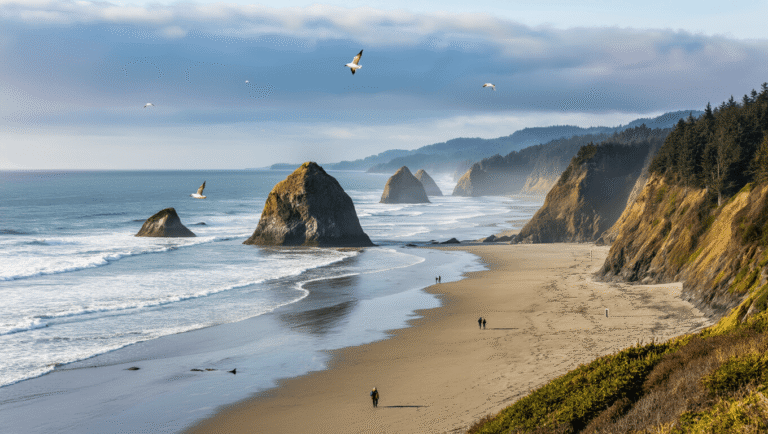
Picture this: A 37-mile barrier island stretching along Maryland’s eastern shore, where wind-swept dunes and salt marshes create a landscape so wild, it feels like another world.
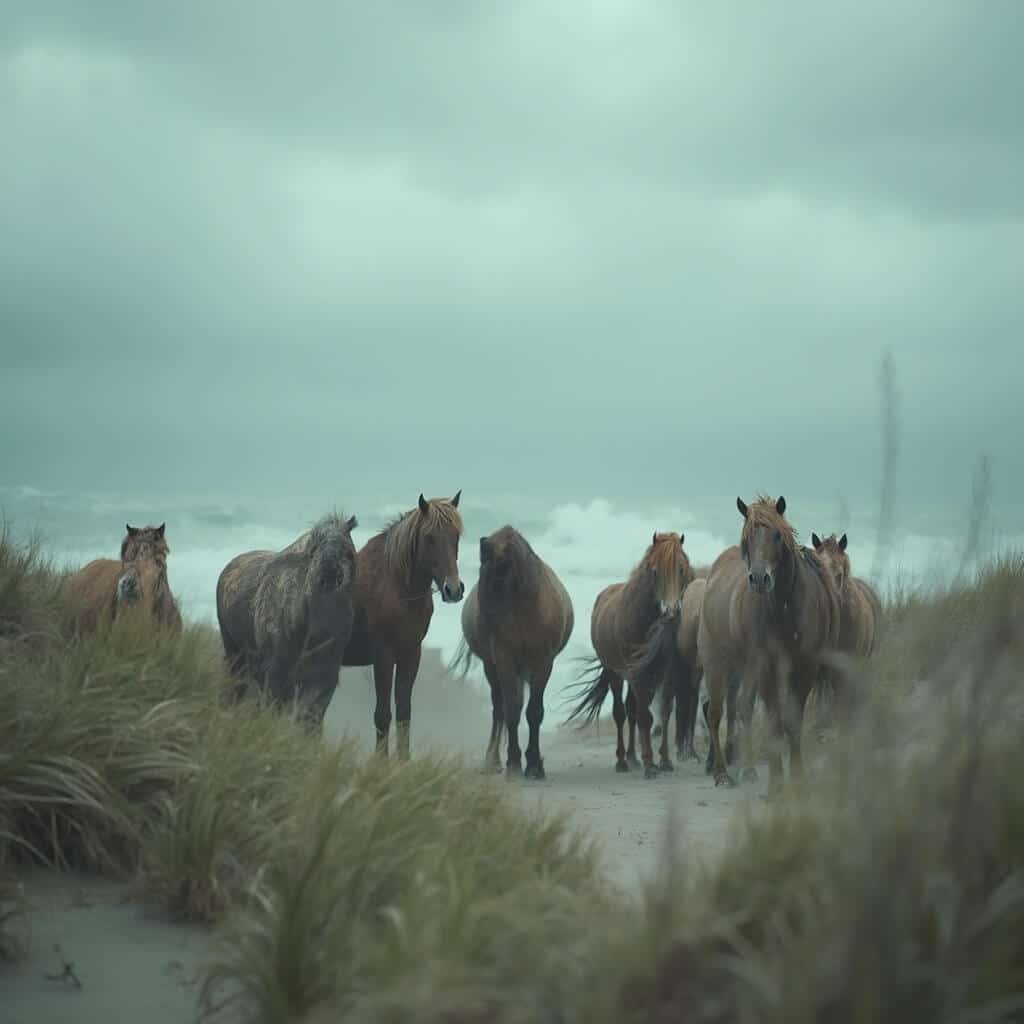
These aren’t just any horses. They’re survivors. Descendants of domestic horses brought to the island centuries ago, they’ve adapted to one of the most challenging environments imaginable. Smaller and stockier than their mainland cousins, these horses have developed incredible survival skills.
How They Survive: Nature’s Ultimate Adaptation Story
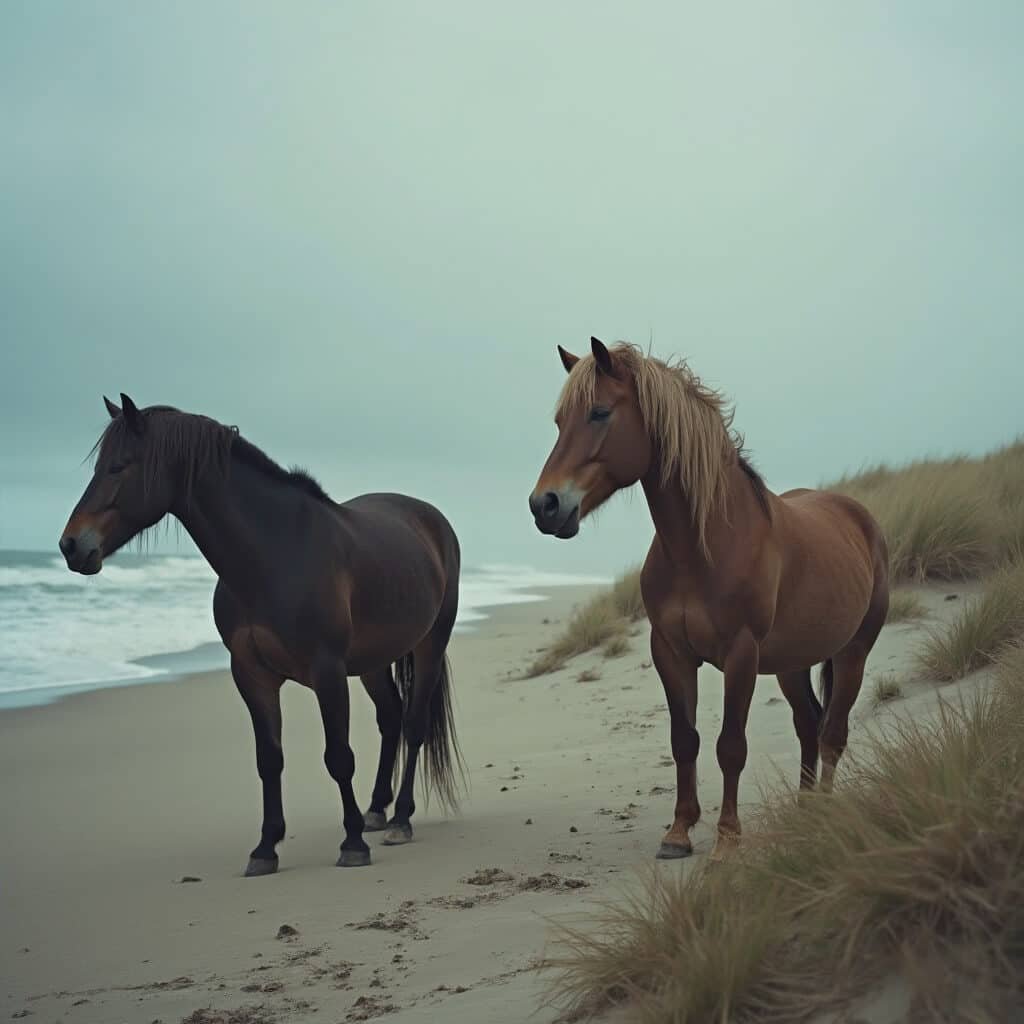
I’ll never forget my first encounter with these remarkable creatures. Standing on the windswept beach, I watched a band of horses grazing near the saltmarsh, their thick coats protecting them from harsh winds and salty conditions.
Incredible Survival Adaptations:
- Consume twice the water of regular horses
- Develop thick, protective coats
- Navigate extreme temperature fluctuations
- Survive on a diet of marsh grasses and limited freshwater
Scientists believe these horses descended from livestock brought to the island in the late 17th century. Some even speculate they might be descendants of horses surviving a Spanish shipwreck—a romantic theory that adds to their mystique.
A Unique Ecosystem: More Than Just Horses
Assateague isn’t just about horses. It’s a complex ecosystem where approximately 300 wild horses share space with diverse wildlife. Imagine kayaking through bayside coves, spotting deer in maritime forests, and watching rare bird species soar overhead.
Where to Find These Magnificent Creatures
Finding these horses isn’t guaranteed, but certain locations offer better chances:
- Marsh areas throughout the island
- Beaches along the 37-mile stretch
- National Park’s Over Sand Vehicle area
- Beach Road near Southern Corral
Pro tip: Early morning and dusk provide the most magical viewing opportunities.
Critical Safety Note for Horse Watchers
These are WILD animals. Not cute, domesticated pets. They bite, kick, and can carry rabies. Always maintain a safe distance and respect their space.
The Maryland herd, managed by the National Park Service, contains around 80 horses. They roam freely, appearing anywhere from beach to marsh—a testament to their untamed spirit.
Their diet is fascinating. Saltmarsh cordgrass, bayberry twigs, and occasional persimmons sustain these resilient creatures. They’ve mastered survival in an environment that would challenge most animals.
As the sun begins to set, casting golden light across the marshlands, you’ll understand why Assateague isn’t just a destination—it’s an experience that connects you with something truly wild and extraordinary.
Want to know the best times to visit, how to camp, and more insider secrets about experiencing these magnificent horses? Let me tell you about the incredible adventures that await on this remarkable island. While you’re exploring, don’t miss other breathtaking destinations like the iconic Mount Rushmore in South Dakota or the stunning Antelope Canyon in Arizona.
👇Find The Cheapest Flights To Anywhere Here👇
Planning Your Assateague Adventure: What You Need to Know
When to Visit: Timing is Everything
Not all seasons are created equal on Assateague Island.
Each month offers a unique experience, but some stand out for horse enthusiasts and nature lovers.
Peak Viewing Seasons:
- Late Spring (May-June): Mild temperatures, fewer crowds
- Early Fall (September-October): Spectacular migration periods
- Summer: Maximum wildlife activity, but also peak tourist season
Weather Watch: Preparing for Nature’s Mood Swings
Assateague’s weather can be as unpredictable as its wild horses.
Summer temperatures regularly climb into the 80s, with humidity that’ll make you appreciate those ocean breezes. Winter? Expect crisp temperatures ranging from 30-50°F, with wind that cuts like a knife.
Essential Packing Tips:
- Layered clothing
- Wind-resistant jacket
- High-SPF sunscreen
- Wide-brimmed hat
- Comfortable walking shoes
- Binoculars for wildlife viewing
Capturing the Magic: Photography Tips for Horse Lovers
Want Instagram-worthy shots of these magnificent creatures? Here’s my insider guide.
Pro Photography Strategies:
- Use telephoto lens (minimum 200mm)
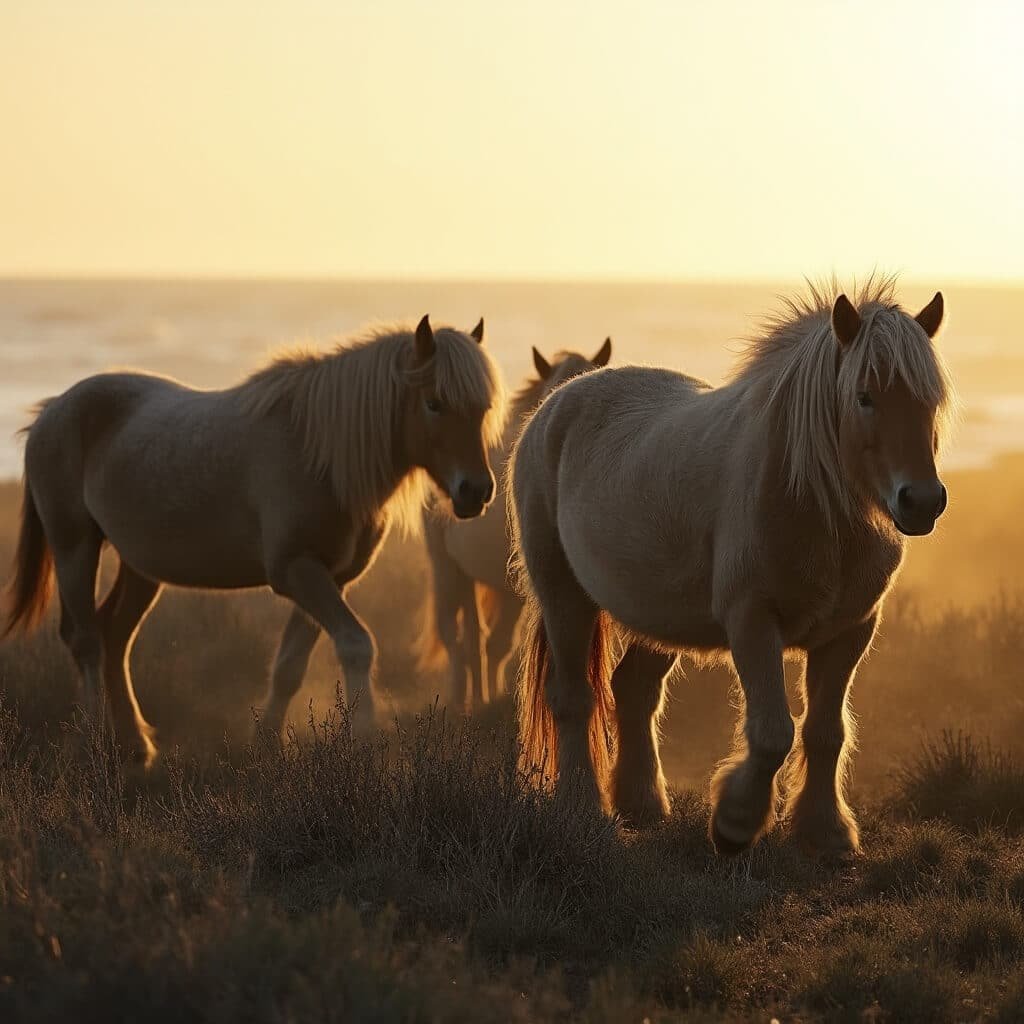
- Shoot during golden hours (sunrise/sunset)
- Maintain minimum 40-foot distance
- Focus on environmental context
- Patience is your greatest tool
Conservation: How Visitors Can Protect the Herd
These horses aren’t just a tourist attraction—they’re a delicate ecosystem requiring respect and protection.
Visitor Responsibilities:
- Never feed the horses
- Maintain safe distance
- Report injured or distressed animals to park rangers
- Follow all posted guidelines
- Practice “Leave No Trace” principles
Read more about the conservation efforts at Wild Horses of Assateague Island and Wild Horses of Assateague: A Naturalized Species.
Unexpected Encounters: Wild Horse Behavior Decoded
Not all horse encounters are created equal.
Understanding their behavior can transform a potentially dangerous situation into an unforgettable memory.
Warning Signs:
- Pinned back ears
- Raised tail
- Stomping front hooves
- Direct, aggressive eye contact
Beyond Horses: Exploring Assateague’s Hidden Treasures
While horses steal the spotlight, the island offers incredible biodiversity.
Must-Experience Activities:
- Kayak through secluded bay channels
- Bird watching in maritime forests
- Sunset beach hiking
- Clamming during low tide
- Stargazing in some of the darkest skies on the east coast
For other unique natural adventures, check out Antelope Canyon in Arizona or explore more options for outdoor lovers.
Practical Considerations: Booking and Logistics
Reservation Essentials
- Book camping spots 6-12 months in advance
- Check seasonal availability
- Confirm entry fees
- Review current park restrictions
Budget-Friendly Tips
- Visit during shoulder seasons
- Consider midweek trips
- Pack your own meals
- Look for multi-day park passes
Your Assateague Bucket List: Final Recommendations
Before you go, commit these must-do experiences to memory:
- Witness a sunrise with wild horses
- Capture a panoramic beach photograph
- Take a guided ranger tour
- Experience an overnight beach camping adventure
- Learn about local ecological conservation efforts
The Intangible Magic of Assateague
More than a destination, Assateague is a reminder of nature’s wild, unscripted beauty.
These horses aren’t just surviving—they’re thriving in one of America’s most unique ecosystems.
Whether you’re a wildlife enthusiast, photographer, or simply seeking an extraordinary experience, Assateague Island’s wild horses await your discovery.
Ready to embark on the adventure of a lifetime? Your untamed journey begins here—where wild horses roam free on Assateague’s pristine shores.
Explore more unforgettable destinations like The French Quarter in New Orleans, Mount Rushmore, and romantic small towns to complete your travel bucket list.
👇Ready To Book Your Trip?👇
This post may contain affiliate links. Please see my disclosure policy for details.