
The Road to Hana in Maui isn’t just another scenic drive – it’s a 64.4-mile gauntlet that separates casual tourists from proper adventurers.
*Most people approach this legendary Hawaiian driving route with completely wrong expectations*, turning what should be an epic journey into a white-knuckle nightmare.
Here’s what you need to know before you commit to one of the world’s most challenging yet rewarding road trips.
Why the Hana Highway Breaks Most Drivers (The Numbers Don’t Lie)
The statistics alone should make you pause.
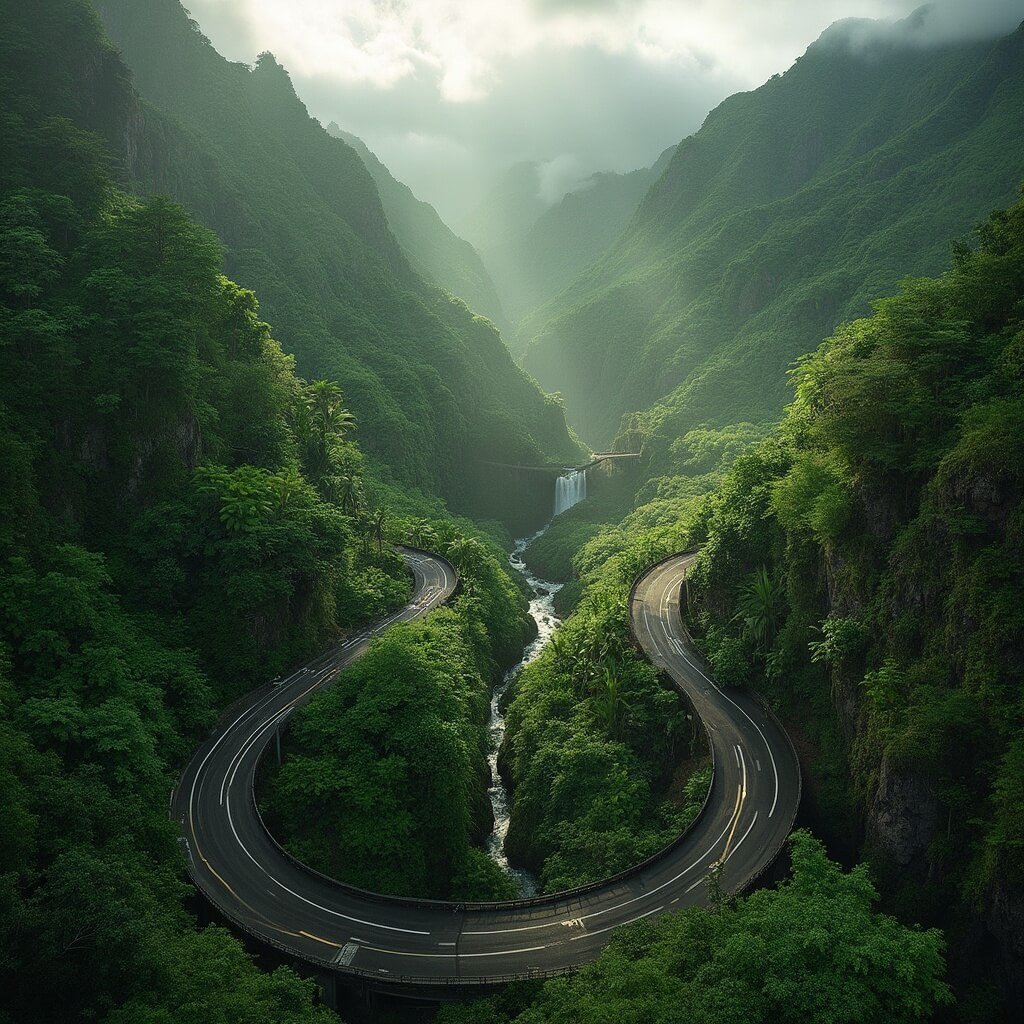
620 curves. 59 bridges. 46 of them single-lane.
This isn’t your typical coastal cruise – it’s a technical driving challenge that demands respect.
The route starts innocently enough at Kahului Harbor on Route 36, then switches to Route 360 at Mile Marker Zero, about 16 miles past Paia Town.
What follows is a 30 mph crawl through some of the most stunning yet demanding terrain you’ll ever encounter.
*Think you can knock this out quickly?* Think again.
Even driving non-stop from Kahului to Hana takes 2.5 hours minimum. Add the recommended stops, and you’re looking at 5-8 hours. Factor in meals and proper exploration, and you’ve committed to a full day.
I learned this the hard way during my first attempt in 2019. I’d budgeted three hours total, thinking I could power through and tick it off my list. By hour four, still nowhere near Hana and feeling every one of those hairpin turns in my stomach, I finally understood why locals shake their heads at rushed tourists.
The Road to Hana isn’t about reaching a destination – it’s about *embracing a journey* that will test your patience, reward your curiosity, and completely recalibrate your relationship with time.
Key takeaway: This drive demands a full day commitment and a complete mindset shift from rushing to savoring.
The Route Strategy That Changes Everything (Which Path Will You Choose?)
Here’s where most tourists make their biggest mistake: they assume there’s only one way to tackle the Hana Highway.
Wrong.
You’ve got five distinct route strategies, each with dramatically different experiences and challenges.
The Classic Tourist Trap Route
This is what 90% of visitors choose – and why 90% struggle.
The classic route follows the obvious path:
- Drive from Kahului to Hana along Route 360
- Make 6-8 stops along the way
- Grab dinner in Hana
- Return exhausted on the same winding road
Time required: 6-8 hours of curves, crowds, and frustration.
The return journey offers limited stops – perhaps the Hana Lava Tube (which closes at 4:00 PM, naturally) and Ho’okipa Beach for sea turtle viewing.
It’s popular because it’s simple. It’s also the most congested, stressful option available.
The Local Guide’s Secret: Stops on the Way Back
Smart operators flip the script entirely.
Instead of fighting crowds at every waterfall, they:
- Drive straight to Hana with minimal stops
- Explore the town when it’s peaceful
- Hit attractions on the return journey
Start at 8 AM, and you’ll reach Hana by 10:30 AM – before the tourist tsunami arrives.
Advantages: Fewer crowds, less congestion, and attractions to yourself.
The catch: You need discipline to drive past those waterfalls on the outbound journey.
The Circle Tour Route: For the Truly Adventurous
This is where things get spicy.
Drive clockwise around East Maui:
- Take the traditional route to Hana with stops
- Continue past Hana on the backside of Haleakala
- Complete the circle without backtracking
The upside: Maximum stops, simple mile marker navigation, virtually no crowds on the backside.
The reality check: Partially paved roads, graded dirt sections, rickety guardrails, zero emergency services, and potential rental car insurance voidance.
This isn’t a route – it’s an expedition.
The Reverse Psychology Route
Start in Kula, Upcountry Maui. Travel counterclockwise via the backside of Haleakala to Hana.
Time commitment: 3 hours Kula to Hana, 12 hours for the full circuit.
Why it works: Significantly fewer crowds, less congested Pipiwai Trail, and 31 available stops via self-guided tours.
The prerequisite: You need serious commitment and an 8:00 AM start time.
The Southern Strategy: The Road Less Travelled
Take the south coast route from Lahaina to Hana instead of the traditional northern approach.
Benefits: Less crowded, fewer hairpin turns, more manageable driving conditions.
Pro strategy: Drive south to Hana, return via the traditional Hana Highway for the full experience.
Key takeaway: Your route choice determines your entire experience – choose based on *your priorities, not popularity*.
The Preparation Mistakes That Ruin Road to Hana Adventures
Timing isn’t just important for the Road to Hana – it’s everything.
Rule number one: Start no later than 7:30 AM at Mile Marker Zero.
This isn’t a suggestion – it’s survival.
Early departure ensures:
- Daylight for your return journey
- Adequate time for stops without rushing
- Beating the worst of the tourist crowds
The Duration Delusion
Budget 5+ hours just for driving.
That’s before you’ve stopped at a single waterfall, taken one photo, or grabbed lunch.
Add attractions, swimming, and meals, and you’re easily looking at a 10-12 hour commitment.
Think you can squeeze this into half a day between other activities? You’ll end up stressed, disappointed, and potentially driving treacherous roads in darkness.
Vehicle and Insurance: The Fine Print That Matters
Here’s what rental companies don’t advertise: not all routes are covered.
Critical checks before booking:
- Confirm you’re allowed to drive the backside of Haleakala
- Verify insurance coverage on rough road sections
- Understand that emergency roadside service may not reach you
- Check if your contract restricts certain route variations
Some companies void insurance entirely on unpaved sections. Others charge hefty penalties for “off-road” driving on what are technically public roads.
A 4×4 helps for certain stops, but a standard vehicle handles the main route fine.
Fuel and Supply Strategy
Last reliable fuel: Paia Town, near the start of Route 36.
Fill up here – it’s your final chance before the narrow, winding sections begin.
The remainder of the route offers limited services, and you’ll be burning fuel constantly in low gears.
Essential supplies:
- More water than you think you need
- Substantial snacks for energy maintenance
- Sun protection (you’ll be in and out of the car frequently)
- Motion sickness remedies if you’re prone to car sickness
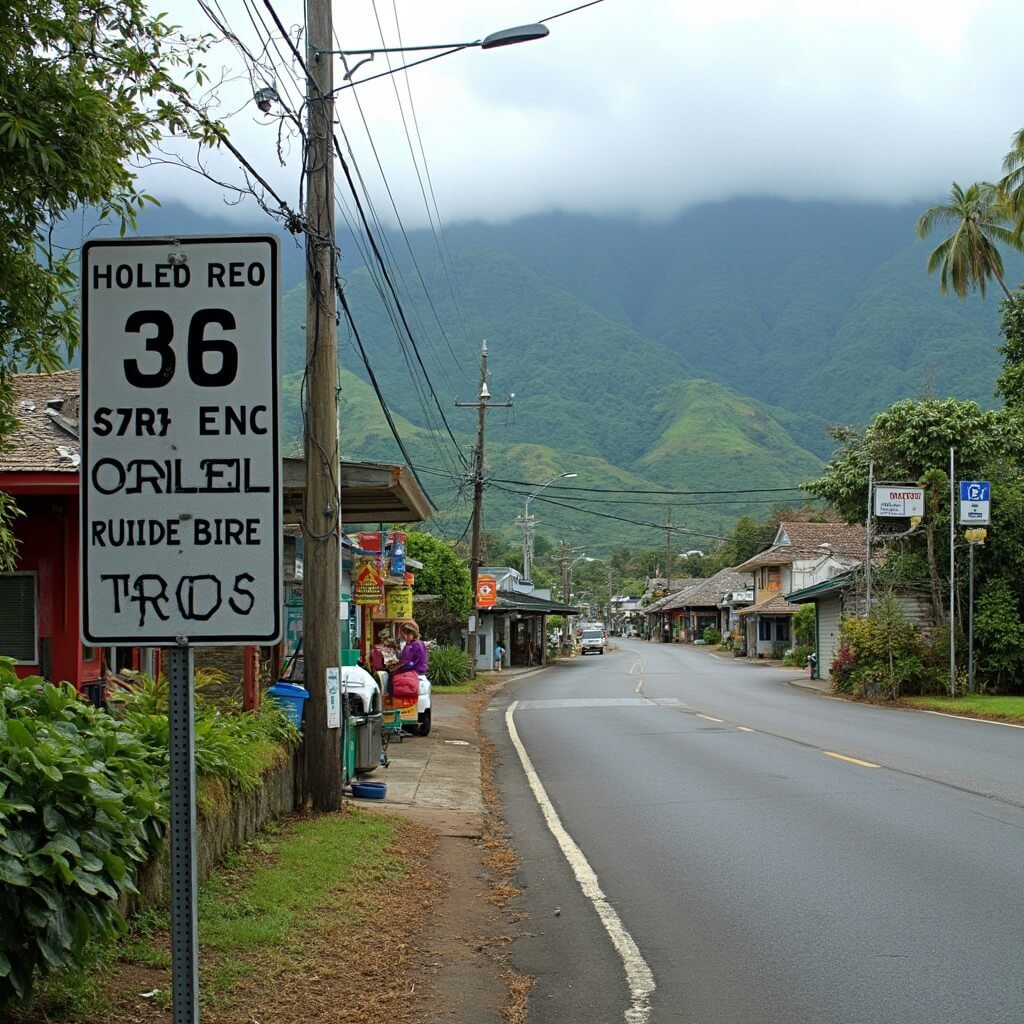
Mile markers reset when Route 36 becomes Route 360. Reset your odometer at this transition point.
Pro tip: Download self-guided tour apps like Shaka Guide or Wayfinder before you lose signal.
These apps provide GPS-independent navigation and detailed stop information for complex route planning.
The mile marker system becomes your lifeline for finding attractions and tracking progress.
Now that you understand what you’re truly committing to and how to prepare properly, you’re ready to dive into the specific attractions and stops that make this challenging journey worthwhile.
For more adventurous driving experiences, you may also want to visit the Hoover Dam or drive through Monument Valley.
👇Find The Cheapest Flights To Anywhere Here👇
### The Hidden Gems That Make Every Hairpin Turn Worth It
Now comes the payoff for your preparation: the attractions that transform this grueling drive into an unforgettable adventure.
But here’s what the guidebooks won’t tell you – not all stops are created equal, and timing your visits can mean the difference between magical moments and tourist parking lots.
### Paia Town: Your Last Taste of Civilization
Consider **Paia Town** your staging area, not just another stop.
This is where Route 360 officially begins, where you’ll find your last reliable gas station, and where the landscape begins its dramatic transformation from dry central Maui to lush tropical paradise.
**Why Paia matters**:
– Final fuel and supply opportunity
– Last reliable cell service for miles
– Atmospheric transition point where the real adventure begins
The moment you leave Paia, you’ll notice the change. The landscape shifts from brown and dusty to impossibly green. The curves begin. The real Road to Hana starts here.
### Twin Falls: The Accessibility Test
Located near **mile marker 2**, Twin Falls serves as your first major decision point.
This is one of Maui’s most accessible waterfalls, requiring just a short hike to reach. It’s also your first taste of what every subsequent stop will demand: getting out of the car and earning your reward.
**Critical intel**: If you’re following the **”stops on the way back”** strategy, you’ll drive right past this beauty on your outbound journey. It takes serious discipline, but the payoff is having this stunning waterfall largely to yourself on the return trip.
### The Ke’anae Peninsula: Banana Bread Capital of Hawaii
Here’s where the classic route really comes alive.
**Ke’anae Peninsula** has earned legendary status among Road to Hana veterans, primarily for its roadside banana bread stands.
But the real attraction isn’t the food – it’s the cultural immersion. This peninsula maintains traditional Hawaiian taro farming and offers glimpses into pre-tourism Maui life.
**Insider knowledge**: The banana bread is genuinely exceptional, but arrive early. Popular stands sell out, and afternoon visitors often find empty shelves and disappointed expectations.
### Ho’okipa Beach: Where Sea Turtles Rule
This return-route favorite has earned its reputation through consistent **wildlife viewing**.
**Ho’okipa Beach** delivers on its sea turtle promises more reliably than most Hawaiian turtle spots. The beach also serves as a natural rest stop for weary drivers tackling the return journey.
**Pro tip**: Visit during **late afternoon** on your return journey when sea turtles are most active near shore.
### Pipiwai Trail and the Bamboo Forest: The Crown Jewel
**This is why you came.**
The Pipiwai Trail leading to **Waimoku Falls** represents the Road to Hana’s absolute highlight. The trail winds through a surreal bamboo forest that feels more like Middle Earth than Hawaii.
**The reality**: This isn’t a casual stroll. Budget 2-3 hours for the full trail experience. The payoff – a 400-foot waterfall surrounded by bamboo groves – justifies every challenging mile you’ve driven.
**Timing strategy**: If you’re following the **reverse route**, you’ll hit this trail with significantly fewer crowds. The difference between a packed tourist experience and a near-private nature walk often comes down to route timing.
### Wai’anapanapa State Park: The Reservation Nightmare
Here’s where advance planning becomes mandatory.
**Wai’anapanapa State Park** features Hawaii’s most dramatic black sand beach, but accessing it requires advance parking reservations and specific entry time slots.
**The catch**: Time slots sell out during peak seasons. Miss your reservation window, and you’ve driven hours to stare at a parking gate.
**Critical planning**: Book your time slot when you book your rental car, not the night before your drive. Popular slots (10 AM – 2 PM) disappear first. Early morning slots (7-9 AM) offer better availability and fewer crowds.
### The Safety Reality Check: What No One Warns You About
Let’s address the elephant in the rental car: this drive can be genuinely dangerous if approached carelessly.
### Why the Road to Hana Has Such a Fearsome Reputation
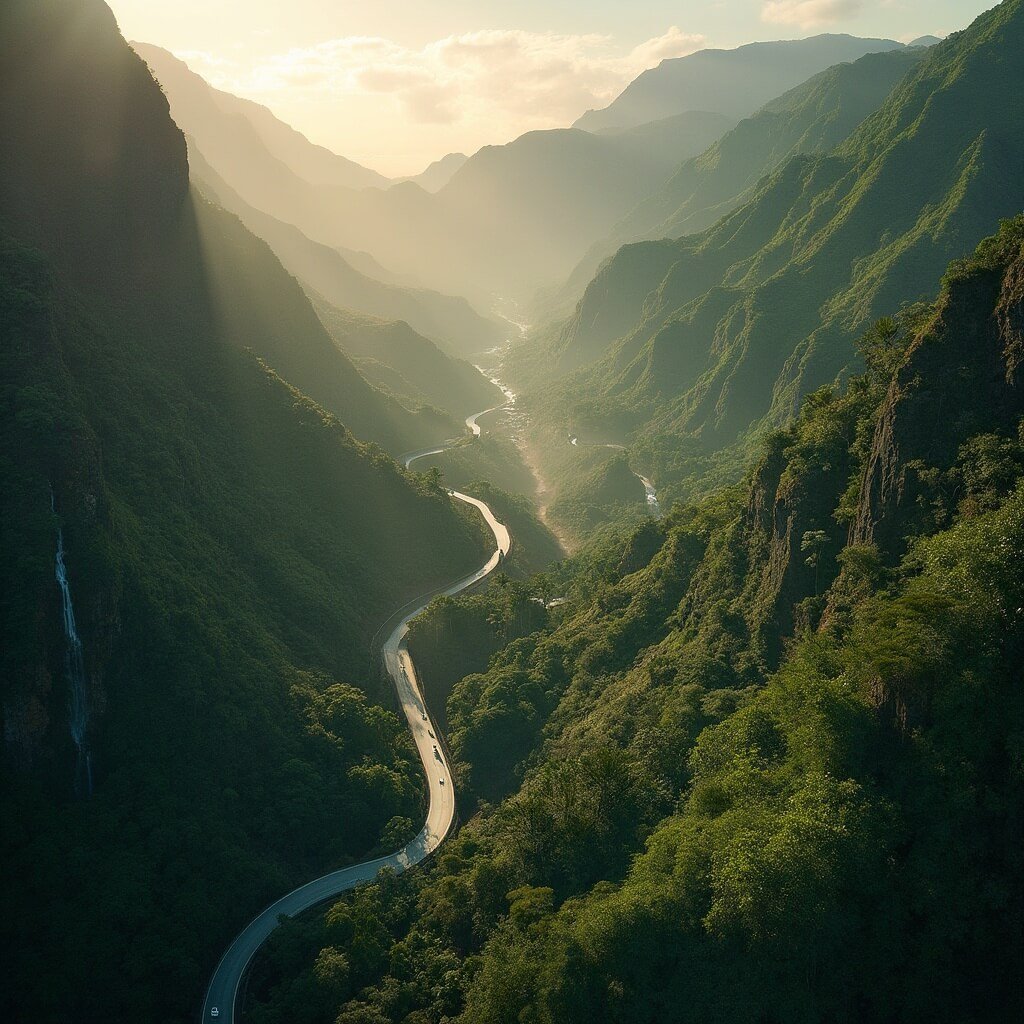
Those 620 curves aren’t distributed evenly – some sections feature **hairpin turns** every few hundred feet.
**Cliff-side driving** puts you inches from serious drops with minimal guardrails. One-way bridges create traffic bottlenecks where oncoming vehicles must negotiate right-of-way. **Jungle canopy** blocks natural light, creating twilight conditions even during midday.
**Personal reality check**: During my 2021 return visit, I witnessed three separate fender-benders, all caused by tourists underestimating turn sharpness or misjudging bridge approaches. The rental car damage costs averaged $2,000+ per incident.
### Weather: The Wild Card That Changes Everything
Hawaiian weather looks deceptively stable from resort poolsides.
The Road to Hana’s **microclimate** tells a different story.
**Weather factors that impact safety**:
– Sudden rainfall creates slick road conditions
– Fog reduces visibility in mountainous sections
– High winds affect vehicle stability on exposed areas
– Flash flooding can make stream crossings dangerous
Check weather reports, but understand they may not reflect localized conditions along your specific route.
### Motion Sickness: The Equalizer
Even experienced drivers struggle with the constant curves and elevation changes.
**Preventive measures**:
– Take motion sickness medication 30 minutes before departure
– Maintain steady, slow speeds rather than accelerating between curves
– Stop frequently – every 20-30 minutes minimum
– Stay hydrated but avoid heavy meals
**Reality check**: If you’re prone to car sickness on normal roads, the Road to Hana may be genuinely miserable rather than adventurous.
Consider helicopter tours as an alternative that captures the scenery without the physical demands.
### The Backside of Haleakala: Where Adventure Meets Stupidity
The backside of Haleakala route deserves special attention because it’s where adventurous driving crosses into potentially reckless territory.
### What “Partially Paved” Really Means
Rental car companies use euphemistic language around the backside route.
**Translation guide**:
– “Partially paved” = Long sections of graded dirt and loose gravel
– “Remote area” = Zero cell service and no emergency assistance
– “Challenging conditions” = Roads that would qualify as off-roading elsewhere
### The Insurance Minefield
Many rental agreements specifically exclude coverage for the backside route.
**Common exclusions**:
– Damage from “unpaved road” driving
– Towing from remote locations
– Repairs needed due to “off-road” conditions
The kicker? These are technically public roads, but insurance companies treat them as off-road adventures.
### When Circle Tours Make Sense (And When They Don’t)
The full circle route works best for:
– Experienced adventure drivers
– Visitors with flexible schedules
– Those prioritizing unique experiences over comfort
– Travelers with appropriate vehicle coverage
**Skip the circle route if**:
– You’re uncomfortable with challenging driving conditions
– Your rental agreement excludes coverage
– You’re traveling with young children or elderly passengers
– Weather conditions are questionable
### Maximizing Your Road to Hana Experience: The Veteran’s Playbook
After multiple Road to Hana adventures and countless conversations with local guides, here’s what actually works:
### The Fresh Driver Principle
Never attempt the Road to Hana after a long travel day or strenuous activity.
**Optimal scenarios**:
– Second or third day of your Maui visit
– After a good night’s sleep in Maui accommodation
– When you’re mentally fresh and physically rested
**Terrible ideas**:
– Driving to Hana immediately after mainland flights
– Combining with other demanding activities
– Attempting the route when already exhausted
Consider spending a night in Hana to eliminate fatigue factors entirely.
### The Overnight Game-Changer
Staying overnight in Hana fundamentally transforms the experience.
**Benefits of Hana overnight stays**:
– Two separate, manageable drives instead of one marathon
– Fresh energy for each direction’s attractions
– Access to early morning and sunset lighting
– Reduced pressure to optimize every stop
**Accommodation reality**: Hana offers limited overnight options, and they book months in advance during peak seasons.
### Mindset Recalibration: Journey vs. Destination
The Road to Hana breaks destination-focused travelers.
**Successful mindset**: This is about the journey, stops, and experiences along the way. Hana town itself is pleasant but not spectacular. The magic happens in between.
**Failed approach**: Rushing to reach Hana, then feeling disappointed by the destination.
### Technology Integration That Actually Helps
**Essential apps**:
– Shaka Guide for narrated, GPS-based tour guidance
– Offline maps downloaded before losing signal
– Weather apps for localized condition updates
**Helpful tools**:
– Portable phone chargers (you’ll use GPS constantly)
– Waterproof phone cases for waterfall photography
– Bluetooth speakers for tour narration
### The Final Verdict: Is the Road to Hana Worth the Hype?
Here’s the honest truth: the Road to Hana delivers on its promises, but only if you approach it with realistic expectations and proper preparation.
**You’ll love it if**:
– You enjoy challenging drives as part of the adventure
– Natural beauty and unique experiences outweigh convenience
– You’re prepared for a full-day commitment
– You appreciate journey-focused travel over destination-focused tourism
**You’ll hate it if**:
– You expect easy, accessible sightseeing
– Motion sickness affects you on normal roads
– You prefer structured, predictable tourist activities
– Time constraints pressure you to rush
The Road to Hana isn’t for everyone, and that’s perfectly fine.
**Alternative options**:
– Helicopter tours covering the same scenery
– Guided bus tours handling the driving logistics
– Partial route drives focusing on specific attractions
– Different Maui adventures better suited to your preferences
### Making Your Road to Hana Decision
Before you commit to this legendary drive, honestly assess your situation:
**Go for it if**:
– You can dedicate a full day without other commitments
– You’re comfortable with challenging driving conditions
– Weather forecasts show favorable conditions
– You’ve secured necessary reservations (Wai’anapanapa State Park)
– Your rental car coverage includes your chosen route
**Consider alternatives if**:
– Time constraints limit you to partial experiences
– Physical factors (motion sickness, fatigue) concern you
– Weather or road conditions appear questionable
– You prefer more structured tourist activities
The Road to Hana rewards proper preparation and realistic expectations while punishing rushed, unprepared attempts.
Choose your approach wisely, respect the road’s demands, and you’ll understand why this challenging drive has achieved legendary status among Hawaii’s most demanding yet rewarding adventures.
Whether you tackle the full circle route, opt for the strategic “stops on the way back” approach, or choose the road less travelled via Maui’s southern route, success comes down to matching your route selection with your capabilities, timeline, and travel style.
The Road to Hana doesn’t care about your schedule – but with proper planning and the right mindset, it will provide memories that justify every challenging curve along Maui’s most famous highway.
For more insights on planning the perfect trip to Hana, check out the Best Routes for Road to Hana Drive and explore Essential Road to Hana Stops and Tips.
👇Ready To Book Your Trip?👇
This post may contain affiliate links. Please see my disclosure policy for details.