
The National Civil Rights Museum in Memphis isn’t just another history museum.
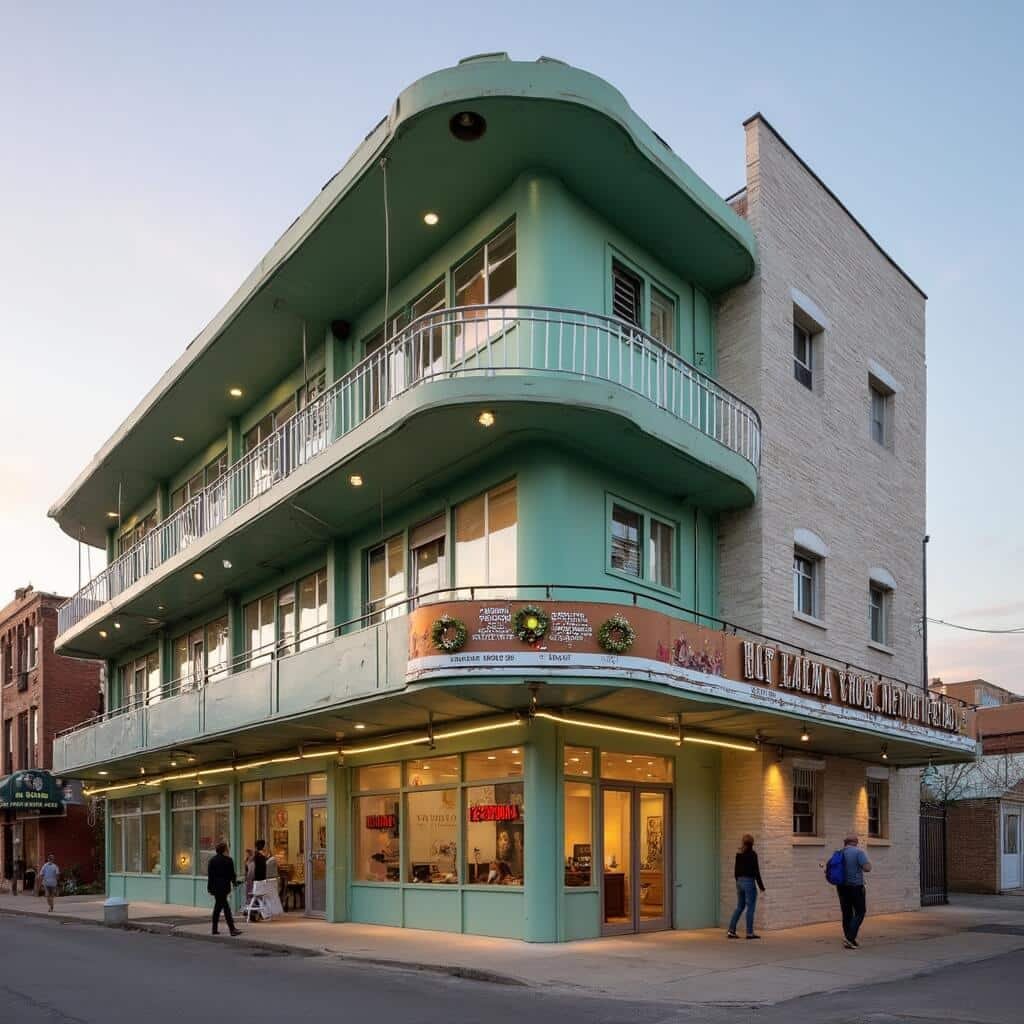
Walking through its doors at 450 Mulberry Street feels like stepping into the epicentre of America’s most defining struggle for equality.
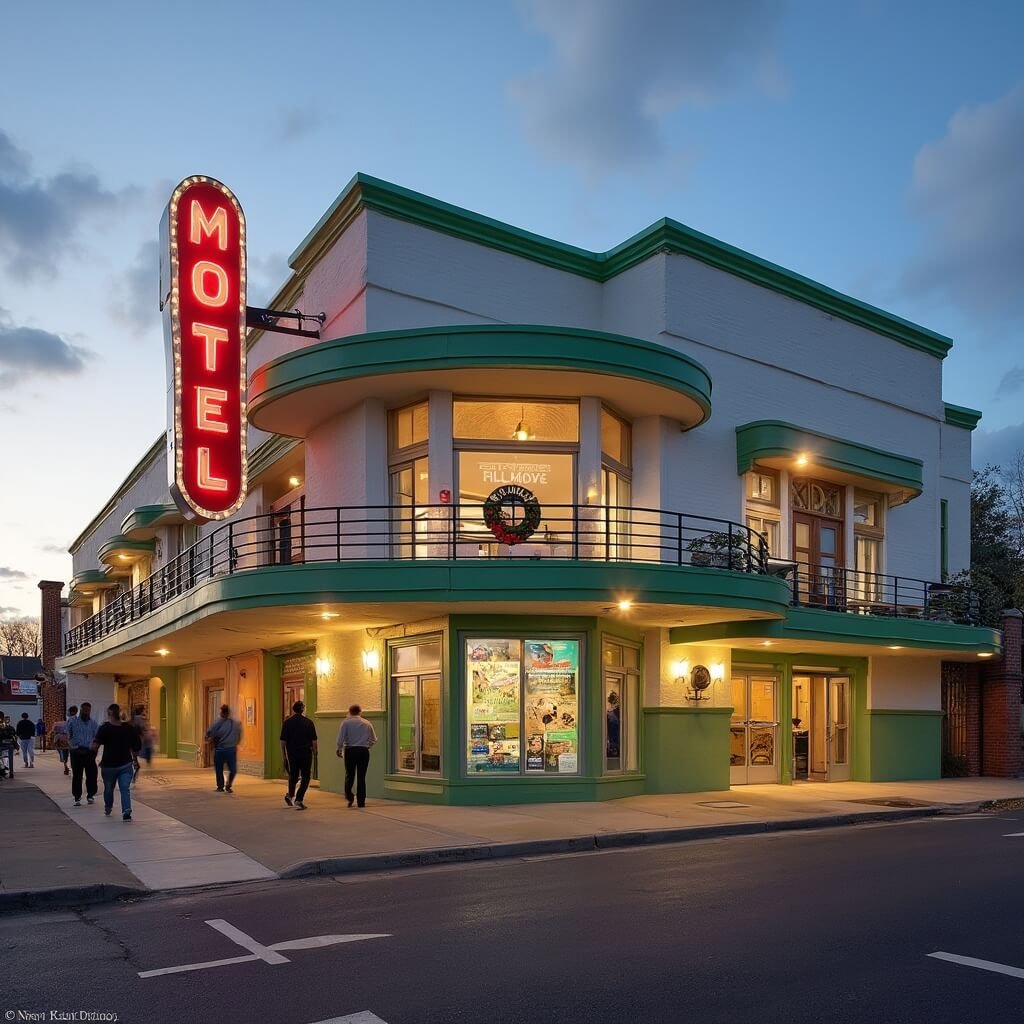
What makes this place extraordinary? It’s built around the actual Lorraine Motel where Dr. Martin Luther King Jr. was assassinated on April 4, 1968.

The Building That Witnessed History (And Why Location Matters More Than You Think)
Contents
- The Building That Witnessed History (And Why Location Matters More Than You Think)
- What 260 Artifacts and Five Centuries of History Actually Look Like
- The Brutal Truth About Planning Your Visit (Don’t Make These Timing Mistakes)
- The Exhibits That Will Stop You in Your Tracks
- The Photography Rules That Could Get You Kicked Out (And How to Capture Memories Legally)
- Why Your GPS Might Lead You to the Wrong Entrance (Parking Secrets Revealed)
- The Group Booking Trap That Costs Families Money (Plus Tour Options That Actually Add Value)
- Educational Programs That Go Beyond Tourist Attractions
- The 2026 Renovation That Changes Everything (Why Timing Your Visit Matters)
- Making Reservations and Getting the Most Value
- The Real Impact That Extends Beyond Your Visit
Standing in downtown Memphis’s South Main District, this former motel carries the weight of a nation’s turning point.
The Lorraine Motel wasn’t chosen randomly for this museum.
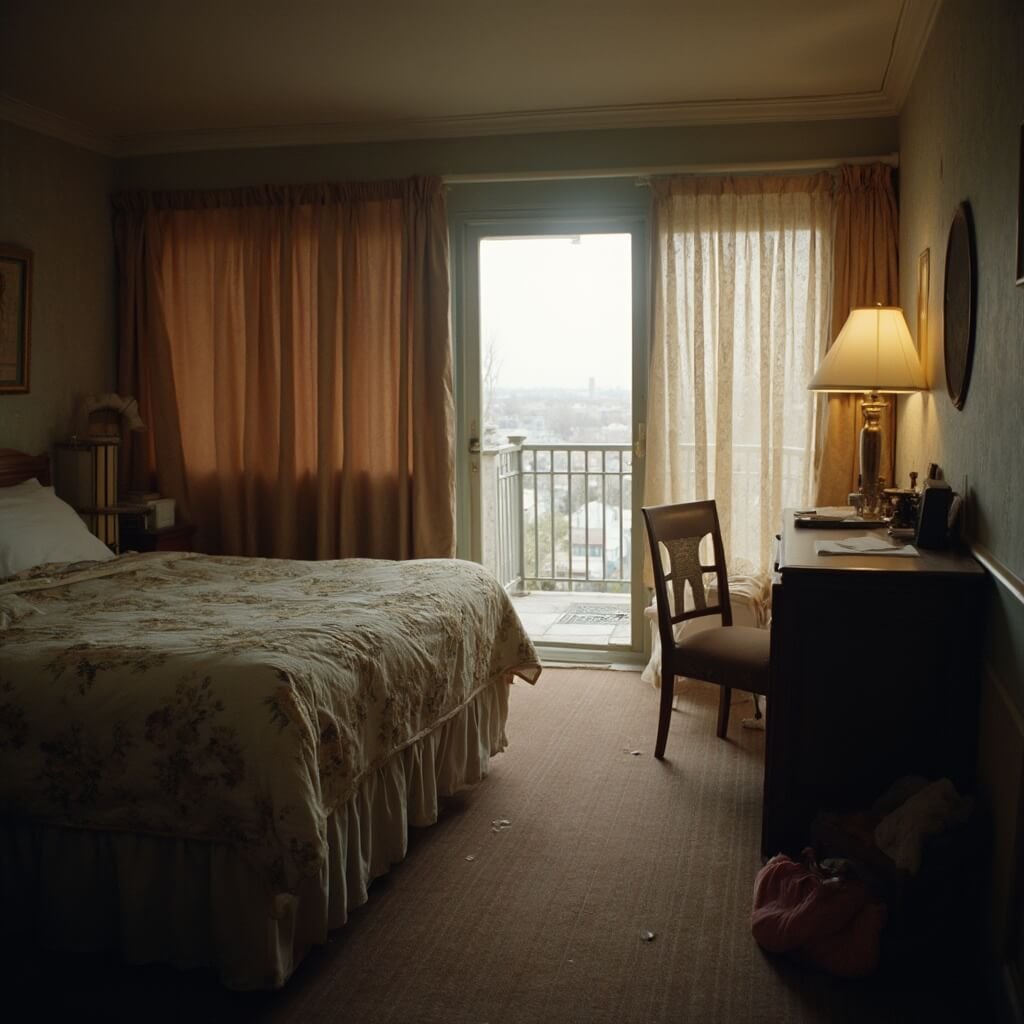
Dr. King stayed in Room 306 during his final days, supporting the Memphis sanitation workers’ strike. That room, preserved exactly as it was, now serves as the museum’s most powerful exhibit.
I remember my first visit here in 2019, expecting a typical museum experience. Instead, I found myself standing on the balcony where King was shot, looking down at the wreath of flowers that still marks the exact spot. The silence was deafening. Other visitors whispered, if they spoke at all.
The museum officially opened on September 28, 1991, transforming a site of tragedy into a beacon of education and hope.
Quick facts about the location:
- Historic Lorraine Motel setting preserved
- Located in Memphis’s vibrant art district
- Accessible downtown location with free parking
- Smithsonian Affiliate status adds credibility
This isn’t just about preserving a building. It’s about maintaining the actual space where history pivoted.
What 260 Artifacts and Five Centuries of History Actually Look Like
The National Civil Rights Museum chronicles an incredible span: 1619 to 2000.
That’s not a typo. We’re talking about 381 years of civil rights history packed into one location.
The numbers tell the story: more than 260 artifacts, 40 films, and countless interactive exhibits spread across multiple buildings.
But here’s what those statistics don’t capture: the emotional impact of seeing an actual slave ship diagram, touching the bus seat where Rosa Parks might have sat, or hearing recorded voices of foot soldiers who risked everything for voting rights.
The museum’s mission goes beyond American civil rights. It explores human rights globally, connecting local struggles to international movements.
What you’ll encounter:
- Original documents from landmark cases
- Personal belongings of civil rights leaders
- Interactive stations that let you experience historical moments
- Multimedia presentations spanning centuries
- Oral histories from lesser-known activists
As a Smithsonian Affiliate, the museum maintains rigorous standards for historical accuracy and educational value.
The Brutal Truth About Planning Your Visit (Don’t Make These Timing Mistakes)
Most people get the timing completely wrong.
The museum operates on an unusual schedule that catches visitors off guard:
Regular Hours:
- Monday: 9:00 AM – 5:00 PM
- Tuesday: CLOSED (this trips up many visitors)
- Wednesday–Sunday: 9:00 AM – 5:00 PM
Summer brings extended hours from June through August:
- Monday–Saturday: 9:00 AM – 6:00 PM
- Sunday: 1:00 PM – 6:00 PM
Here’s the crucial detail: last admission is at 4:00 PM, regardless of closing time.
Admission pricing breakdown:
- Adults: $20.00
- Seniors (65+): $18.00
- College students with ID: $18.00
- Children (5-17): $17.00
- Children 4 and under: Free
- Active military: Free
The real insider secret? Free Period Mondays for Tennessee residents.
From 3:00 PM until closing, Tennessee residents get free admission with state ID. This covers one adult plus up to five children, but excludes holidays and group bookings.
Holiday closures to remember:
- New Year’s Day
- Easter Sunday
- Thanksgiving Day
- Christmas Eve and Christmas Day
Don’t assume a quick walkthrough will suffice. Plan for 2-3 hours minimum, though a full experience can easily consume most of a day.
The Exhibits That Will Stop You in Your Tracks
The core exhibitions don’t just display history—they immerse you in it.
“A Culture of Resistance 1619–1861” starts your experience by examining the Atlantic Slave Trade’s global impact. You’ll see how enslaved communities created sanctuaries and resistance networks within segregated spaces.
“Separate is Not Equal” features a replica courtroom where you can sit through the legal arguments that led to Brown v. Board of Education. The interactive elements let you experience the tension of those Supreme Court deliberations.
The Memphis Sanitation Strike Exhibition brings you face-to-face with the actual garbage truck and 3D figures holding “I Am A Man” protest signs. This exhibit provides crucial context for understanding why Dr. King came to Memphis in the first place.
But “King’s Last Hours” delivers the most profound impact.
Room 306 is preserved with reverent precision. The Mountaintop Theatre plays Dr. King’s final speech, delivered the night before his assassination. Standing in that space, hearing those prophetic words about seeing the Promised Land, creates an unforgettable connection to history.
Interactive elements include:
- Multi-touch displays with historical documents
- Emotionally charged multimedia presentations
- Oral histories from civil rights foot soldiers
- Visceral, moment-by-moment recreations
The Legacy Building, currently under major renovation, will reopen in spring 2026 with expanded exhibits covering civil rights developments since 1968 and addressing ongoing structural inequalities.
These exhibits don’t shy away from uncomfortable truths, and that’s precisely what makes them so powerful for understanding where we’ve been and how far we still need to go.
For more Memphis attractions, consider taking a tour of Elvis Presley’s Graceland or exploring 12 small towns in the U.S. that feel straight out of a storybook.
👇Find The Cheapest Flights To Anywhere Here👇
The Photography Rules That Could Get You Kicked Out (And How to Capture Memories Legally)
Here’s where most visitors mess up without realizing it.
Photography is allowed throughout the museum, but flash photography is strictly prohibited. Think about it: flash can damage historical artifacts and disrupts the solemn atmosphere, especially in areas like Room 306.
Video recording is completely forbidden on museum grounds without prior authorization. I learned this the hard way when a security guard politely but firmly asked me to delete a short clip I’d recorded of the Memphis sanitation strike exhibit.
The museum actively encourages sharing photos on social media (@ncrmuseum on Instagram, Facebook, and Twitter), but respect the rules that protect these irreplaceable historical pieces.
Photography guidelines:
- Still photos without flash: Permitted
- Video recording: Requires special authorization
- Social media sharing: Encouraged with proper tags
- Respectful behavior in solemn spaces: Expected
The key is being mindful that you’re in a space where people died fighting for basic human dignity.
Why Your GPS Might Lead You to the Wrong Entrance (Parking Secrets Revealed)
Free parking at a downtown Memphis museum? That’s almost unheard of, but the National Civil Rights Museum provides it for all guests.
Here’s the crucial detail most people miss: use the north entrance on Mulberry Street from G.E. Patterson Avenue. Many GPS systems direct visitors to the main museum entrance, leaving them confused about parking. The designated lot is clearly marked once you know where to look.
During peak tourist seasons (especially during Elvis Week in August), downtown Memphis parking becomes a nightmare. Having guaranteed free parking removes that stress entirely.
Parking essentials:
- Completely free for museum guests
- Access via north entrance only
- Located on Mulberry Street from G.E. Patterson Avenue
- Clearly marked once you find the correct entrance
This might seem like a minor detail, but starting your visit frustrated about parking diminishes the entire experience.
The Group Booking Trap That Costs Families Money (Plus Tour Options That Actually Add Value)
If you’re visiting with more than just your immediate family, pay attention to group policies. The Free Period Monday discount (3:00 PM until closing for Tennessee residents) doesn’t apply to groups. The museum defines “groups” more broadly than you might expect, so call ahead at (901) 521-9699 to clarify your situation.
Group reservations are available and often include educational components not offered to individual visitors.
Tour options worth considering:
Memphis Discovery Tour with museum admission runs 3-6 hours and starts at $83. This combines the museum visit with broader Memphis civil rights sites, including stops at other significant locations in Dr. King’s final days.
Civil Rights Smartphone Guided Walking Tour costs just $10 for 1-2 hours and works perfectly for budget-conscious travelers who want deeper context.
During my second visit in 2022, I took the Memphis Mojo Bus Tour (90-180 minutes, starting at $44). The guide connected museum exhibits to actual Memphis locations where events unfolded, creating a fuller picture of the city’s civil rights history.
Combined tour benefits:
- Professional guides with deep local knowledge
- Transportation between related sites
- Historical context beyond museum walls
- Group discounts for larger parties
The smartphone walking tour surprised me with its quality—professionally produced audio that rivals expensive guided tours.
Educational Programs That Go Beyond Tourist Attractions
The National Civil Rights Museum functions as a serious educational institution, not just a tourist stop.
Their online resources for students and educators rival those of major universities. E-learning activities and teacher workshops connect classroom learning to real historical experiences.
Virtual education programs, expanded during the pandemic, now serve schools nationwide that can’t afford field trips to Memphis.
Forums, book signings, and guest speaker appearances happen regularly. I attended a panel discussion in 2023 featuring civil rights veterans who shared stories that never made it into textbooks.
Educational offerings include:
- Curriculum-aligned lesson plans
- Virtual classroom sessions
- Teacher professional development workshops
- Student research resources
- Primary source document access
These programs transform a single museum visit into ongoing learning opportunities.
The 2026 Renovation That Changes Everything (Why Timing Your Visit Matters)
The Legacy Building closure for major renovation might seem like bad timing, but it’s actually creating something extraordinary.
Reopening in spring 2026, this expanded section will address civil rights developments from 1968 to present day. More importantly, it will tackle ongoing structural inequalities in American life—making the museum experience immediately relevant to current events.
Current exhibits end around 2000, creating a significant gap in the narrative. The renovation fills that gap with contemporary civil rights movements, including Black Lives Matter, LGBTQ+ rights, and immigration justice.
What’s changing:
- Extended timeline through 2025
- Interactive exhibits on current social justice movements
- Connection between historical and contemporary struggles
- Expanded space for temporary exhibitions
- Updated multimedia technology throughout
If you visit before spring 2026, you’ll see the museum in its current form. If you visit after, you’ll experience a completely reimagined institution.
Both experiences offer value, but the post-renovation museum will be significantly more comprehensive.
Making Reservations and Getting the Most Value
Online ticket purchasing through visit.civilrightsmuseum.org streamlines your arrival experience.
The combination ticket with Pink Palace Museum adds value if you’re staying in Memphis for multiple days, but don’t feel pressured to pack too much into a single day.
Calling (901) 521-9699 directly often provides better information than automated systems, especially for group bookings or special accommodations.
Booking recommendations:
- Purchase tickets online to skip entrance lines
- Call directly for complex situations
- Consider combination tickets for extended stays
- Book group experiences well in advance
- Check for special events that might enhance your visit
The museum’s website (civilrightsmuseum.org) provides current information about temporary exhibits and special programming that could influence your timing.
The Real Impact That Extends Beyond Your Visit
Standing in Room 306, looking out at the Memphis skyline, fundamentally changes how you understand American history.
This isn’t hyperbole. The National Civil Rights Museum creates a visceral connection to events that textbooks can only describe abstractly.
Michael Pavlovsky’s bronze sculpture “Movement to Overcome” greets you at the entrance, but the real monument is the preserved space where ordinary people accomplished extraordinary things.
The wreath marking Dr. King’s final location stays with you long after leaving Memphis. It represents not just where someone died, but where a movement’s momentum shifted toward the future we’re still building.
The museum succeeds because it doesn’t present civil rights history as a completed chapter. It positions visitors to understand ongoing struggles and their personal role in continuing that work.
Your visit to the National Civil Rights Museum in Memphis becomes more than tourism—it becomes a commitment to understanding how individual actions create lasting social change.
For more on the historical significance and visitor experience at the Memphis Civil Rights Museum, check out additional resources and planning guides.
👇Ready To Book Your Trip?👇
This post may contain affiliate links. Please see my disclosure policy for details.