

How to Create a Vintage Bedroom That Actually Feels Like Home (Not a Stuffy Museum)
Contents
Vintage bedroom decor stopped me in my tracks the first time I walked into my grandmother’s guest room after she’d passed.
Everything smelled like lavender sachets and old wood. The brass bed frame caught afternoon light in ways my IKEA furniture never could. I realized right then that vintage isn’t about living in the past—it’s about bringing soul into your bedroom.
Look, I get it. You’re scrolling through Pinterest at 2 AM, wondering why your bedroom feels like a hotel room designed by someone who’s never experienced joy. You want that cozy, lived-in feeling but you’re terrified of ending up with a space that screams “my great-aunt Edna decorated this in 1952.”
Here’s the truth: vintage bedroom decor transforms your bedroom into a timeless retreat by combining antique furniture, vintage textiles, and muted color palettes with carefully curated accessories that reflect a specific era or eclectic mix of periods.
And no, you don’t need to raid every estate sale within a 50-mile radius to pull it off.
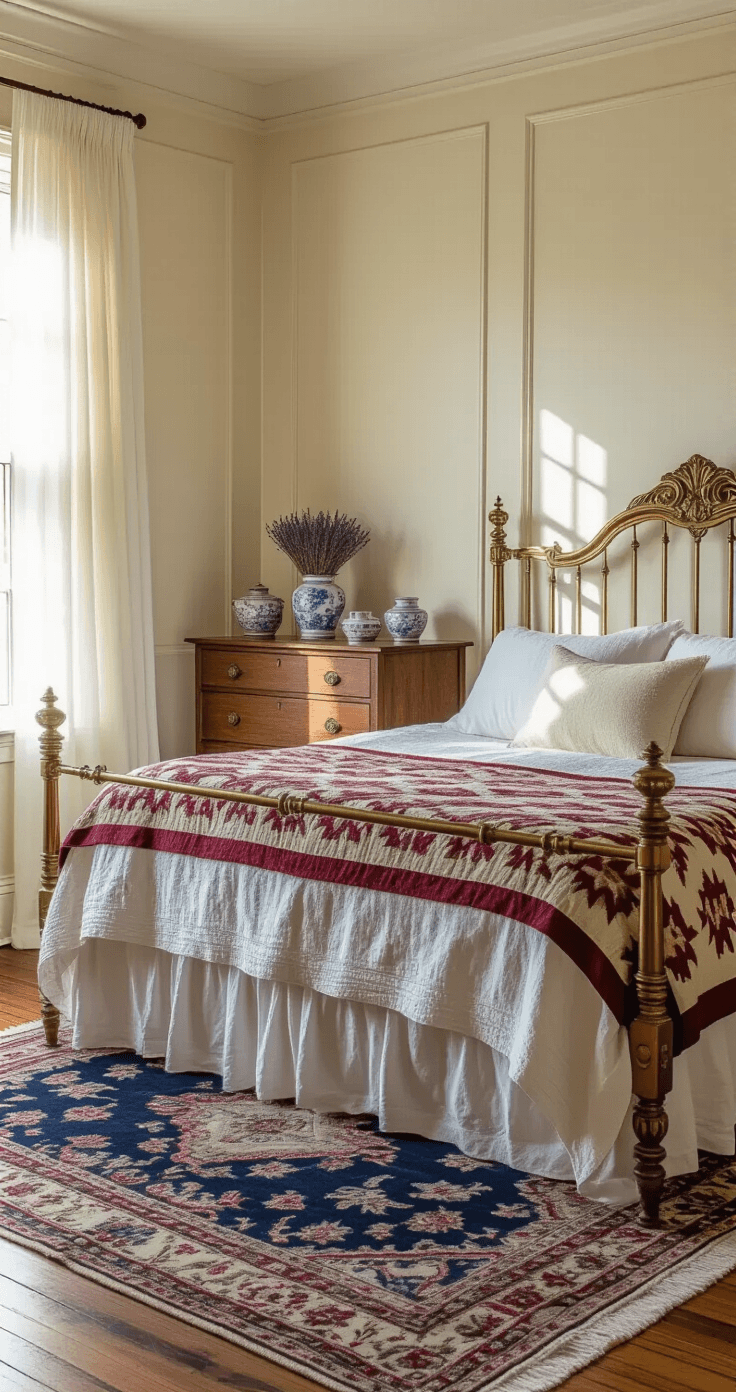
Start With Furniture That Has Actually Lived a Life
Forget those particleboard nightstands that wobble if you sneeze near them.
Vintage furniture like antique dressers, nightstands, and classic bed frames combine character with functionality in ways modern furniture simply can’t match.
I found my dresser at an estate sale for $75. It had water rings on top and one drawer stuck. Three hours with sandpaper and furniture restoration wax later, and it became the centerpiece of my entire room.
Here’s what to hunt for:
- Wooden bed frames with interesting headboards (carved details, brass accents, anything that isn’t just flat wood)
- Dressers with original hardware (those glass knobs and brass pulls add instant character)
- Nightstands with drawers that actually close smoothly (test them before buying)
- Vintage vanity arrangements with original mirrors (trust me on this one)
The magic happens when you mix these pieces with modern elements. My antique dresser sits next to a sleek modern lamp, and somehow they make each other look better.
Wooden furniture is your best friend here because it plays well with literally everything. Pair a vintage wooden nightstand with contemporary picture frames and watch the room come alive.
Pro tip from my mistakes: Measure your doorways before falling in love with a massive armoire at an antique shop. I learned this the hard way when three friends and I spent an hour trying to angle a wardrobe through my bedroom door only to give up and donate it to my neighbor.
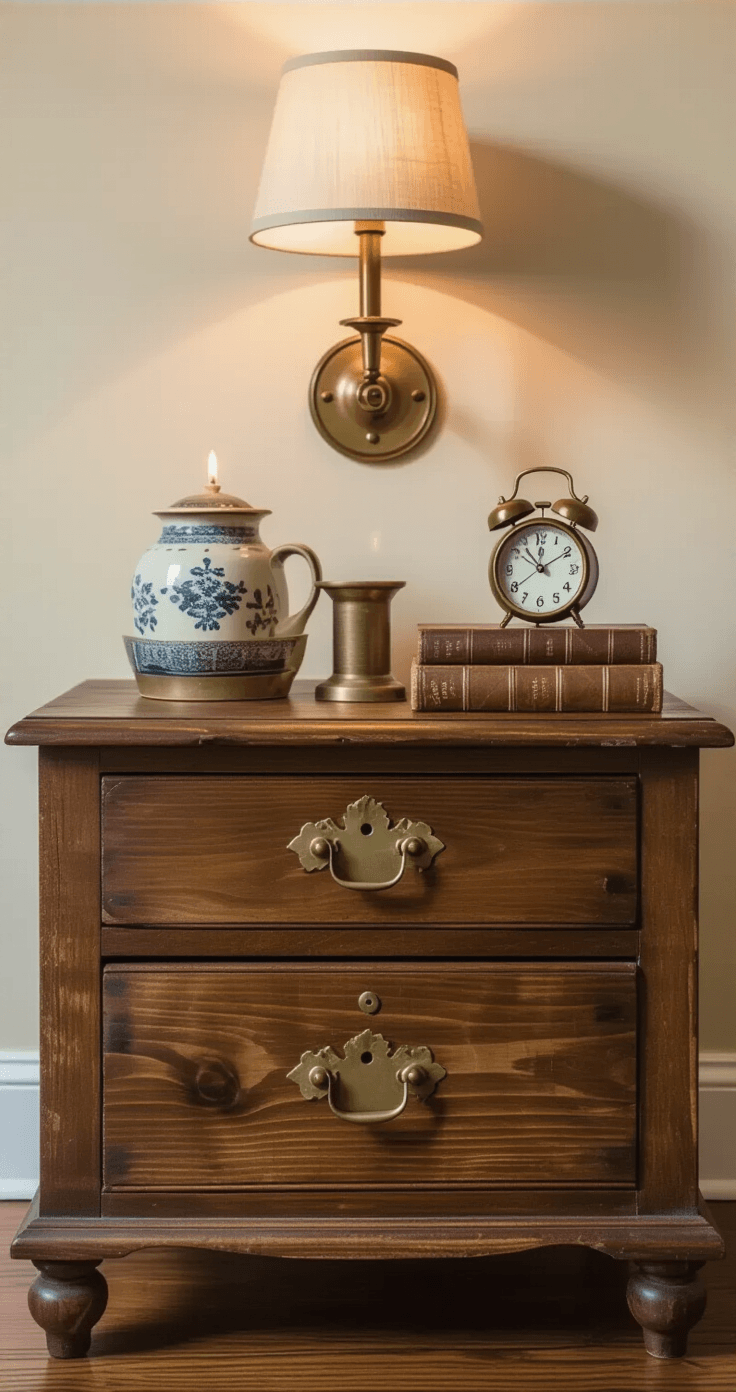
Colors That Won’t Make Your Eyes Scream
Here’s where most people completely bomb their vintage bedroom.
They either go full sepia-tone depression or they throw every pastel at the wall like a unicorn exploded.
Start with a foundation of muted and earthy tones:
- Pale neutrals: white, eggshell, ivory, cream, sand, beige, tan
- These create breathing room for everything else
I painted my walls a soft cream color that changes throughout the day. Morning light makes it look almost white. Evening light gives it this warm, buttery glow.
Then layer in deeper earthy tones for actual personality:
- Rich burgundy (in throw pillows or a reading chair)
- Rust and terracotta (perfect for pottery or picture frames)
- Forest green (beautiful in velvet curtains or quilts)
- Navy blue (grounding without being harsh)
My bedroom has cream walls, a navy vintage-style area rug, and rust-colored accents in my throw pillows. It feels collected, not decorated.
Finally, add pastel accents sparingly:
- Dusty rose
- Duck egg blue
- Sage green
- Lavender
These work beautifully with whites and creams but use them like seasoning, not the main ingredient.
I added dusty rose through a single throw blanket and some dried flowers in a vase. That’s it. Any more would’ve tipped into baby nursery territory.
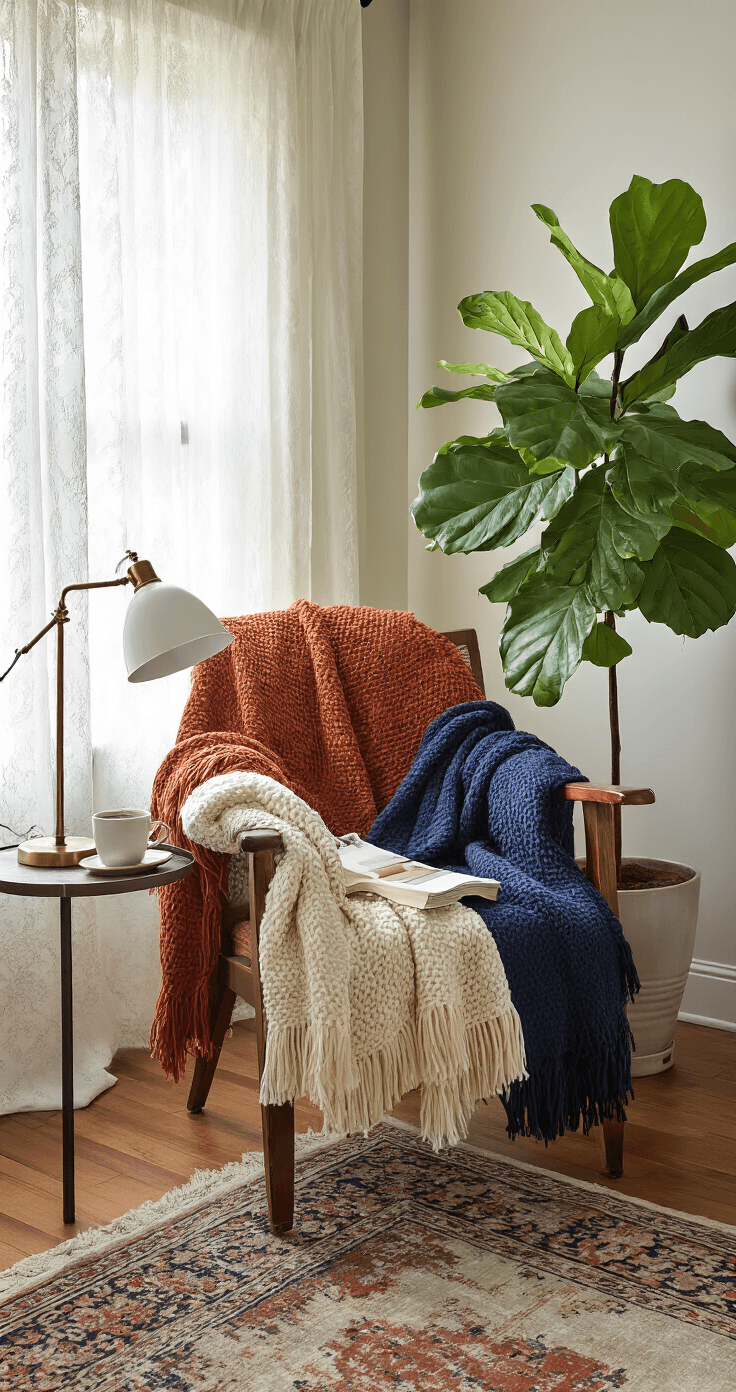
Textiles Are Where the Magic Actually Happens
This is non-negotiable.
You cannot create a vintage bedroom with modern textiles. It’s like trying to make a gourmet meal with gas station ingredients—technically possible but why would you do that to yourself?
Layer textiles like you’re building a nest:
Start with heirloom quilts in graphic patterns and colorful designs. These lend nostalgia and visual impact without requiring you to actually own something from your great-grandmother (though if you do, even better).
I found my favorite quilt at a flea market for $30. It has this geometric pattern in burgundy, cream, and navy that ties my entire color scheme together.
Mix fabric textures deliberately:
- Cotton sheets (crisp and breathable)
- Linen duvet covers (that perfectly imperfect wrinkled look)
- Wool throw blankets (for actual warmth)
- Vintage lace doilies (on nightstands or draped over furniture)
Throw vintage-style quilts over the foot of your bed. Drape a wool blanket over your reading chair. Stack different textures until it looks abundant without looking cluttered.
I have three throw blankets in my bedroom and I actually use all of them. This isn’t just decoration—it’s functional coziness.
The secret: Use solid-colored bedding in white, navy, or gray as your foundation. This calms down an eclectic color scheme and keeps vintage from becoming visual chaos.
My sheets are plain white. My duvet is soft gray linen. Everything else—the quilts, the pillows, the throws—can be patterned and colorful because the foundation stays neutral.
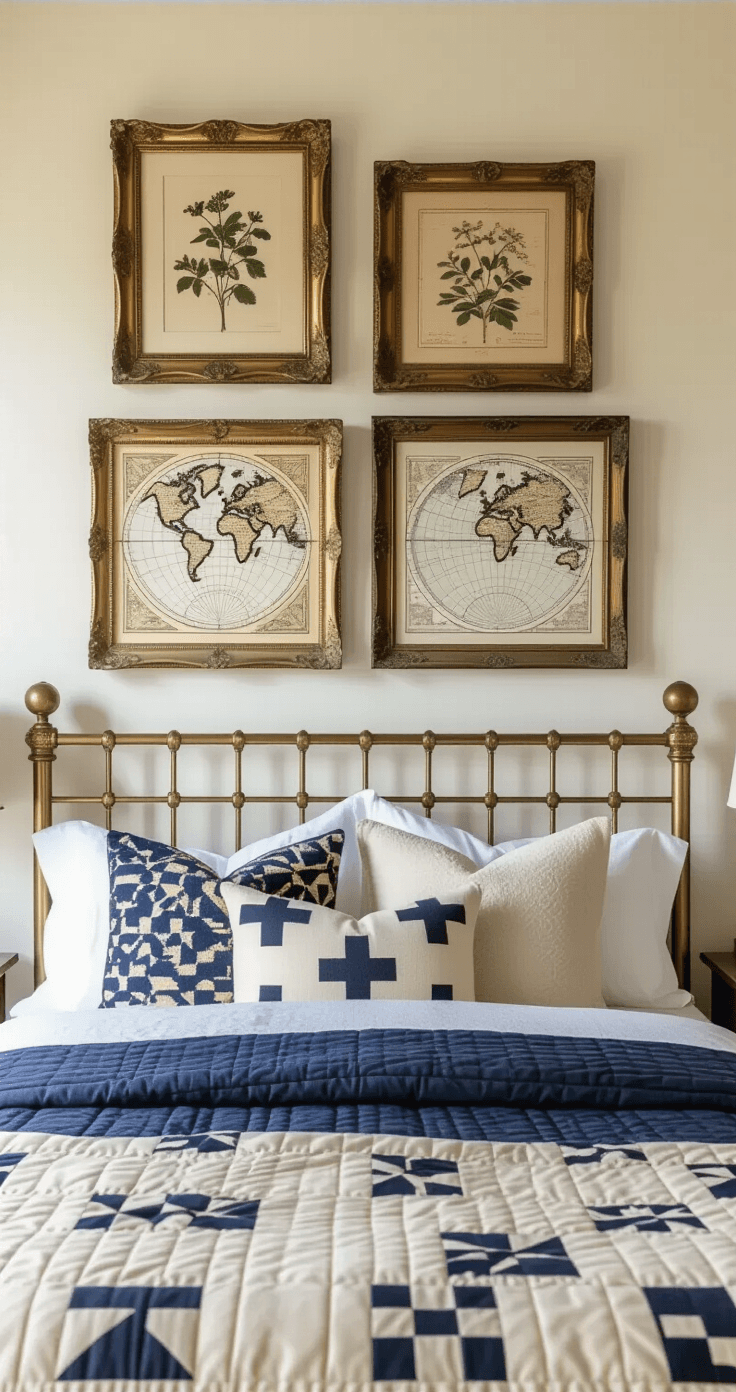
Accessories That Tell Stories (Not Just Fill Space)
Here’s where vintage bedroom decor either comes together beautifully or falls apart completely.
Floral patterns are fundamental but don’t go full grandma’s wallpaper.
Use them strategically:


