

Why Your Kitchen Window Choice Matters More Than You Think
Contents
Before we dive into specific styles, let me be straight with you. The wrong kitchen window makes cooking feel like working in a cave. The right one? It turns meal prep into something you actually look forward to.
I learned this the hard way when I moved into my current place. The tiny, poorly placed window meant I was chopping vegetables in my own shadow every single evening. No amount of overhead lighting fixed that problem.
Window Styles That Actually Work in Real Kitchens
Sliding Windows: The Space-Saver’s Best Friend
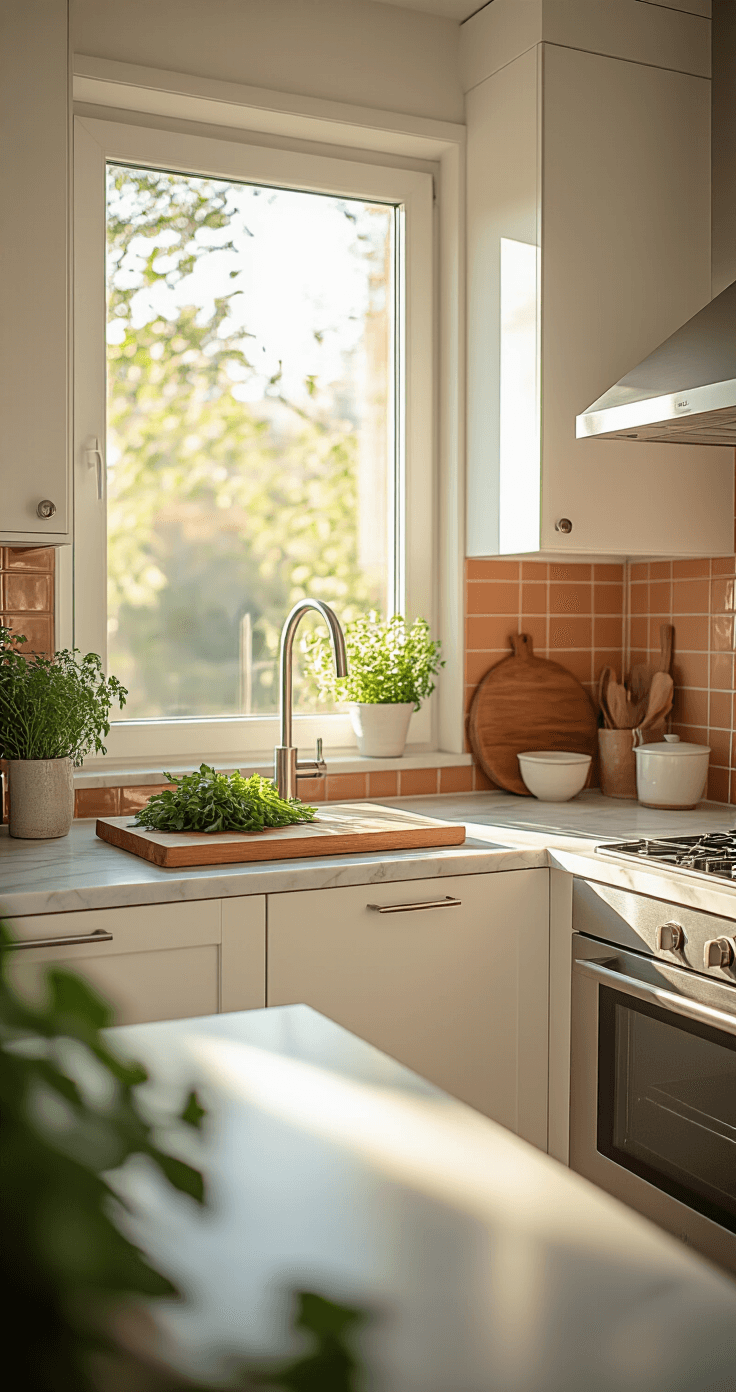
Sliding windows changed my entire counter situation. You know that annoying moment when you try to open a window and it knocks over your dish soap, sponges, and that potted basil you’re desperately trying to keep alive?
Yeah, sliding windows eliminate that drama completely.
They work by gliding horizontally along a track, which means they never intrude into your workspace. Perfect for compact kitchens where every inch of counter space counts.
I installed sliding kitchen windows above my sink, and suddenly I could actually open the window while dishes were drying. Revolutionary? No. But deeply satisfying? Absolutely.
Benefits of sliding windows:
- Never block your counter space when open
- Easy to operate with one hand (crucial when you’re covered in flour)
- Great for positioning above sinks and prep areas
- Modern, clean aesthetic that suits most kitchen styles
Casement Windows: Maximum Airflow When You Need It
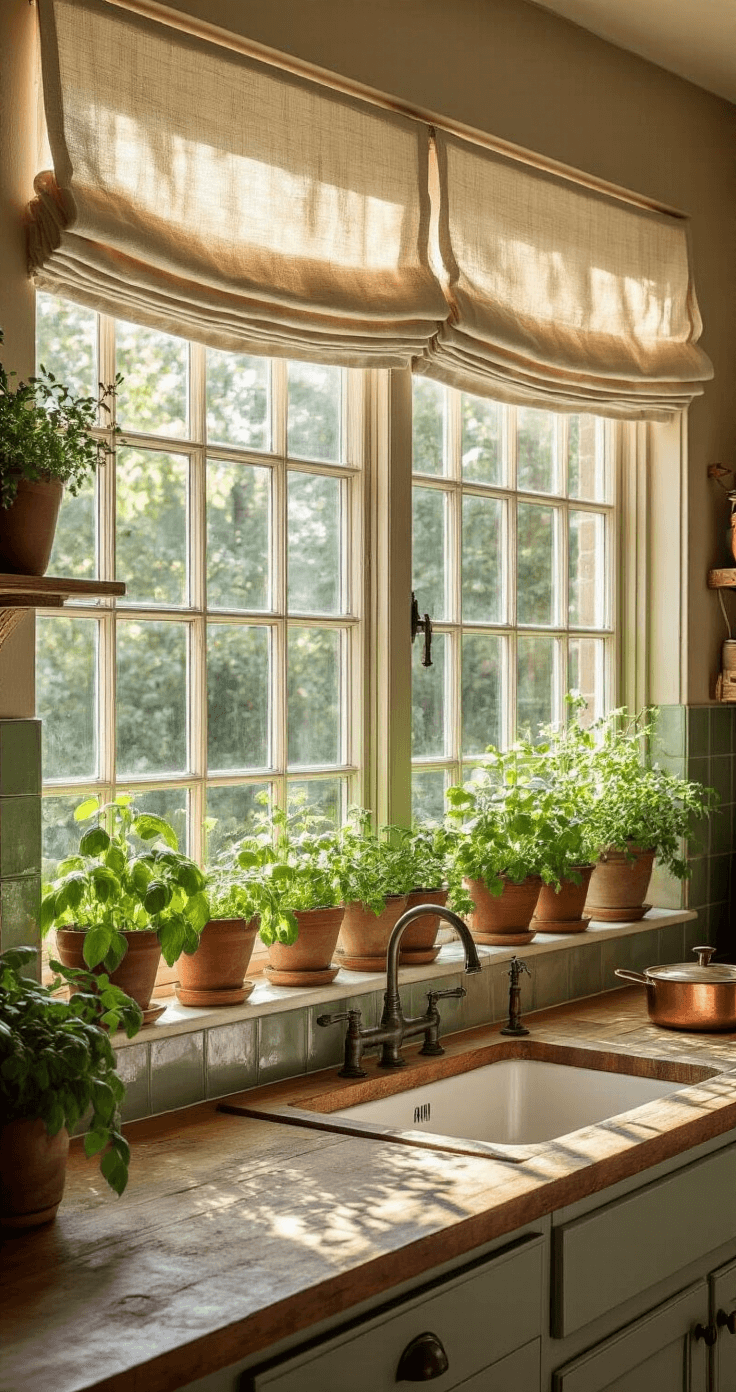
Casement windows are the overachievers of the window world. They’re hinged on one side and swing outward, creating a wide opening that pulls fresh air directly into your kitchen.
This matters tremendously when you’re cooking anything with strong odors. Last week I made fish curry, and being able to crank open my casement window saved me from living in a seafood restaurant for three days.
These work beautifully when you’re replacing upper cabinets with windows—something I actually recommend if you have decent storage elsewhere. The vertical orientation fits perfectly where a cabinet door used to be.
Why casement windows rock:
- Creates a funnel effect that maximizes ventilation
- Opens completely for unobstructed views
- Seals extremely tight when closed (goodbye, drafts)
- Can catch breezes and direct them inside
Double-Hung Windows: The Ventilation Genius
Double-hung windows have two sashes that slide vertically, and both can open. This sounds boring until you realize the strategic advantage.
You can open the top sash to let hot air escape (heat rises, remember?) while opening the bottom sash pulls cooler air in. This creates actual air circulation instead of just… moving stale air around.
If you do any Indian cooking, deep frying, or anything that generates serious heat and steam, double-hung kitchen windows are your answer.
I installed these above my stove area, and the difference in air quality is honestly remarkable. No more setting off the smoke detector when I char vegetables.
Double-hung advantages:
- Ventilate from top, bottom, or both simultaneously
- Easy to clean (many tilt inward)
- Traditional look that increases home value
- Safer for homes with kids (open top instead of bottom)
Bay and Garden Windows: Function Meets Fresh Herbs
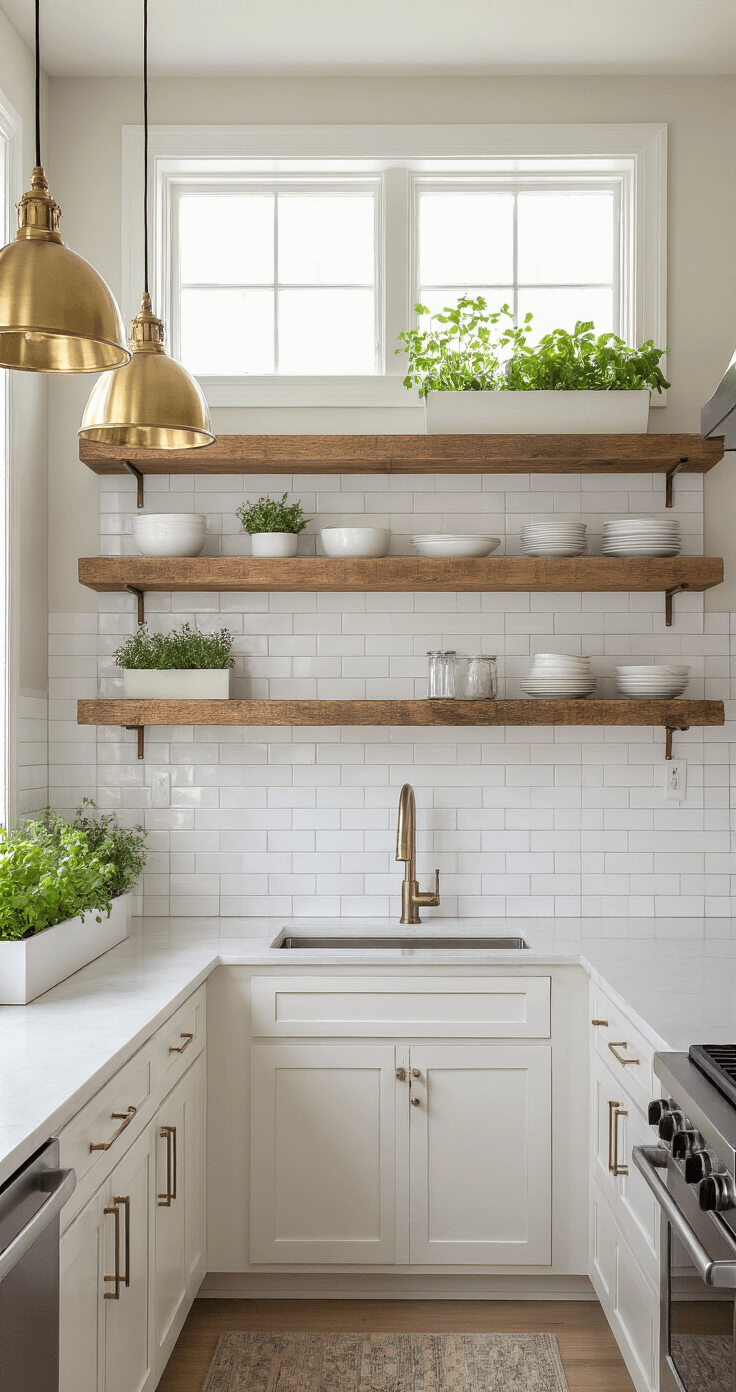
Garden windows are essentially miniature greenhouses that jut out from your wall. They have glass on three sides, a glass top, and built-in shelves.
I was skeptical until I actually used one. Now I grow basil, cilantro, and mint literally while I’m cooking, and it’s changed my entire approach to seasoning.
The herbs get perfect sunlight from multiple angles, and I’m not constantly running to the grocery store for fresh cilantro that goes bad in three days.
Perfect for:
- Growing cooking herbs year-round
- Displaying plants without using counter space
- Creating a focal point in your kitchen
- Adding architectural interest from both inside and outside
Reality check: Bay windows are larger and extend your room outward, while garden windows are smaller and designed specifically for plants. Both add value, but garden windows are more practical for most kitchens.
Check out garden window shelves if you want to maximize your herb-growing setup.
Picture Windows: When the View Deserves Center Stage
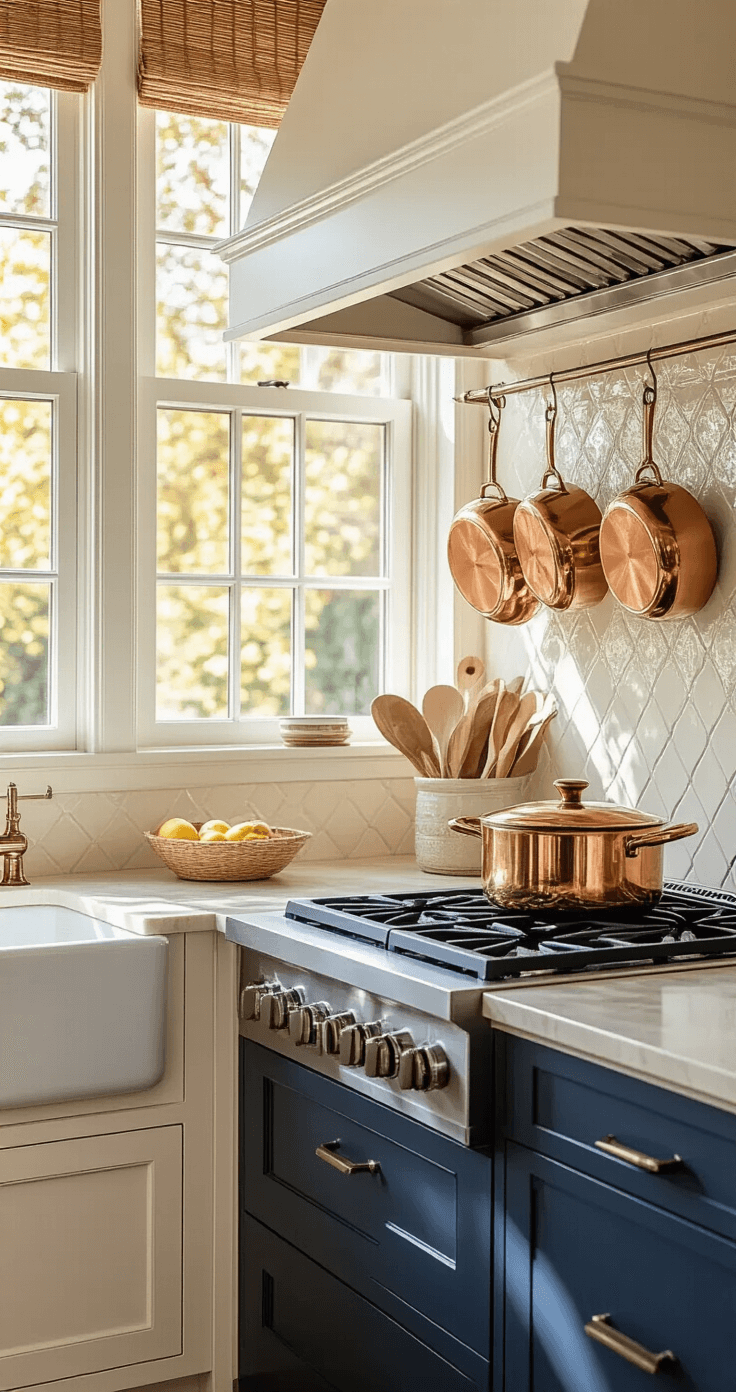
Picture windows don’t open. They’re fixed panes of glass designed to do one thing: frame your view like artwork.
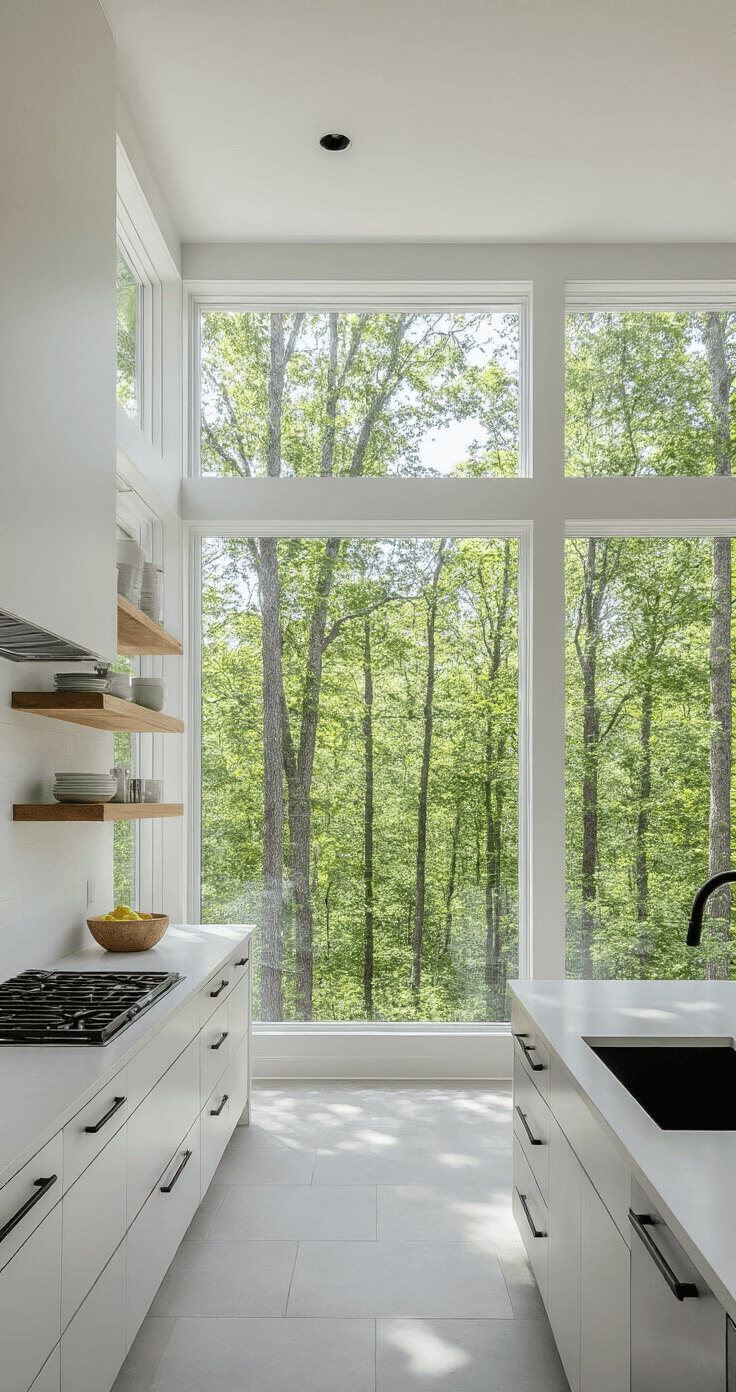
If you have an incredible backyard, garden, or any view worth looking at while you cook, picture windows are non-negotiable. They maximize glass area by eliminating the hardware needed for opening mechanisms.
I visited a friend’s kitchen that overlooks a wooded ravine, and her massive picture window makes washing dishes feel like a meditation retreat instead of a chore.
Best uses:
- Kitchens with stunning views
- Modern or minimalist kitchen designs
- Spaces where you have ventilation from other windows
- Creating a connection with outdoor living areas
Combine them: Install a picture window for views with operable windows on either side for ventilation—best of both worlds.
This post may contain affiliate links. Please see my disclosure policy for details.


