

Modern Kitchen Design Ideas That Actually Make Sense in 2026
Contents
- Modern Kitchen Design Ideas That Actually Make Sense in 2026
- Why Your Kitchen Should Stop Trying So Hard
- The Materials That Actually Age Well
- Colors That Won’t Make You Cringe in Two Years
- Curves Are Where Kitchens Get Interesting
- Storage That Doesn’t Require a Degree to Use
- The Sink Situation Nobody’s Talking About
Modern kitchen design in 2026 isn’t about showing off anymore—it’s about creating a space that feels like home while actually working for how you live. I’m done with those cold, sterile kitchens that look like operating rooms. You know the ones I mean. The spaces where you’re afraid to touch anything because it might show a fingerprint or feel too precious to actually cook in. That era is over, and honestly, good riddance.

Why Your Kitchen Should Stop Trying So Hard
Walk into most homes today and the kitchen has become the heart of everything—not just where you cook, but where you work, talk, help with homework, and drink your third coffee while pretending you have your life together. So why should it look like a laboratory?
The biggest shift I’ve noticed is that modern kitchens in 2026 prioritize natural materials, curved forms, and layered textures instead of that clinical, everything-must-match approach we’ve been force-fed for years. They’re designed to blend into your life, not dominate it.
The Materials That Actually Age Well
Let me be clear about something: painted cabinets chip, scratch, and date faster than you can say “trending on Pinterest.” Real wood is back, and I couldn’t be happier about it. Natural oak and whitewashed ash are leading the charge because they have character that actually improves over time.
Here’s what’s working right now:
- Matte finishes on stone worktops that don’t show every water spot
- Brushed metal hardware instead of that shiny brass that screams 2015
- Natural wood cutting boards that complement the organic aesthetic
- Stone surfaces that keep going—up walls, across counters, creating unbroken visual flow
I replaced my own kitchen counters last year with a full stone slab, and the difference is night and day. No grout lines collecting mystery gunk. No seams breaking up the visual line. Just one gorgeous piece of material doing its job beautifully.
Colors That Won’t Make You Cringe in Two Years
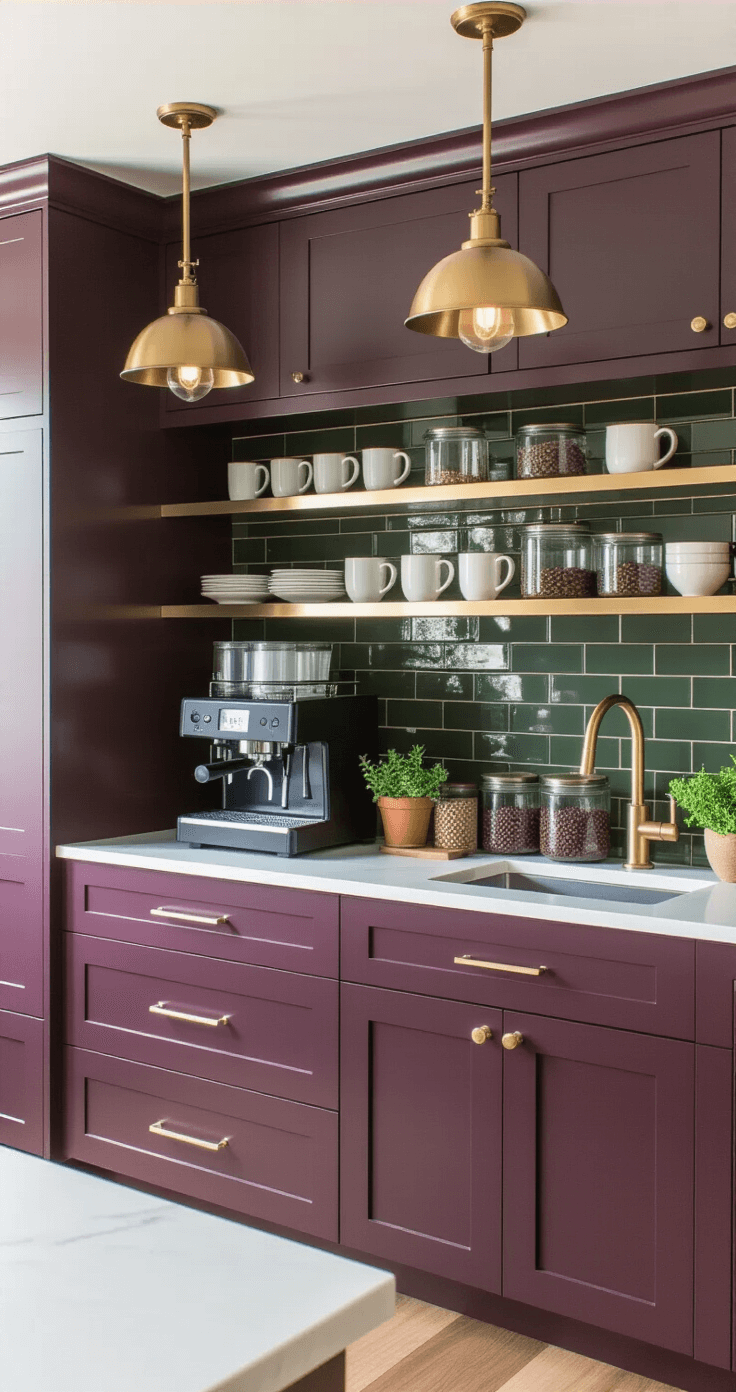
The all-white kitchen trend needs to retire. I said it. White kitchens are lovely until you actually use them, then they show every fingerprint, spill, and sign of life. Rich, moody tones are taking over, and they make spaces feel intentional rather than afraid.
Think:
- Aubergine (it’s purple, but sophisticated purple)
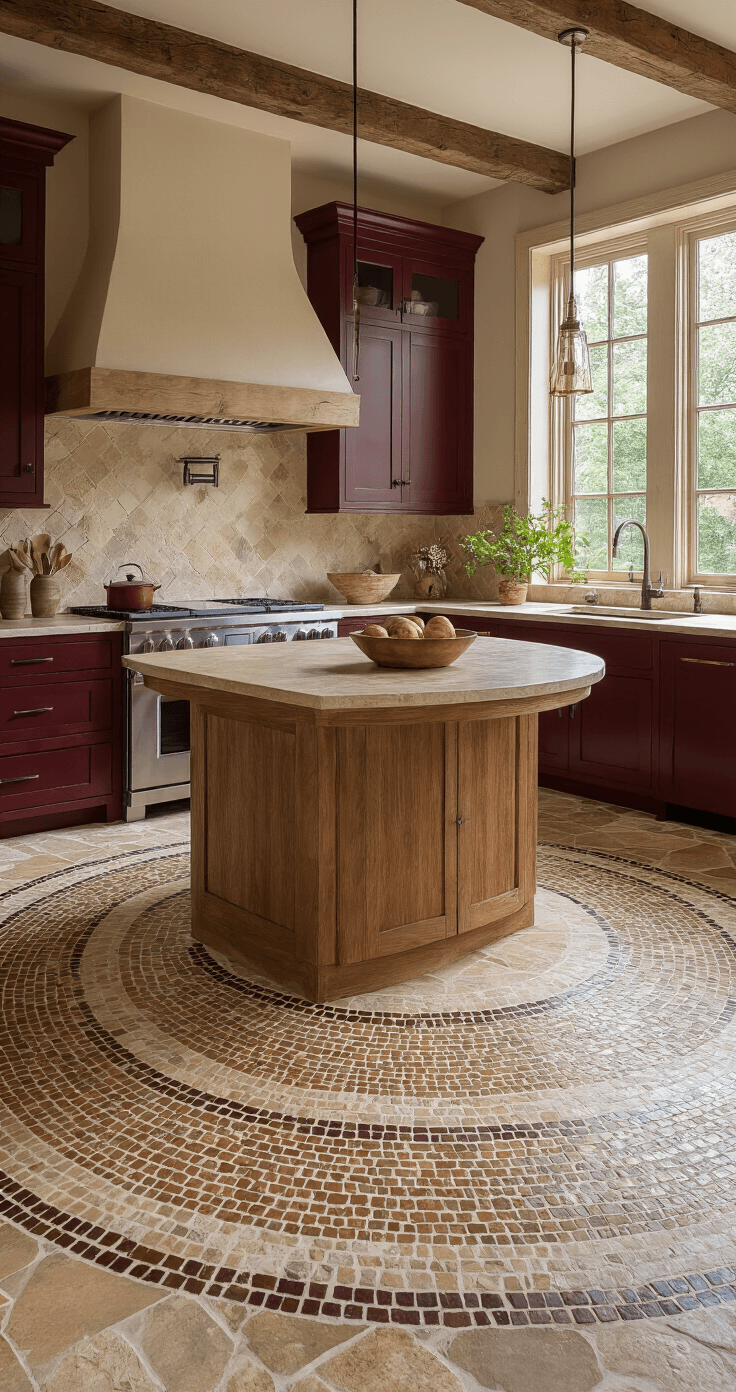
- Burgundy that adds warmth without going full Christmas
- Deep forest green that grounds a space
- Warm neutrals layered together for that expensive-looking cohesion
I’m personally obsessed with tone-on-tone layering right now. It’s where you pick a color family—say, warm taupes and creams—and use different shades throughout the space. Cabinets in one tone, walls in another, counters in a third. It creates depth without chaos. Pair these colors with modern kitchen textiles in complementary shades to tie everything together.
Curves Are Where Kitchens Get Interesting
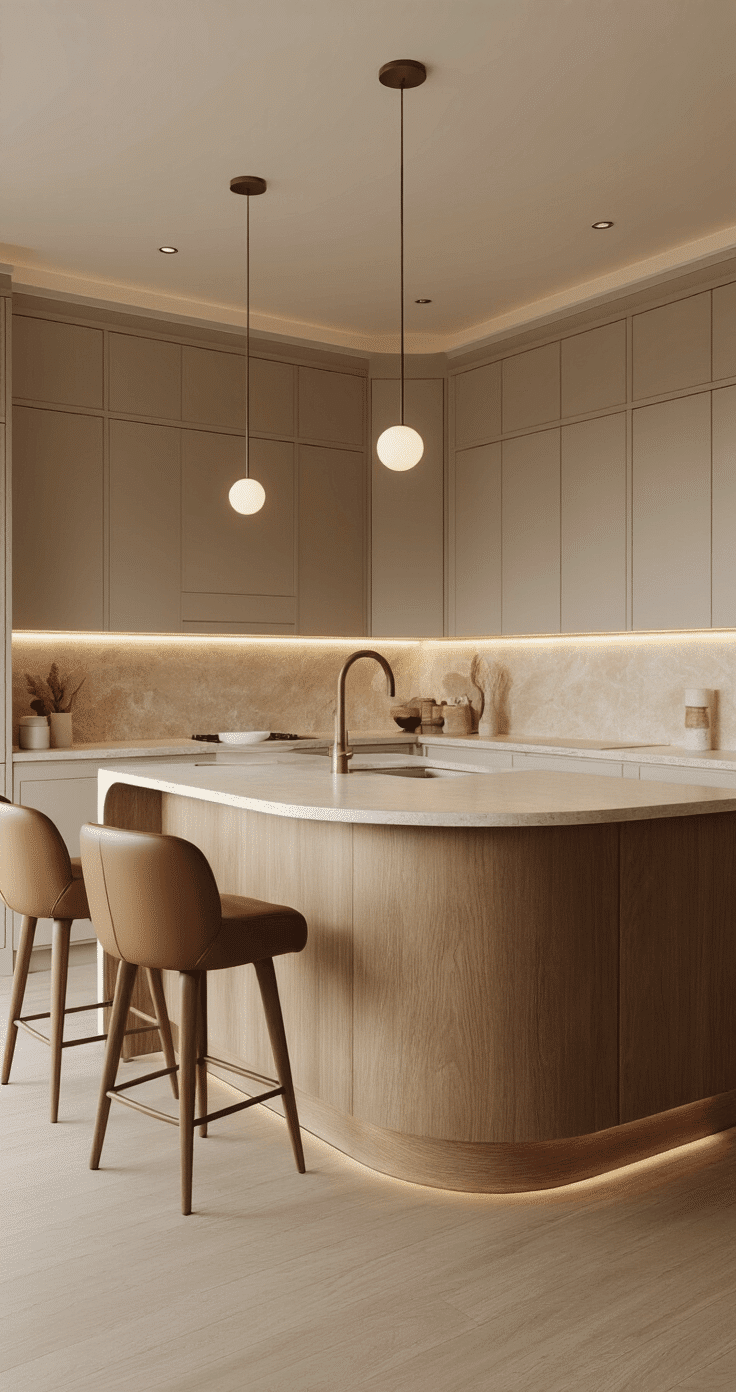
Sharp corners everywhere made kitchens feel aggressive. I’m not being dramatic—walk into a space with nothing but 90-degree angles and tell me it doesn’t feel slightly hostile. Curved islands, round-edged countertops, and fluid cabinetry details are softening modern kitchens into spaces that actually invite you in.
My friend Sarah just installed a curved kitchen island in her renovation, and everyone who walks in immediately gravitates toward it. It’s not just pretty—it’s more functional because you can move around it naturally without doing that awkward corner shuffle.
Islands are becoming furniture-like sculptural pieces with mixed materials. Wood base, stone top, maybe some open shelving on one side. They’re conversation starters, not just prep spaces.
Storage That Doesn’t Require a Degree to Use
Here’s what nobody tells you about “smart” kitchens: most smart features are stupid. Overly complicated, fail-prone, and solving problems you didn’t have. That said, some technology is genuinely useful when it stays invisible.
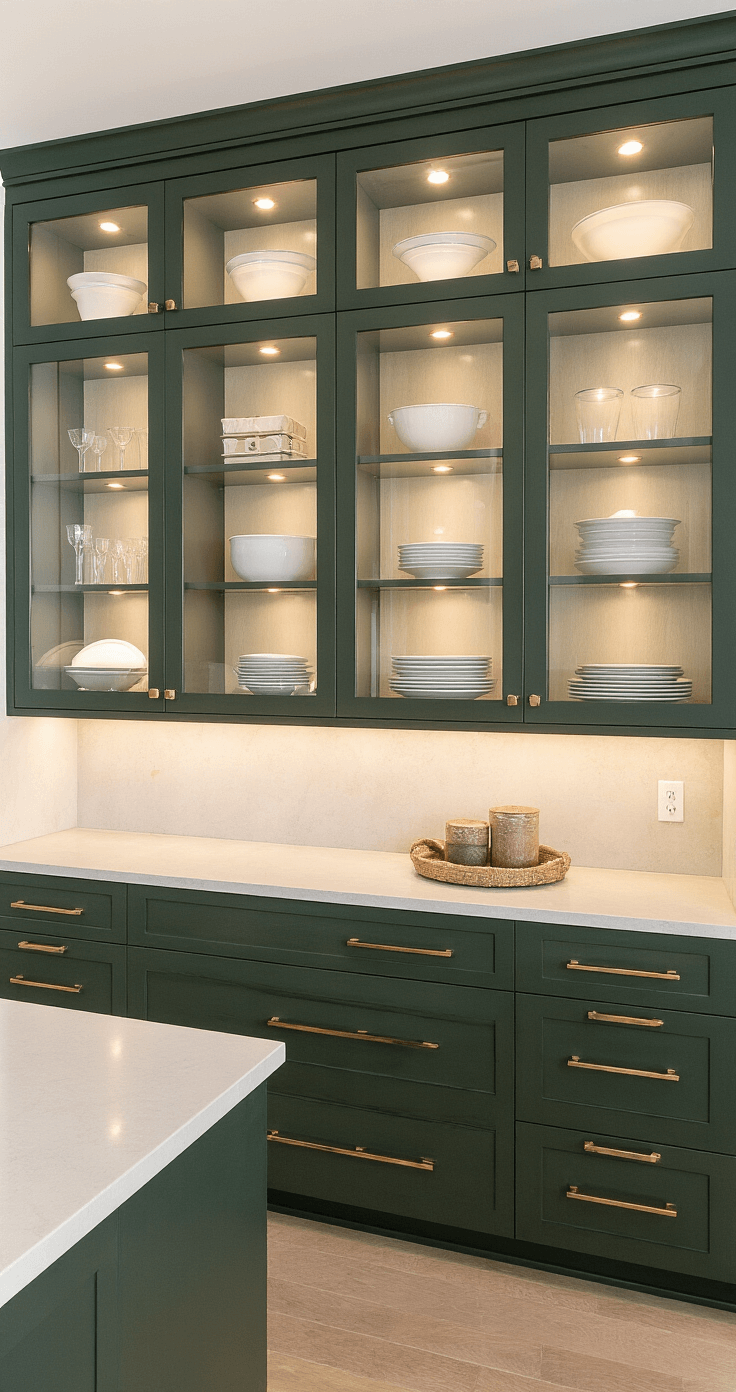
Custom storage solutions beat generic cabinets every single time because they’re designed around your actual stuff. Not someone’s idea of what you should own.
What’s actually working:
- Hidden pantries that keep visual clutter down
- Integrated zones for coffee, baking, or meal prep
- Touch-to-open cabinets (no handles means easier cleaning and sleeker lines)
- Voice-controlled lighting that adjusts for cooking versus entertaining
- Drawer organizers that keep everything accessible
I finally installed proper drawer dividers last month after years of the utensil-avalanche experience every time I opened a drawer. Revolutionary? No. But it makes me marginally less cranky when unloading the dishwasher, which counts as a win.
Modular layouts let you reconfigure spaces as your needs change. That’s huge if you’re not planning to renovate every five years like some design magazine suggests you should.
The Sink Situation Nobody’s Talking About
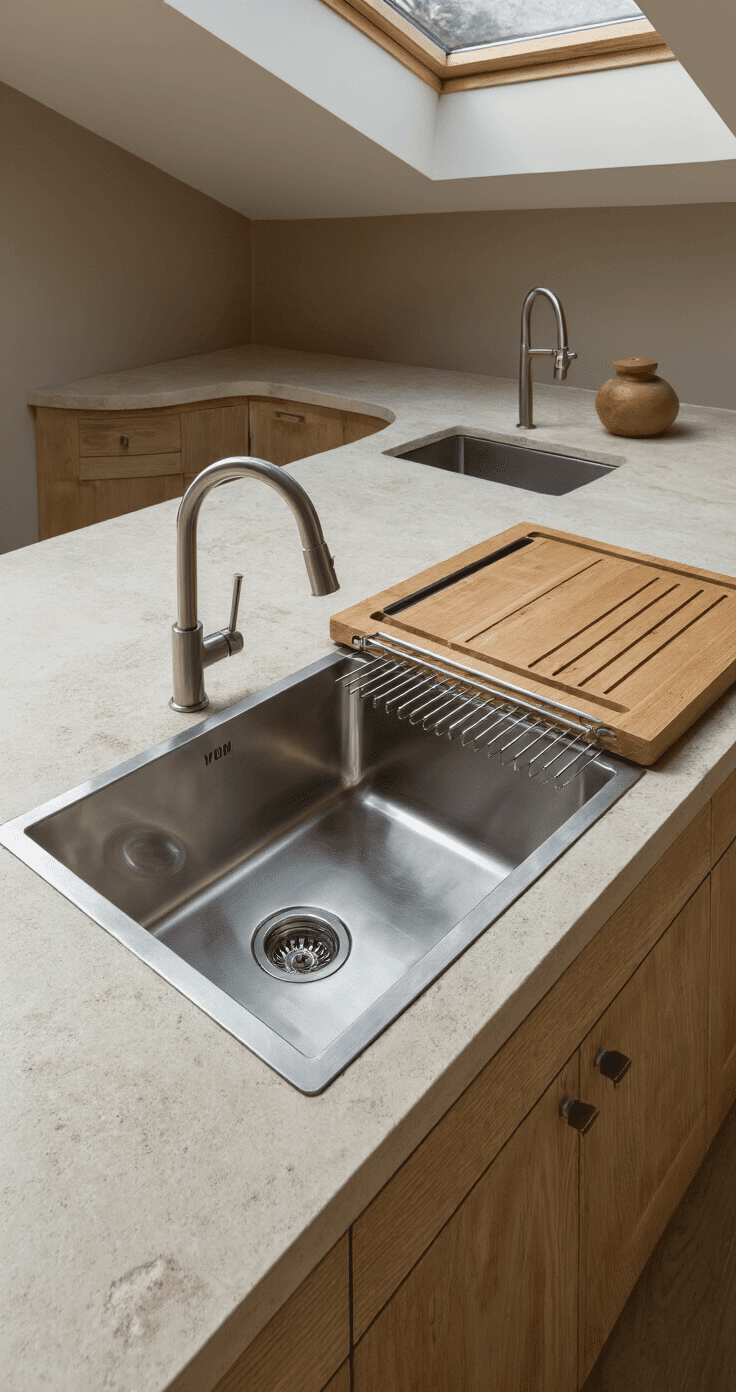
Sinks have gotten serious, and I’m here for it. Large, deep workstation sinks with integrated prep areas are replacing those sad single-basin situations where you can’t fit a pot. These come with fitted accessories:
- Cutting boards that sit perfectly over the basin
- Drying racks that slide into grooves
- Colanders that nest inside
<
This post may contain affiliate links. Please see my disclosure policy for details.


