
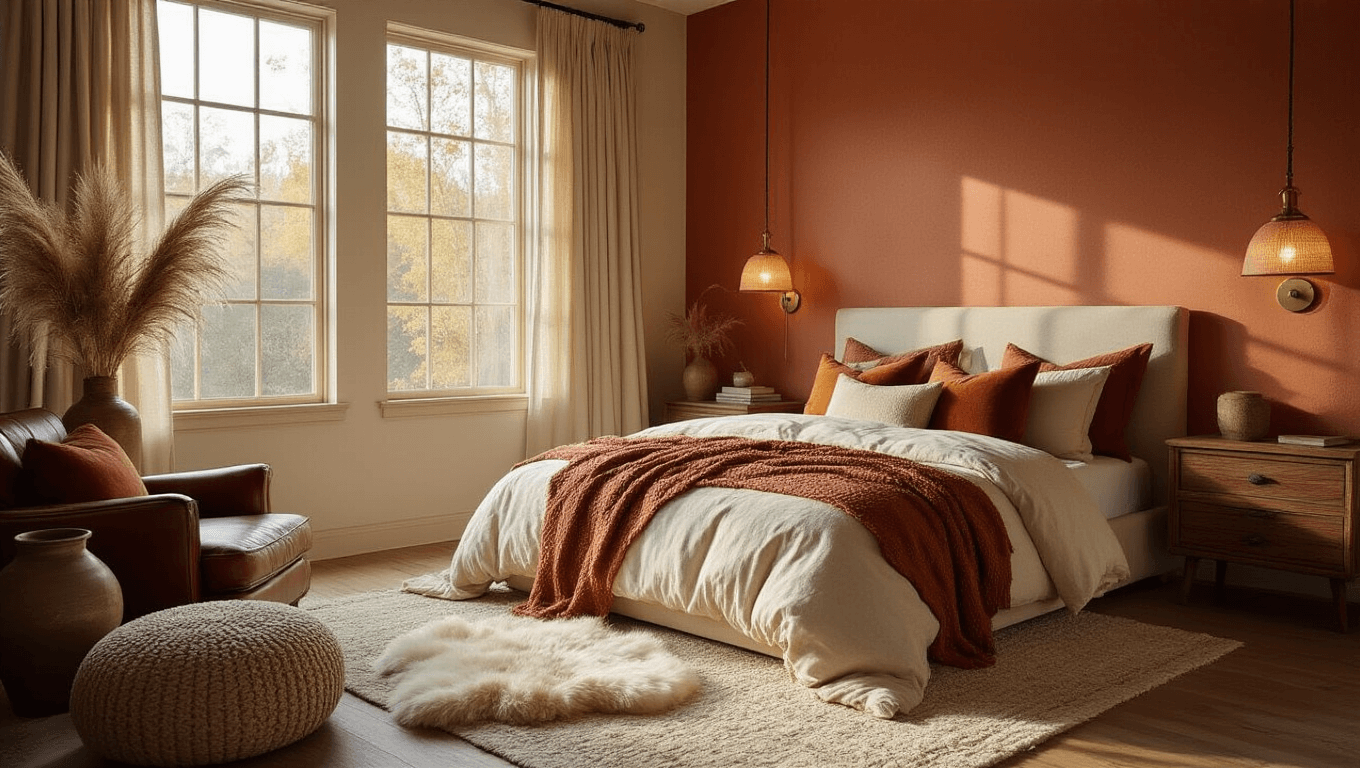
How to Create the Ultimate Cozy Bedroom: My Complete Guide to Sanctuary Styling
Contents
- How to Create the Ultimate Cozy Bedroom: My Complete Guide to Sanctuary Styling
- Why Your Bedroom Probably Doesn’t Feel Cozy Yet
- The Foundation: Understanding What “Cozy” Actually Means
- Lighting: Your Secret Weapon for Instant Coziness
- Layer One: Ambient Lighting
- Layer Two: Task Lighting
- Layer Three: Accent Lighting
- Texture Layering: The Difference Between Flat and Fabulous
- On the Bed
- On the Floor
- On the Windows
- Color Psychology for Maximum Comfort
- Warm Neutrals
- Earthy Tones
- Jewel Tones
Cozy bedroom ideas transform ordinary sleeping spaces into personal retreats that wrap you in comfort the moment you walk through the door.
I’ve spent years perfecting bedroom sanctuaries, and I’m telling you right now—there’s nothing quite like ending a brutal day by sinking into a space that actually feels like a warm hug.

Why Your Bedroom Probably Doesn’t Feel Cozy Yet
Most bedrooms feel cold and uninviting because they’re missing three critical elements: proper lighting layers, tactical texture placement, and intentional warmth.
You walk in after a long day and flip on that harsh overhead light. The walls feel bare. Your bed looks flat and uninspiring. The whole room screams “hotel” instead of “home.”
I’m going to fix that for you.
The Foundation: Understanding What “Cozy” Actually Means
Cozy isn’t just throwing a blanket on your bed and calling it done.
It’s a calculated combination of:
- Soft textures that beg to be touched
- Warm lighting that never assaults your eyes
- Layered comfort that creates visual and physical depth
- Natural materials that ground the space
- Personal touches that make it unmistakably yours
The best cozy bedrooms work year-round, not just in winter. They adapt to your mood. They make you want to stay in bed on Sunday mornings.

Lighting: Your Secret Weapon for Instant Coziness
Listen carefully—lighting will make or break your cozy bedroom faster than anything else.
That single overhead light? Get rid of it as your primary source immediately.
Here’s what you actually need:
Layer One: Ambient Lighting
Install dimmers on your ceiling fixtures or add soft wall sconces that provide general illumination without the interrogation-room vibe.
Aim for bulbs between 2700K and 3000K. This warm color temperature mimics sunset and tells your brain it’s time to unwind.
Layer Two: Task Lighting
Place bedside table lamps on each nightstand with fabric shades that diffuse light beautifully.
I prefer swing-arm wall sconces because they free up nightstand space while giving you adjustable reading light exactly where you need it.
No more awkward reaching. No more books in shadow.
Layer Three: Accent Lighting
This is where magic happens.
Add LED strip lights under your bed frame for a floating effect. String fairy lights along your headboard. Place battery-operated candles on shelves.
These create depth and atmosphere without adding functional light. They’re pure mood.
Pro tip: Install everything on separate switches so you control exactly how much light you want at any moment.
Morning? Full brightness. Evening wind-down? Just the accents. Midnight bathroom run? Under-bed LEDs only.

Texture Layering: The Difference Between Flat and Fabulous
I cannot stress this enough—cozy bedrooms live and die by texture variety.
Walk into any professionally styled bedroom that makes you swoon, and I guarantee you’ll find at least five different textures working together.
Here’s my texture formula:
On the Bed
- Crisp cotton sheets (base layer)
- Chunky knit throw blanket draped at the foot
- Velvet or linen decorative pillows
- Faux fur accent pillow for contrast
- Quilted or textured duvet cover
Start with three pillows minimum per person. Add two decorative pillows in complementary textures. Finish with a throw blanket that contrasts your duvet.
On the Floor
Plush area rugs are non-negotiable.
Your feet should never touch cold floor first thing in the morning. Place a thick, soft rug on at least one side of the bed—preferably both sides and the foot.
Sheepskin, high-pile, or wool rugs add instant warmth. The deeper the pile, the cozier the feel.
On the Windows
Heavy curtains in natural fabrics like linen or velvet serve double duty.
They block light for better sleep. They add substantial visual weight that makes the room feel more enclosed and protected.
Choose curtains that puddle slightly on the floor for extra luxury. Install them high and wide to make windows appear larger.
Color Psychology for Maximum Comfort
Colors directly impact how cozy your bedroom feels.
I’ve seen people try to force cozy vibes with cool grays and sterile whites. It never works.
Winning color strategies:
Warm Neutrals
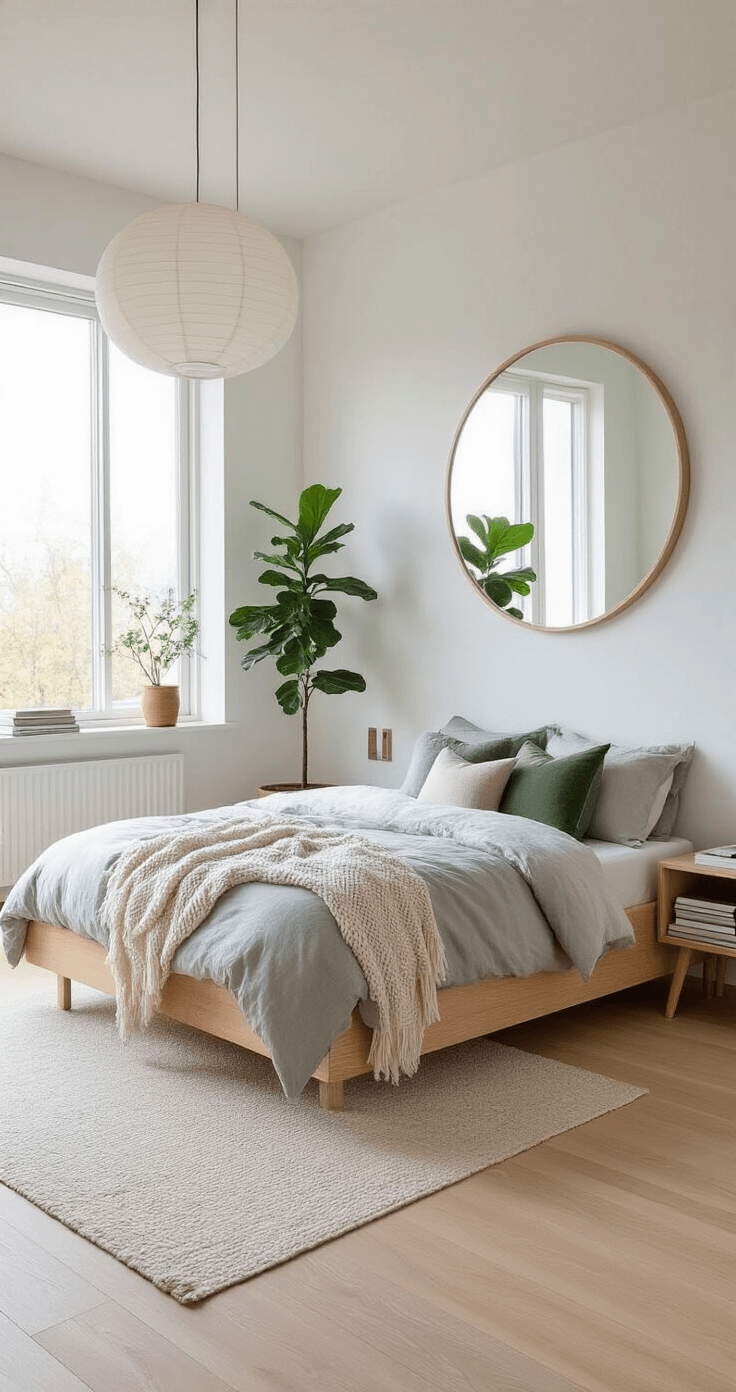
Creams, beiges, soft taupes, and warm grays create a soothing backdrop that works with any style.
These colors reflect light beautifully while maintaining warmth. They don’t compete with your textiles and accessories. They make small rooms feel larger without feeling cold.
Earthy Tones
Rich terracotta, warm browns, clay colors, and muted rust tones bring instant coziness.
These hues feel grounding and natural. They pair beautifully with wood furniture and natural materials.
Jewel Tones
Deep emerald, navy blue, burgundy, and forest green create luxurious, cocoon-like spaces.
If you go dark, balance it with:
- Light-colored bedding
- Metallic accents in brass or gold
- Multiple light sources
- Large mirrors to bounce light around
My personal approach: Paint three walls in warm neutral, save one accent wall for a deeper, richer color behind the bed.
This creates focus without overwhelming the space.

This post may contain affiliate links. Please see my disclosure policy for details.


