

Christmas Wreaths That’ll Make Your Neighbors Stop and Stare
Contents
Christmas wreaths transform your home’s first impression from ordinary to unforgettable.
You walk past houses every December and notice that one door—the one with a wreath so stunning you slow down to admire it.
That could be your door this year.
I’ve spent years experimenting with wreaths, from budget Dollar Tree creations to elaborate botanical masterpieces harvested from my own backyard.
Some flopped spectacularly (picture a lopsided mess held together with hope and too much hot glue).
Others made guests ask for photos before they even knocked.
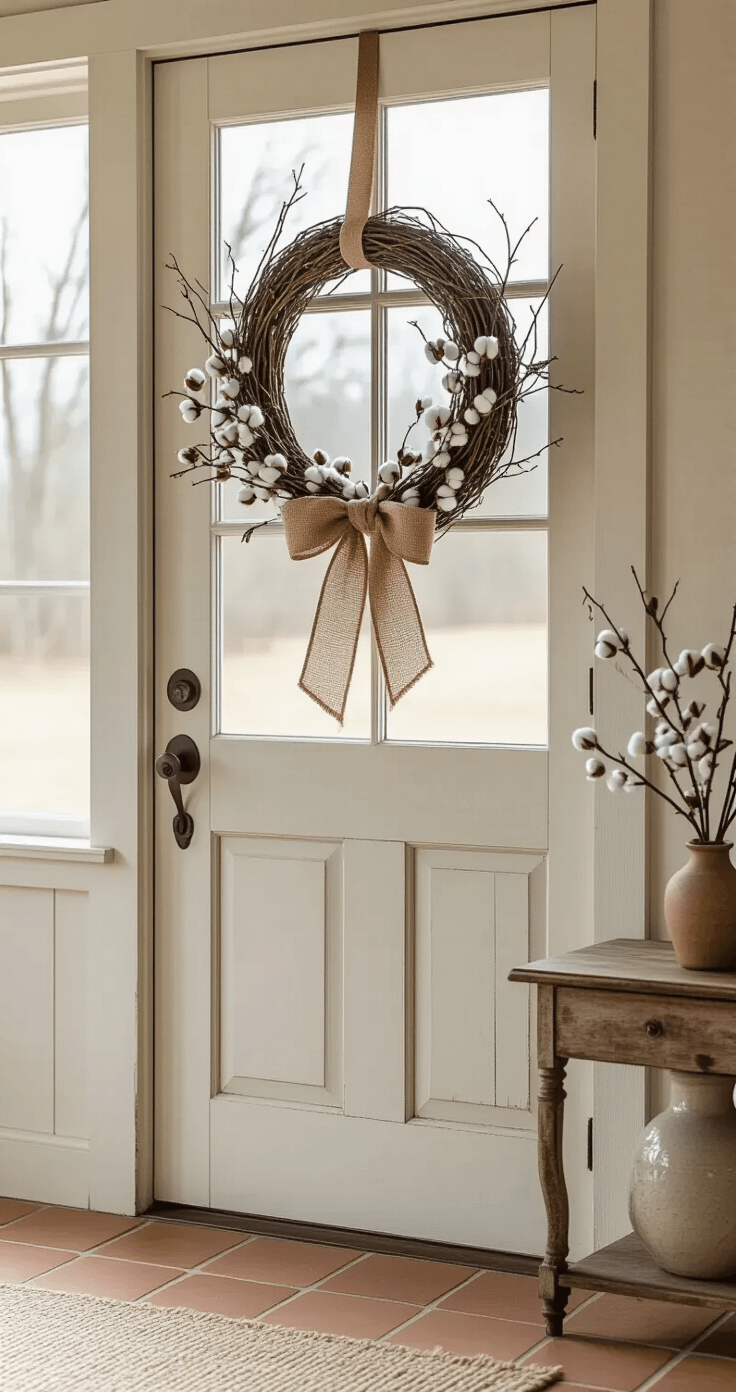
Why Your Current Wreath Probably Isn’t Working
Most store-bought wreaths look exactly like what they are—mass-produced and forgettable.
They hang on every third door in your neighborhood.
The colors fade after one season.
The berries fall off if you look at them wrong.
And honestly? They scream “I bought this at a big box store on my lunch break” rather than “I care about how my home looks.”
You deserve better.
Your front door deserves better.
The Foundation: What Actually Makes a Great Wreath
Start With a Proper Base
Skip the flimsy foam rings that fall apart.
Wire wreath frames give you structure that lasts for years.
Grapevine wreath bases bring rustic charm and hold materials securely.
Natural vine bases work beautifully if you’re going for that organic, garden-fresh aesthetic.
I use the same wire frames year after year—they’re investments, not disposable décor.
The Greenery That Actually Looks Expensive
Forget those scraggly plastic branches.
Real or realistic greenery makes all the difference:
- Noble fir: Stays fresh longest, smells incredible
- Cedar: Adds texture with its feathery branches
- Pine: Classic scent, full appearance
- Juniper: Blue-green tones create visual interest
- Spruce: Dense and lush
Pro move I learned from a florist friend: Mix three different types of greenery.
This creates depth that single-variety wreaths can’t touch.
If you’re buying artificial, invest in quality artificial Christmas greenery with varied needle lengths and realistic coloring.
Cheap fake greenery looks worse than no wreath at all.
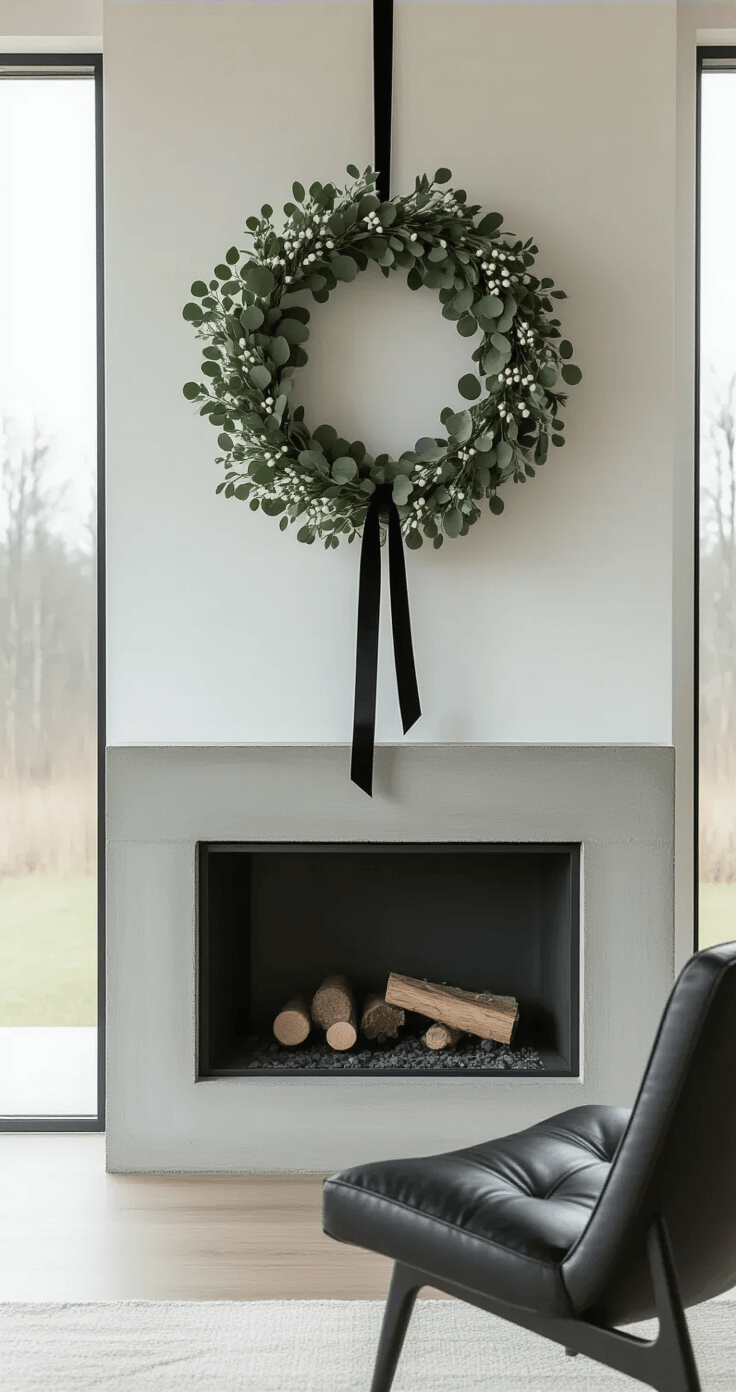
The Details That Make People Stop Scrolling
Berries: Nature’s Jewelry
Red berries are classic for a reason—they pop against evergreen like nothing else.
But don’t stop there.
White snowberries create winter magic.
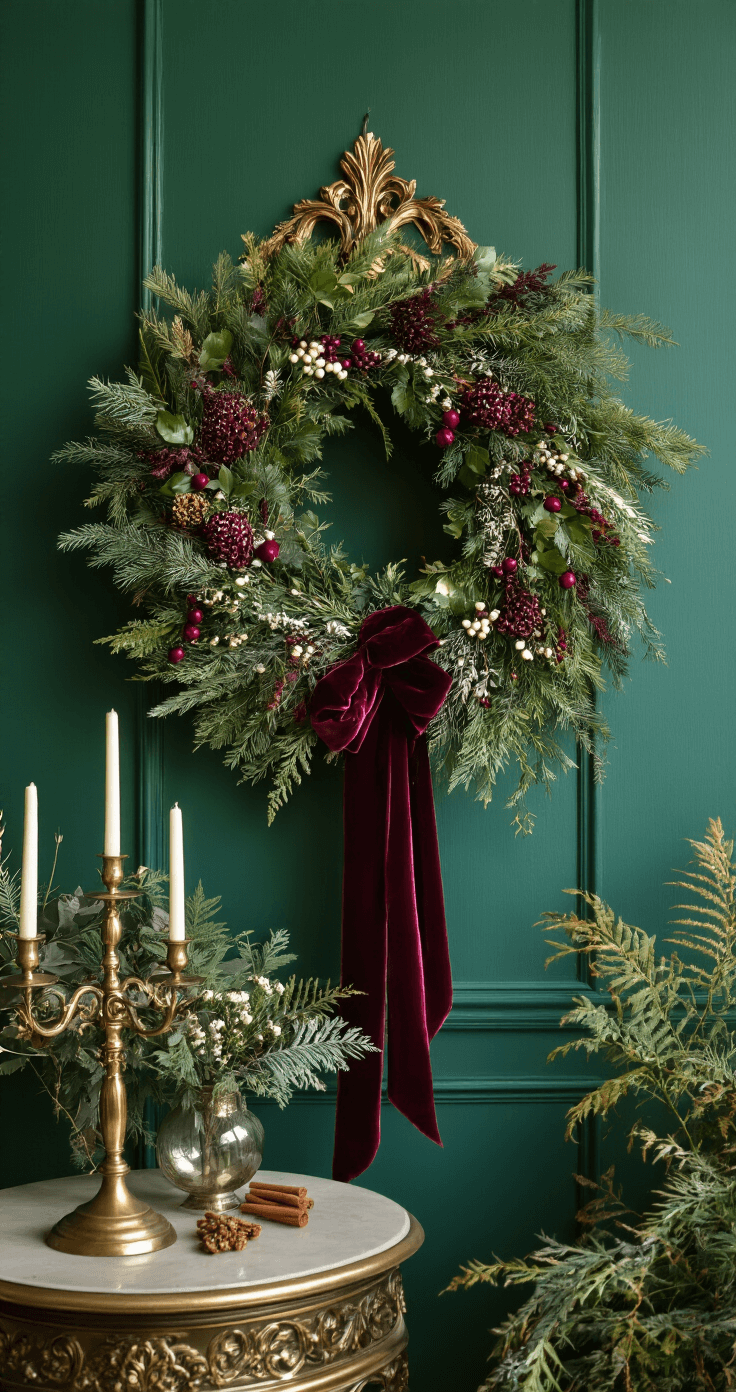
Burgundy rosehips add sophistication.
Orange pyracantha berries bring unexpected warmth.
I once created a wreath using only white and silver elements with pale blue-green eucalyptus.
Guests thought I’d hired a designer.
I’d spent $23 at the craft store.
Texture Elements That Photograph Like Dreams
Flat wreaths are boring wreaths.
Add dimension with:
- Pine cones (free from any park, bake at 200°F for 30 minutes to kill bugs)
- Dried seedheads from your garden—teasels, poppies, nigella
- Thistles and dried flowers for bohemian elegance
- Cinnamon sticks bundled together (bonus: they smell amazing)
- Birch twigs for architectural interest
Last year I added dried pomegranates to a wreath.
People asked where I’d bought it.
When I said “made it,” half didn’t believe me.
The Ribbon Situation
Most people tie one sad bow and call it done.
Wrong approach.
Wired ribbon holds its shape and looks professionally styled.
Velvet ribbon adds luxury that regular satin can’t match.
Burlap creates farmhouse charm.
I use three ribbons in coordinating colors, cascading them at different lengths.
Takes an extra five minutes.
Looks like I spent five extra hours.
Actually Making This Thing (Without Losing Your Mind)
What You’ll Need Before You Start
Clear your dining table.
Put on clothes you don’t care about (pine sap is forever).
Gather everything first—nothing kills creative flow like hunting for scissors mid-project.
Your shopping list:
- Wreath base (size depends on your door, but 18-24 inches works for most)
- Floral wire in green
- Wire cutters or sharp scissors
- Hot glue gun with extra glue sticks
- Greenery (fresh or artificial)
- Accent materials (berries, pine cones, whatever speaks to you)
- Ribbon
- One large glass of wine (optional but recommended)
The Method That Actually Works
Start with your base greenery attached using floral wire.
Work in one direction—clockwise or counterclockwise, doesn’t matter, just stay consistent.
Each bundle should overlap the stems of the previous bundle by about two-thirds.
This hides the mechanics and creates fullness.
I learned this the hard way after my first wreath looked like a sad, patchy circle with visible wire everywhere.
Layer your second type of greenery next.
Tuck it into gaps.
Add your third variety where you need extra volume.
Step back every few minutes.
Your wreath will lie to you up close—it needs evaluation from door-viewing distance.
Adding the Good Stuff
Once your greenery base looks full, start placing your statement pieces.
Pine cones, large berries, dried flowers—these go on first.
Use hot glue for
This post may contain affiliate links. Please see my disclosure policy for details.


