
Bedroom Decor Ideas That’ll Actually Transform Your Sleep Space (Without Breaking the Bank)
Bedroom decor isn’t just about throwing a few pillows on the bed and calling it a day.
I’ve spent years transforming bedrooms—from cramped studio corners to sprawling master suites—and I can tell you this much: the difference between a bedroom that drains you and one that recharges you comes down to intentional design choices that actually matter.
Let me walk you through what’s working right now, what’s worth your money, and what you can skip entirely.
Why Your Bedroom Probably Isn’t Working For You
Most bedrooms fail because they try to be everything at once. They’re part office, part laundry station, part storage unit, and somewhere in there, you’re supposed to actually sleep.
The bedrooms that work—the ones that genuinely restore you—have a singular focus: creating a sanctuary that shuts out the chaos.
That means making tough calls about what stays and what goes.
The Big Shift: From Hotel Sterile to Lived-In Warmth
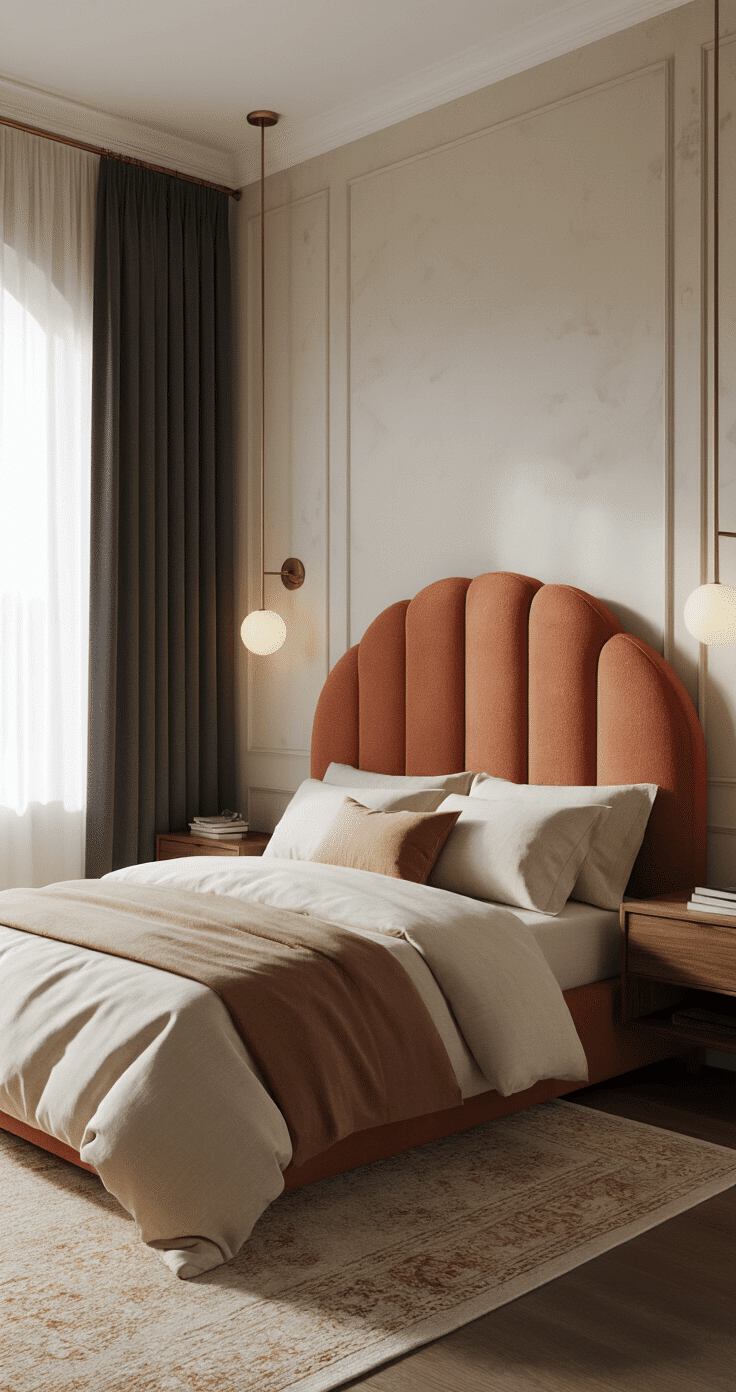
Cocoon sanctuaries are dominating bedroom design right now, and for good reason.
We’re done pretending we want our bedrooms to look like boutique hotel rooms. Those spaces feel cold, impersonal, and frankly, a bit lonely after the first night.
Instead, we’re embracing:
- Plush, layered bedding that begs you to dive in
- Blackout window treatments that actually block light
- Warm, dimmable lighting that shifts with your evening routine
- Textures that feel handmade and human
The cool, minimalist aesthetic is officially over. Warmth and depth are in, and your bedroom should feel like wrapping yourself in your favorite sweater.
Tech: Hidden or Gone Entirely
Here’s something I tell every client: your phone doesn’t belong on your nightstand.
The bedrooms that promote actual rest are either completely analog or have technology so cleverly concealed you’d never know it’s there.
Consider:
- Televisions hidden behind sliding artwork panels
- Charging stations built into drawer organizers rather than sitting on display
- Automated blackout roller shades that eliminate bedside lamp fumbling
- Alarm clocks that aren’t glowing screens
If you can’t eliminate tech entirely, at least make it work for the room’s atmosphere rather than against it.

Colors That Actually Help You Sleep
Let’s talk about the elephant in the room: all-white bedrooms are exhausting to maintain and frankly, a bit sterile.
The color shift happening right now emphasizes warmth and organic tones:
Warm Earth Tones:
- Terracotta
- Buttery yellows
- Rich beiges and taupes
- Chocolate browns
- Creamy off-whites (not stark white)
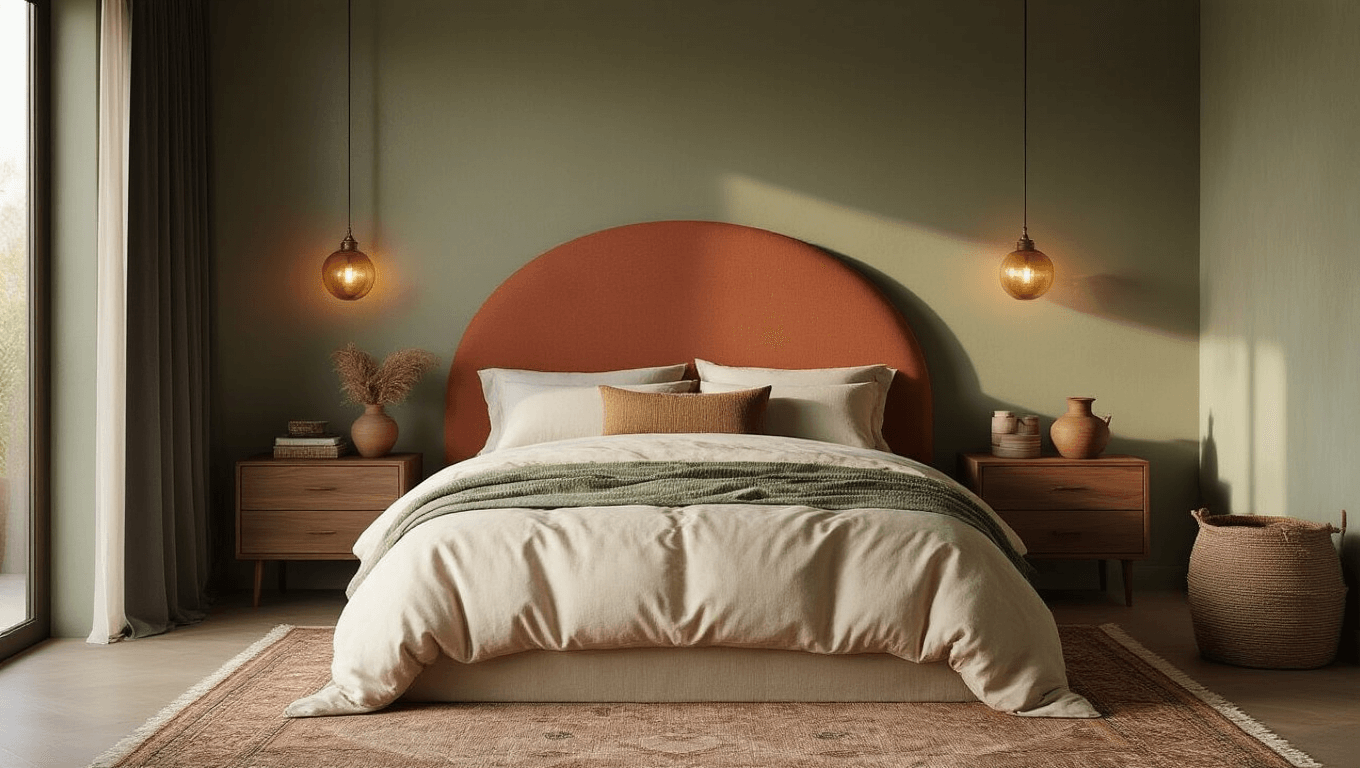
Botanical Greens:
These shades feel restful and nurturing, connecting your space to nature without literal plant overload.
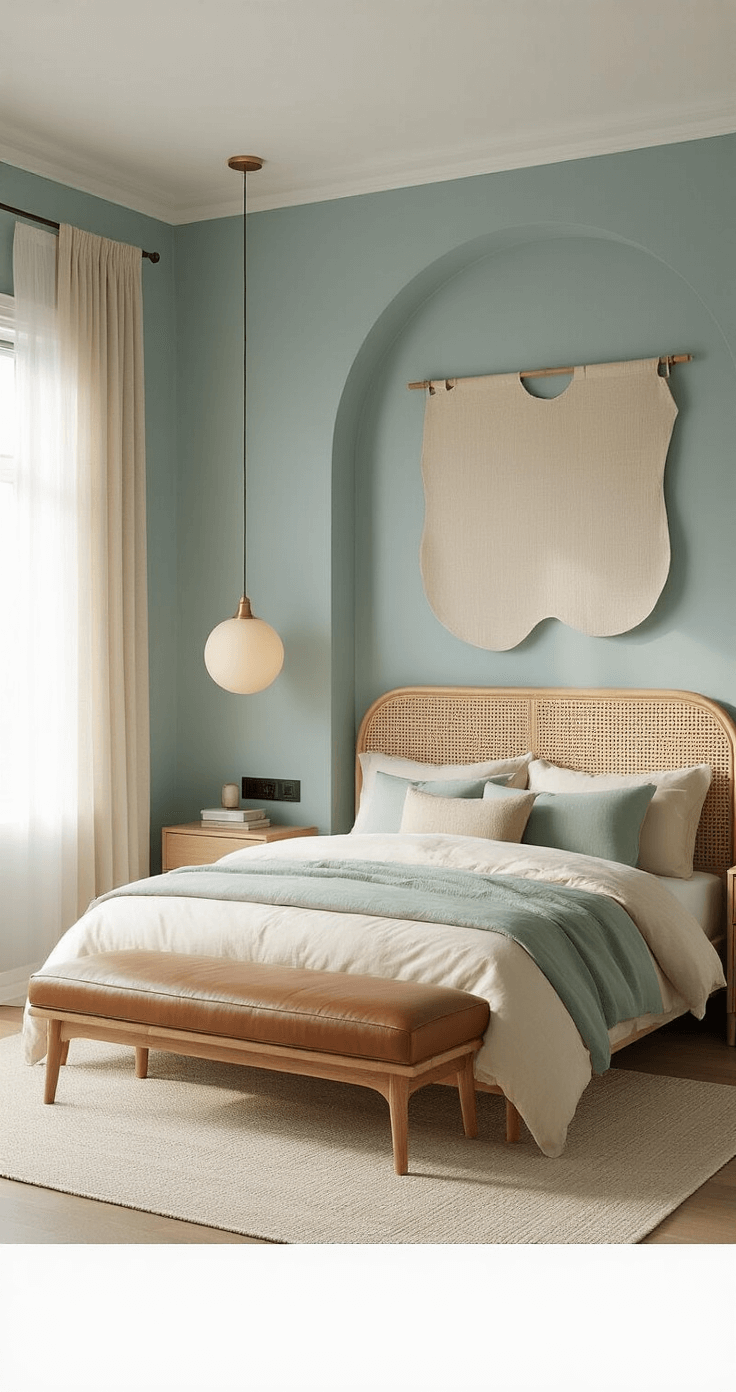
Aquatic Blues:
Soft, muted blues create soothing environments that promote actual rest.
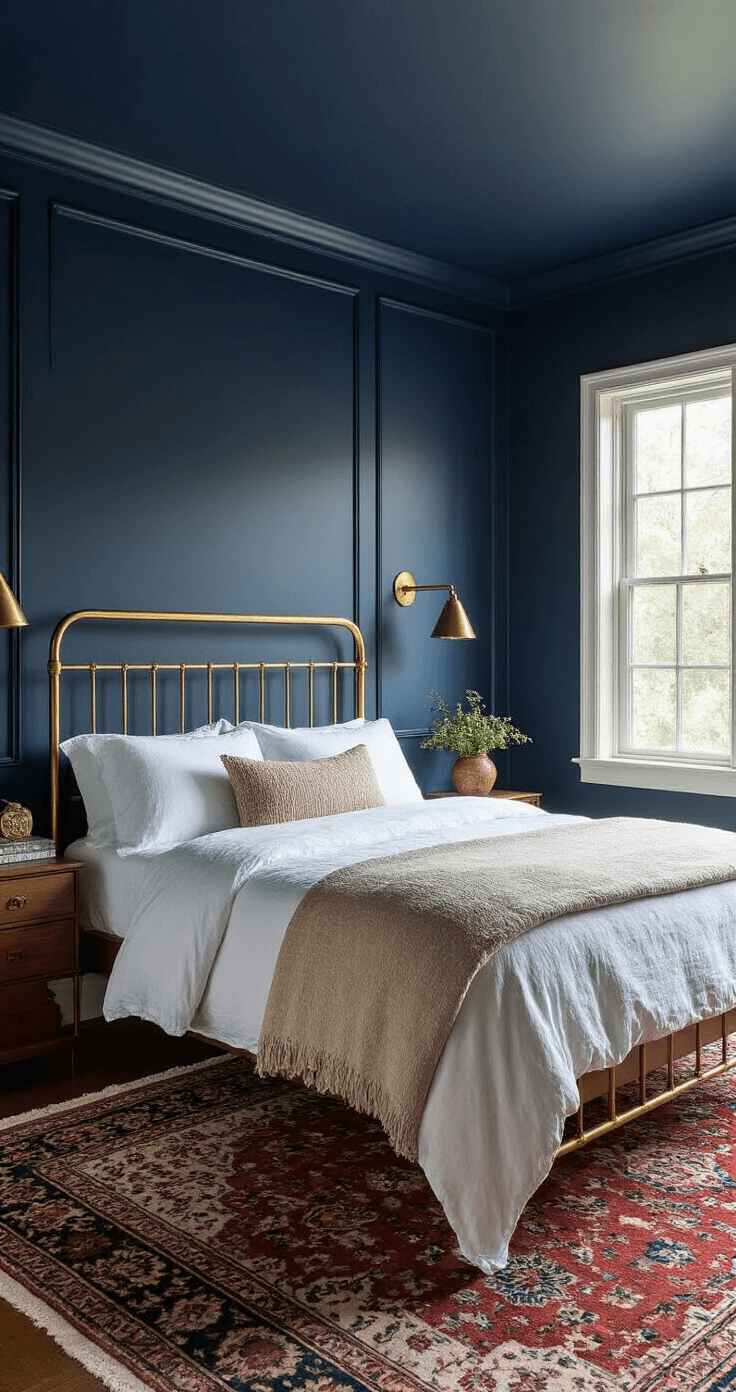
Dramatic Darks:
Deep blacks, navy blues, and burgundy reds create cocooning spaces when paired with proper lighting and layered textiles.
The technique of color-drenching—painting walls, trim, and even ceilings in the same saturated tone—creates immersive, womb-like spaces that feel deeply personal.
Don’t be afraid of color. Your bedroom should reflect you, not a catalog.
The Bed: Make It Your Focal Point
Sculptural, curved bed frames are having a major moment, and I’m here for it.
Angular, boxy frames feel cold and institutional. Rounded headboards and organic shapes create softness that makes climbing into bed feel like an invitation rather than a chore.
Look for:
- Curved upholstered headboards in bouclé or linen
- Caned bed frames with gentle curves
- Platform beds with rounded edges
- Custom-built beds with integrated storage or lighting
Here’s my bed styling formula that actually works:
Skip the pillow mountain. It’s impractical, high-maintenance, and honestly, dated.
Instead:
- Two sleeping pillows per person in quality cotton or linen pillowcases
- Two decorative euro shams against the headboard
- One long lumbar pillow in front (not five throw pillows)
- A textured throw folded at the foot
Done. It looks polished, takes 30 seconds to make, and doesn’t create a nightly pillow avalanche.
Furniture That Earns Its Place
Small bedrooms especially need furniture with purpose.
Every piece should either:
- Serve a function you use daily
- Create significant visual impact
- Do both simultaneously
Smart choices:
- Floating nightstands that keep floors visible and make cleaning easier
- Streamlined dressers with clean lines (avoid fussy hardware and excessive ornamentation)
- A single statement chair rather than a crowded seating area
- Benches at the bed’s foot that provide seating and storage
What to skip:
- Matching bedroom sets (they’re boring and scream catalog)
- Overstuffed furniture that crowds the space
- Pure
This post may contain affiliate links. Please see my disclosure policy for details.


