

Bathroom Flooring Options: What You Need to Know
Contents
- Bathroom Flooring Options: What You Need to Know
- Why Your Bathroom Floor Isn’t Like Every Other Floor in Your House
- Porcelain and Ceramic Tile: The Classic That Actually Deserves Its Reputation
- Luxury Vinyl Plank: The Newcomer That’s Actually Worth the Hype
- Sheet Vinyl: The Budget Hero Nobody Talks About
- Natural Stone: For When You Want to Feel Fancy (And Have the Budget)
Bathroom flooring options matter more than you think, and I learned this the hard way when my “gorgeous” bathroom floor started peeling up like old wallpaper after six months of morning showers.
You’re standing in your bathroom right now, aren’t you? Looking down at those cracked tiles or that weird bubbling spot near the tub. Maybe you’re planning a renovation and drowning in options that all sound the same. Or perhaps you just want something that won’t turn into a skating rink when your kid leaves water everywhere.
I’ve been there, and I’m about to save you from the mistakes I made.
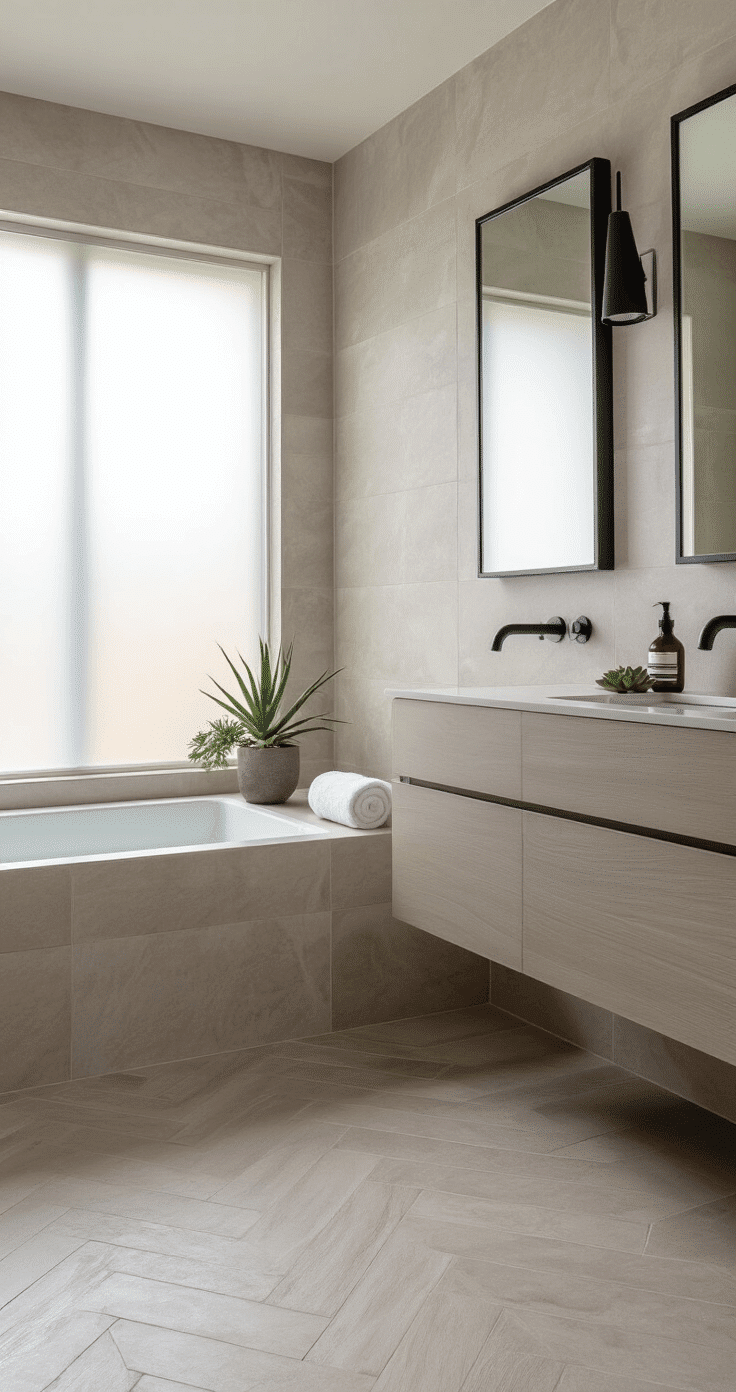
Why Your Bathroom Floor Isn’t Like Every Other Floor in Your House
Here’s the thing nobody tells you: your bathroom floor takes more abuse than a restaurant kitchen.
Water splashes. Steam rises. Humidity hangs around like an unwelcome guest. And all of this happens every single day, sometimes multiple times.
When I renovated my first bathroom, I thought any “water-resistant” flooring would work. Wrong. Six months later, I was prying up warped boards and mentally calculating how much money I’d just flushed down the drain.
Water-resistant isn’t waterproof, and that difference will cost you hundreds—or thousands—if you get it wrong.
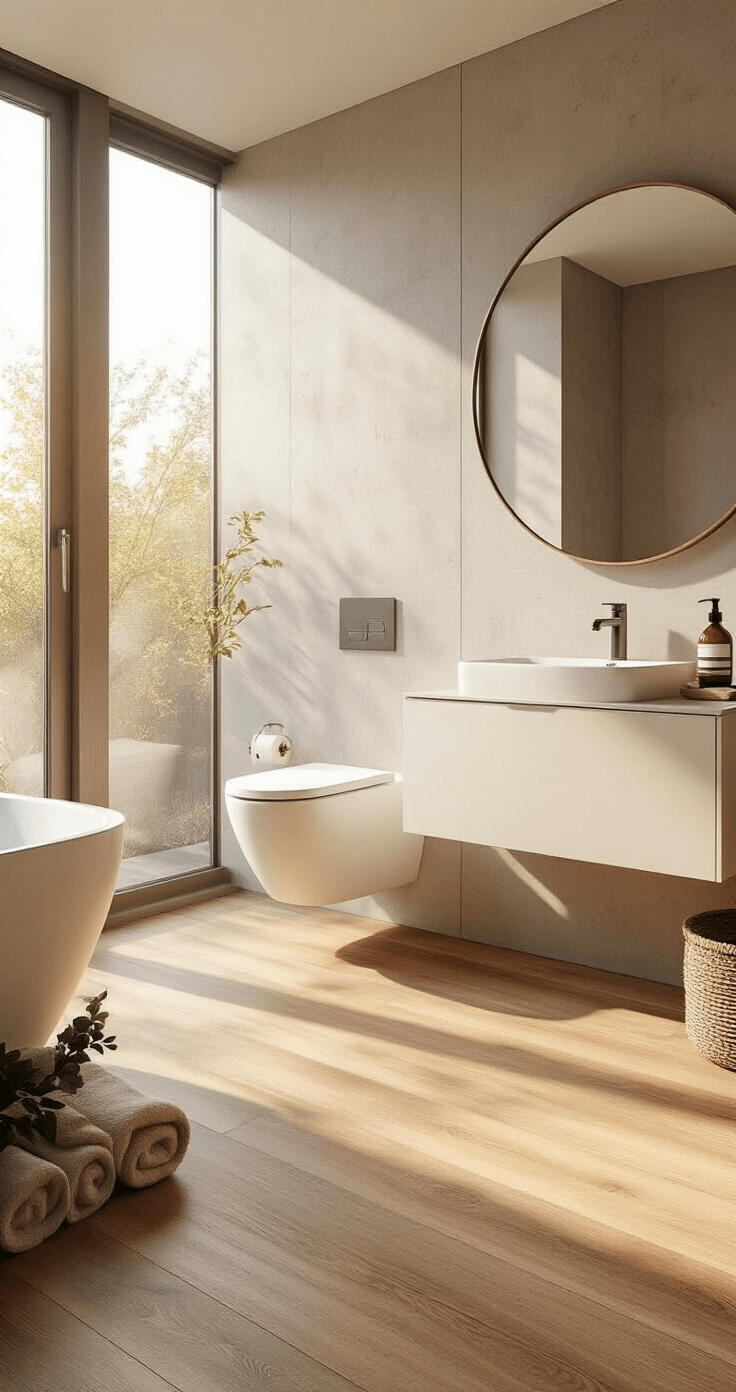
Porcelain and Ceramic Tile: The Classic That Actually Deserves Its Reputation
Let’s start with what most people picture when they think “bathroom floor.”
I’ll be honest: I used to think tile was boring. Then I installed porcelain floor tiles in my master bathroom three years ago, and they still look like I installed them yesterday.
Why porcelain and ceramic tile work so damn well:
- Porcelain is denser than ceramic (think of it as ceramic’s overachieving older sibling)
- Water literally can’t penetrate properly sealed porcelain
- You can find patterns that mimic everything from marble to wood
- Standing water doesn’t make them panic like it does with other materials
- Clean-up is ridiculously easy—just mop and move on
The downsides nobody mentions until you’re living with them:
- Cold. So cold. Walking barefoot on tile in winter is a special kind of misery.
- Slippery when wet (which, in a bathroom, is basically always)
- Hard as hell—drop something and it’s either broken or your tile is chipped
- Professional installation costs can make your wallet weep
My neighbor learned the slippery part the hard way and ended up with a bruised tailbone. Now she only buys textured or matte-finish tiles, and she hasn’t slipped since.
Pro tip: If you’re going with tile, invest in textured bathroom tiles or at least throw down some quality bath mats. Your future self will thank you.
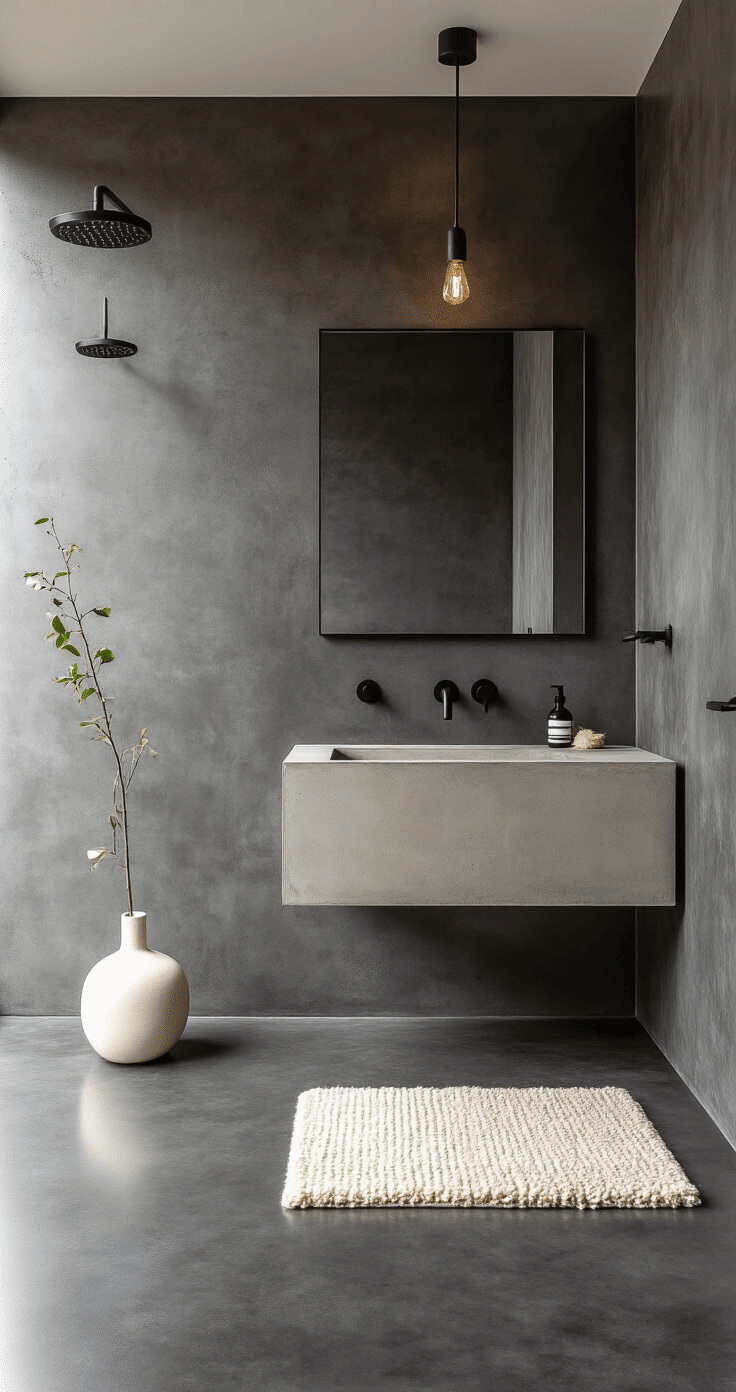
Luxury Vinyl Plank: The Newcomer That’s Actually Worth the Hype
I was skeptical about vinyl. Growing up, vinyl meant cheap, ugly floors in rental apartments.
But luxury vinyl plank (LVP) isn’t your grandmother’s vinyl.
Last year, I installed luxury vinyl plank flooring in my guest bathroom as an experiment. It’s fooled every single visitor into thinking it’s real hardwood.
Why LVP has become my go-to recommendation:
- Completely waterproof (not just resistant—actually waterproof)
- Feels warmer and softer underfoot than tile
- Looks like expensive hardwood or stone without the price tag
- Click-lock installation means I did it myself in one weekend
- Scratch-resistant enough to handle my dog’s claws
- No sealing, no special cleaners, no maintenance drama
The realistic drawbacks:
- Not as “prestigious” as natural materials (if you care about that)
- Can fade in direct sunlight over years
- Lower-quality vinyl can look cheap (don’t buy the bargain basement stuff)
My sister chose LVP for all three of her bathrooms, and two years later, she’s still sending me photos of how good they look. That’s saying something coming from someone who changes her mind about decor every six months.
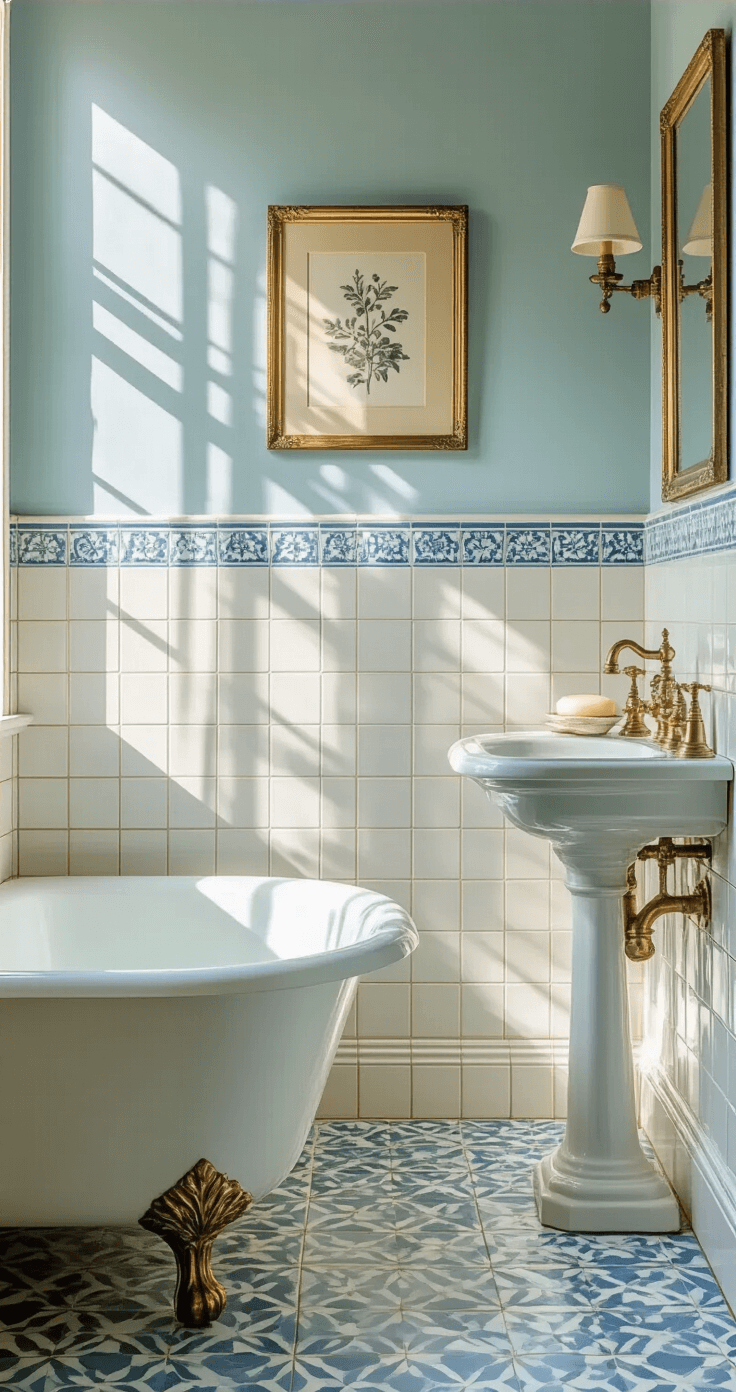
Sheet Vinyl: The Budget Hero Nobody Talks About
If you’re working with a tight budget, don’t sleep on sheet vinyl.
I used vinyl sheet flooring in a rental property bathroom, and my tenants haven’t complained once in three years.
What makes sheet vinyl work:
- Fully waterproof with minimal seams
- Comes in 12-foot widths (fewer seams = fewer leak opportunities)
- Installation is straightforward—even for DIY beginners
- Costs way less than almost every other option
- Modern designs actually look decent
The catch:
- Won’t increase your home value like tile or stone
- Can tear or puncture more easily than LVP
- Some people just can’t get past the “cheap” stigma
Is it the most glamorous choice? No. Will it protect your subfloor and bathroom structure without emptying your bank account? Absolutely.
Natural Stone: For When You Want to Feel Fancy (And Have the Budget)
Marble. Slate. Travertine.
These words make people swoon, and I get it. I once stayed at a boutique hotel with slate bathroom floors, and I felt like royalty.
Then I looked up the maintenance requirements and ran back to my sensible porcelain.
The appeal of natural stone:
- Undeniably gorgeous and unique (no two stones are identical)
- Luxury aesthetic that actually is luxurious
- Extremely
This post may contain affiliate links. Please see my disclosure policy for details.


