

After-Christmas Winter Decor: How to Keep Your Home Cozy Without the Tinsel
Contents
- After-Christmas Winter Decor: How to Keep Your Home Cozy Without the Tinsel
- Why Your House Feels So Blah After You Take Down Christmas Stuff
- The Color Shift That Changes Everything
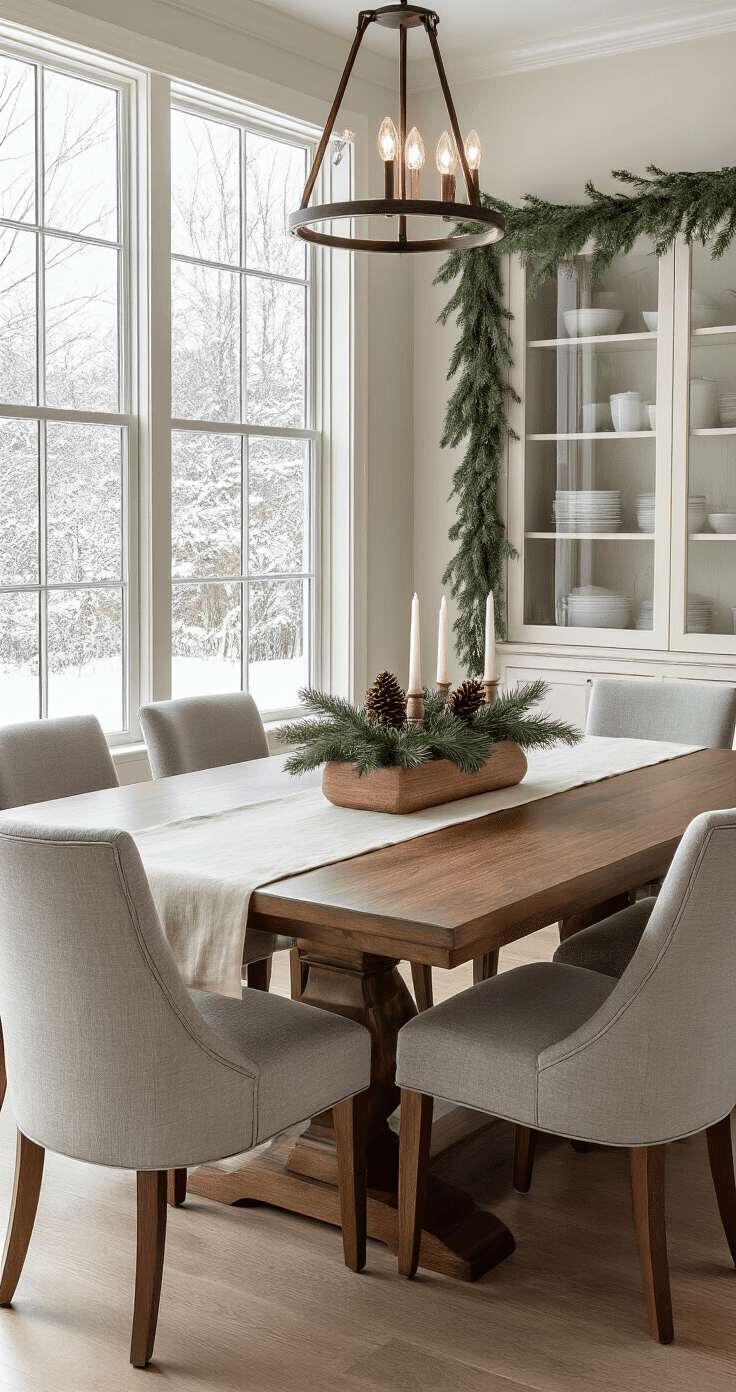
- Natural Elements: The Backbone of Winter Decor
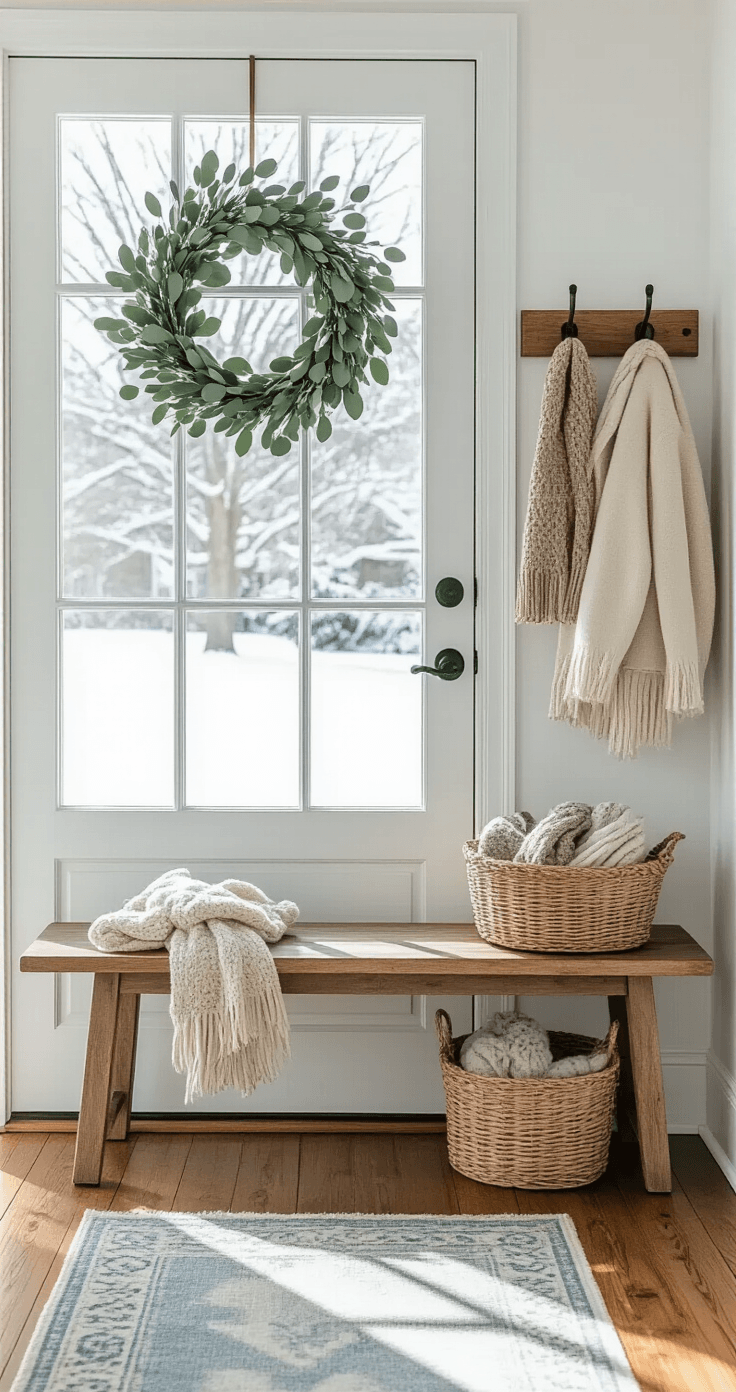
- Texture Layering: Make Your Home Feel Like a Hug
- Room by Room: Where I Actually Put This Stuff
After-Christmas winter decor saved my sanity last January.
I used to feel completely deflated once I packed away the ornaments and lights. My house looked bare and sad, like someone had sucked all the life out of it. The walls seemed grayer, the rooms felt colder, and honestly, I’d spend the next three months just waiting for spring.
Then I figured out the secret: winter has its own beauty, and your home should reflect that.

Why Your House Feels So Blah After You Take Down Christmas Stuff
Let me be straight with you. The problem isn’t that you removed your Christmas decor—it’s that you didn’t replace it with anything.
Nature doesn’t just go blank in winter. Think about a snowy forest or a frozen lake at dawn. There’s texture, depth, and a quiet kind of magic happening.
Your home deserves that same treatment.
I’m going to show you exactly how I transform my space from “holiday hangover” to “winter sanctuary” every single year, and trust me, it’s easier than you think.
The Color Shift That Changes Everything
Forget red and green—winter speaks in whispers, not shouts.
I completely changed my approach when I swapped my holiday palette for these tones:
- Icy blues that remind you of early morning frost
- Soft whites like fresh snow on pine branches
- Muted grays that feel like a cloudy winter sky
- Taupes and ivories that add warmth without screaming “look at me!”
Here’s what I actually did: I didn’t buy all new stuff. I just pulled out throws, pillows, and accessories I already owned in these colors.
The shift felt like opening a window after being in a stuffy room. Refreshing. Calming. Still cozy, but without the visual chaos of holiday decor.
Last year, I found some icy blue throw pillows that completely transformed my gray couch, and I still use them every winter.
Natural Elements: The Backbone of Winter Decor
This is where the magic happens.
I raid my backyard and the clearance bins at the grocery store, and suddenly my house looks like it belongs in a winter cabin magazine.
What I Actually Use
Branches and stems: I clip bare branches from my yard (or buy them for next to nothing at the farmers market). Stick them in a tall vase, and boom—instant sculpture. The twisted, naked branches look dramatic and architectural.
Pinecones: Free if you know where to look. I collect them on walks and scatter them in bowls or decorative wooden trays. Sometimes I spray them with a bit of white paint for a frosted effect.
Birch logs: Stack a few by the fireplace or bundle them with twine in a basket. They’re like rustic home decor that also happens to be functional.
Eucalyptus and evergreen stems: These are my secret weapons. I buy a bunch of fresh eucalyptus stems in early January and stick them everywhere—vases, pitchers, even tucked into picture frames. They smell amazing and last for weeks.
Forced bulbs: I start paperwhites in December, and by mid-January, they’re blooming like crazy. Fresh flowers in winter feel like a small rebellion against the cold.
My Favorite Trick
I keep my leftover evergreen clippings from Christmas and just remove the ornaments. Same greenery, completely different vibe. Why waste perfectly good pine branches?
Texture Layering: Make Your Home Feel Like a Hug
If your winter decor doesn’t make you want to curl up immediately, you’re doing it wrong.
I learned this the hard way after spending a January shivering under one sad throw blanket.
Now I layer like my life depends on it:
- Chunky knit blankets draped over the arm of the couch
- Faux fur throws on accent chairs (the kind that make you feel fancy)
- Multiple pillows in different textures—cable knit, velvet, linen
- A thick, plush rug in the living room that your feet sink into
The rule I follow: every seating area should have something soft within arm’s reach.
I’m not suggesting you turn your house into a blanket fortress (though no judgment if you do). Just make it inviting enough that when someone sits down, they automatically relax.
Room by Room: Where I Actually Put This Stuff
The Mantel: Your Winter Stage
This is prime real estate, people.
Here’s my formula:
- Candles in varying heights (unscented or winter scents like pine or cedar)
- Greenery draped casually along the length
- Pinecones and birch pieces scattered in between
- A mirror hung above to bounce light around the room
I use pillar candles in white and cream because they feel elegant without trying too hard.
The key is asymmetry. Don’t line everything up like soldiers. Let it breathe. Make it look like you casually arranged beautiful things, even if you spent twenty minutes getting it just right.
The Front Door: First Impressions Matter
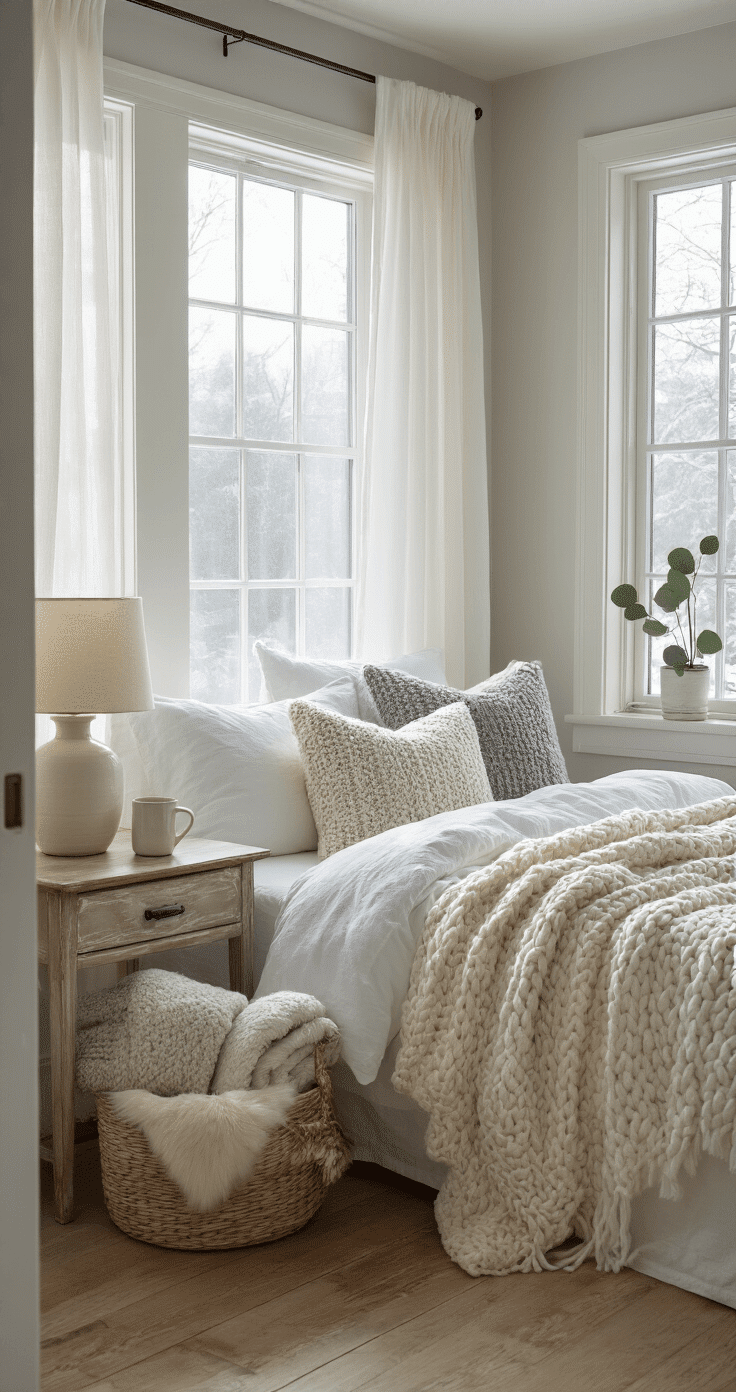
I take down my Christmas wreath on January 2nd and replace it immediately.
My winter wreath options:
- Eucalyptus and olive branches wired together
- A grapevine wreath with white berries and pinecones hot-glued on
- Simple evergreen with no ornaments—just the greenery itself
- Bare birch branch wreath (sounds weird, looks stunning)
The wreath sets the tone before anyone even walks inside. It says, “We’re still decorating around here. Winter is not a decorative wasteland.”

This post may contain affiliate links. Please see my disclosure policy for details.


