
Why Most Couple’s Bedrooms Feel Like a Compromise Nobody Wanted
You know that feeling when you walk into your bedroom and it doesn’t feel quite right? Neither of you loves it, but neither of you hates it enough to start another discussion about redecoration.
That’s because most couples approach bedroom design as a negotiation instead of a collaboration.
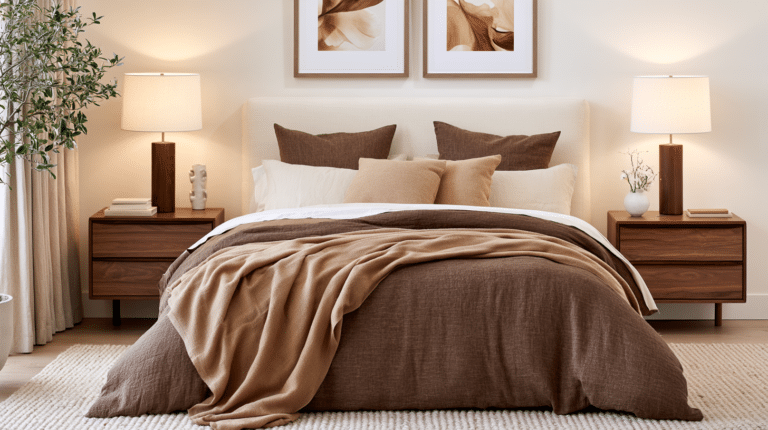
Here’s what I’ve learned: The best couple’s bedrooms don’t split everything down the middle—they create a third style that’s better than what either person would’ve chosen alone.
Start With the Bed (Because Everything Else Is Just Window Dressing)
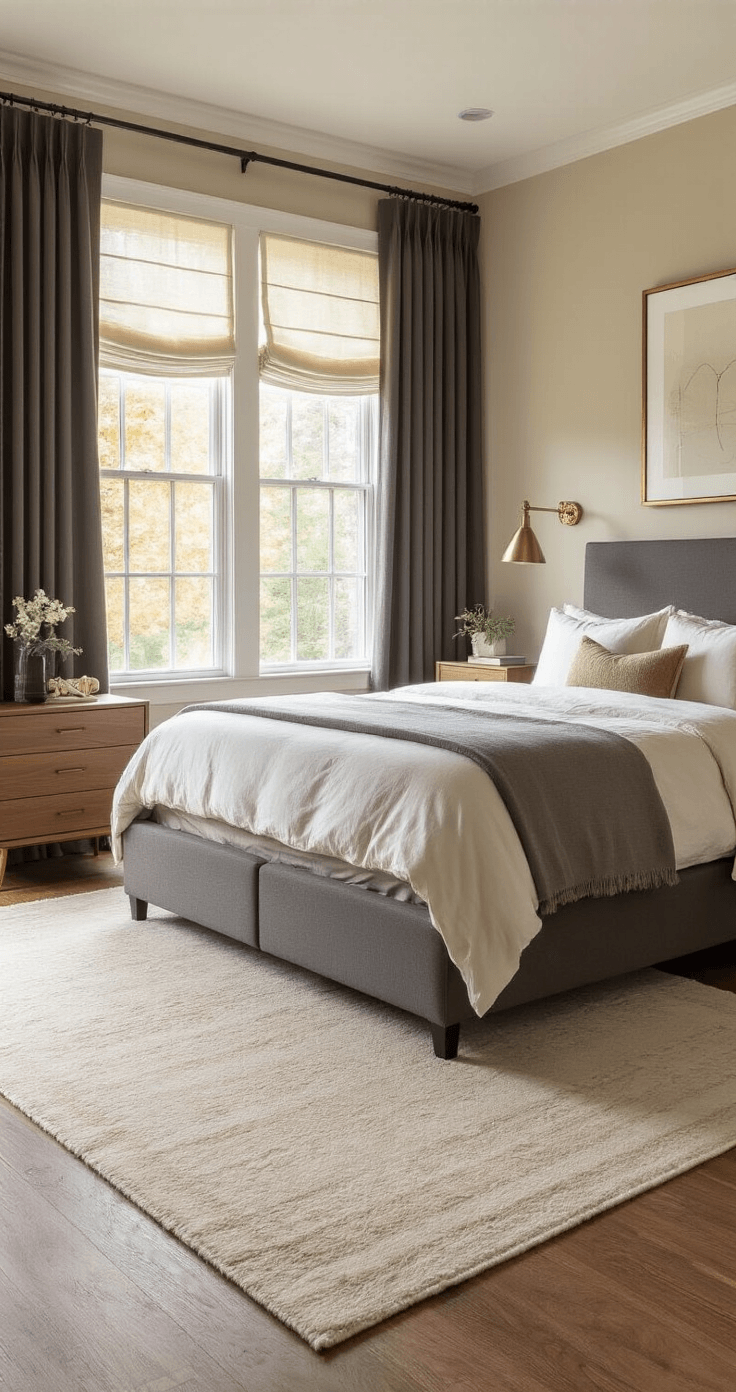
Your bed takes up a third of the room and a third of your life. Get this wrong, and nothing else matters.
Size Actually Matters
I don’t care how cozy you think a queen bed is—if you’re both over 5’8″, you need a king size bed frame.
Here’s the math:
- Queen bed: 60 inches wide
- Two adults: roughly 16-18 inches each
- That leaves about 24-28 inches total for movement, pets, and personal space
Translation: You’re going to elbow each other all night.
The Mattress Debate
Some couples swear by adjustable base mattresses that let each side have different firmness levels. I was skeptical until I tried one at a client’s house.
Game changer for couples who:
- Have different weight distributions
- Prefer different sleeping positions
- Have back issues
- Run at different body temperatures
The Two-of-Everything Rule
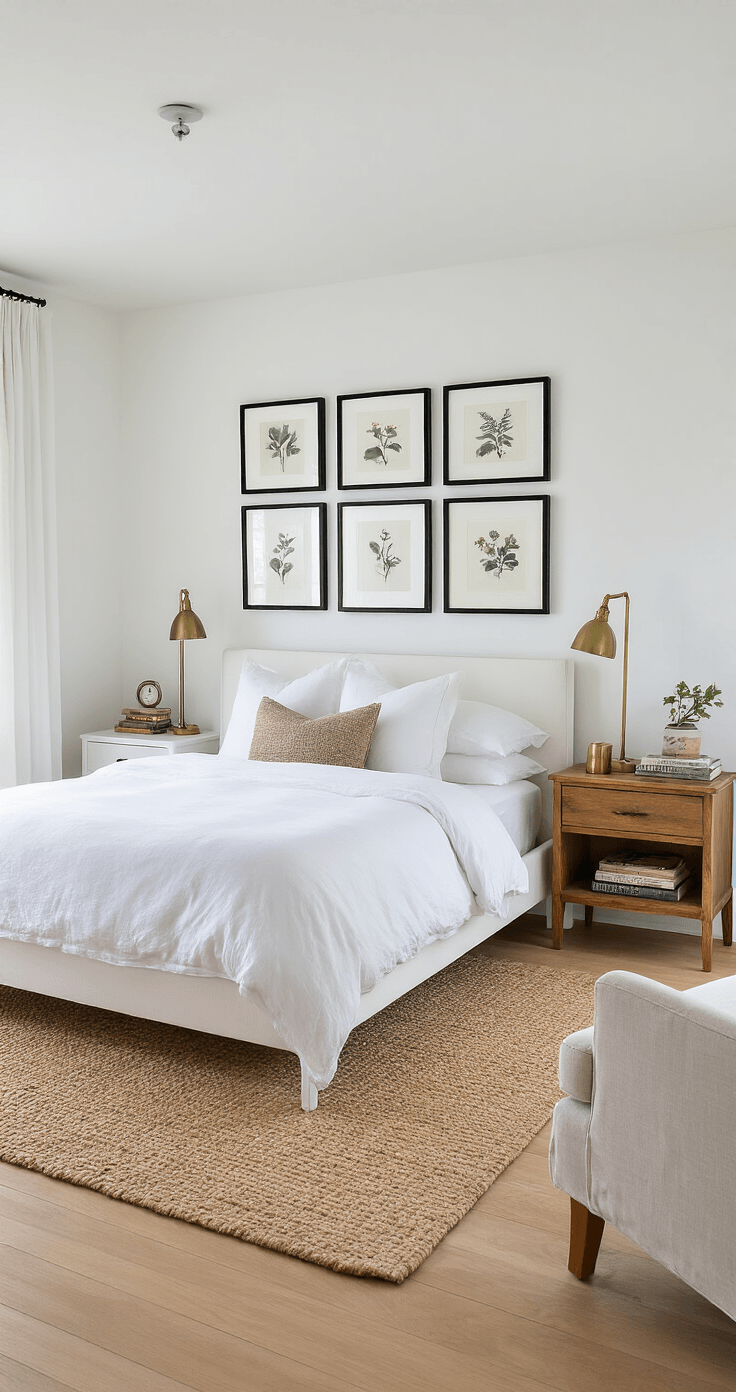
Double bedside tables aren’t negotiable. They’re mandatory.
I’ve seen couples argue over charging cables, water glasses, and reading lamps because they’re trying to share one nightstand.
Each person needs:
- Their own bedside table with storage
- Their own lamp
- Their own charging station
- Their own drawer for personal items
Pro tip: The bedside tables don’t have to match exactly. Get two in the same style family but with slight variations—it adds visual interest and lets each person choose what works for them.
Colors That Don’t Make Either of You Want to Sleep on the Couch
Forget everything you’ve heard about “masculine” and “feminine” colors.
The best bedroom colors for couples are:
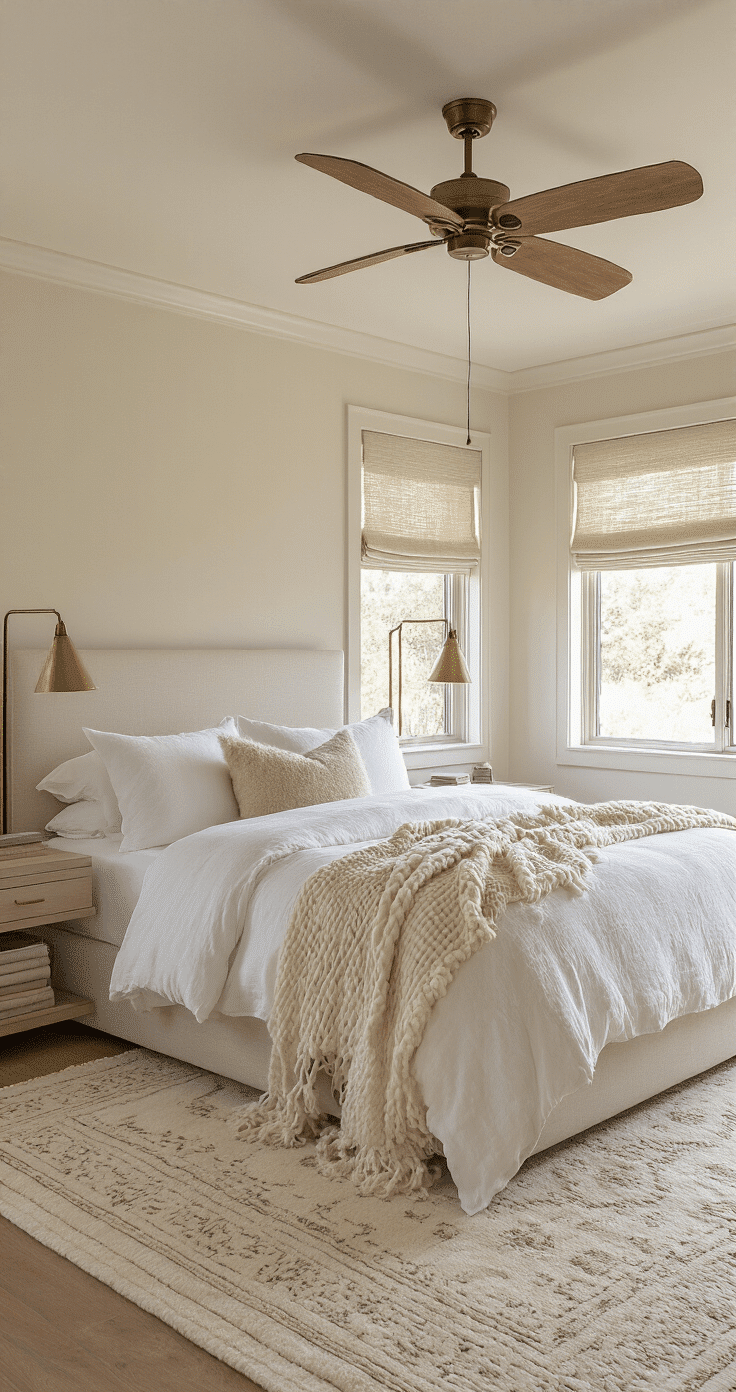
Warm Neutrals (The Safe Bet That’s Not Boring)
Think:
- Warm taupe
- Soft greige
- Creamy beige
- Gentle terracotta
These colors create a backdrop that works with both bold and minimal accessories.
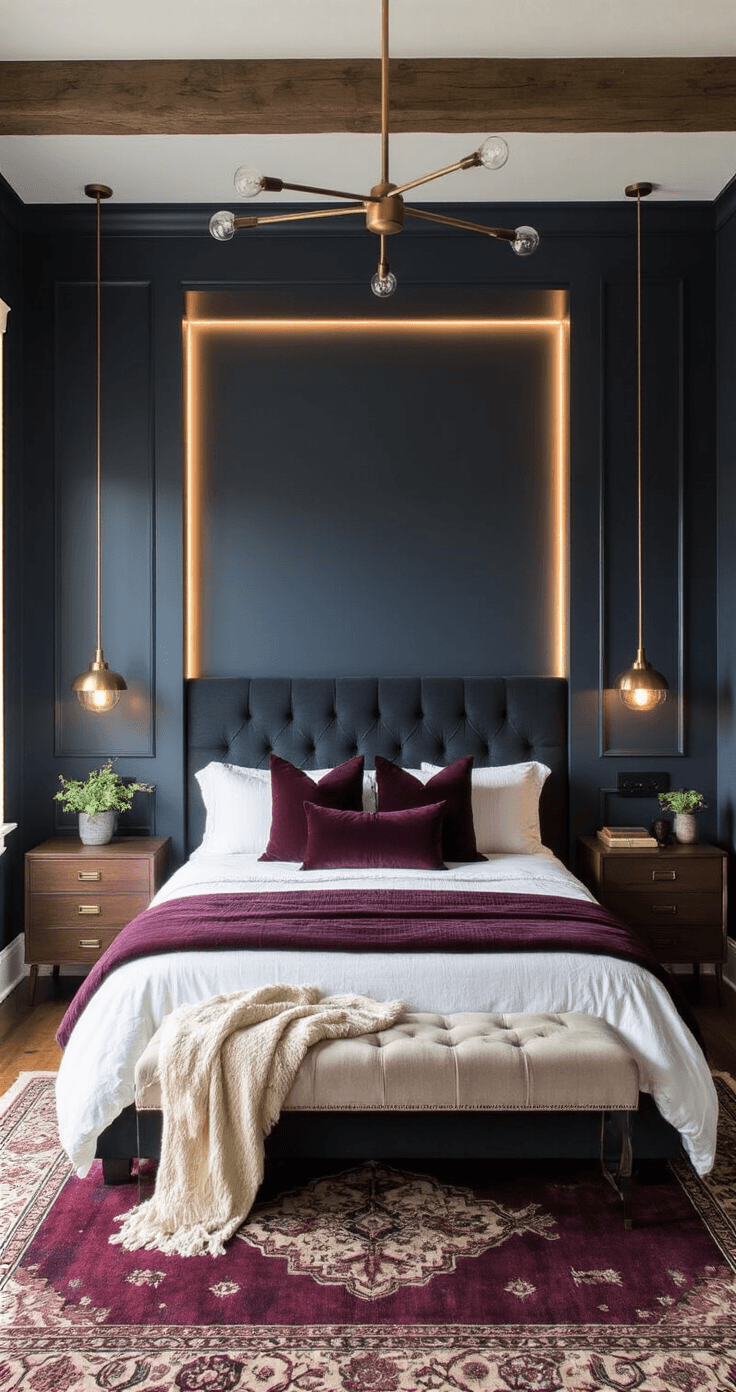
Moody Darks (For Couples Who Like Drama)
Deep charcoal, navy, or forest green work when:
- You have good natural light
- You’re willing to invest in quality lighting
- You both appreciate a cocoon-like atmosphere
I painted my own bedroom in a deep charcoal three years ago, and it’s still the best decorating decision I ever made. The room feels intentional and sophisticated instead of playing it safe.
Save this article
Enter your email and we'll send it straight to your inbox.
The Accent Wall Approach
Can’t agree on a color? Paint three walls neutral and one wall in a bolder shade.
Rules for this to work:
- The accent wall should be behind the bed
- Keep it to one wall maximum
- The bold color should pull from your bedding or artwork
Storage Solutions That Stop the “Where Are My Socks?” Fights
You need more storage than you think.
His and Hers Zones
Create separate storage areas:
- Two dressers instead of sharing one
- Separate closet sections with clear boundaries
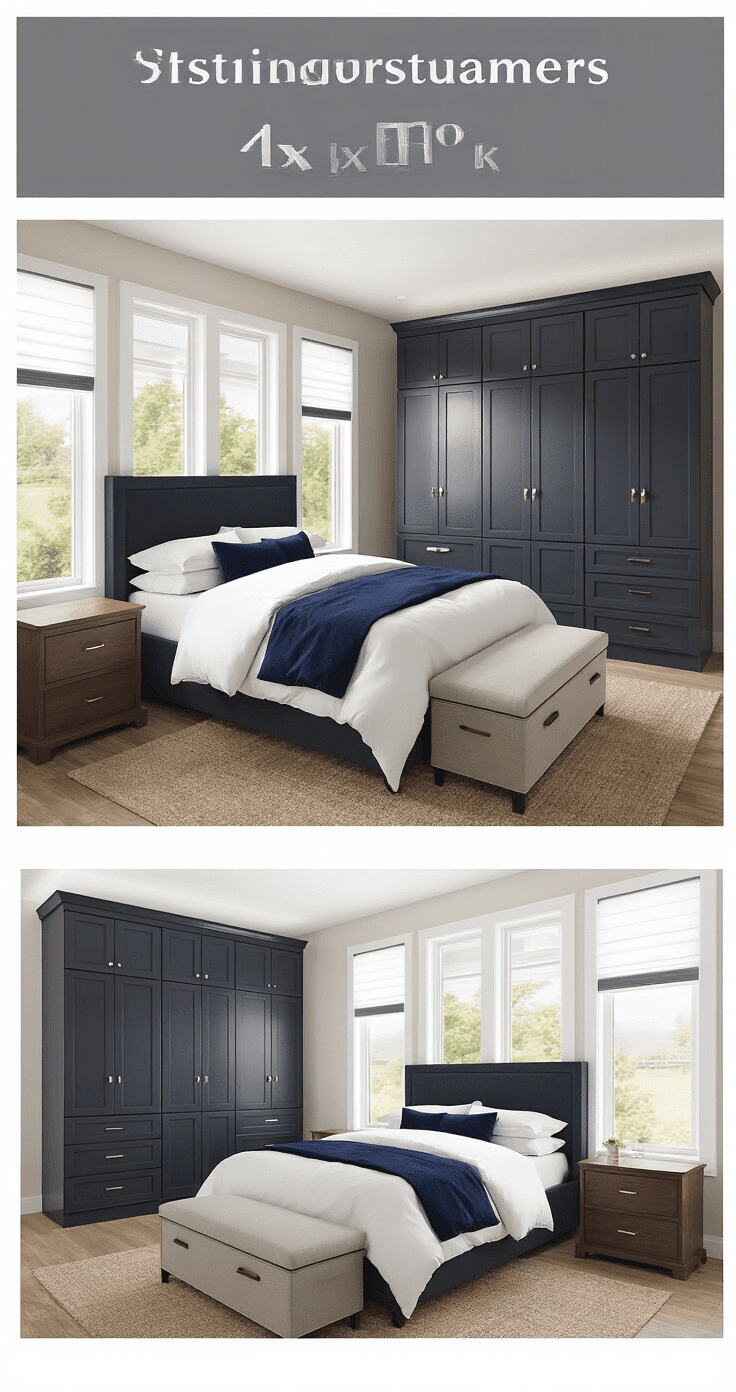
- Individual storage benches at the foot of the bed
I installed under-bed storage containers in my bedroom last year. Out of sight but accessible—perfect for off-season clothes and extra bedding.
Built-In Solutions
If you’re renovating or have the budget:
- Floor-to-ceiling wardrobes on one wall
- Built-in shelving flanking the bed
- Window seat with hidden storage
These pay off because:
- They maximize vertical space
- They look custom and expensive
- They eliminate furniture shopping arguments
Lighting: The Most Overlooked Element
Bad lighting ruins even the best-designed bedroom.
You need three types:
Ambient Lighting
A bedroom ceiling light fixture with a dimmer switch gives you general illumination and mood control.
Skip the builder-grade dome light. Get something with personality that you both like.
Task Lighting
Each bedside needs its own lamp.
One partner might:
- Read until midnight
- Need bright light for work emails
- Want adjustable brightness
The other might:
- Fall asleep at 9 PM
- Be sensitive to light
- Prefer darkness
Solution: Individual adjustable lamps that don’t bleed light across the bed.
Accent Lighting
This is where you add personality:
- LED strips behind the headboard
- Small uplights in corners
- Candles (real or battery-operated)
I’m obsessed with battery-operated candles that have timers. They create ambiance without the fire hazard or the “did we blow out the candles?” panic.
This post may contain affiliate links. Please see my disclosure policy for details.