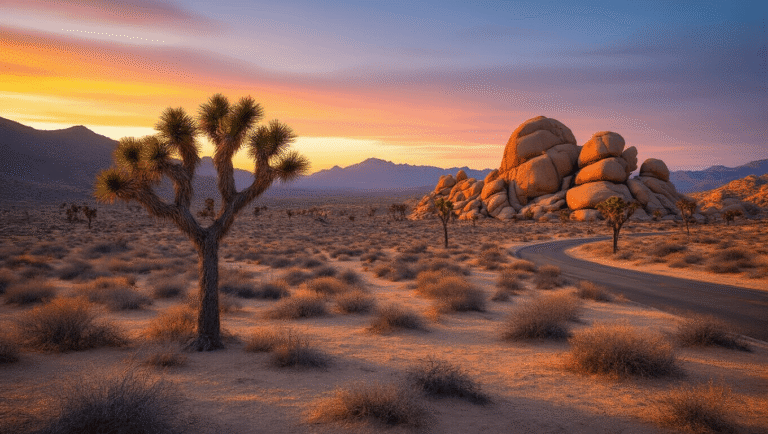

Death Valley National Park – a landscape so extreme, it’ll make your comfort zone look like a boring postcard.
Why Death Valley Will Rock Your World: An Insider’s Take
Ever wondered what it feels like to stand in the most unforgiving landscape in North America?
Death Valley isn’t just a national park. It’s a brutal, beautiful beast that challenges everything you know about survival and natural wonder.
Location That’ll Blow Your Mind
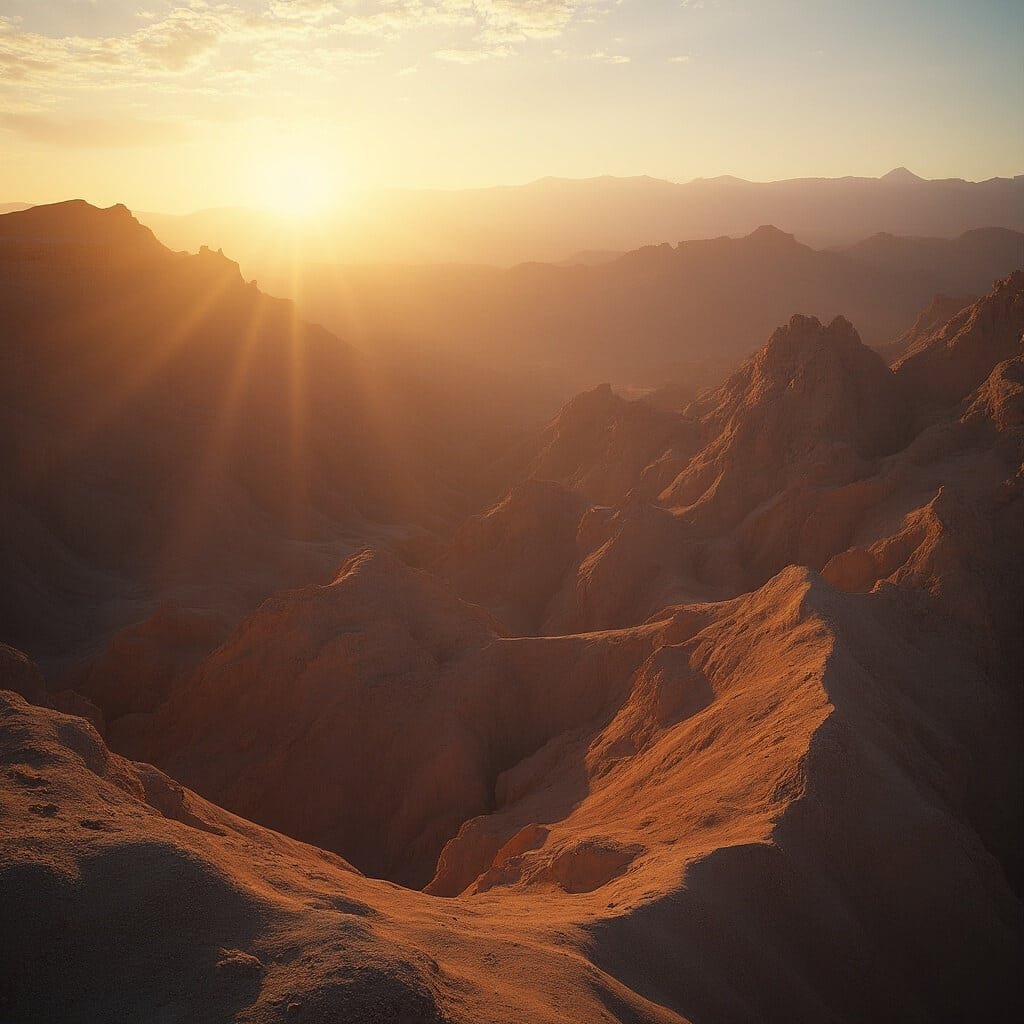
Nestled just 2 hours west of Las Vegas, Death Valley straddles Nevada and California like a desert titan.
Fun fact: This isn’t just any park. It’s the largest national park in the lower 48 states – a massive 3.4 million acres of pure, unadulterated wilderness.
The Lowest of the Low (Literally)
Badwater Basin sits a staggering 282 feet BELOW sea level. That’s the lowest point in North America. Imagine standing somewhere lower than almost anywhere else in the continent.
My First Death Valley Encounter
I’ll never forget my first visit. Mid-April, temperature climbing towards 90°F, wearing hiking boots that felt like they were melting into the salt flats.
The landscape looked like another planet – sharp salt crystals crunching under my feet, mountains shimmering in heat waves, absolute silence except for my own breathing.
When to Visit: Timing is Everything
The Sweet Spot: October to April
Pro Tip: Avoid summer unless you’re part camel.
Best windows for human survival:
- October-November: Mild temperatures
- March-April: Wildflower paradise
- Winter months: Comfortable hiking conditions
Wildflower Hunters, Rejoice!
Mid-February to mid-April transforms Death Valley into a secret botanical wonderland. Imagine deserts bursting with color – purple, yellow, and white blooms emerging from seemingly dead terrain.
Attractions That’ll Make Your Instagram Explode
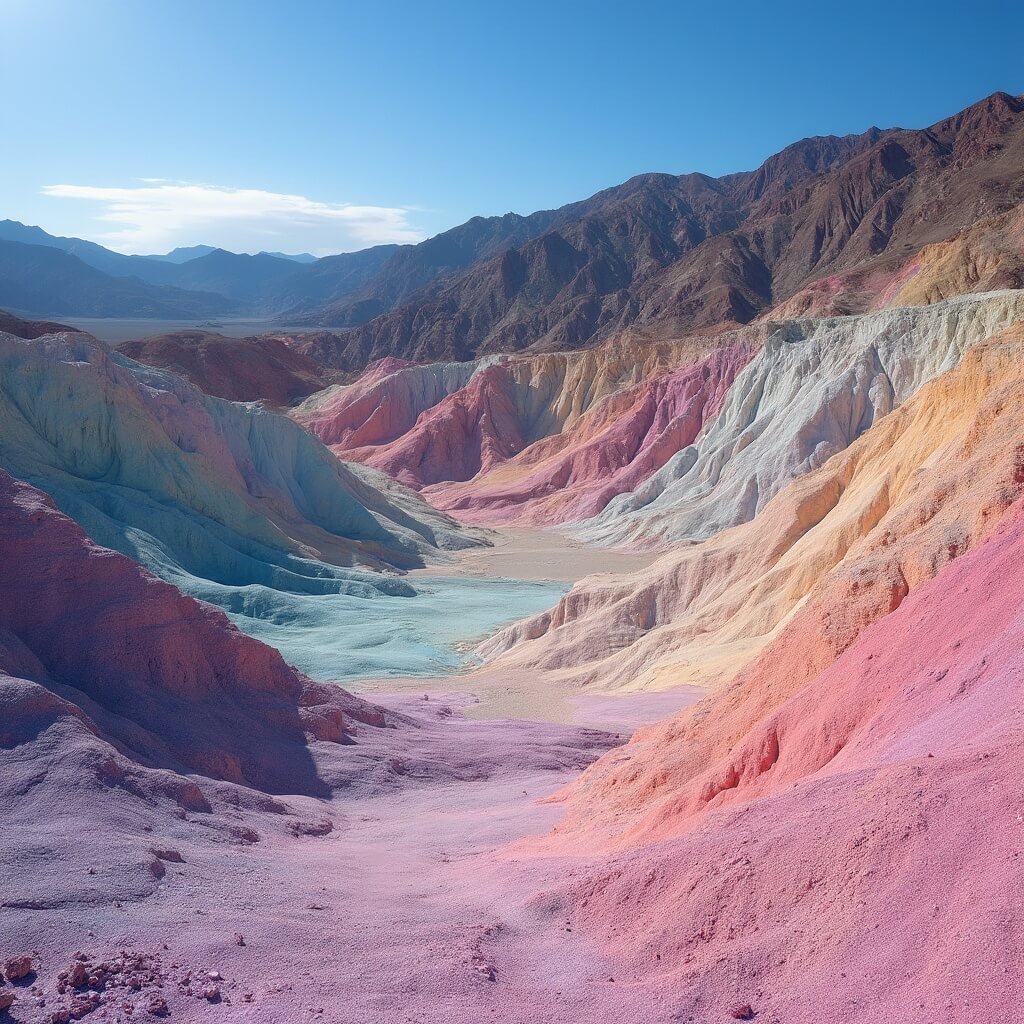
Zabriskie Point: The Money Shot
Every photographer’s dream.
Quick Stats:
- Distance: 0.6 miles
- Difficulty: Easy
- Hiking time: 10 minutes
- Views: Badlands, mountains, salt flats
Pro photographer tip: Arrive before sunrise. The light transforms this landscape into pure magic.
Dante’s View: Top of the World Vibes
Elevation: 5,000 feet
View: Panoramic death valley landscape
Difficulty: Drive-up viewpoint
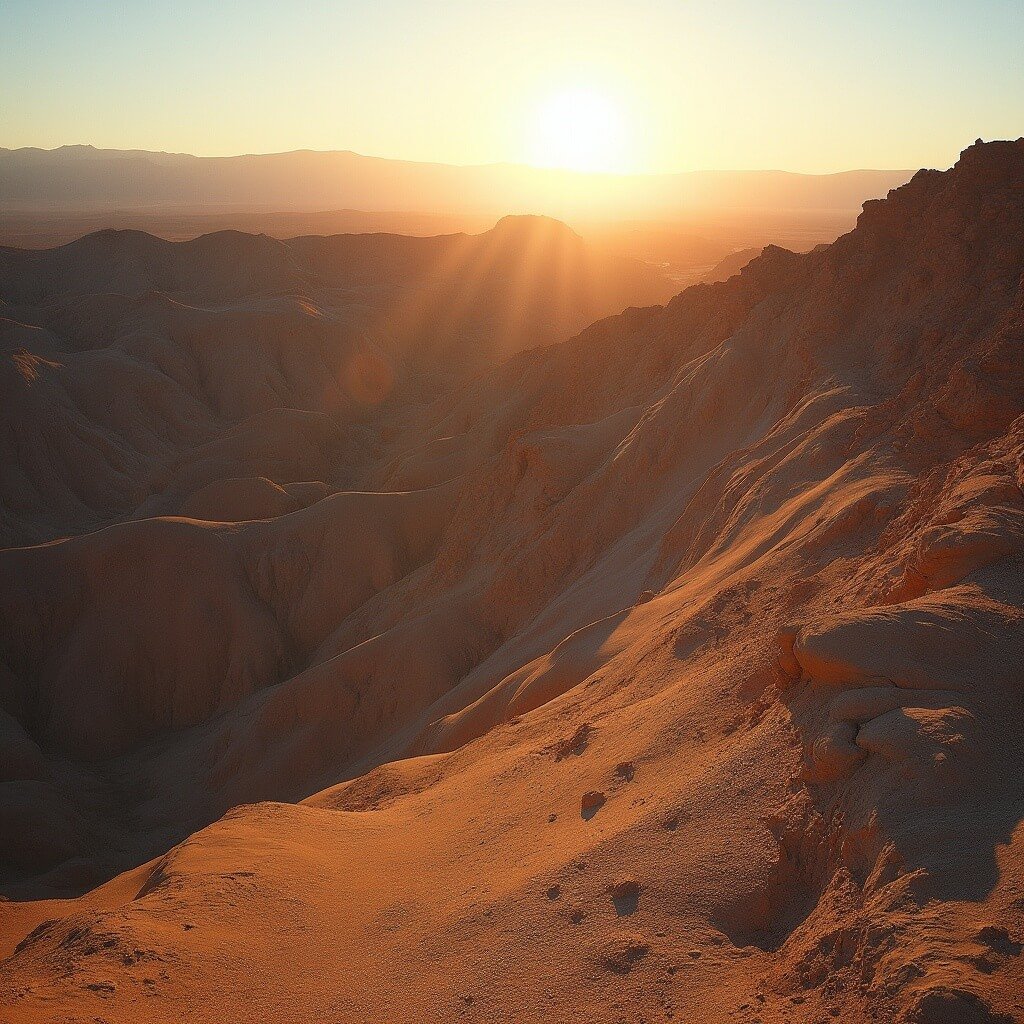
Artist’s Palette: Nature’s Color Wheel
A 9-mile scenic drive featuring mountains painted in:
- Blue
- Pink
- Purple hues
Caused by volcanic deposits rich in minerals. It’s like nature’s own abstract art gallery.
Survival 101: What You Actually Need to Know
Pack Like Your Life Depends On It (Because It Does)
Essential survival kit:
- High-SPF sunscreen
- Wide-brimmed hat
- Minimum 4 liters of water PER DAY
- Sunglasses
- Lightweight, long-sleeve clothing
Heat Danger: Not a Joke
Symptoms of heat exhaustion:
- Dizziness
- Nausea
- Headache
Pro survival tip: If you feel these, get to shade, drink water, and cool down immediately.
The landscape beckons with its raw, unfiltered beauty. Those salt flats, multicolored mountains, and endless horizons aren’t just a destination – they’re a challenge.
As the sun dips lower and those first golden rays start painting the valley, you’ll realize this isn’t just a trip. It’s an expedition into the heart of something wild and untamed.
The journey continues beyond these first breathtaking experiences, with hidden trails, geological wonders, and secrets waiting to be uncovered in Death Valley’s vast wilderness.
Feeling adventurous? Check out our guide on how to drive through Monument Valley or explore the surreal beauty of the Badlands in South Dakota.
👇Find The Cheapest Flights To Anywhere Here👇
Camping and Lodging: Where the Wild Sleeps
Desert Crash Pad Options
Ever wondered where adventurers rest after conquering Death Valley?
Save this article
Enter your email and we'll send it straight to your inbox.
Your accommodation spectrum ranges from hardcore camping to surprisingly comfortable lodges.
Campground Highlights
- Furnace Creek Campground: Most popular
- Mesquite Spring Campground: Closest to Ubehebe Crater
- Wildrose Campground: Higher elevation, cooler temperatures
- Backcountry camping for true wilderness warriors
Pro Survival Tip: Reserve campsites months in advance. These spots fill faster than water evaporates in the desert.
Lodging Inside the Park
Furnace Creek Inn & Ranch Resort
- Oasis-like atmosphere
- Swimming pool (literal lifesaver)
- Rooms with historic charm
- Prices range $200-$500/night
Backcountry Camping: Not for the Faint-Hearted
- Wilderness permits required
- Bring EVERYTHING
- No services beyond what you carry
- Recommended only for experienced desert survivors
For trip planning, check out the Official Death Valley National Park Planning Guide and the Complete Death Valley Travel Guide.
Wildlife Encounters: Desert’s Hidden Residents
Creatures Tougher Than You
Death Valley isn’t empty. It’s a complex ecosystem hosting:
- Bighorn sheep
- Coyotes
- Rattlesnakes
- Scorpions
- Roadrunners
Survival Rule: Respect the wildlife. You’re a guest in their home.
Reptile Kingdom
My first rattlesnake encounter taught me respect.
Watching a sidewinder snake navigate sand dunes – perfectly camouflaged – reminded me: nature doesn’t care about human comfort.
Photography Paradise: Capturing the Impossible
Camera Settings for Desert Mastery
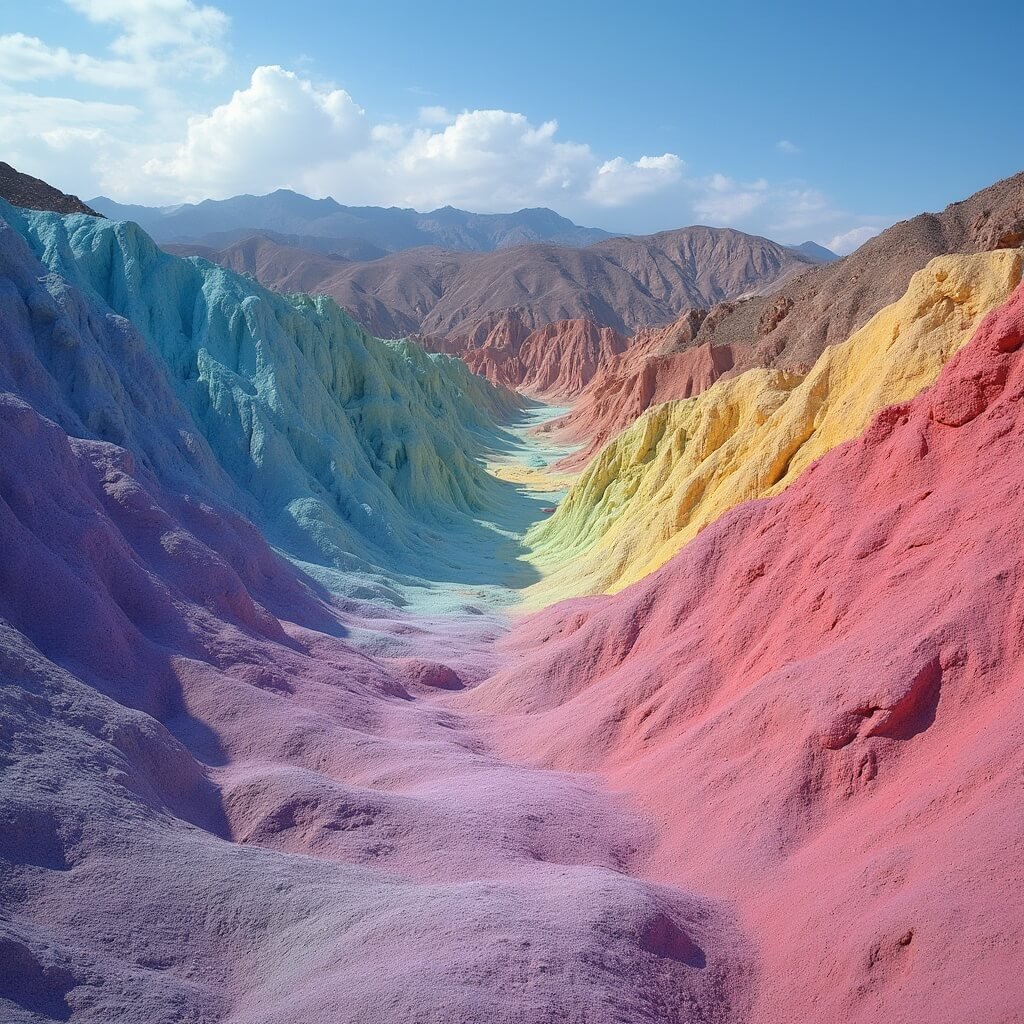
- Golden hour: 6 AM and 6 PM
- Wide-angle lens recommended
- Polarizing filter cuts harsh glare
- Tripod for sunrise/sunset shots
Pro Photographer Tip: Digital sensors hate extreme heat. Protect your gear like it’s more precious than water.
Advanced Exploration: Beyond Tourist Trails
Off-The-Grid Adventures
For those who laugh in the face of standard tours:
- Racetrack Playa (famous moving rocks)
- Eureka Valley
- Saline Valley Hot Springs
- Mengel Pass
Warning: High-clearance 4×4 required. Cell service? Forget about it.
Mix your Death Valley adventure with other epic journeys like Attending the Albuquerque International Balloon Fiesta or Driving through Monument Valley.
Critical Safety Protocols
Desert Survival Checklist
- Water (minimum 1 gallon/person/day)
- Emergency communication device
- First-aid kit
- Sun protection
- Extra vehicle fluids
- Spare tire
- Battery jump pack
- Offline maps
Heat Danger: Real Threat
Temperature can spike to 120°F.
Human body starts failing around 104°F.
Non-Negotiable Rule: Respect the environment. It will kill you without hesitation.
The Unwritten Rules of Death Valley
- Silence is golden
- Preparation prevents panic
- Respect the landscape
- Leave no trace
- Stay humble
Final Wisdom: Why Death Valley Matters
This isn’t just a national park.
It’s a masterclass in survival, a testament to nature’s raw power, and a reminder that humans are fragile visitors in an ancient, indifferent landscape.
Death Valley doesn’t care if you make it.
But if you do? You’ll carry stories that’ll make every other traveler lean in, breathless.
Your Death Valley adventure starts now. Are you ready?
Pair your journey with other epic destinations such as a scenic drive through the Columbia Icefields Parkway, or standing in four states at once at Four Corners Monument.
For more information, don’t miss the Official Death Valley National Park Planning Guide and the Complete Death Valley Travel Guide.
👇Ready To Book Your Trip?👇
This post may contain affiliate links. Please see my disclosure policy for details.
Want to keep this one?
We'll email you the link so you can find it again later.