
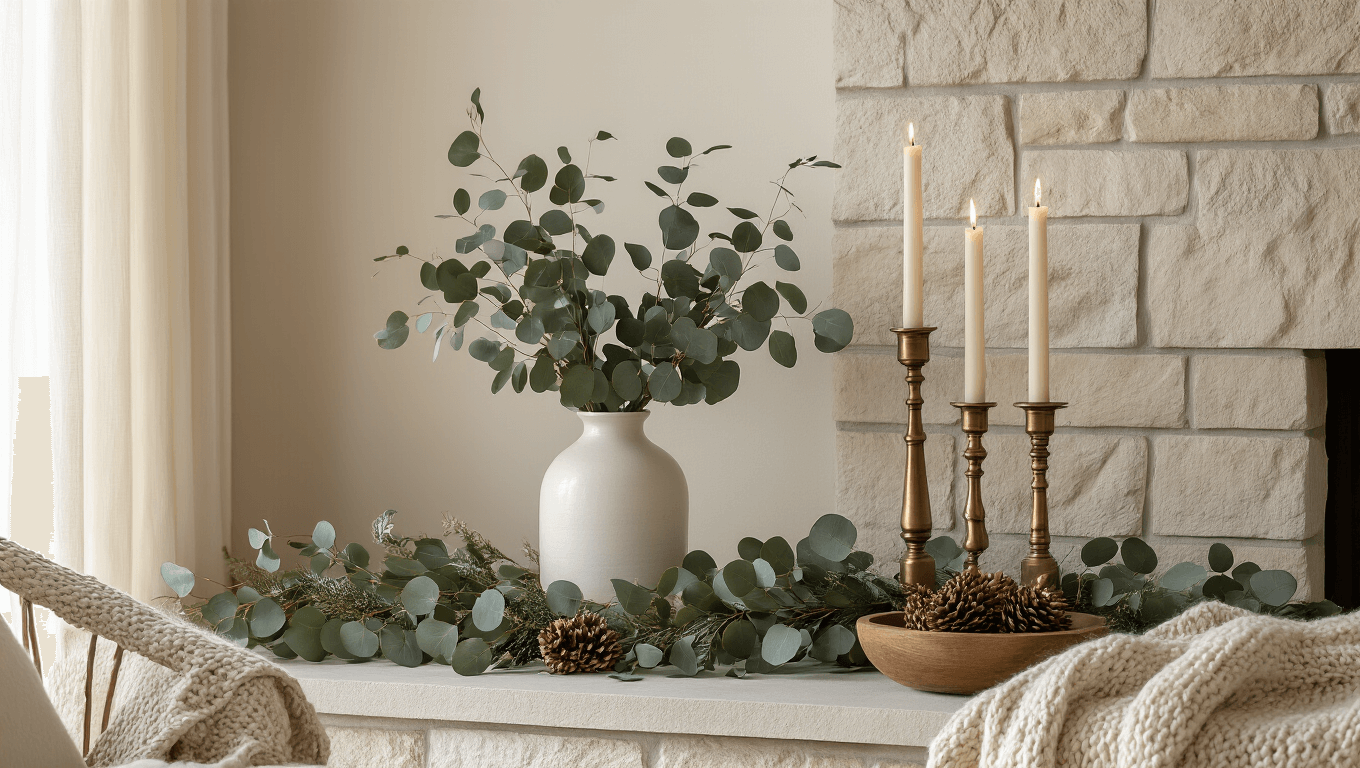
How I Transform My Mantle Into a Winter Wonderland (Without Looking Like I’m Still Celebrating Christmas)
Winter mantle decor is the art of creating that cozy-but-elegant fireplace display that works from January through March without screaming “forgot to take down the Christmas stuff.”
I’ll be honest—I used to leave my holiday garland up until Valentine’s Day out of pure laziness, then tell people it was “festive winter decor.” Spoiler: nobody believed me.
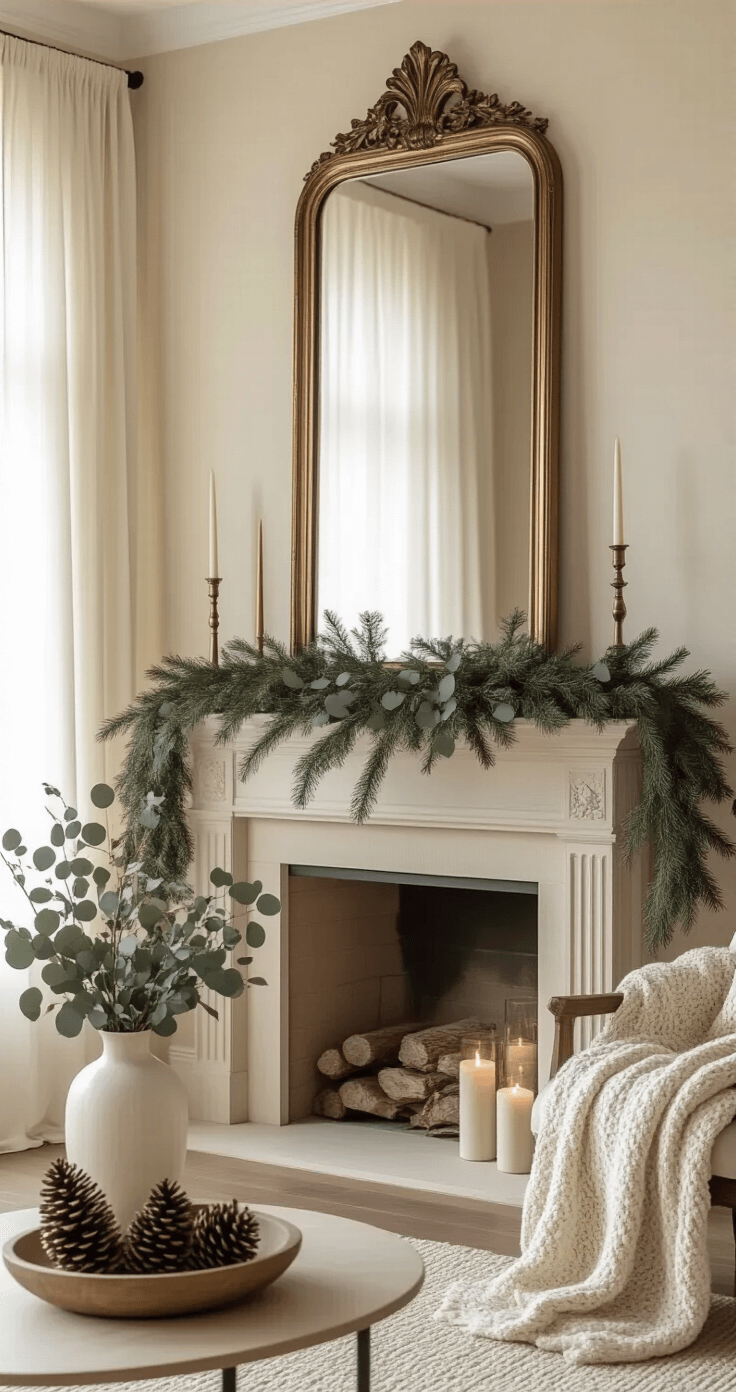
Why Your Mantle Feels Empty After Christmas
Here’s the thing nobody tells you. Your mantle is the first place guests look when they walk into your living room. When it’s bare or messy, the entire room feels unfinished—like showing up to a dinner party wearing only one earring.
I learned this the hard way when my mother-in-law visited in late January and asked if we were “going through something” because our mantle looked so depressing. Ouch.
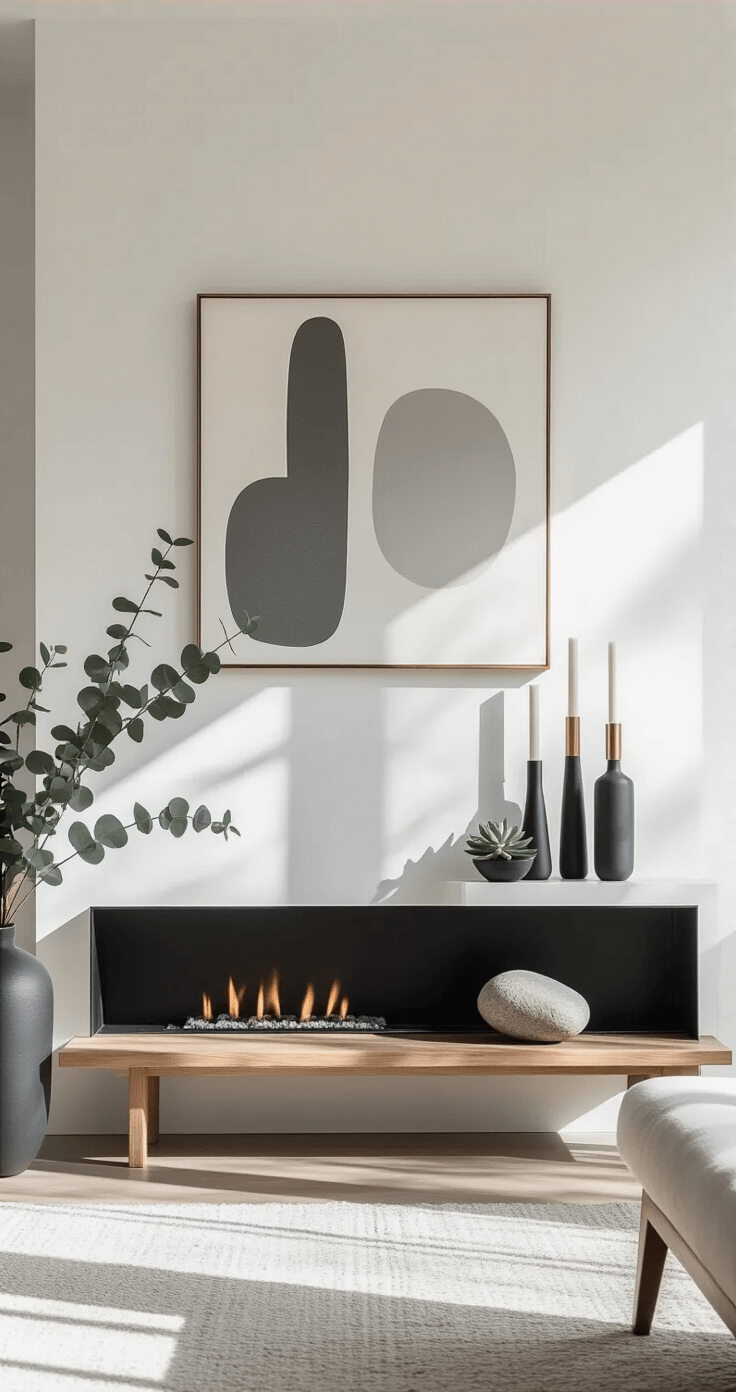
The Secret Formula I Use Every Winter
After years of trial and error (mostly error), I’ve cracked the code.
Start with these non-negotiable elements:
- Greenery that doesn’t scream Christmas – Think eucalyptus garland or plain pine without berries
- Layers of texture – Mix smooth ceramics with rough wood and soft knits
- Strategic lighting – Flameless candles are your best friend here
- One statement piece – A large mirror, vintage clock, or striking artwork
- Things in threes – Odd numbers just look better (it’s science, probably)
The magic happens when you combine these elements without making your mantle look like a craft store exploded on it.
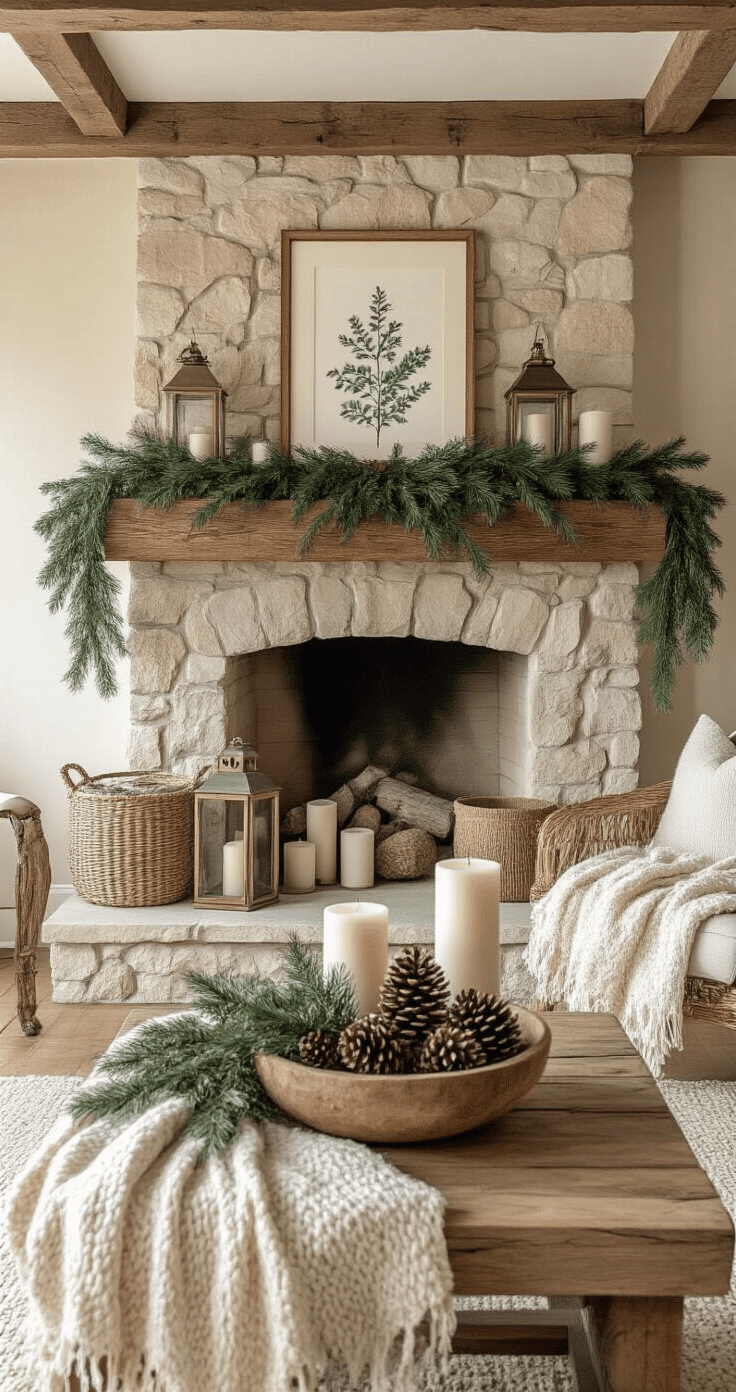
My Step-by-Step Process (That Actually Works)
First: Clear everything off and start fresh
I know it’s tempting to just add more stuff, but resist. Take it all down, dust that mantle (you’d be horrified what’s under there), and start with a clean slate.
Second: Place your anchor piece
This is your largest item—usually a decorative mirror or piece of art. Center it or lean it slightly off-center if you’re feeling adventurous.
I like propping mine at a slight angle because it looks more casual and less “trying too hard.”
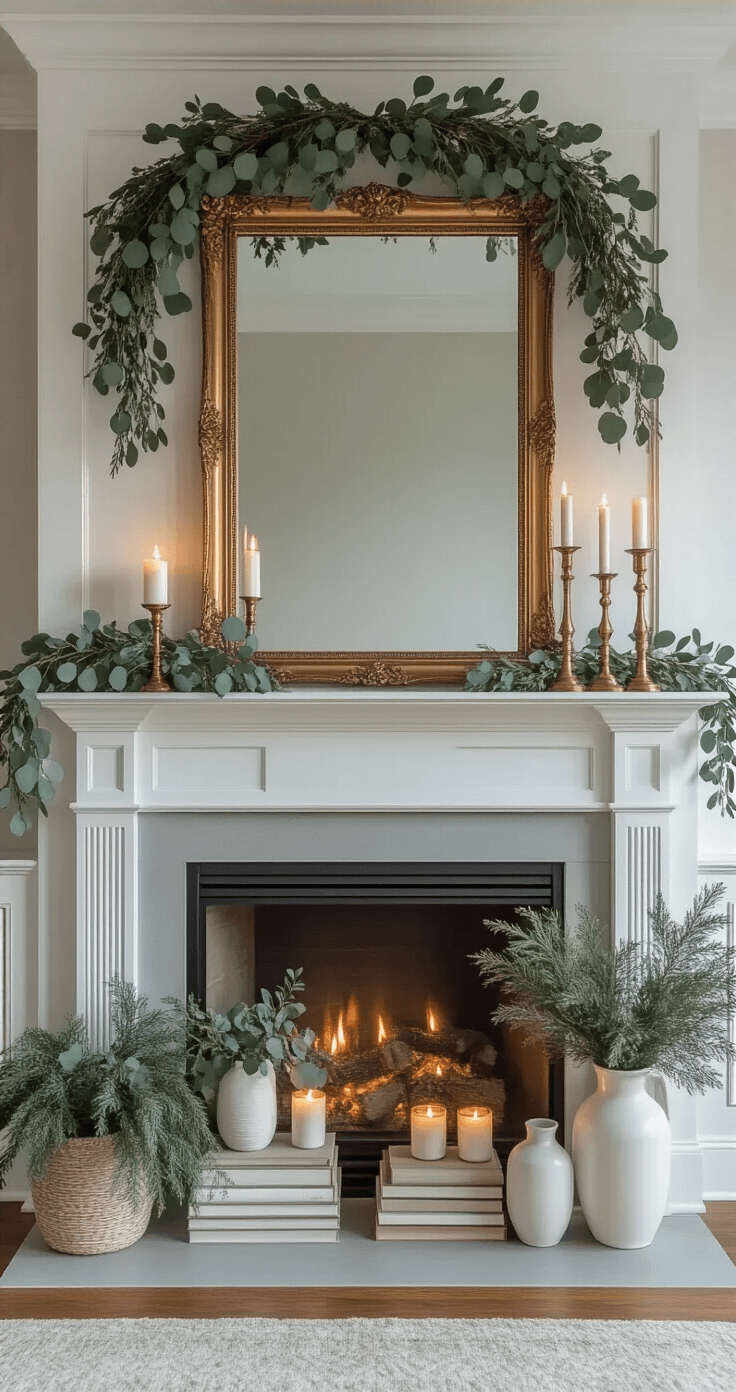
Third: Add your greenery base
Save this article
Enter your email and we'll send it straight to your inbox.
Here’s where I differ from most decorating advice. Instead of one garland, I layer two different types. Start with faux pine garland as your base, then weave in something lighter like eucalyptus or cedar on top. The dimension this creates is chef’s kiss.
Drape it naturally—no perfect swoops that look like they belong in a department store window. Let some pieces hang lower, pull others through, and embrace the imperfection.
Fourth: Create height variation
This is where most people mess up. Everything sits at the same level, creating a flat, boring landscape.
- Tall candlesticks on one end
- Decorative lanterns at varying heights
- Stacked books to elevate smaller items
- A mix of short and tall vases
Play around until you have high points, medium points, and low points. Your eye should travel across the mantle, not stare at one flat line.
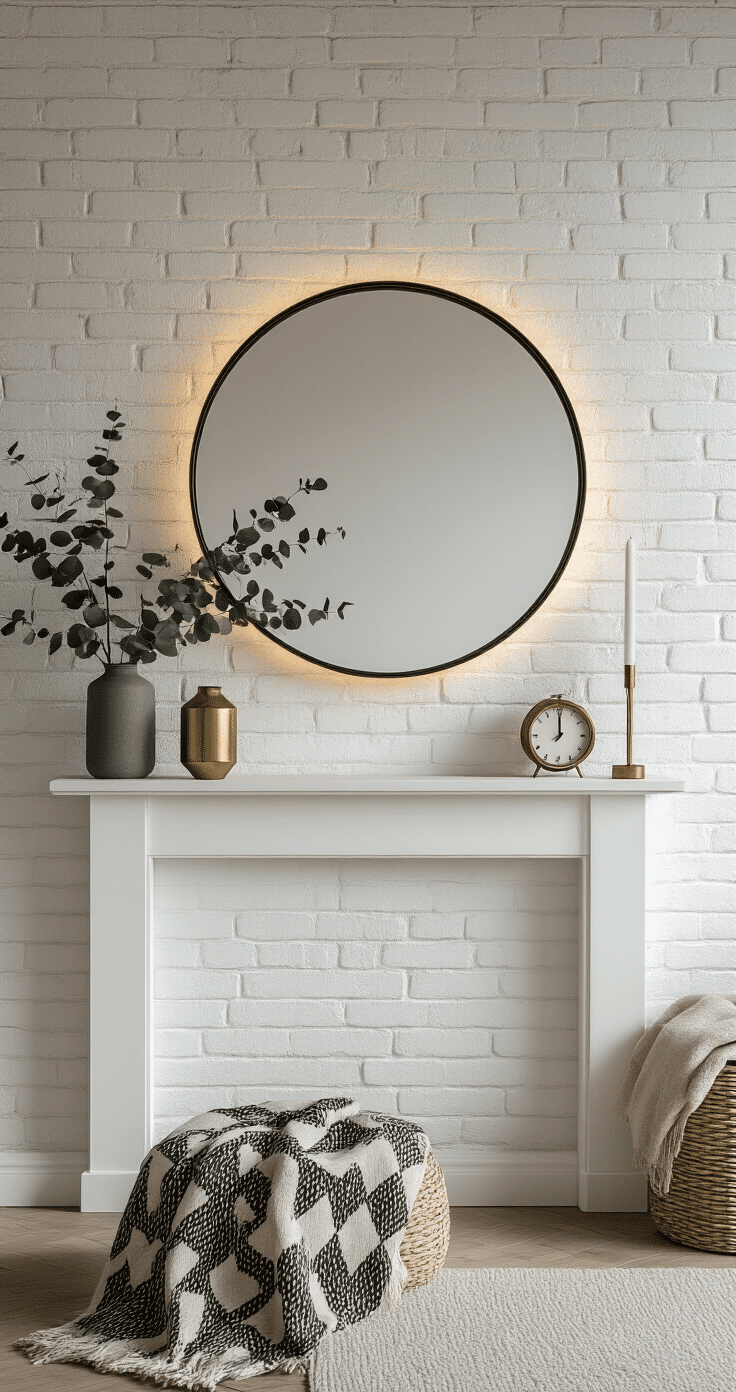
Fifth: Fill in the gaps
Now add your smaller decorative pieces. I scatter:
- White or cream candles in different sizes
- A small wooden bowl with pinecones
- Vintage frames with winter-themed prints
- Maybe a small potted plant if I’m feeling fancy
Walk away and come back. If something feels off, it probably is—trust your gut and adjust.
The Color Palette That Never Fails
I stick to neutrals with a backbone.
My go-to combination:
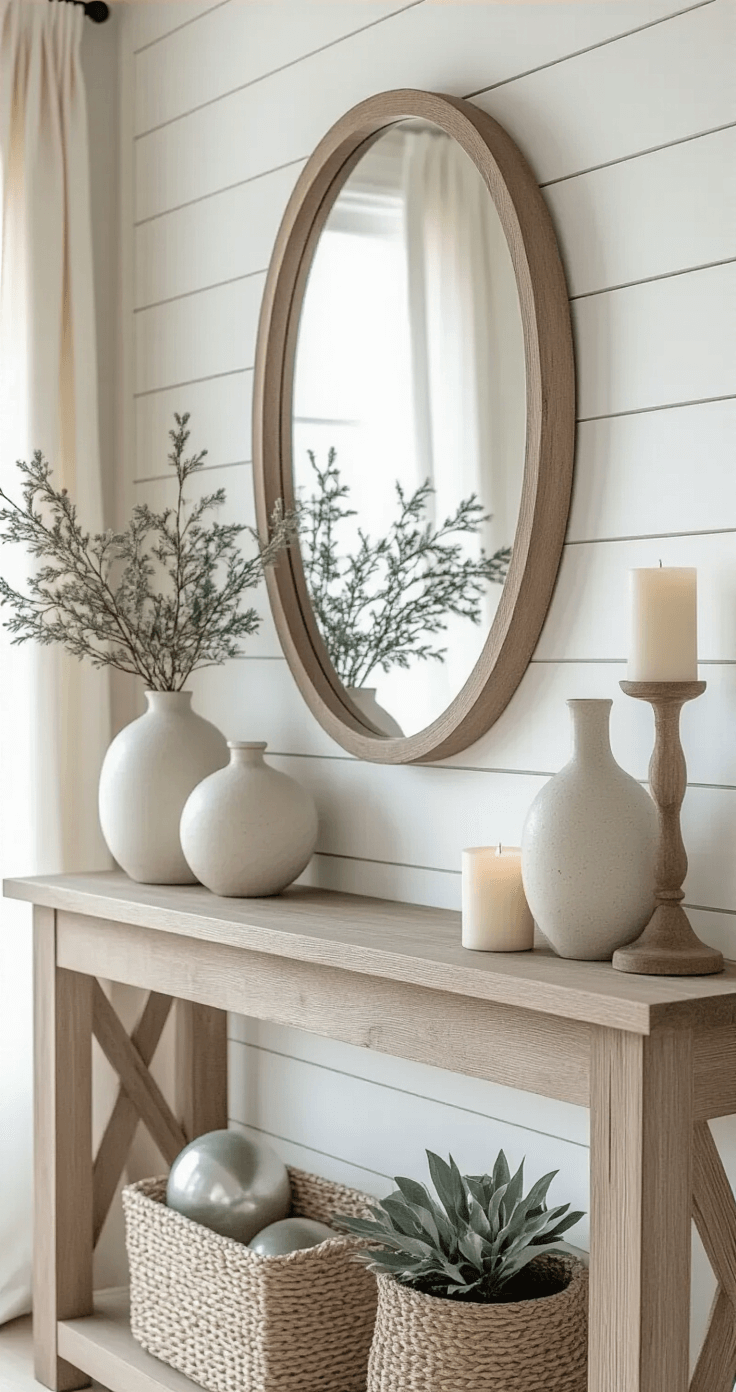
- Warm whites and creams (not stark white—that feels sterile)
- Natural wood tones
- Soft grays and greiges
- Touches of matte black or brushed brass
- Deep greens from the foliage
Silver can work, but use it sparingly unless you want your mantle to look like a sad January clearance sale.
Last year I went overboard with silver snowflakes and my living room looked like a frozen yogurt shop. Learn from my mistakes.
What NOT to Do (Lessons From My Disasters)
This post may contain affiliate links. Please see my disclosure policy for details.