

Why Your Tiny Kitchen Feels Even Smaller Than It Actually Is
Your kitchen isn’t just small. It’s probably disorganized, poorly lit, and stuffed with things you haven’t used since 2019. Before you start dreaming about knocking down walls, let’s talk about what actually works in spaces where you can touch both walls while chopping onions.
The Layouts That Actually Work (And The Ones That Don’t)
Galley kitchens are your best friend in tight spaces. Two parallel counters with a walkway between them create a natural workflow that keeps everything within arm’s reach. I’ve cooked in galley kitchens smaller than most people’s closets, and here’s what I learned: they force you to be efficient.
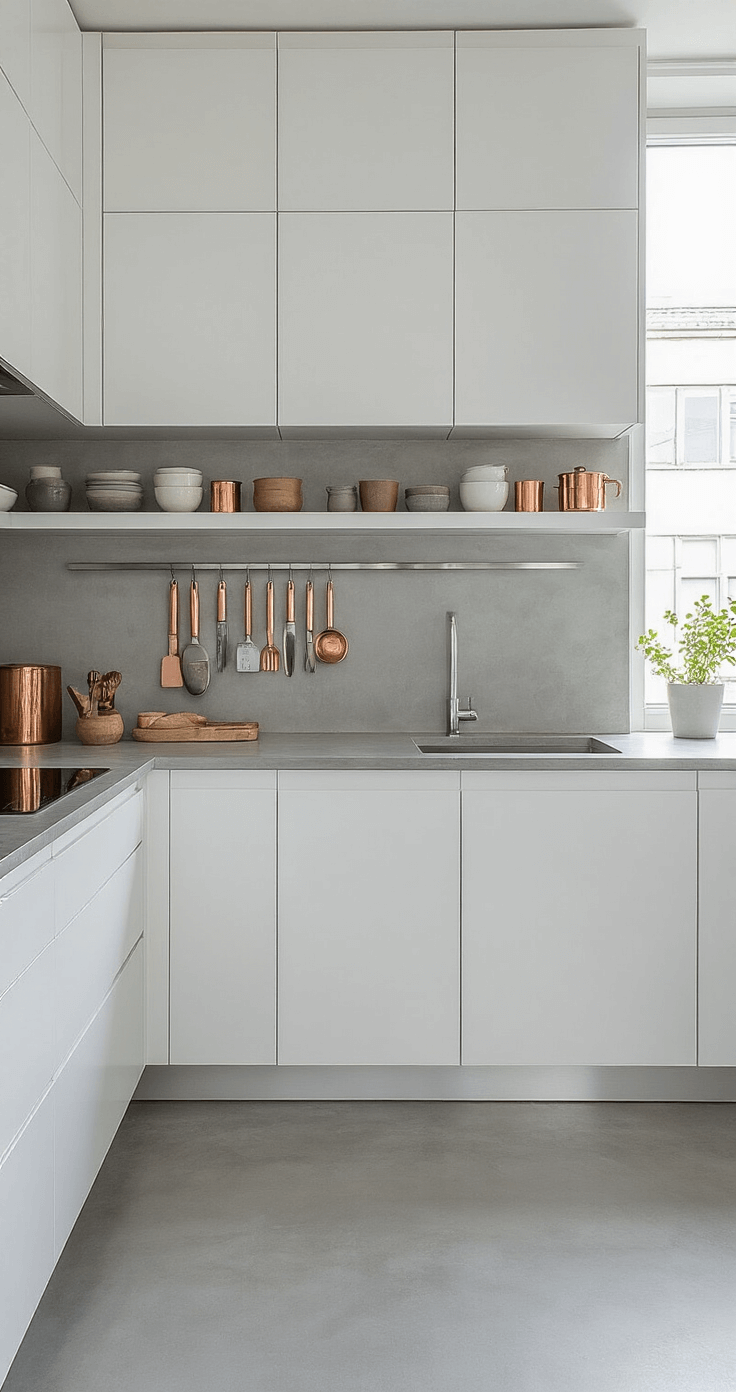
L-shaped layouts come in second. They separate your cooking zone from your cleaning zone while keeping the work triangle tight and functional. The work triangle matters even more when you’re working with limited square footage. Keep your sink, stove, and refrigerator within 4-7 feet of each other—any farther and you’re just creating unnecessary steps.
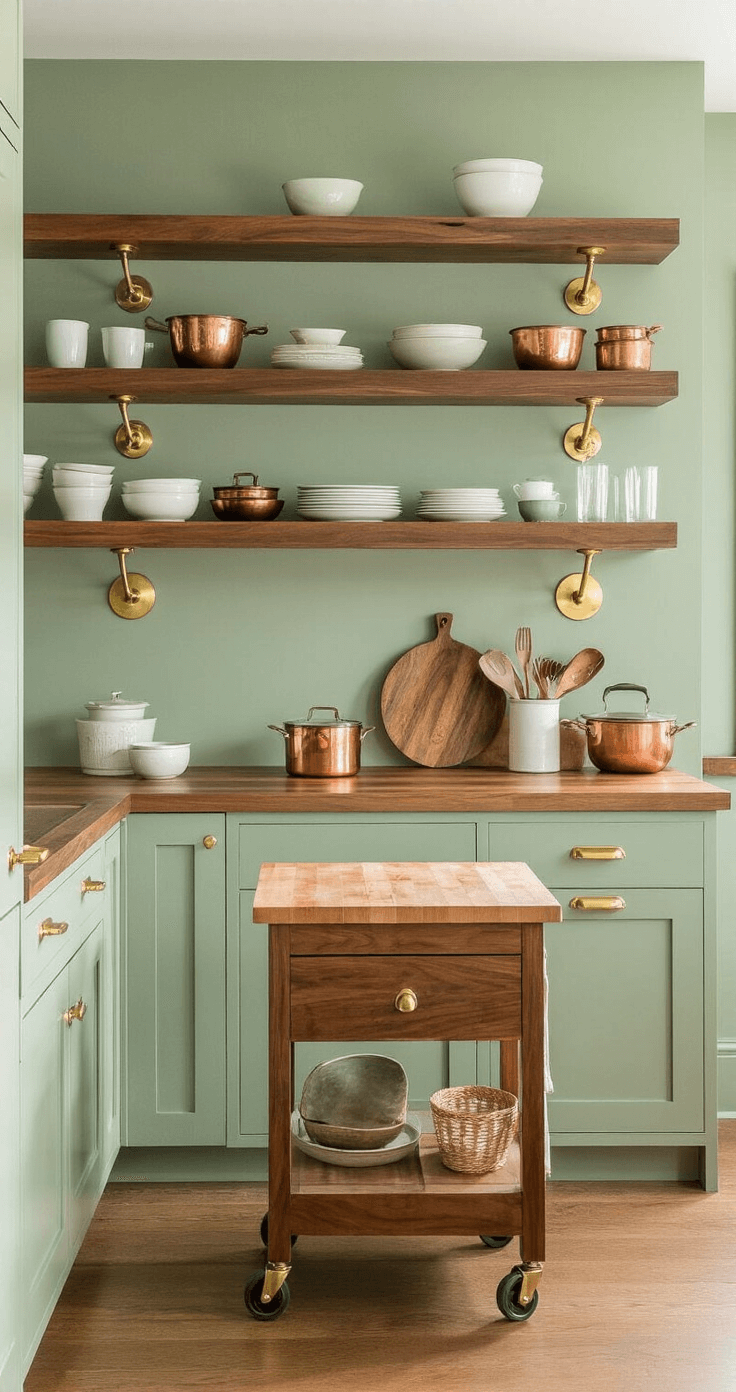
Single-wall kitchens can work, but only if you’re strategic. Everything lines up on one wall, which sounds terrible until you realize it can actually open up the rest of your space for dining or living areas.
Storage Solutions That Don’t Require A Contractor
Let’s get practical. Vertical space is your secret weapon. Most people stop using their walls at about five feet up, which is just leaving money on the table. Here’s what to do:
- Install cabinets that go all the way to the ceiling (yes, you’ll need a step stool, but it’s worth it)
- Add floating shelves above your work areas for items you use daily
- Mount a magnetic knife strip to free up precious drawer space
- Use under-shelf baskets inside cabinets to double your storage capacity
The back of your cabinet doors is prime real estate. I installed over-the-door organizers in my last apartment kitchen, and suddenly I had space for all my spices, measuring cups, and lids that never seemed to have a home.
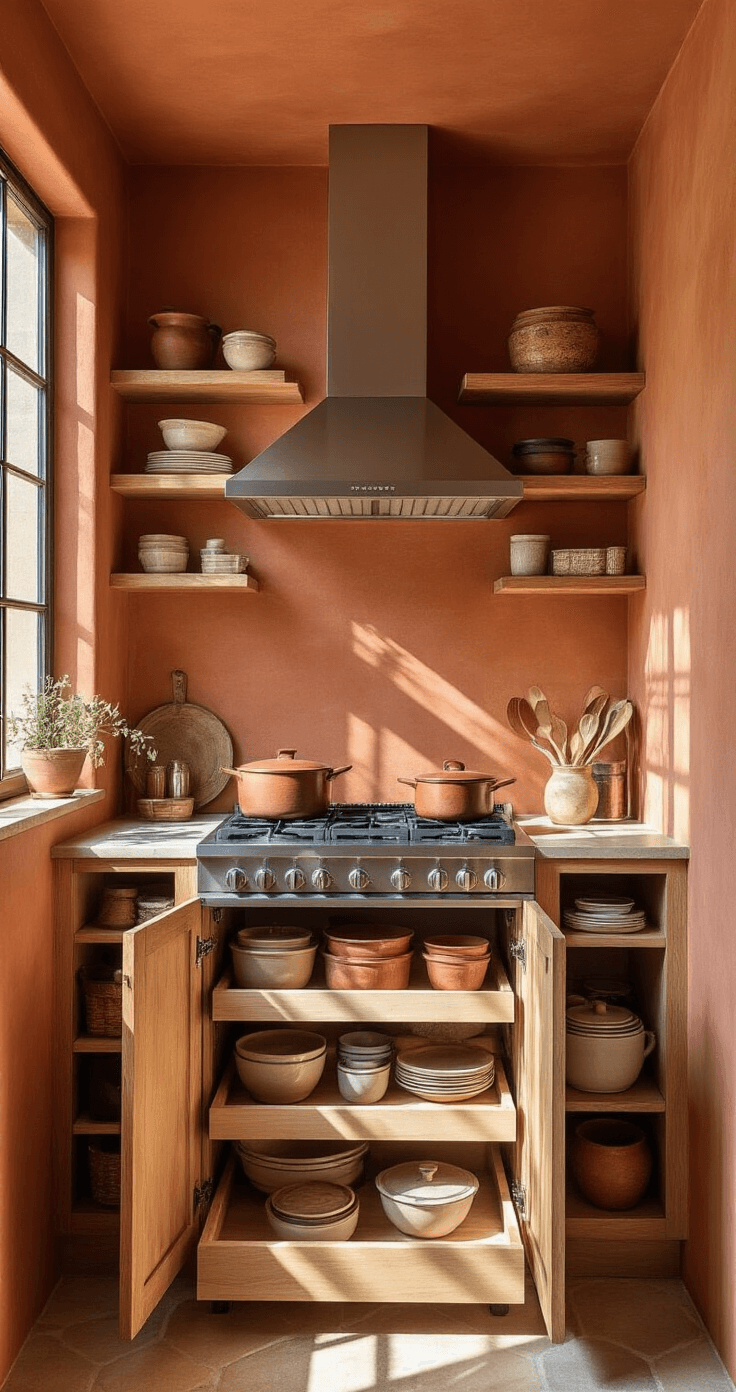
Corners are where storage goes to die—unless you intervene. Those deep corner cabinets swallow Tupperware containers and baking sheets like some kind of kitchen black hole. Fix this with:
- Lazy Susans for easier access
- Pull-out corner shelves that bring everything to you
- Tiered organizers that let you see what’s actually back there
The Multi-Functional Pieces That Earn Their Keep
Every item in a tiny kitchen needs to justify its existence. I’m talking about furniture and appliances that do double (or triple) duty. A rolling kitchen cart serves as:
- Extra prep space when you’re cooking
- A mobile bar when you’re entertaining
- Additional storage that can hide in a corner when you need floor space
Save this article
Enter your email and we'll send it straight to your inbox.
Your kitchen table should work harder. Look for drop-leaf tables, nesting tables, or pieces with built-in storage underneath.
Choose appliances that combine functions. A microwave-convection oven combo saves counter space. An Instant Pot replaces a slow cooker, rice cooker, and pressure cooker. A toaster oven can handle most baking tasks without firing up a full-size oven.
Design Tricks That Make Small Spaces Feel Bigger
Light colors aren’t just aesthetic—they’re strategic. White, cream, and light gray cabinets reflect light and make walls recede visually. I’ve seen identical kitchens look completely different based solely on cabinet color.
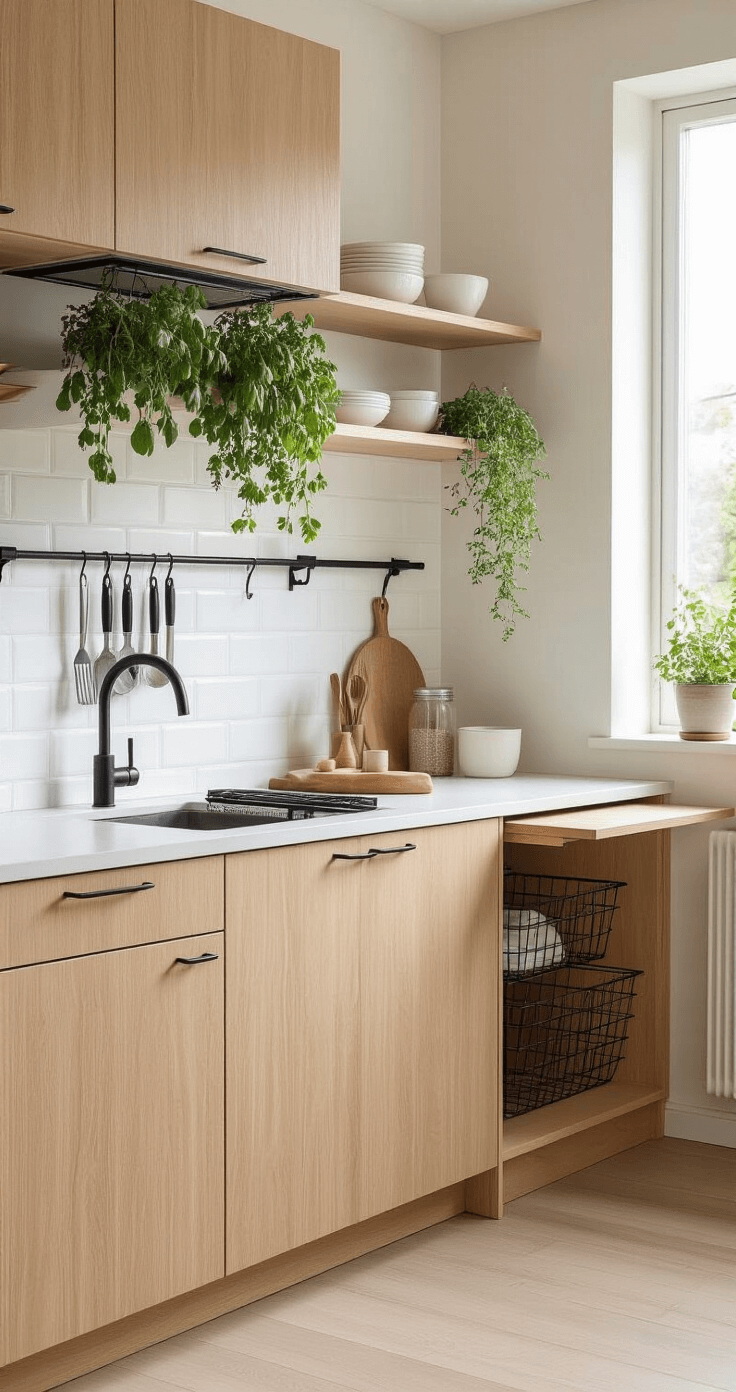
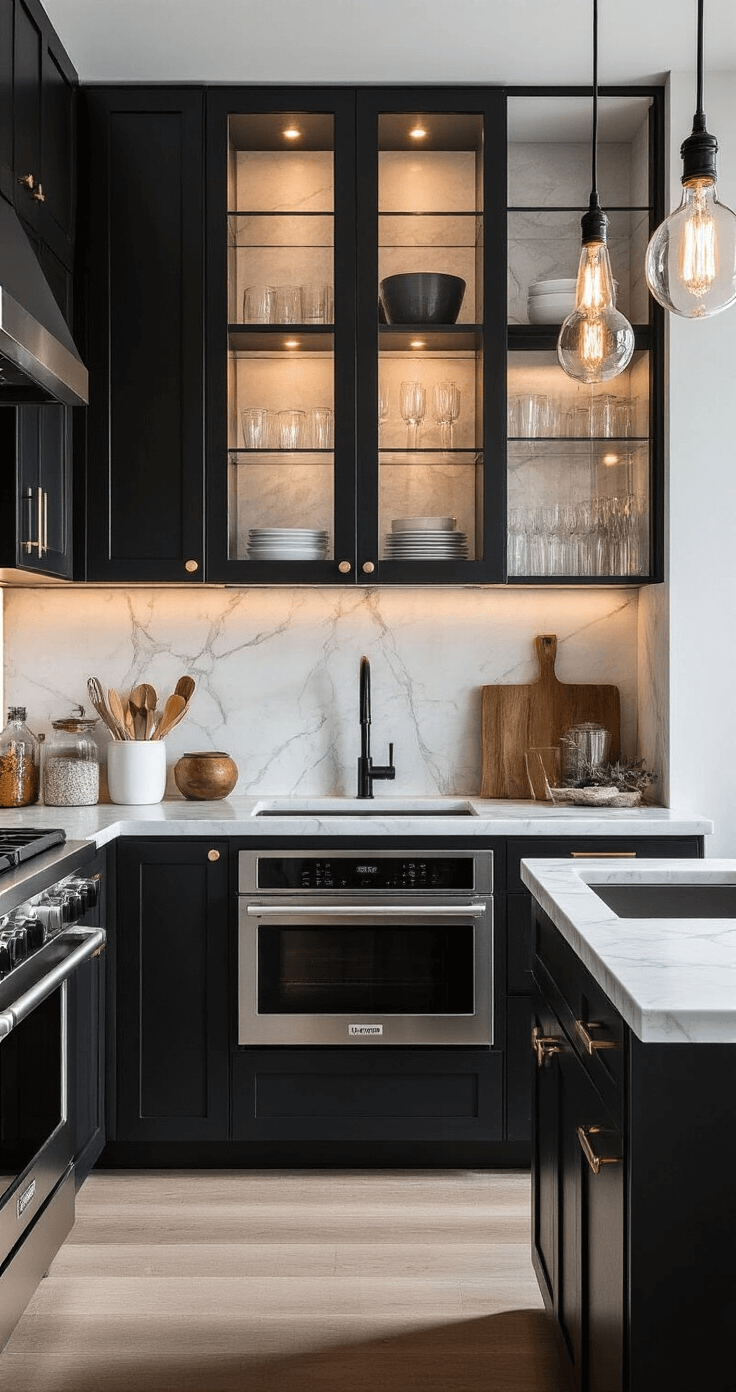
Glass-front cabinets create depth. Your eye travels through them instead of stopping at a solid surface, which tricks your brain into perceiving more space. Just keep what’s behind that glass organized, or you’ve created a different problem.
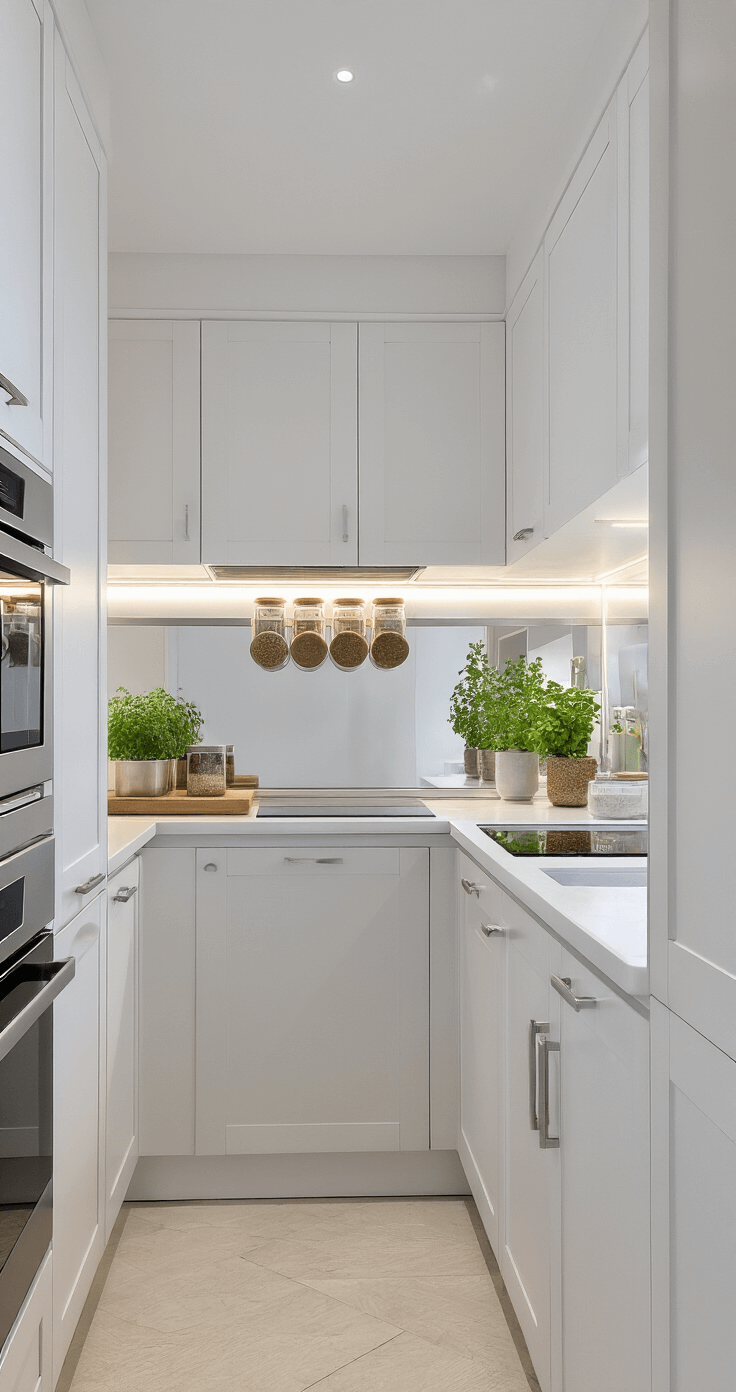
Mirrors and reflective surfaces multiply light. A mirrored backsplash sounds fancy, but it’s just smart physics. Light bounces around the room instead of being absorbed, making everything feel more open. Glossy cabinet finishes and stainless steel appliances do the same thing.
Lighting: The Difference Between Cozy And Claustrophobic
One overhead light isn’t enough. Period. Layer your lighting:
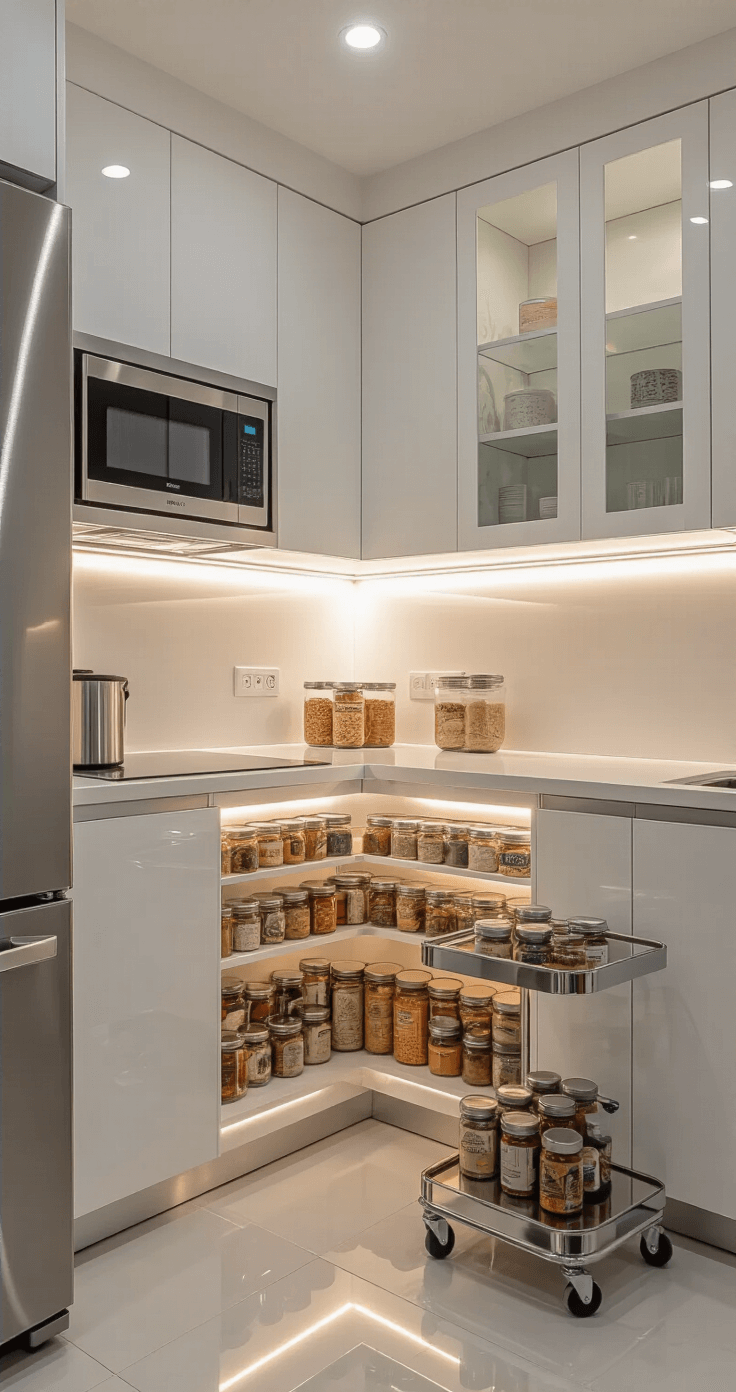
- Under-cabinet strips illuminate your work surfaces
- Pendant lights add style and focused task lighting
- Recessed lighting provides overall ambient light without taking up visual space
Poor lighting makes small spaces feel like caves. Good lighting makes them feel intentional and designed.
What To Do With Your Countertops
Clear countertops are non-negotiable in tiny kitchens. I know that’s harsh, but every appliance and decorative item sitting out is stealing valuable prep space. Here’s my rule: if you don’t use it
This post may contain affiliate links. Please see my disclosure policy for details.
Want to keep this one?
We'll email you the link so you can find it again later.